
Articles

As of 2025, tawny wines remain an elegant, aromatic marvel of winemaking, merging tradition with modern craftsmanship. Whether enjoyed as a dessert wine, in cocktails, or as a pairing with cheese and nuts, tawny wine offers an unparalleled range of flavours and textures that suit every occasion.
Their age-related labels serve as guides to their evolving character, inviting tasters to explore the depths of flavour that each bottle holds. For connoisseurs and newcomers alike, tawny wines stand as a testament to the beauty of oxidative aging and the artistry of winemaking. Embrace the nuances of tawny wine in 2025 and elevate your tasting experience to new heights.

Searching for what is the sweetest red wine? Discover everything from rich dessert Ports to fruity table wines and find your new favourite sweet red.

Explore the world of sweet red wine varieties. Discover popular types, flavour profiles, food pairings, and find your next favourite bottle today.

What Are Fortified Wines?
Fortified wines are produced by adding neutral grape spirit (typically brandy) to wine during or after fermentation. This process serves multiple purposes: it stops fermentation when added early (preserving natural grape sweetness), increases alcohol content to 15-22%, and creates wines with exceptional aging potential.
The fortification process was originally developed as a preservation method for wines that needed to survive long sea voyages. Today, it's celebrated as an art form that produces some of the world's most age-worthy and food-friendly wines.
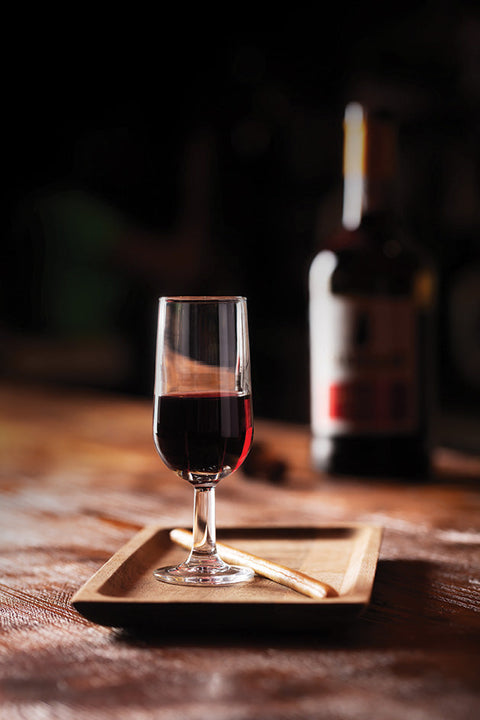
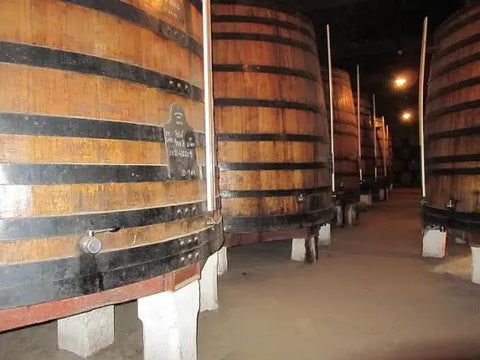
From the sun-drenched vineyards of Portugal's Douro Valley emerges one of the world's most cherished fortified wines: tawny port. This rich, amber-hued wine carries centuries of tradition, innovation, and cultural significance. Let's explore the fascinating history of tawny port, from its humble beginnings to its current status as a premium fortified wine.