
Introduction to Tawny Wine
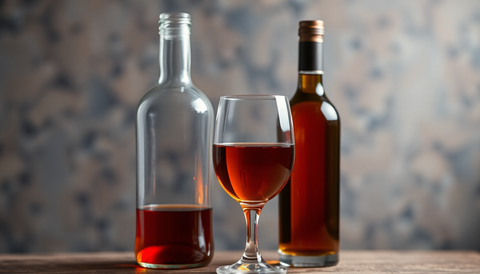
Tawny wine is a sophisticated and aromatic style of fortified wine that has earned its place as a beloved classic among wine enthusiasts worldwide. Its unique combination of rich flavours, velvety texture, and distinctive golden amber colour make it stand out in the world of dessert and fortified wines.
As of 2025, tawny wines continue to evolve, captivating connoisseurs and casual drinkers alike, thanks to their complex aging process and versatility in pairing. In this comprehensive guide, we'll delve into what precisely constitutes tawny wine, its production methods, flavour profile, and how to enjoy it to the fullest in the modern wine landscape.
What Is Tawny Wine?
At its core, tawny wine is a type of fortified wine defined by its amber to deep golden-brown hues, a reflection of its oxidative aging process. Unlike ruby or vintage ports, which are known for their bright, youthful, and fruit-forward characteristics, tawny wines develop a nuanced complexity over long periods of barrel aging. This aging process causes the wine to take on baked, caramelized, nutty, and dried fruit notes, making it an intoxicatingly layered beverage suitable for sipping, pairing, and even cooking.
Tawny wines are often labelled by their age categories, such as 10, 20, 30, or even 40+ years, indicating the approximate time spent maturing in oak barrels. These ages serve as a testament to the depth of flavour and complexity that can be achieved through prolonged oxidative aging. These vintages are sometimes overlayed with traditional classifications and display a remarkable balance between maturity and freshness, all accomplished without the need for further bottle aging after bottling.
The Origins and Historical Significance of Tawny Wine
The history of tawny wine dates back centuries, with origins most notably linked to Portugal's Douro Valley, where port wine production has been a tradition since the 17th century. The term 'tawny' was historically used to describe wines with a tawny or light brown hue, which resulted from extended aging and exposure to oxygen. In recent years, regions like South Australia have embraced and refined tawny-style fortified wines, combining traditional methods with modern winemaking techniques to produce their own acclaimed versions.
How Is Tawny Wine Made? An In-Depth Look at the Production Process
The crafting of tawny wine is both an art and a science, demanding patience, skill, and nuanced understanding of aging techniques. The production steps encompass:
1. Grape Selection
- The foundation of tawny wine starts with high-quality grapes, typically native varietals such as Touriga Nacional, Tinta Roriz (Tempranillo), and Tinta Barroca in Portugal, or Shiraz, Grenache, and Mataro (Mourvèdre) in South Australia.
- The grapes are harvested at peak ripeness, ensuring balanced sugar levels and acidity that are crucial for the eventual flavour development.
- In some regions, growers also select grapes with specific flavour profiles that will contribute to the wine’s complexity after aging.
2. Fermentation and Fortification
- After crushing, fermentation begins naturally, converting sugars into alcohol.
- To produce tawny port, fermentation is halted early by adding a high-proof grape spirit, typically around 77% alcohol, which fortifies the wine and retains residual sugar.
- This process stops fermentation prematurely, ensuring the wine remains sweet and full-bodied with a high alcohol content; around 18% to 20% ABV.
3. Oxidative Aging in Large Barrels
- Unlike bottles, tawny wines are aged in large oak or wooden casks, often stored in warm climates that accelerate oxidation.
- Over the years, exposure to oxygen causes the wine to develop deeper, more complex flavours and a lighter colour, transitioning from vibrant red to amber and golden hues.
- Winemakers regularly blend wines of different ages to achieve consistency and the desired flavour profile.
4. Blending and Bottling
- This critical step involves combining wines of various ages to balance youthful vibrancy with mature richness.
- The final blends are filtered and bottled, both preserving their oxidative-exposure-derived characteristics and ensuring readiness for consumption.
- Unlike vintage ports, tawny wines are non-vintage by nature, although some producers may specify vintage years on preferred bottlings.
Flavour Profile and Characteristics of Tawny Wine
The aging process imbues tawny wines with a complex and harmonious aroma and taste profile, including:
- Nutty Notes: Almonds, hazelnuts, and walnuts emerge through oxidation.
- Caramel and Toffee: Deep caramelized sugar flavours, reminiscent of toffee or butterscotch.
- Dried Fruits: Figs, raisins, dates, and prunes contribute sweetness and richness.
- Spices and Aromatics: Cinnamon, clove, nutmeg, and subtle hints of vanilla or smokiness.
- Texture: Smooth, luscious, and often velvety, with a persistent, warming finish.
The Aging Spectrum: From Youth to Maturity
The age of a tawny wine significantly influences its character and complexity. Here’s what to expect with varying aged styles:
- Young Tawny (3–7 years): Bright, fresh, with lively fruit notes and gentle oxidative hints.
- Mid-Age Tawny (10–20 years): Greater depth, nuttiness, more pronounced caramel, and dried fruit nuances.
- Old Tawny (30+ years): Deeply complex, with layered flavours, a refined palate, and a rich, lingering finish.
How to Serve and Enjoy Tawny Wine in 2025
Proper serving enhances the tasting experience. Recommendations include:
- Temperature: Serve slightly chilled at around 12-14°C (54-57°F).
- Glassware: Use a short, tulip-shaped glass to concentrate aromas.
- Pairings: Perfect with fine cheeses (blue cheese, aged cheddar), nuts, dried fruits, and desserts like crème brûlée, sticky toffee pudding, or dark chocolate.
- Cocktails: Incorporate tawny wine in traditional or modern cocktails for added depth.
Storing Tawny Wine
Given its oxidative aging process, tawny wine is resilient once opened, making it ideal for casual enjoyment:
- Store bottles upright in a cool, dark environment.
- Once opened, it can last several weeks to months if properly sealed and refrigerated due to its stable, oxidative nature.
- Avoid temperature fluctuations to preserve flavours and aroma.
Comparing Tawny and Vintage Port
While both are fortified wines, they differ significantly:
- Tawny Port: Aged in barrels for extended periods, exposed to oxygen, with flavours evolving over time, ready to drink upon bottling.
- Vintage Port: Bottled after a short period of barrel aging, continues to evolve in the bottle, often requiring decanting and longer cellaring.
Summary and Final Thoughts for 2025
As of 2025, tawny wines remain an elegant, aromatic marvel of winemaking, merging tradition with modern craftsmanship. Whether enjoyed as a dessert wine, in cocktails, or as a pairing with cheese and nuts, tawny wine offers an unparalleled range of flavours and textures that suit every occasion.
Their age-related labels serve as guides to their evolving character, inviting tasters to explore the depths of flavour that each bottle holds. For connoisseurs and newcomers alike, tawny wines stand as a testament to the beauty of oxidative aging and the artistry of winemaking. Embrace the nuances of tawny wine in 2025 and elevate your tasting experience to new heights.

Comments (0)
There are no comments for this article. Be the first one to leave a message!