
If you've ever found yourself wondering what is the sweetest red wine, the answer usually points to a fortified dessert wine. Think of a luscious Tawny Port or a rich Rutherglen Muscat, these wines pack a serious sweet punch because winemakers halt the fermentation process early, leaving a delicious concentration of natural grape sugars behind.
Your Guide to the Sweetest Red Wines
But here's the thing: ‘sweet’ can mean different things in the wine world. It’s not always just about the sugar. A red wine bursting with ripe, jammy fruit flavours can also come across as sweet, even if it’s technically ‘dry’ on paper. In wine, the perception of sweetness is just as important as the actual grams of sugar in the bottle.
This guide will walk you through the entire spectrum, from the syrupy intensity of classic fortified wines to the approachable, fruit-driven sweetness of off-dry reds. Getting your head around the difference is the secret to finding a bottle you’ll truly love.
What You Will Discover
Our goal is to give you the confidence to navigate this delicious corner of the wine world. We’ll cover:
- How winemakers create these distinctive sweet styles.
- The key differences between genuinely sweet and simply fruit-forward wines.
- Australia’s top regions for producing world-class sweet reds.
- Practical tips for serving and pairing these unique wines.
By the end, you'll be able to pinpoint the perfect sweet red for your palate. To get started, you can explore some of the most popular sweet red wine varieties that Australia has to offer. This journey will demystify the labels and help you find exactly what you're looking for, whether it's for a special occasion or just a quiet night in.
Understanding Sweetness in Red Wine
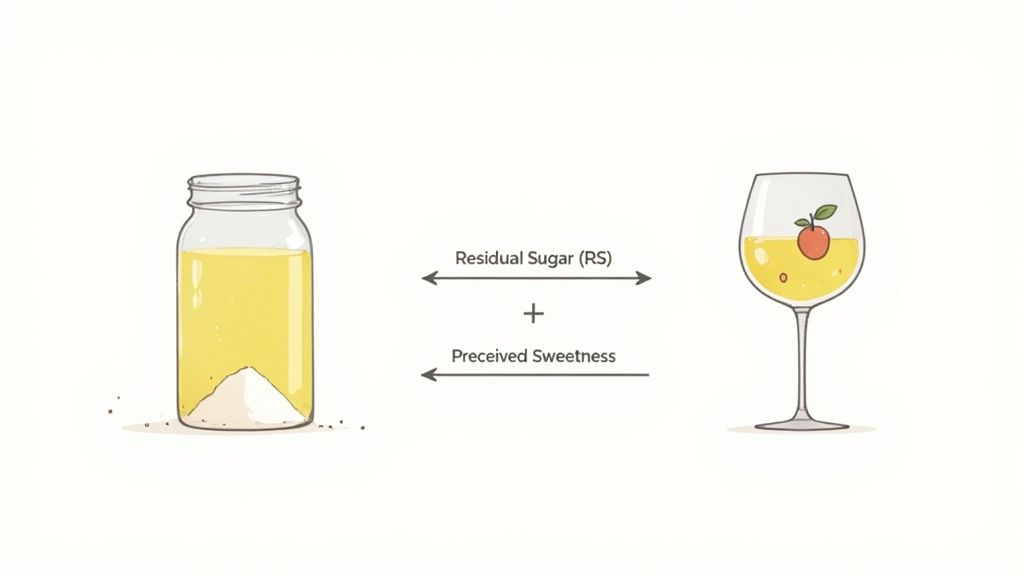
So, what actually makes a red wine taste sweet? It all comes down to something called residual sugar (RS). This is simply the natural grape sugar that gets left behind after the fermentation process is finished.
Think of it like making a batch of sweet tea. If you don't stir all the sugar in properly, the crystals that settle at the bottom make the drink sweeter. Winemaking can work in a similar way. A winemaker can choose to stop fermentation early, before all the sugar has been converted into alcohol, leaving a wine with a noticeable sweetness on the palate.
This is the most direct way to create a sweet red wine. The higher the RS, the sweeter the wine will taste. Simple as that.
The Illusion of Sweetness
But here's where it gets interesting. There’s a fascinating twist called perceived sweetness. Sometimes, a wine can taste sweet even when it’s technically "dry," meaning it has very little to no residual sugar.
This sensation comes from incredibly ripe, intense fruit flavours. A bold Australian Shiraz, for instance, might just explode with jammy blackberry, rich plum, and black cherry notes. These powerful fruit characteristics can trick our brains into thinking we’re tasting sugar when we're really just tasting fruit.
Sensory studies show that many Australian wine consumers have a strong liking for wines with both sweet taste and jammy aromas. One study found that 25% of participants specifically favoured wines with pronounced sweetness, with Shiraz and Grenache being popular for their ability to deliver intense fruit flavours. You can find more details on these consumer flavour preferences.
It's this dual nature of sweetness that makes tasting and understanding wine so rewarding.
Sweetness and Balance
Of course, other elements in the wine have a say in how we perceive its sweetness. Acidity, for instance, acts as a perfect counterweight. A wine with high acidity can taste much less sweet than one with lower acidity, even if they have the exact same amount of residual sugar.
Tannins, those compounds that create that drying sensation in your mouth, also play a part. A wine with softer, smoother tannins will often come across as sweeter and more approachable than a highly tannic one.
Ultimately, it's this delicate dance between sugar, fruit, acid, and tannin that creates a balanced, complex, and thoroughly enjoyable wine.
The Spectrum of Sweet Red Wines
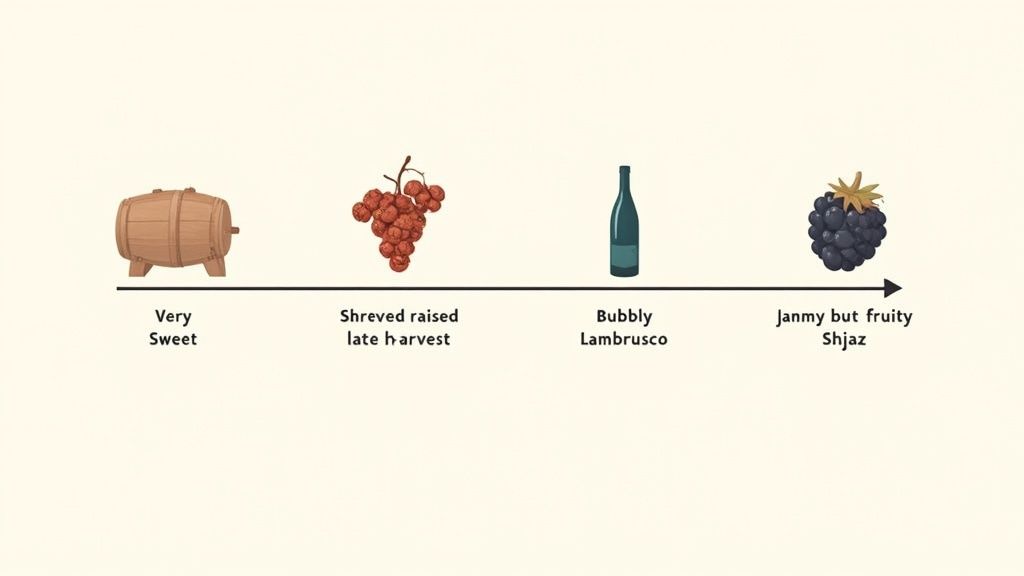
When someone asks for a "sweet red wine," it's helpful to realise that ‘sweet’ isn't a single destination but a wide-ranging journey. Red wines live on a broad spectrum, from just delicately off-dry to intensely luscious, with each style created for a specific purpose.
Getting your head around this spectrum is the key to finding the exact bottle that hits the right spot for you.
Fortified Wines: The Powerhouses of Sweetness
At the very top of the sweetness scale sit the undisputed champions: fortified wines. If you're looking for the most powerful and decadent sweet reds out there, this is where you start.
The term "fortified" simply means that a neutral spirit, usually brandy, is added during fermentation. This clever step stops the yeast from converting all the grape sugars into alcohol, effectively locking in a huge amount of natural sweetness. Australian Tawny and Vintage Fortified Shiraz are classic examples, delivering rich, complex flavours of nuts, caramel, and dried fruit alongside that profound sweetness.
Naturally Sweet and Luscious
Moving down the spectrum, we find late-harvest wines. Unlike their fortified cousins, these wines get all their sweetness naturally, right in the vineyard.
Winemakers leave the grapes on the vine long after the normal harvest date. This extra hang-time lets the grapes dehydrate and shrivel up, almost like raisins, which concentrates their sugars and flavours like you wouldn't believe. The resulting wine is pure, luscious, and intensely fruit-driven.
By allowing grapes to concentrate on the vine, the natural sugar levels can more than double, leading to wines with residual sugar levels that can easily exceed 100 grams per litre, creating a syrupy, nectar-like texture.
Approachable Everyday Sweetness
Finally, we arrive at the most common and approachable end of the spectrum: off-dry and semi-sweet table wines. These are your easy-drinking reds, made for pure enjoyment right now.
These wines have just enough leftover sugar to soften any sharp edges and dial up their fruity character, but without being cloying or overwhelmingly sweet. They’re balanced, versatile, and have a refreshing quality that makes them incredibly popular.
Common styles you might see include:
- Lambrusco Dolce: A bubbly Italian red bursting with bright berry flavours and a gentle sweetness.
- Dornfelder: A German grape often made in a sweeter style, loved for its deep colour and soft texture.
- Fruit-forward Shiraz Blends: Some Aussie producers craft specific blends with a touch of sweetness to appeal to a broader audience.
To make sense of it all, here's a quick comparison of the main styles you'll encounter.
Comparing Sweet Red Wine Styles
| Wine Style | Typical Sweetness Level (Residual Sugar g/L) | Primary Flavours | Common Australian Examples |
|---|---|---|---|
| Fortified | 100-250+ g/L | Caramel, dried figs, raisins, toasted nuts, chocolate | Rutherglen Muscat, Fortified Shiraz, Tawny |
| Late-Harvest | 50-120 g/L | Honey, apricot, jammy red berries, dried fruit | Botrytis Shiraz (rare), Late-Harvest Cabernet Franc |
| Semi-Sweet | 18-45 g/L | Ripe cherry, plum, blackberry jam, sweet spice | Some Dornfelders, commercial red blends |
| Off-Dry | 5-18 g/L | Fresh red berries, subtle fruit sweetness, soft tannins | Lambrusco Dolce, some fruit-forward Shiraz blends |
This table should help you navigate the shelf and find a wine that perfectly matches the level of sweetness you're after.
By mapping out these categories, from the powerhouse fortified wines to the gentle off-dry sippers, you can start to pinpoint exactly where your own sweet spot lies.
Discovering Australia's Best Sweet Red Wines
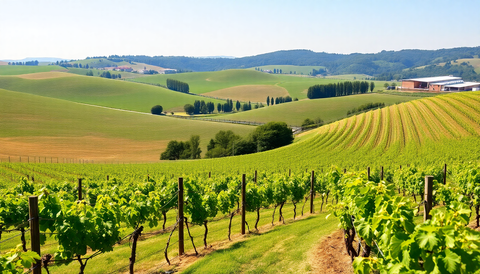
When you start searching for the sweetest red wine, you’ll quickly find that Australia stands tall, producing some of the most celebrated and intense examples in the world. Our unique climate and long winemaking heritage have given rise to iconic regions that are true masters of the sweet, fortified style.
You don’t have to look far. The Barossa Valley and our very own McLaren Vale are famous for powerful Tawny and fortified Shiraz styles. These aren't your average table wines; they develop incredible complexity after spending years, sometimes even decades, resting patiently in barrels. This ageing process concentrates their flavours, creating deep notes of caramel, dried fruit, and nuts that are simply unforgettable.
Legendary Australian Sweet Wine Regions
While the Barossa is a giant in the field, another region holds legendary status for its sweet wines: Rutherglen in Victoria. This area is world-renowned for its Muscats, which are among the most luscious and intensely sweet wines on the entire planet. They offer a syrupy richness that really has to be tasted to be believed.
When you're shopping for these top-tier Australian sweet reds, keep an eye out for a few key terms on the label that will guide you to the best bottles.
- 'Grand' or 'Rare': These aren't just fancy marketing words. They signify a much longer ageing period, which means you're getting a wine with exceptional depth and richness.
- 'Tawny': This points to a fortified wine aged in wood, a process that helps it develop those classic nutty, oxidative characters.
- 'Vintage Fortified': This style is made from a single year's harvest and is often built to age gracefully for many decades to come.
These classifications give you a practical roadmap to finding a truly special bottle. To get a better sense of what's out there, you can also check out our detailed guide on some of Australia's best dessert wines you can order online.
For those seeking the absolute peak of sweetness, Australian Tawny Port styles are a fantastic choice. The 'Rare' and 'Grand' classifications often feature residual sugar content between 100 to 150 grams per litre, placing them firmly among the sweetest wines available anywhere.
How to Serve and Pair Sweet Red Wines
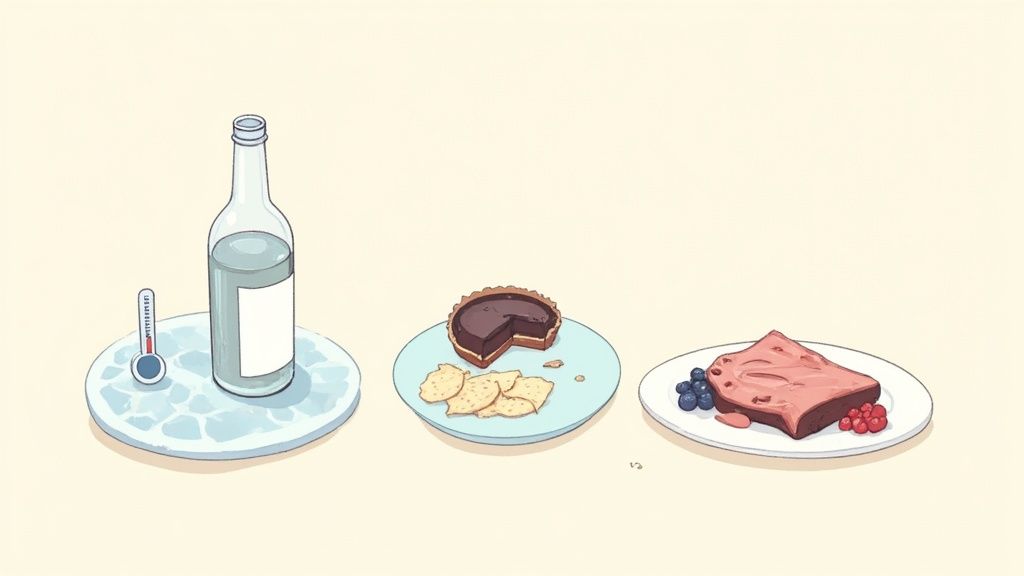
You’ve found the perfect bottle, which is a great start, but how you serve a sweet red can completely change the experience. With just a few simple tweaks, you can unlock the full potential of these luscious wines.
Forget what you might have heard about serving reds at room temperature, that's a common mistake with sweet styles. A bit of a chill is your secret weapon here. For lighter, fruitier reds, aim for around 13°C, while the richer, fortified wines are at their best slightly warmer at about 16°C. This coolness is key; it stops the sweetness from becoming cloying and makes all those lovely fruit flavours pop.
Perfect Pairings for Sweet Reds
This is where the real fun begins. Matching sweet red wine with food can create some truly unforgettable flavour combinations. The trick is to either complement the wine’s sweetness or create a knockout contrast.
For those powerful, nutty wines like an aged Tawny, you can’t go wrong with the classics. Just think about the magic that happens when the wine’s sweetness meets the salty tang of a sharp Stilton cheese. It’s a classic for a reason! It also works wonders with:
- Decadent desserts: A rich, dark chocolate tart is a dream match.
- Simple snacks: A simple bowl of toasted walnuts or almonds will beautifully echo its nutty character.
When it comes to dessert, here’s a golden rule to live by: make sure the wine is at least as sweet, if not sweeter, than the dish. If the food is sweeter, it can make an otherwise delicious wine taste flat or even sour.
Now, for the lighter, fruitier sweet reds, you can be a bit more adventurous. Their bright berry notes are brilliant alongside spicy barbecue ribs, where the wine’s sweetness helps to tame the heat. Unsurprisingly, they are also a natural fit for any dessert that’s loaded with berries.
Got Questions About Sweet Red Wine? We've Got Answers.
Even after you get a handle on the different styles, a few common questions always seem to pop up. Let's clear the air so you can walk into a bottle shop with confidence and walk out with a wine you'll absolutely love.
A big one we hear all the time is whether higher alcohol means a sweeter wine. It's a fair question, especially with fortified wines like Tawny where the two go hand-in-hand. The fortification process is designed to preserve sugar and bump up the alcohol, so they rise together.
But it’s not a hard and fast rule. You could have a premium dry Barossa Shiraz clocking in at a massive 15% alcohol (or more!) thanks to super-ripe grapes, but it will have next to no residual sugar. It’s bold, but it’s definitely not sweet.
Another great question is whether Port is the only game in town. Not a chance! While Port and our Aussie 'Tawny' styles are deservedly famous, the world of sweet reds is surprisingly diverse. You'll find everything from bubbly Italian Lambrusco Dolce to rich, late-harvest Zinfandels from California.
How to Spot a Sweet Red on the Label
Luckily, you don't have to guess. Winemakers leave plenty of clues on the label to guide you. Learning to read the lingo is your best tool for navigating the wine aisle.
Keep an eye out for these key phrases:
- Style Clues: Terms like 'Dessert Wine,' 'Fortified,' 'Late Harvest,' or the Italian word 'Dolce' (which literally means sweet) are your most obvious signs.
- Aussie Lingo: On local bottles, 'Tawny,' 'Vintage Fortified,' or 'Rutherglen Muscat' are dead giveaways for a lusciously sweet style.
- The Tech Specs: If the details are listed, look for Residual Sugar (RS). It's measured in grams per litre (g/L), and anything over 20 g/L is going to taste noticeably sweet.
While still red wine makes up a significant 34% of the Australian wine market's value, the slice for explicitly sweet reds is much smaller. But don't let that fool you, iconic styles from regions like Rutherglen are world-famous for their incredible intensity. Some of those old Muscats can have residual sugar levels soaring over 200 grams per litre! You can dive deeper into these figures in the latest Australian Wine Market Insights Report.
Just remember: 'fruit-forward' doesn't automatically mean sweet. A wine can be described as having 'jammy' or 'ripe' fruit flavours while being completely dry. Always hunt for those specific sweet wine terms to be sure.
With these tips in your back pocket, you can easily tell the difference between a genuinely sweet red and one that's just bursting with rich, fruity character. You'll bring home the perfect bottle every single time.
Ready to explore the delicious world of McLaren Vale's finest wines? At McLaren Vale Cellars, we've curated a stunning collection of reds, whites, and fortifieds perfect for any occasion. Discover your next favourite bottle today!

Comments (0)
There are no comments for this article. Be the first one to leave a message!