
Articles
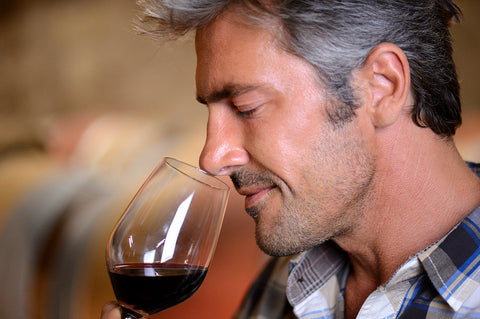
Let's be honest—wine knowledge is intimidating as hell. There are thousands of grape varieties, hundreds of wine regions, and enough pretentious terminology to make your head spin faster than after a bottle of cheap cask wine. But here's the thing: half the people swirling glasses and pontificating about "terroir" and "mouth feel" are probably winging it too.
The good news? You can absolutely fake wine expertise with the right combination of confidence, strategic vocabulary, and well-timed nods. Whether you're trying to impress a date, navigate a work function, or simply avoid looking like a complete muppet at your mate's fancy dinner party, this guide will have you speaking wine-wanker fluent in no time.

Wine pairing has gotten way too serious. Somewhere between the endless debates about which Burgundy goes best with duck confit and the pretentious arguments over whether Sancerre or Chablis complements oysters, we've lost sight of a fundamental truth: good wine makes everything taste better. Even McDonald's.
So when we cracked open a bottle of McLaren Vale Grenache last Friday night and realised we had nothing in the fridge except leftover energy drinks and regret, we did what any reasonable wine lover would do. We hit the Golden Arches and conducted the most important wine pairing experiment of our lives.
The results? Absolutely mind-blowing. Not only did McLaren Vale Grenache pair beautifully with McDonald's classics, but it elevated them in ways that would make a Michelin-starred chef weep with envy. Here's why your next wine night should definitely include a drive-through detour.
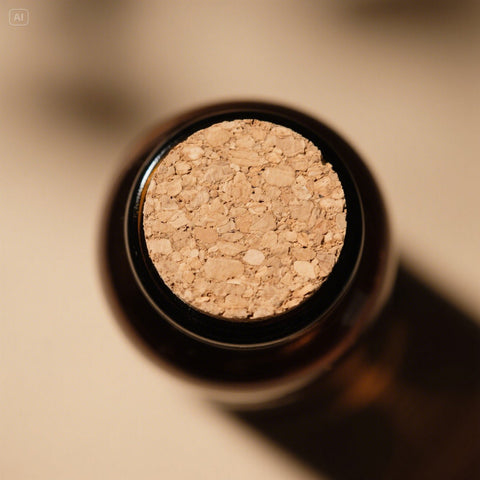
Is cork still king, or has the screwcap sealed the deal for modern winemakers? In this blog, we explore when each closure was invented, why different wineries prefer one over the other, and how they influence wine flavour, ageing, and preservation. Discover the science behind both closures and what today’s trends reveal about wine preferences in Australia.
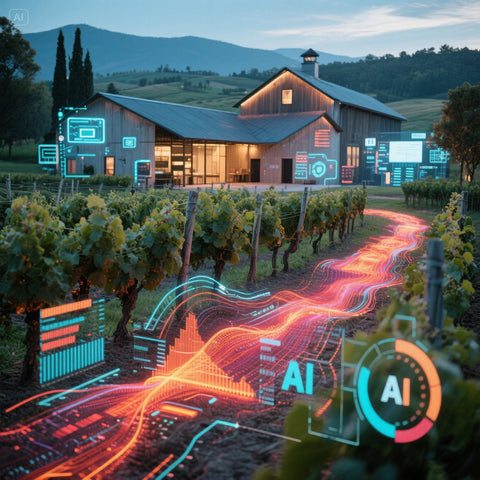
The wine industry is steeped in tradition, romance, and the deeply human art of transforming grapes into liquid poetry. For centuries, winemaking has been viewed as one of humanity's most personal and creative endeavours—a craft that combines agricultural knowledge, scientific understanding, and artistic intuition in ways that seem fundamentally irreplaceable by machines. Yet artificial intelligence is rapidly advancing into every corner of human activity, and winemaking is no exception.
The provocative truth is that AI won't just complement traditional winemaking—it will eventually replace many of the functions we currently consider essential human responsibilities. And rather than representing a loss of artistry or tradition, this transformation might be exactly what the wine industry needs to address its most pressing challenges: climate change, consistency, accessibility, and sustainability.
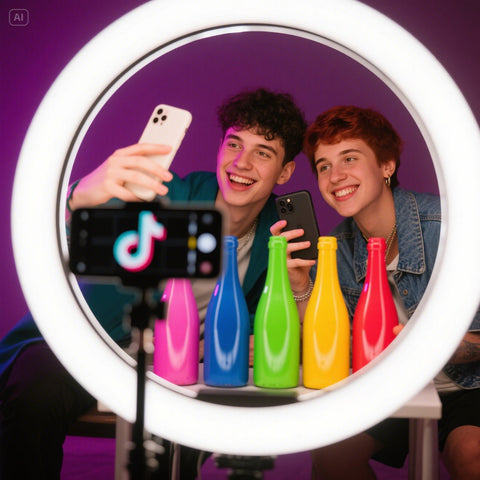
The wine industry is experiencing a seismic shift that's forcing producers, retailers, and marketers to completely rethink their approach. For decades, the industry has catered to Baby Boomers and Generation X, who built their wine knowledge through traditional channels and developed loyalty to specific regions, styles, and brands. But as millennials reach their peak spending years and Generation Z enters the market, the question isn't just whether these younger consumers care about wine—it's whether the wine industry understands what they actually want.
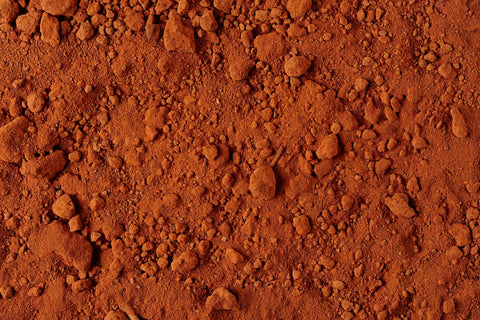
McLaren Vale has rightfully earned its place among the world's most geologically diverse wine regions. Just 40 minutes south of Adelaide, this coastal wine paradise boasts an extraordinary tapestry of soil types and geological formations that translate directly into the distinctive character and complexity of its wines.
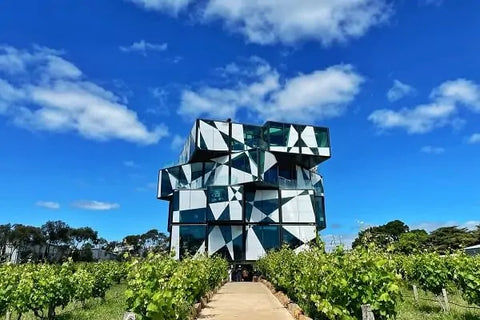
McLaren Vale Wineries List
McLaren Vale is a premium wine region located approximately 40 minutes south of Adelaide, South Australia. The region is home to over 80 cellar doors and more than 160 vineyards. Known for its Shiraz, Grenache, and Cabernet Sauvignon, McLaren Vale also produces excellent Mediterranean varieties including Fiano, Vermentino, and Tempranillo.
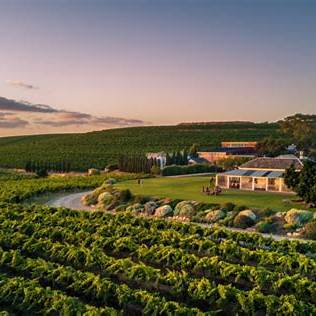
McLaren Vale, with its Mediterranean climate, stunning landscapes, and exceptional wines, offers a rewarding experience year-round. However, each season presents unique advantages and characteristics that may align better with different visitor preferences. Whether you're seeking vibrant harvest activity, peaceful winter tastings, or spring vineyard vistas, understanding McLaren Vale's seasonal rhythm will help you plan the perfect wine country getaway.
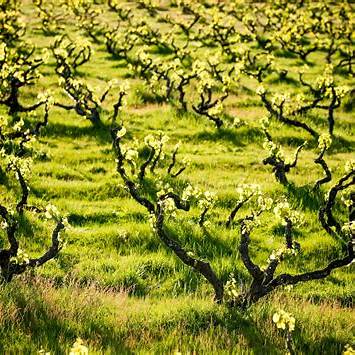
McLaren Vale has established itself as one of Australia's leading regions for sustainable viticulture, with a significant and growing proportion of its vineyards managed under organic and biodynamic certification. While not all McLaren Vale wines are organic or biodynamic, the region has embraced these practices more comprehensively than most Australian wine regions, creating a diverse landscape where conventional, organic, biodynamic, and other sustainable approaches coexist.
