
Articles

The wine industry has a reputation for mystique and romance—rolling hills, ancient traditions, and the almost magical transformation of grapes into wine. While these images aren't entirely false, there's another side to winemaking that most producers prefer to keep behind closed doors. From the unglamorous realities of harvest to the modern interventions that shape your favourite bottles, here are the industry secrets that winemakers rarely discuss openly.
At McLaren Vale Cellars, we believe transparency builds trust. While some aspects of winemaking might shatter romantic illusions, understanding the real process helps wine lovers appreciate the skill, science, and dedication required to create exceptional wine.

Few things can ruin an exceptional bottle of wine faster than prolonged exposure to sunlight. While wine bottles may look beautiful displayed in sunny windows or brightly lit retail environments, light exposure—particularly ultraviolet (UV) light—can irreversibly damage wine, creating off-flavours, unpleasant aromas, and diminished quality that no amount of proper storage can reverse.
Understanding the relationship between wine and light is crucial for anyone who wants to preserve wine quality, whether you're storing a single bottle for dinner or building a collection of age-worthy wines from regions like McLaren Vale.

What Are Fortified Wines?
Fortified wines are produced by adding neutral grape spirit (typically brandy) to wine during or after fermentation. This process serves multiple purposes: it stops fermentation when added early (preserving natural grape sweetness), increases alcohol content to 15-22%, and creates wines with exceptional aging potential.
The fortification process was originally developed as a preservation method for wines that needed to survive long sea voyages. Today, it's celebrated as an art form that produces some of the world's most age-worthy and food-friendly wines.

McLaren Vale's continued success stems from its unique combination of Mediterranean climate, diverse geology, and passionate winemaking community. The region's warm days and cool nights, combined with ancient sea bed soils and ironstone deposits, create ideal conditions for producing Shiraz with both power and elegance.
These rankings, based on Vivino user ratings and updated weekly, reflect the real-world preferences of wine enthusiasts worldwide, making this list a valuable guide for both collectors and casual wine lovers seeking the finest expressions of McLaren Vale Shiraz.

McLaren Vale's success with Shiraz stems from its unique combination of factors. The region's warm Mediterranean climate provides optimal growing conditions, while its diverse geology—from ancient sea beds to iron-rich soils—contributes to the complexity found in these wines. The passionate winemaking community, ranging from multi-generational family operations like Pirramimma and Kay Brothers to innovative newcomers, continues to push the boundaries of what McLaren Vale Shiraz can achieve.
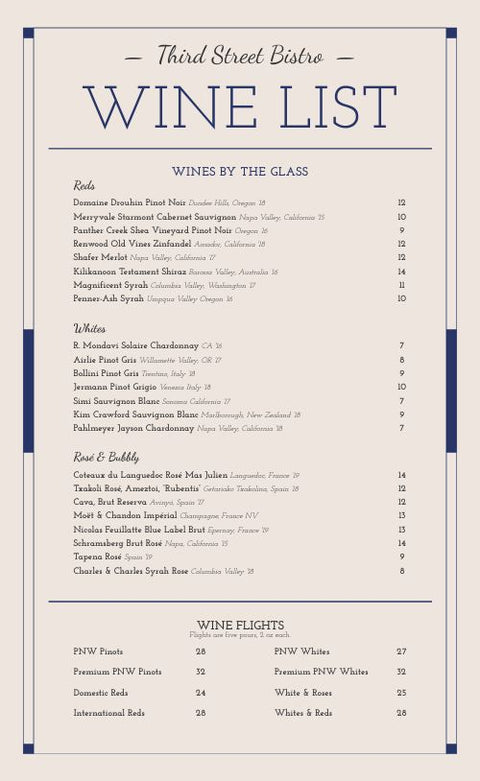
The waiter approaches your table with a leather-bound tome that looks like it could contain the secrets of the universe, but turns out to be the wine list. Suddenly, what should be a simple decision—choosing something to drink with dinner—becomes a high-stakes performance where you're expected to demonstrate sophistication, budget awareness, and psychic knowledge of what your dining companions actually want to drink.
Restaurant wine ordering is one of adulthood's most unnecessarily stressful experiences. You're making decisions about wines you've never tried, at prices that seem to bear no relationship to bottle shop costs, while everyone at the table watches and waits. Get it wrong, and you'll either look like a cheapskate, a show-off, or someone who clearly has no idea what they're doing.
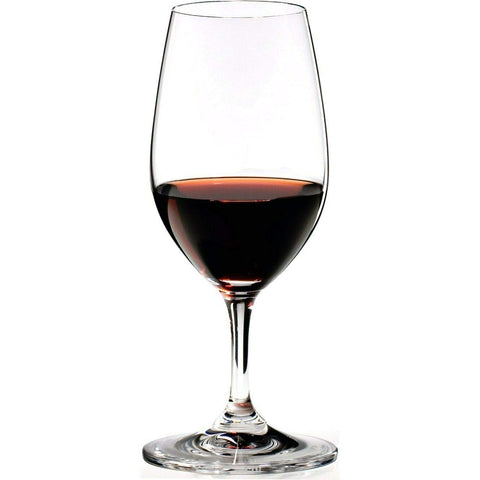
McLaren Vale's reputation today rests largely on its exceptional red wines—bold Shiraz, elegant Grenache, and structured Cabernet Sauvignon that have earned international acclaim. However, long before the region became synonymous with premium table wines, McLaren Vale was building its foundation on an entirely different style of wine: fortified wines. These rich, complex, and long-lived wines not only shaped the early character of McLaren Vale but also represent some of the region's most distinguished and historically significant expressions.
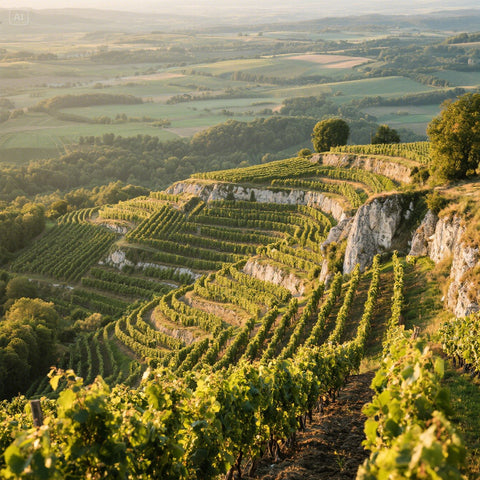
South Australia is home to some of the world's most distinguished wine regions, and among them, the Barossa Valley and McLaren Vale stand as titans, each celebrated for their distinctive contributions to the global wine landscape.
While both regions are acclaimed for their robust red wines, particularly Shiraz, their unique geographical and climatic conditions create fascinating differences in the flavour profiles of their offerings.
This article delves into a comprehensive comparison of McLaren Vale and Barossa Valley wines, examining the influence of vine type, key grape varieties (both red and white), specific soil compositions, and the nuanced effects of weather and rainfall on their viticultural output.
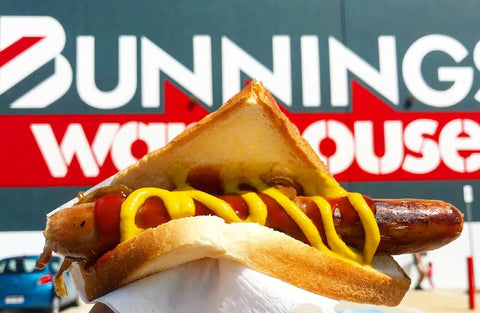
Every weekend, millions of Australians participate in one of our nation's most cherished cultural rituals: the pilgrimage to Bunnings for hardware supplies, inevitably followed by the sacred consumption of a sausage sandwich from the charity sausage sizzle out front. It's a dining experience that transcends class, income, and social status—from tradies grabbing a quick lunch to millionaires slumming it between yacht maintenance sessions, everyone queues up for that perfect combination of slightly overcooked snag, white bread, onions, and sauce.
But here's where it gets interesting: what if we treated the humble Bunnings snag with the same reverence that wine wankers show to their precious drops? What if we approached this iconic Australian meal with the same analytical rigour that sommeliers bring to degustation menus? The result would be the most democratically accessible fine dining experience in the country—and possibly the most authentically Australian wine pairing ever conceived.
