
Articles

McLaren Vale's success with Shiraz stems from its unique combination of factors. The region's warm Mediterranean climate provides optimal growing conditions, while its diverse geology—from ancient sea beds to iron-rich soils—contributes to the complexity found in these wines. The passionate winemaking community, ranging from multi-generational family operations like Pirramimma and Kay Brothers to innovative newcomers, continues to push the boundaries of what McLaren Vale Shiraz can achieve.
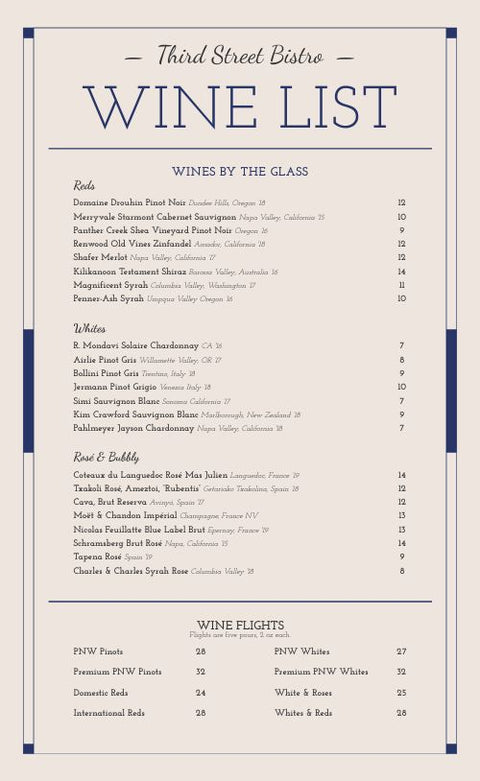
The waiter approaches your table with a leather-bound tome that looks like it could contain the secrets of the universe, but turns out to be the wine list. Suddenly, what should be a simple decision—choosing something to drink with dinner—becomes a high-stakes performance where you're expected to demonstrate sophistication, budget awareness, and psychic knowledge of what your dining companions actually want to drink.
Restaurant wine ordering is one of adulthood's most unnecessarily stressful experiences. You're making decisions about wines you've never tried, at prices that seem to bear no relationship to bottle shop costs, while everyone at the table watches and waits. Get it wrong, and you'll either look like a cheapskate, a show-off, or someone who clearly has no idea what they're doing.
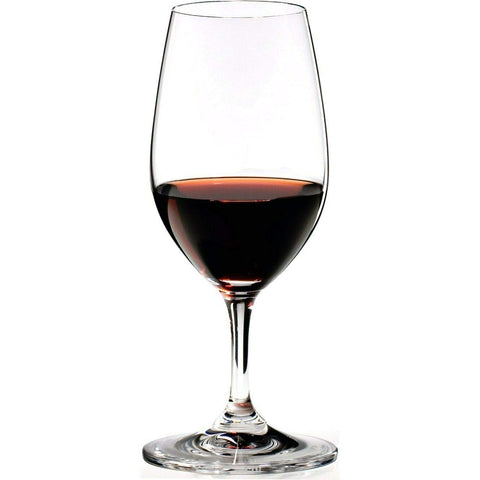
McLaren Vale's reputation today rests largely on its exceptional red wines—bold Shiraz, elegant Grenache, and structured Cabernet Sauvignon that have earned international acclaim. However, long before the region became synonymous with premium table wines, McLaren Vale was building its foundation on an entirely different style of wine: fortified wines. These rich, complex, and long-lived wines not only shaped the early character of McLaren Vale but also represent some of the region's most distinguished and historically significant expressions.
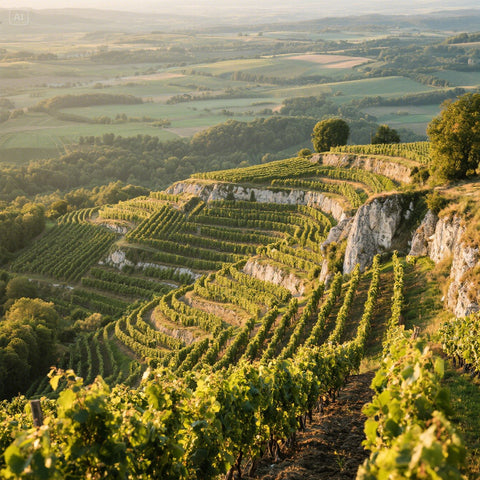
South Australia is home to some of the world's most distinguished wine regions, and among them, the Barossa Valley and McLaren Vale stand as titans, each celebrated for their distinctive contributions to the global wine landscape.
While both regions are acclaimed for their robust red wines, particularly Shiraz, their unique geographical and climatic conditions create fascinating differences in the flavour profiles of their offerings.
This article delves into a comprehensive comparison of McLaren Vale and Barossa Valley wines, examining the influence of vine type, key grape varieties (both red and white), specific soil compositions, and the nuanced effects of weather and rainfall on their viticultural output.

Every weekend, millions of Australians participate in one of our nation's most cherished cultural rituals: the pilgrimage to Bunnings for hardware supplies, inevitably followed by the sacred consumption of a sausage sandwich from the charity sausage sizzle out front. It's a dining experience that transcends class, income, and social status—from tradies grabbing a quick lunch to millionaires slumming it between yacht maintenance sessions, everyone queues up for that perfect combination of slightly overcooked snag, white bread, onions, and sauce.
But here's where it gets interesting: what if we treated the humble Bunnings snag with the same reverence that wine wankers show to their precious drops? What if we approached this iconic Australian meal with the same analytical rigour that sommeliers bring to degustation menus? The result would be the most democratically accessible fine dining experience in the country—and possibly the most authentically Australian wine pairing ever conceived.
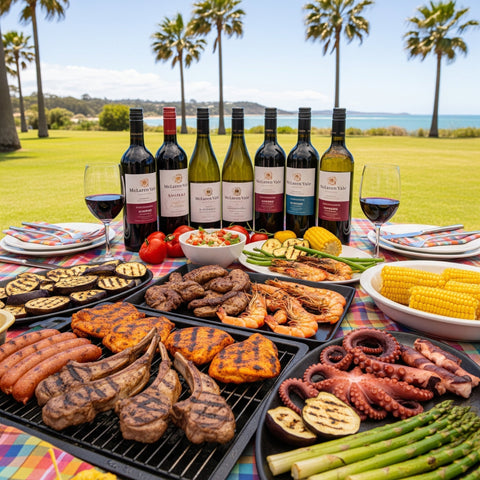
This guide explores pairing McLaren Vale wines with Australian BBQ, covering lamb, steak, sausages, pork, chicken, seafood, and vegetables. It outlines basic pairing rules, the impact of sauces, and climate considerations for year-round enjoyment. The blog links directly to McLaren Vale Cellars' specific wine collections, encouraging readers to discover the perfect bottle to elevate their next barbecue feast.

Office parties and wine create a perfect storm of potential career disasters. One minute you're making polite conversation with Karen from accounting, the next you're three glasses deep explaining to your boss why the quarterly reports are "like, really just numbers, you know?" Meanwhile, someone from HR is taking mental notes about your "unprofessional behaviour" and your colleagues are filing away ammunition for future office gossip.
The problem with office parties isn't the wine itself—it's that mixing alcohol with workplace politics, professional hierarchies, and people you see every day creates a social minefield where one wrong step can echo through the office for months. You want to be sociable and join in the celebration, but you also want to show up to work on Monday without anyone having stories about your behaviour.
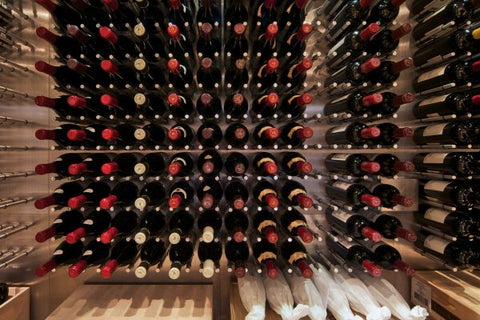
You've caught the wine bug. You're discovering bottles you actually want to drink again, finding wines worth saving for special occasions, and maybe even starting to understand what people mean when they talk about "cellaring" wine. There's just one problem: you live in a space so small that your kitchen consists of two burners and a bar fridge, your wardrobe doubles as a linen closet, and the only "cellar" you have is the space under your bed where you store shoes and regret.
The dream of having a proper wine cellar—temperature-controlled, humidity-managed, with elegant wooden racks and bottles aging gracefully in the darkness—seems as realistic as owning a vineyard. But here's the secret that wine collectors don't want you to know: you don't need a mansion or a purpose-built cellar to store wine properly. With some creativity, basic knowledge, and strategic planning, even the tiniest apartment can accommodate a respectable wine collection.

The text message seems innocent enough: "Mum and Dad want to meet you—come over for dinner Sunday." But buried in those casual words is one of adulthood's most treacherous challenges: choosing wine to bring when meeting your partner's parents for the first time. Suddenly, a simple bottle selection becomes a high-stakes diplomatic mission where the wrong choice could brand you as either a cheapskate, a show-off, or someone with questionable judgment.
This isn't just about wine—it's about first impressions, family dynamics, cultural expectations, and the delicate art of showing respect without appearing to try too hard. Your wine choice will be analysed, discussed, and quite possibly remembered at family gatherings for years to come. No pressure at all.
