
As a wine enthusiast, you've likely experienced the phenomenon where a wine you've enjoyed at a winery or restaurant just doesn't seem to taste the same when you open a bottle at home. This can be a frustrating experience, leaving you wondering what's changed and why the wine doesn't seem to live up to the memory of that first sip.
The truth is, there are several factors that can contribute to this difference in taste, and understanding them can help you better appreciate and enjoy your wine, no matter where you're drinking it.
The Importance of Atmosphere
One of the most significant factors that can influence the way a wine tastes is the environment in which it's consumed. Wineries and restaurants often create a carefully curated atmosphere that can enhance the wine-drinking experience.
From the ambiance of the tasting room or dining area to the glassware used, the setting plays a crucial role in how we perceive the wine. The sights, sounds, and even the smells of a winery can all contribute to our overall impression of the wine, making it seem more vibrant and flavorful than it might when enjoyed in the more familiar surroundings of our own homes.
Additionally, the social aspect of drinking wine at a winery or restaurant can also play a role. The act of sharing the experience with others, engaging in conversation, and perhaps even learning about the wine from a knowledgeable server or sommelier can all heighten our senses and make the wine seem more memorable.
The Impact of Glassware
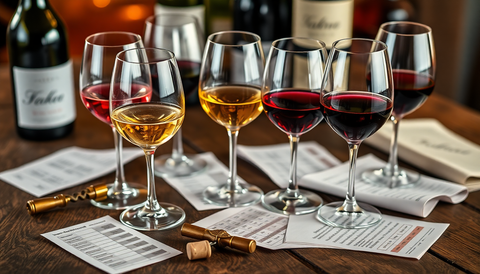
Another factor that can significantly impact the way a wine tastes is the type of glassware used. Wineries and restaurants often invest in high-quality, properly shaped glasses that are designed to enhance the wine's aromas and flavors.
The shape of the glass can affect the way the wine interacts with the air, influencing the release of volatile compounds that contribute to the wine's aroma and taste. A wider, more open glass, for example, may allow more oxygen to interact with the wine, resulting in a more pronounced bouquet and a softer, more integrated mouthfeel.
In contrast, the glassware used at home may not be as well-suited to the specific wine being enjoyed, leading to a less than optimal tasting experience. This is why it's often recommended to invest in a set of quality wine glasses that are appropriate for the types of wines you typically drink.
Temperature Variations
The temperature at which a wine is served can also play a significant role in how it tastes. Wineries and restaurants often have temperature-controlled environments that ensure the wine is served at the optimal temperature, which can vary depending on the style of wine.
For example, a crisp, refreshing white wine may taste best when served chilled, while a bold, full-bodied red wine may benefit from being served slightly warmer. When a wine is served at the wrong temperature, it can mute or exaggerate certain flavors, leading to a less than satisfactory tasting experience.
At home, it can be more challenging to maintain the ideal serving temperature, especially if the wine is stored in a less than ideal environment, such as a refrigerator or a warm room. This can result in the wine tasting different than it did at the winery or restaurant.
The Importance of Decanting
Decanting is another important factor that can influence the way a wine tastes. Wineries and restaurants often have the resources and expertise to properly decant wines, which can help to aerate the wine and allow it to open up and reveal its full range of flavors and aromas.
Decanting can be particularly beneficial for older, more complex wines, as it can help to soften tannins and integrate the various components of the wine. However, the process of decanting can be more challenging to replicate at home, especially for those who are less experienced with it.
As a result, a wine that may have tasted exceptional when decanted at a winery or restaurant may not have the same level of complexity or balance when enjoyed at home without the benefit of proper decanting.
The Role of Food Pairings
Finally, the way a wine is paired with food can also impact its perceived taste. Wineries and restaurants often have skilled chefs or sommeliers who carefully curate food and wine pairings, ensuring that the flavors of the wine and the food complement and enhance one another.
At home, it can be more challenging to achieve the same level of synergy between the wine and the food. The flavors of the meal, the way it's prepared, and the overall balance of the dish can all influence the way the wine is perceived.
Additionally, the presence of certain foods or ingredients can either amplify or mute certain flavors in the wine, leading to a different tasting experience than what was enjoyed at the winery or restaurant.
Conclusion
In the end, the difference in the way a wine tastes at home versus at a winery or restaurant can be attributed to a variety of factors, from the atmosphere and glassware to temperature variations and food pairings. By understanding these factors, wine enthusiasts can take steps to recreate the optimal conditions for enjoying their favorite wines, whether they're sipping them at a winery or in the comfort of their own homes.
At McLaren Vale Cellars, we're committed to helping our customers better understand and appreciate the nuances of wine. We offer a curated selection of premium local wines, as well as expert guidance on everything from proper glassware to food pairings. Whether you're a seasoned wine connoisseur or just starting to explore the world of wine, we're here to help you make the most of every sip.
So, the next time you open a bottle of wine at home and it doesn't quite live up to your expectations, take a moment to consider the various factors that may be at play. With a little bit of knowledge and some experimentation, you can learn to recreate the magic of the winery experience right in your own home.
Exploring the Nuances of Wine
Wine is a complex and ever-evolving beverage, with countless variables that can influence its taste and aroma. From the terroir of the vineyard to the winemaking techniques used, each bottle of wine is a unique expression of its origins and the winemaker's craft.
One of the most fascinating aspects of wine is the way it can transform and evolve over time. As a wine ages, its flavors and aromas can change dramatically, revealing new layers of complexity and nuance. This is why many wine enthusiasts enjoy the process of cellaring and aging their favorite bottles, eagerly anticipating the moment when they can uncover the hidden depths of a mature wine.
At McLaren Vale Cellars, we take great pride in our selection of premium local wines, each of which offers a unique and captivating tasting experience. Whether you're exploring the bold, fruit-forward Shiraz of the McLaren Vale region or the delicate, elegant Chardonnays, our knowledgeable staff is always on hand to guide you through the tasting process and help you discover new favorites.
One of the keys to truly appreciating the nuances of wine is to approach each tasting with an open mind and a willingness to explore. By paying attention to the wine's appearance, aroma, and mouthfeel, you can begin to uncover the subtle flavors and textures that make each bottle so special.
For example, a well-structured Cabernet Sauvignon may reveal notes of black cherry, tobacco, and graphite, while a crisp, refreshing Sauvignon Blanc might offer bright citrus and herbaceous aromas. By taking the time to savor and analyze these flavors, you can develop a deeper understanding and appreciation for the art of winemaking.
Of course, the tasting experience is not just about the wine itself – it's also about the environment in which it's enjoyed. As we've discussed, the atmosphere, glassware, and food pairings can all play a significant role in how a wine is perceived and appreciated.
At McLaren Vale Cellars, we strive to create an environment that is conducive to the exploration and enjoyment of wine. Our tasting room is designed to be a welcoming and relaxing space, where customers can take their time and immerse themselves in the world of wine.
Whether you're a seasoned wine enthusiast or just starting to explore the world of viticulture, we encourage you to visit us at McLaren Vale Cellars and discover the magic of our local wines. With our expert guidance and curated selection, you'll be well on your way to unlocking the secrets of the grape and cultivating a deeper appreciation for the art of winemaking.
The Importance of Terroir
One of the most fascinating aspects of wine is the concept of terroir – the unique combination of environmental factors that contribute to the character and flavor of a particular wine. From the soil composition and climate to the elevation and aspect of the vineyard, every element of the terroir plays a crucial role in shaping the final product.
At McLaren Vale Cellars, we take great pride in showcasing the exceptional terroir of the McLaren Vale region, which is renowned for its ability to produce world-class wines. The Mediterranean climate, with its warm, dry summers and mild, wet winters, provides the perfect conditions for growing a wide variety of grape varieties, each of which thrives in the region's unique microclimate.
The soils of the McLaren Vale are equally diverse, ranging from the rich, alluvial soils of the valley floors to the rugged, rocky slopes of the surrounding hills. This diversity of soil types, combined with the region's gentle slopes and excellent drainage, allows winemakers to cultivate grapes with exceptional concentration and complexity of flavor.
One of the most celebrated grape varieties in the McLaren Vale is the Shiraz, which has become synonymous with the region's winemaking prowess. The warm, sunny days and cool, coastal breezes of the McLaren Vale provide the perfect conditions for this robust, full-bodied red, resulting in wines that are rich, concentrated, and bursting with ripe, dark fruit flavors.
But the terroir of the McLaren Vale is not limited to just the Shiraz grape. The region is also renowned for its exceptional Cabernet Sauvignon, Grenache, and Chardonnay, each of which has been shaped by the unique environmental factors of the area.
For example, the Cabernet Sauvignon of the McLaren Vale is often characterized by its deep, inky color and bold, structured tannins, which are a direct result of the region's warm, dry climate and well-drained soils. Similarly, the Grenache of the McLaren Vale is known for its bright, juicy fruit flavors and silky, approachable tannins, which are a reflection of the region's Mediterranean-influenced terroir.
At McLaren Vale Cellars, we believe that understanding the terroir of a wine is essential to truly appreciating its unique character and flavor profile. That's why we take great care to educate our customers about the environmental factors that contribute to the wines we offer, from the specific soil compositions to the microclimates of the individual vineyards.
By exploring the terroir of the McLaren Vale, our customers can gain a deeper understanding and appreciation for the wines they're enjoying, and can better appreciate the hard work and dedication of the winemakers who have harnessed the region's natural resources to create truly exceptional products.
Whether you're a seasoned wine enthusiast or just starting to explore the world of viticulture, we invite you to visit McLaren Vale Cellars and discover the magic of the region's terroir for yourself. With our expert guidance and curated selection of premium local wines, you'll be well on your way to unlocking the secrets of the grape and cultivating a deeper appreciation for the art of winemaking.
The Art of Blending
One of the most fascinating aspects of winemaking is the art of blending, where winemakers carefully combine different grape varieties, vineyards, and even vintages to create a harmonious and complex final product.
At McLaren Vale Cellars, we take great pride in showcasing the exceptional blended wines that have emerged from the region's rich winemaking tradition. From the classic Bordeaux-style blends of Cabernet Sauvignon and Merlot to the innovative and boundary-pushing GSM (Grenache, Shiraz, Mourvèdre) blends, the McLaren Vale has become renowned for its ability to produce world-class, multi-dimensional wines.
One of the key reasons for the success of these blended wines is the diversity of the region's terroir. The McLaren Vale is home to a wide range of microclimates and soil types, each of which can impart unique flavors and characteristics to the grapes grown there. By carefully selecting and blending these different components, winemakers are able to create wines that are greater than the sum of their parts, with layers of complexity and depth that simply can't be achieved with a single grape variety.
For example, a classic Cabernet Sauvignon-Merlot blend from the McLaren Vale might feature the bold, structured tannins and dark fruit flavors of the Cabernet Sauvignon, balanced by the softer, more approachable tannins and plush, velvety mouthfeel of the Merlot. The result is a wine that is both powerful and elegant, with a harmonious interplay of flavors that can only be achieved through the art of blending.
Similarly, a GSM blend from the McLaren Vale might showcase the bright, juicy red fruit flavors of the Grenache, the rich, spicy notes of the Shiraz, and the firm, structured tannins of the Mourvèdre, all coming together to create a wine that is both complex and highly drinkable.
At McLaren Vale Cellars, we take great pride in our selection of exceptional blended wines, each of which has been crafted with the utmost care and attention to detail. Our knowledgeable staff is always on hand to guide our customers through the tasting process, helping them to understand the nuances of each blend and the ways in which the different grape varieties work together to create a truly exceptional final product.
Whether you're a seasoned wine enthusiast or just starting to explore the world of viticulture, we encourage you to visit McLaren Vale Cellars and discover the magic of the region's blended wines. With our expert guidance and curated selection, you'll be well on your way to unlocking the secrets of the grape and cultivating a deeper appreciation for the art of winemaking.
The Importance of Sustainability
As the world becomes increasingly conscious of the environmental impact of our actions, the wine industry has been at the forefront of the sustainability movement, with many producers and regions taking steps to reduce their carbon footprint and promote more eco-friendly practices.
At McLaren Vale Cellars, we are proud to be part of this movement, and we are committed to showcasing the exceptional wines that have been produced through sustainable and environmentally-conscious methods.
One of the key aspects of sustainable winemaking in the McLaren Vale is the region's focus on organic and biodynamic viticulture. Many of the vineyards in the area have adopted these practices, which eschew the use of synthetic fertilizers and pesticides in favor of more natural, holistic approaches to soil and vine management.
By working in harmony with the natural ecosystem, these vineyards are able to produce grapes that are not only healthier and more flavorful, but also more resilient to the challenges posed by climate change and other environmental factors.
In addition to sustainable viticulture, the McLaren Vale region has also been at the forefront of water conservation and waste management initiatives. Many wineries in the area have implemented innovative technologies and practices to reduce their water usage, recycle their waste, and minimize their overall environmental impact.
For example, some wineries in the McLaren Vale have installed solar panels to power their operations, while others have implemented advanced wastewater treatment systems to recycle and reuse their water resources. These efforts not only help to reduce the region's carbon footprint, but also contribute to the long-term sustainability of the wine industry as a whole.
At McLaren Vale Cellars, we are proud to showcase the exceptional wines that have been produced through these sustainable and environmentally-conscious methods. Our curated selection of premium local wines includes many bottles that have been crafted with a deep respect for the land and a commitment to preserving the natural resources that make the McLaren Vale such a special place.
Whether you're a seasoned wine enthusiast or just starting to explore the world of viticulture, we encourage you to visit McLaren Vale Cellars and discover the magic of the region's sustainable wines. With our expert guidance and commitment to environmental stewardship, you'll be well on your way to cultivating a deeper appreciation for the art of winemaking and the importance of sustainability in the industry.
Conclusion
In conclusion, the difference in the way a wine tastes at home versus at a winery or restaurant can be attributed to a variety of factors, from the atmosphere and glassware to temperature variations and food pairings. By understanding these factors, wine enthusiasts can take steps to recreate the optimal conditions for enjoying their favorite wines, whether they're sipping them at a winery or in the comfort of their own homes.
At McLaren Vale Cellars, we're committed to helping our customers better understand and appreciate the nuances of wine. We offer a curated selection of premium local wines, as well as expert guidance on everything from proper glassware to food pairings. Whether you're a seasoned wine connoisseur or just starting to explore the world of wine, we're here to help you make the most of every sip.
So, the next time you open a bottle of wine at home and it doesn't quite live up to your expectations, take a moment to consider the various factors that may be at play. With a little bit of knowledge and some experimentation,
Comments (0)
There are no comments for this article. Be the first one to leave a message!