
As a winemaker, you are constantly faced with a myriad of decisions that can make or break the quality of your wine. From the moment the grapes are harvested to the final bottling, each step in the winemaking process requires careful consideration and a keen understanding of the science and art behind it. In this blog post, we'll explore some of the most stressful decisions that winemakers must grapple with, and how they navigate these challenges to produce exceptional wines.
Grape Harvesting
One of the most critical decisions a winemaker must make is when to harvest the grapes. This decision is heavily influenced by factors such as sugar levels, acidity, and phenolic ripeness, all of which can vary significantly depending on the weather conditions and the specific characteristics of the vintage. Harvesting too early can result in underripe, acidic wines, while waiting too long can lead to overripe, flabby wines with high alcohol content.
Winemakers must carefully monitor the grapes throughout the growing season, taking regular samples and analyzing the data to determine the optimal harvest time. This process can be particularly stressful in years with unpredictable weather patterns, where a sudden heatwave or rainstorm can dramatically alter the grapes' development and force the winemaker to make a quick decision.
Fermentation Management
Once the grapes have been harvested, the winemaker must then manage the fermentation process, which is a delicate and complex undertaking. The choice of yeast strain, fermentation temperature, and maceration techniques can all have a significant impact on the final wine's flavor, aroma, and structure.
Winemakers must carefully monitor the fermentation, adjusting parameters as needed to ensure that the process is progressing as expected. This can be particularly challenging in years where the grapes exhibit unusual characteristics, such as high sugar levels or low acidity, which can require the winemaker to make adjustments to the fermentation protocol.
Additionally, the winemaker must decide when to press the wine off the skins and seeds, as this can have a significant impact on the wine's tannin profile and mouthfeel. Pressing too early can result in a wine that is too light and delicate, while waiting too long can lead to a wine that is overly tannic and astringent.
Oak Aging
The decision of whether to age the wine in oak barrels, and if so, which type of oak and for how long, is another critical decision that can significantly impact the final wine. Oak aging can impart a range of flavors and aromas, from vanilla and spice to toasted notes and a creamy mouthfeel.
Winemakers must carefully consider the specific characteristics of the wine, the desired flavor profile, and the budget constraints when making this decision. Aging a wine in new oak barrels, for example, can be an expensive proposition, but it can also add complexity and depth to the wine. Conversely, using older, neutral oak barrels can be a more cost-effective option, but may not provide the same level of oak influence.
Additionally, the duration of the oak aging process can also be a source of stress for winemakers. Aging a wine for too long can result in a wine that is overly oaky and out of balance, while not aging it long enough can leave the wine feeling flat and one-dimensional.
Blending
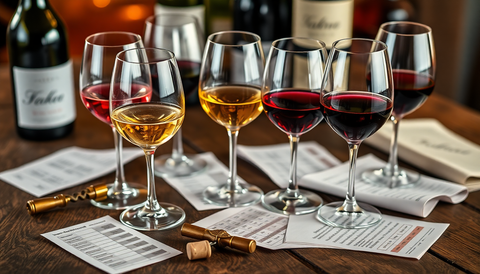
The final, and perhaps most challenging, decision that winemakers must make is how to blend the various components of the wine. This process involves carefully tasting and analyzing each individual lot of wine, and then determining the optimal blend that will result in a harmonious and balanced final product.
Winemakers must consider a range of factors when blending, including the individual characteristics of each lot, the desired flavor profile, and the overall style of the wine. This can be a particularly stressful decision, as the success or failure of the blend can have a significant impact on the wine's commercial success and the winemaker's reputation.
Additionally, winemakers must often make blending decisions under tight time constraints, as the wine must be bottled and released to the market in a timely manner. This can add to the stress and pressure of the decision-making process.
Conclusion
Winemaking is a complex and multifaceted endeavor, and the decisions that winemakers must make can be incredibly stressful. From grape harvesting to oak aging and blending, each step in the process requires careful consideration and a deep understanding of the science and art of winemaking.
By navigating these challenges with skill, creativity, and a commitment to quality, winemakers are able to produce exceptional wines that capture the unique character of their terroir and the vintage. It is this dedication and passion that makes the winemaking profession so rewarding, and why so many wine enthusiasts around the world are captivated by the art of winemaking.
References
- Robinson, J. (2006). The Oxford Companion to Wine. Oxford University Press.
- Peynaud, E. (1984). Knowing and Making Wine. Wiley.
- Boulton, R. B., Singleton, V. L., Bisson, L. F., & Kunkee, R. E. (1996). Principles and Practices of Winemaking. Springer.

Comments (0)
There are no comments for this article. Be the first one to leave a message!