
In the ever-evolving world of wine, the role of wine scores has long been a topic of debate and discussion. As consumers, we've grown accustomed to relying on these numerical ratings to guide our purchasing decisions, but in recent years, the relevance of wine scores has come into question. In this blog post, we'll explore the current state of wine scores, their impact on the industry, and whether they still hold the same weight they once did.
The Rise of Wine Scores
The concept of wine scores can be traced back to the 1970s, when influential critics like Robert Parker began to popularize the use of a 100-point scale to evaluate and rate wines. This system quickly gained traction, as it provided a seemingly objective way for consumers to assess the quality of a wine before making a purchase.
The appeal of wine scores was undeniable. They offered a simple, easy-to-understand metric that could be used to compare and contrast different wines. Consumers could quickly identify high-scoring bottles and feel confident in their selections, while producers could use these ratings to market their wines and command higher prices.
The Changing Landscape of Wine Criticism
Over the years, the wine industry has evolved, and with it, the landscape of wine criticism has shifted. While the 100-point scale remains a dominant force, a growing number of critics and consumers have begun to question its validity and relevance.
One of the primary criticisms of the 100-point system is its inherent subjectivity. Despite the appearance of objectivity, wine tasting and evaluation are highly subjective experiences, influenced by individual preferences, biases, and even the taster's mood on a given day. This has led to concerns about the consistency and reliability of wine scores, as different critics may assign vastly different ratings to the same wine.
Moreover, the proliferation of wine critics and rating systems has created a crowded and sometimes confusing landscape. Consumers are now faced with a multitude of scores and opinions, making it increasingly difficult to navigate the wine world and make informed purchasing decisions.
The Rise of Alternative Approaches
In response to the limitations of the traditional 100-point system, some wine critics and enthusiasts have begun to explore alternative approaches to evaluating and discussing wine.
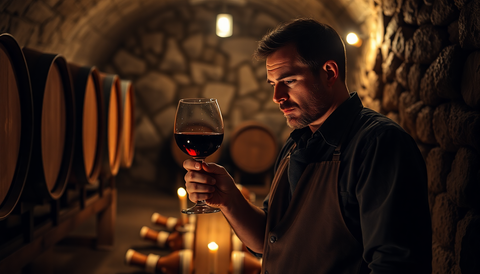
One such approach is the use of descriptive tasting notes, which focus on the sensory experience of the wine rather than a numerical score. These notes provide a more nuanced and detailed account of the wine's aroma, flavor, and overall character, allowing consumers to better understand the wine and make more informed decisions.
Another emerging trend is the emphasis on terroir, or the unique environmental factors that contribute to a wine's character. By highlighting the importance of place and the artistry of winemaking, these approaches encourage consumers to explore and appreciate the diversity of the wine world, rather than relying solely on numerical ratings.
The Future of Wine Scores
As the wine industry continues to evolve, the role of wine scores is likely to change as well. While they may not disappear entirely, it's clear that their influence is waning, as consumers and critics seek more holistic and meaningful ways to engage with and evaluate wine.
One potential future for wine scores is a more balanced and contextual approach, where numerical ratings are just one of many tools used to assess and discuss wine. This could involve incorporating additional factors, such as food pairing recommendations, aging potential, and the unique stories and histories behind each bottle.
Ultimately, the relevance of wine scores will depend on the willingness of both consumers and the industry to embrace a more nuanced and multifaceted approach to wine appreciation. By focusing on the intrinsic qualities of wine, rather than relying solely on numerical ratings, we can cultivate a deeper understanding and appreciation for the art of winemaking.
Conclusion
In the ever-changing landscape of the wine world, the role of wine scores is undoubtedly in flux. While they have long been a dominant force in the industry, the limitations of the 100-point system have become increasingly apparent, leading to a growing demand for more holistic and meaningful ways to engage with and evaluate wine.
As we move forward, it will be up to both consumers and the industry to determine the future of wine scores. By embracing a more balanced and contextual approach, we can cultivate a deeper appreciation for the art of winemaking and the unique stories and terroirs that make each bottle so special.
Whether wine scores remain relevant or fade into the background, one thing is certain: the world of wine will continue to evolve, and those who are willing to explore and discover the nuances of this fascinating industry will be richly rewarded.

Comments (0)
There are no comments for this article. Be the first one to leave a message!