
You've brought home a McLaren Vale Shiraz that tasted rich, warm and generous at the cellar door. A few months later, you open it with Sunday roast and wonder why the fruit feels tighter than you remembered. The bottle probably hasn't failed. You may be tasting a wine whose tannins and oak still need time to settle.
Good cellaring isn't about hiding wine and hoping for magic. It's about giving a suitable bottle a steady, quiet environment so its fruit, acidity and tannin can develop together. This wine cellaring guide focuses on the Australian home reality, from apartments and garages to cupboards, and on choosing McLaren Vale bottles that can reward patience.
Introduction to Cellaring and Why Patience Pays Off
A young McLaren Vale Shiraz can lead with blackberry, plum, spice and firm tannin. Tannin is the drying sensation that grips your gums, much like strong black tea. With time, that grip can feel smoother, the fruit can become less overtly primary, and savoury notes such as earth, leather, spice and dried herbs can begin to share the glass.
That change doesn't happen because age automatically improves every bottle. Wine needs enough structure to travel well, and the storage environment needs to protect that structure. A soft, fruit-driven wine may be delicious now but offer little reason to wait, while a balanced red with concentration, acidity and firm tannin may become more layered after years in bottle.
The cellar hand's rule: Don't ask only whether a wine is expensive. Ask whether it has the structure, balance and vintage quality to make time worthwhile.
Cellaring suits drinkers who enjoy watching a wine evolve, rather than those who want every bottle at its most immediate and fruity. It also suits anyone who likes matching wine to future meals. A young Shiraz might suit a barbecue, while a more developed bottle can bring savoury depth to slow-cooked lamb, mushroom dishes or a mature cheese plate.
Patience also needs a plan. Decide where the bottle will live, check whether that location remains stable through Australian summer and winter, and record when you bought it. Then choose a drinking window that reflects the wine's style, vintage and closure rather than relying on a broad rule for all reds.
The most useful approach is simple: buy more than one bottle when you can, taste one while it's young, and keep notes. Your own palate will tell you whether you prefer bright fruit, softened tannin or fully developed savoury character. That knowledge is more valuable than following someone else's idea of the perfect moment.
How to Create Ideal Cellar Conditions at Home
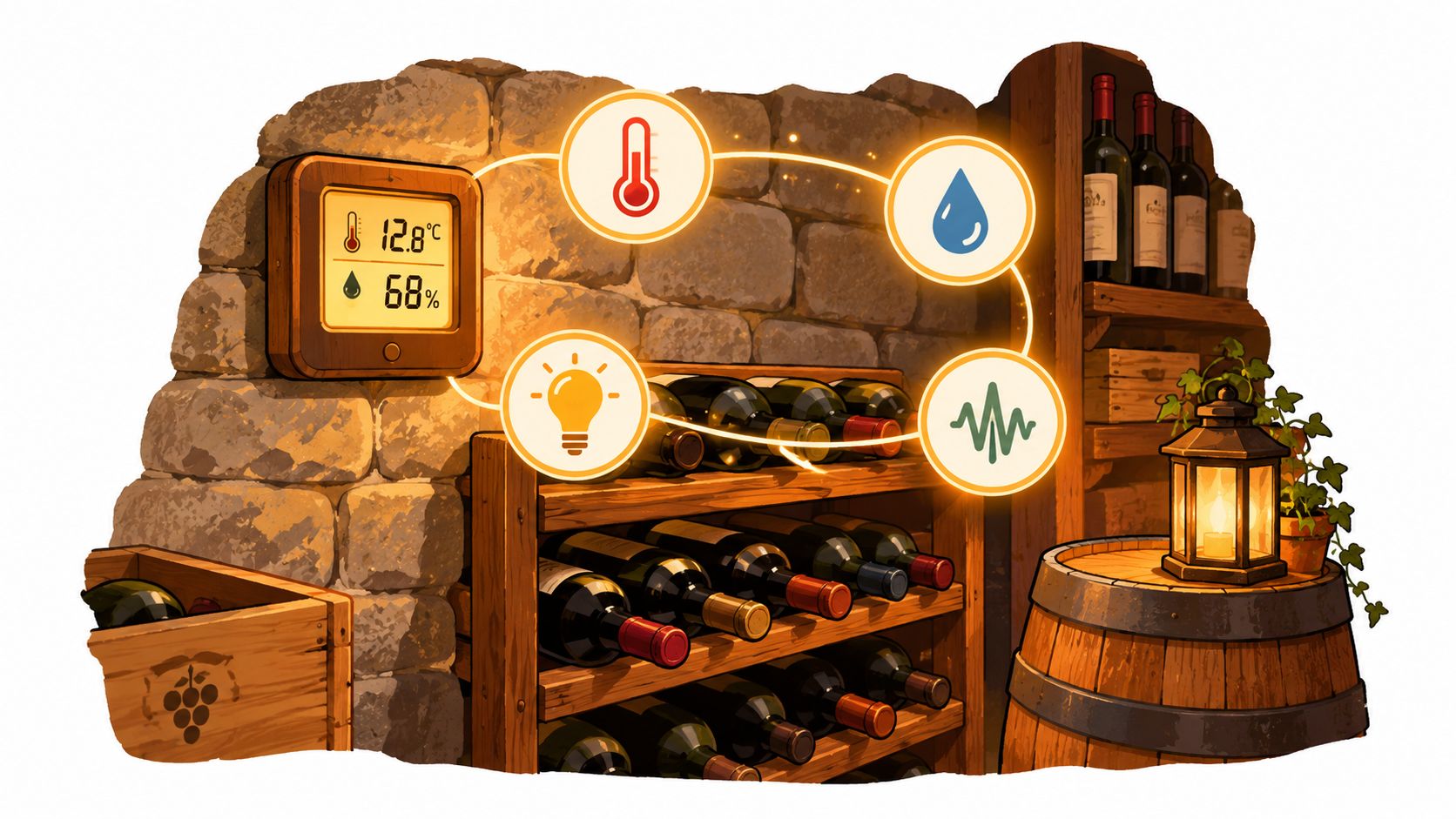
An apartment cupboard may feel cool in autumn, while a garage can become hot enough to push wine towards early ageing in summer. Before storing bottles for years, check whether the space stays calm through Australian seasonal changes. Wine does not need a luxurious room, but it does need protection from temperature swings, excess humidity, light and vibration, with bottle position suited to the closure.
Start with stability
Wine Companion describes storage of up to 15°C, about 75% relative humidity, and 12–14°C as an ideal temperature range for red wine, while stressing consistency (Wine Companion's Australian cellaring guidance). Wine Selectors also recommends keeping wine at a constant 12–14°C year-round (Wine Selectors' storage advice).
The practical lesson is steady conditions, not one perfect thermometer reading. A space that remains reasonably consistent is safer than one that repeatedly heats and cools. Expansion and contraction can put pressure on the closure, allowing the wine to develop faster and less predictably.
Use a digital thermometer with a humidity readout. Place it beside the bottles, away from a door, window, light, or cooling unit. Check it during warmer and cooler periods, including an Australian summer, so you know how the cupboard, garage, or under-stair space behaves.
Control moisture and light
Long-term Australian storage commonly uses 65–75% relative humidity, with broader guidance ranging from about 55–80% (Wine and Vault's cellar FAQ). Dry air can cause corks to lose moisture and let in more oxygen. Excess moisture can encourage mould and damage labels.
Darkness offers another layer of protection. Keep bottles away from direct sun and strong artificial light, particularly in rooms that heat quickly. Low vibration matters as well, so choose a position away from appliances, speakers and machinery.
Practical check: Measure the space through a warm spell before committing special bottles. A cupboard that feels cool in autumn may behave very differently in an Australian summer.
Keep closures in the right position
Store cork-sealed bottles horizontally, allowing the wine to help keep the cork moist. Screw-cap bottles do not require this, although horizontal storage can make racks easier to organise and labels easier to read.
For more detail on storage methods and the risks of poor conditions, read this complete guide to wine storage.
A passive cellar can work when it stays dark, quiet and stable. Measure an apartment cupboard, garage or under-stair space before trusting it with long-term ageing. If readings shift sharply across the seasons, use that location for short-term holding instead.
The video below provides a visual introduction to the practical storage environment.
Which McLaren Vale Wines Are Worth Cellaring
A bottle bought during an apartment move, a warm garage clean-out or a cupboard reorganisation can raise a practical question: will it improve there, or just get older? Age-worthiness begins with balance. Tannin gives shape, acidity gives energy, concentration gives substance, and balance keeps those parts working together. Price may reflect vineyard work, scarcity or reputation, but it does not guarantee that time will make a wine more enjoyable.
McLaren Vale Shiraz is a sensible place to start. The region produces generous reds, and more structured examples can have the tannin and concentration needed for development. Look for composure rather than sheer power. A dense wine with plenty of alcohol but little freshness may become tiring. Fruit, acidity and savoury detail give the bottle more ways to remain interesting as it matures.
Cabernet Sauvignon can also reward patience when its tannin is firm rather than harsh and its fruit stays focused. Grenache-led blends need closer attention. Bright, lighter examples are often better young, while blends with enough concentration, acidity and tannin can gain savoury complexity.

Read the wine, not just the label
Ask a retailer or winemaker questions that reveal the wine's structure:
- Tannin: Is the grip firm and fine-grained, or already soft and easy?
- Acidity: Does the finish stay fresh, or does the wine feel broad and flat?
- Concentration: Is there enough fruit depth to carry oak and further development?
- Balance: Do alcohol, fruit, oak and tannin feel integrated?
The intended drinking window matters too. Some whites, rosés and lighter reds are made for freshness and immediate pleasure. Fortified wines can age along a different path, so check the producer's advice. Style and closure both influence the result. For a clearer explanation, read about the science behind wine ageing.
Give vintage and closure proper weight
Vintage conditions shift the relationship between fruit, acidity and tannin. A producer's chart can show whether a year is considered short-lived, approachable or suited to extended cellaring. Henschke's 2024 vintage chart describes selected wines as “Exceptional” and gives 15+ years optimum drinking for some bottles (Henschke vintage charts). Use that as producer-specific guidance, not a promise for every McLaren Vale bottle.
Screw caps can support consistent maturation and avoid cork-related faults. Cork can perform well too, provided the bottle is stored correctly and the closure remains sound. The label gives you a starting point. The wine's structure, vintage and closure complete the decision.
Choosing Between Wine Fridges Cellars and Other Storage
The right storage choice depends on one question: can the space maintain a stable environment through the year? A beautiful rack in a hot garage isn't a cellar if the bottles regularly experience strong seasonal swings.
| Storage Option | Temperature Stability | Humidity Control | Best For |
|---|---|---|---|
| Dedicated wine fridge | Usually strong, if correctly sized and maintained | Depends on the unit | Apartment collectors and wines requiring controlled conditions |
| Passive underground cellar | Can be strong in a suitable site | Depends on construction and ventilation | Homeowners with a naturally cool, stable area |
| Converted cupboard | Highly variable | Usually limited | Small collections after careful monitoring |
| Garage storage | Often poor in hot conditions | Usually limited | Short-term holding, only if measurements prove stability |
| Off-site storage | Provider-dependent | Provider-dependent | Collectors without a suitable home environment |
A dedicated wine fridge offers the clearest control for apartment living. It takes up valuable space and adds an appliance to maintain, but it removes much of the guesswork. Choose a unit designed for wine rather than a standard household refrigerator, which runs colder and is intended for short-term food storage.
A passive cellar can be excellent when the building itself provides insulation. Underground rooms, internal masonry spaces and areas away from exterior walls may stay steadier than garages or sun-facing cupboards. Still, test first. Australian conditions differ sharply by region, and the same room can perform differently depending on orientation, insulation and ventilation.
Before buying equipment, buy a thermometer: A week of measurements can reveal whether your proposed storage space is genuinely suitable.
A cupboard may work for a modest collection of wines you'll drink relatively soon, especially if it's dark and away from heat. It becomes a gamble for long-term ageing when it sits beside an oven, hot-water system, window or external wall. Garages deserve even more caution because roof heat and seasonal changes can push conditions well beyond what ageing wine wants.
If your home can't provide a stable space, off-site storage may be more sensible than replacing damaged bottles. For practical alternatives, read how to store wine without a cellar.
Smart Buying and Tasting Strategies for Your Cellar
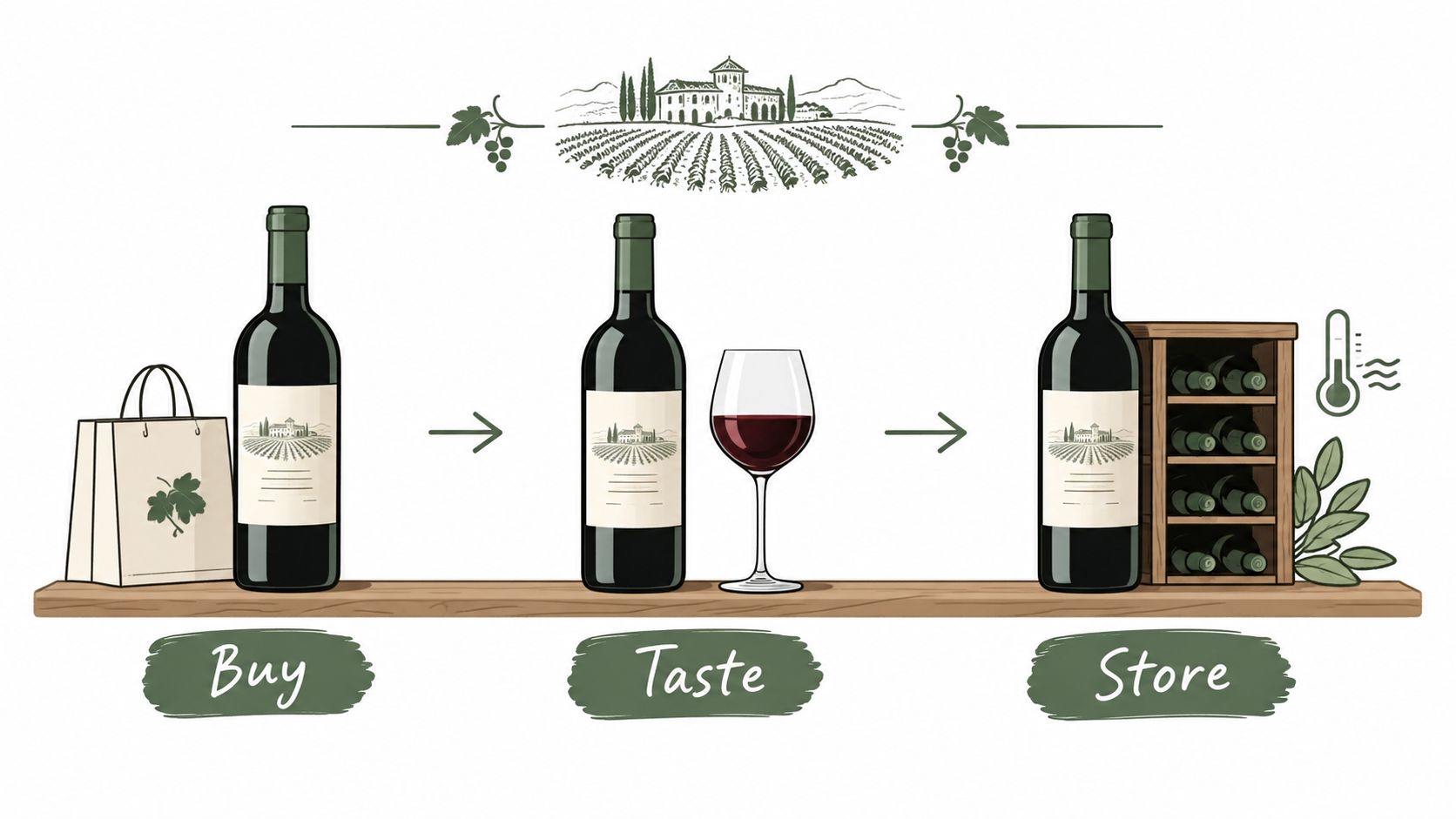
A Saturday shop can become a useful ageing plan. Before buying a case, decide what you want to learn, when you might open each bottle and whether your apartment, garage or cupboard can keep them steady through an Australian summer. A notebook or spreadsheet is enough to record the producer, wine, vintage, closure, purchase date, storage location and tasting impressions.
Start with the producer's vintage chart where one is available. Read its comments on quality, structure and optimum drinking, then apply them to the particular wine, not automatically to every bottle from that vintage. Use the chart to plan a tasting timeline and decide how many bottles to buy, rather than treating it as a promise of exact maturity. Your storage conditions and palate remain part of the result.
Closures also help set expectations. A sound screwcap can protect a wine from oxygen while keeping it practical for a home collection. Natural cork may suit long ageing, but bottle variation is possible, so tasting several bottles gives you a clearer picture than relying on the closure alone. Check the producer's advice and choose bottles that match both your budget and the space you can store reliably.
Build a tasting timeline
For an unfamiliar age-worthy wine, use a simple learning loop:
- Taste an early bottle: Notice the fruit, tannin, oak and finish while the wine is young.
- Revisit later: Record whether the tannin has softened and savoury notes are appearing.
- Open a final bottle near the suggested window: Compare its balance and complexity with your earlier notes.
Tannin works like a firm handshake at first. With time, it can feel smoother, allowing fruit and savoury detail to show more clearly. This tasting pattern teaches you how a producer and vintage develop in your own storage conditions.
Mixed packs let you compare varieties, producers and maturity without committing every bottle to one style. If a wine stands out, buy more only after checking its structure, vintage guidance, closure and available storage.
Make the cellar easy to use
Arrange bottles by drinking priority, not just by colour. Mark labels or rack spaces with notes such as “drink soon”, “check later” or “hold”. Rotate newer arrivals so they do not hide bottles nearing their preferred window.
Keep one note beside each wine, why you bought it. It might be for lamb, a future birthday, a vintage comparison or a producer you want to follow. That reminder turns a collection into planned occasions rather than a pile of bottles.
Common Cellaring Mistakes and How to Avoid Them
Many cellaring problems start with assumptions that sound sensible. A room that feels cool may still heat up sharply, while a red wine may lack the tannin, acidity, concentration or structure needed for long ageing.
Mistake one, judging storage by room temperature
Australian apartments, garages and cupboards can shift considerably with the seasons. A dark cupboard protects wine from light, yet may become too warm for extended storage. Place a thermometer and humidity monitor in the space, then check them at different times, especially during hot weather.
Keep a simple log of readings. Note the date, time and any heatwave, power outage or appliance change. A single spike may be manageable, but repeated peaks show that the space is unstable.
Move bottles in order of risk. Start with older, more age-worthy or expensive wines, then bottles with cork closures, and leave everyday wines for last. If the space remains unsettled, controlled storage should go to the bottles that have the most to lose.
Mistake two, chasing one perfect reading
As noted earlier, aim for stable 12–14°C conditions rather than reacting to every small variation. Wine develops more safely when temperature changes are limited, so a steady environment matters more than a thermometer matching one target at every moment.
Mistake three, leaving bottles exposed
Sunlight, strong lighting and vibration can interfere with quiet maturation. Store bottles in darkness, away from appliances, speakers, doors and machinery. A rack beside a frequently used door may receive more movement than expected, even if nobody bumps it directly.
Mistake four, storing cork-sealed bottles upright
Cork-sealed bottles should lie horizontally, helping keep the closure moist. Screw-cap bottles do not depend on that contact, so they can be organised more flexibly in a fridge or rack.
Mistake five, opening without checking the wine
A structured red may taste hard when opened too young, while waiting too long can mean missing its best balance. Check the producer's guidance, vintage chart and closure, then record each tasting. If the tannin still feels like a firm handshake, give similar bottles more time. If the fruit has faded or the wine feels flat, bring the next bottle forward and adjust your future buying.
McLaren Vale Selections to Cellar With Confidence
Start with structured McLaren Vale Shiraz if you enjoy rich reds with blackberry fruit, spice and firm tannin. Choose examples that feel balanced rather than powerful, then pair younger bottles with barbecued meats and mature bottles with slow-cooked lamb, roast beef or earthy mushrooms.
Cabernet Sauvignon offers another useful path. Its firm tannin and fresh shape can provide a strong framework for development, especially when the fruit remains concentrated and the oak sits comfortably in the background. Grenache-led blends can be more varied, so taste carefully and prioritise wines with freshness, depth and a savoury finish.
For a practical home collection, divide your purchases by purpose:
- Ready to enjoy: Fruit-forward bottles for weeknight meals and casual gatherings.
- Shorter holds: Balanced reds that you want to revisit after some time in bottle.
- Longer holds: Structured Shiraz, Cabernet Sauvignon and selected Grenache blends with clear producer guidance.
A half-case is a sensible starting point if you're learning your palate. A dozen or mixed “Half & Half” pack can help you compare styles and vintages, while a small tasting record shows which wines improve in your storage and which are better opened young. McLaren Vale Cellars offers these kinds of mixed and value-focused buying formats, alongside a Taste Guarantee, secure encrypted checkout, free delivery Australia-wide on orders over $100, and Grape-ful Rewards.
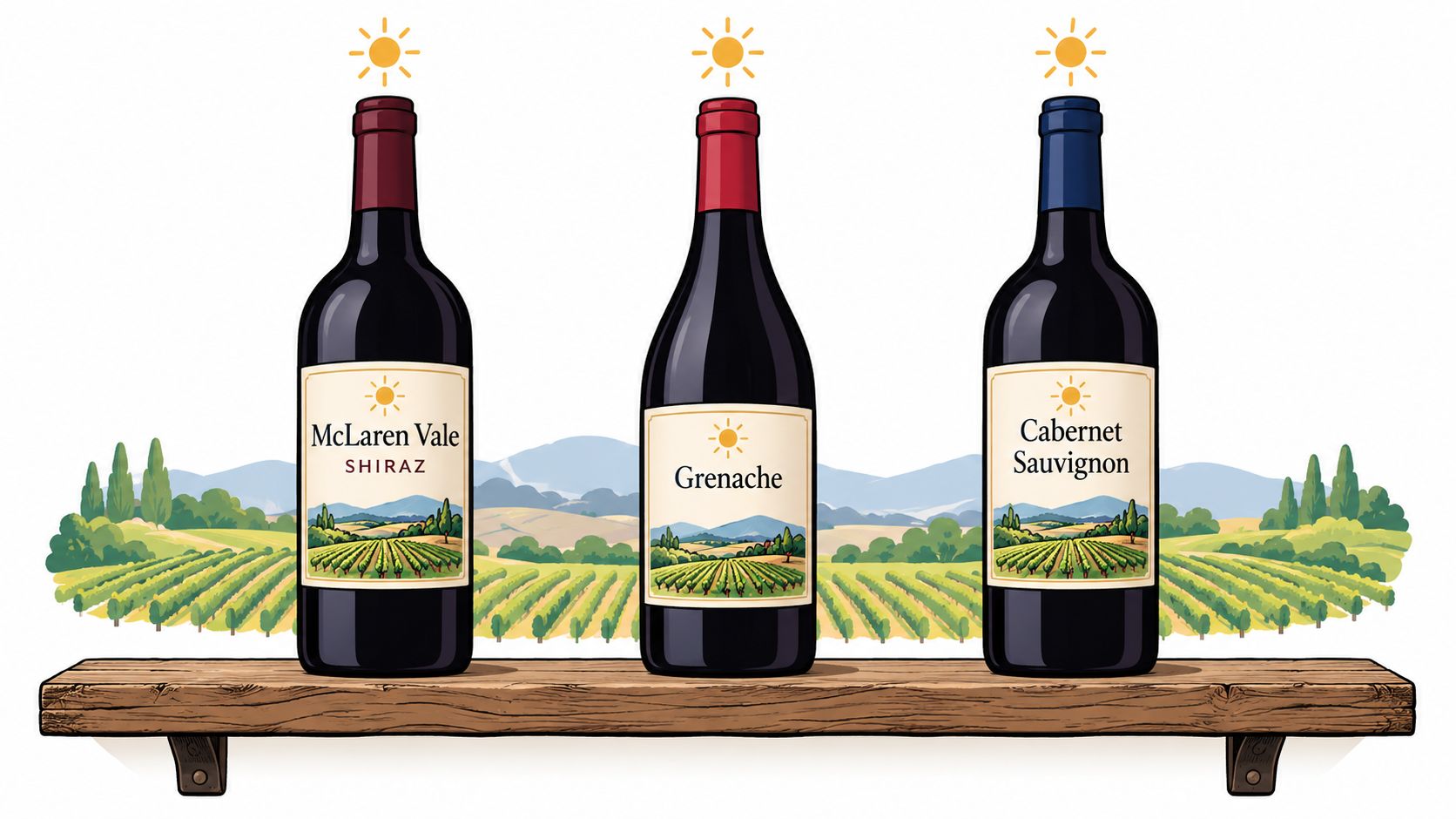
Keep your first collection small enough to monitor. Write down the vintage, closure, storage location and opening impressions, then revisit the wines with food. You'll soon learn whether your ideal McLaren Vale bottle is bright and youthful, softly developed or savoury.
Browse McLaren Vale Cellars for McLaren Vale Shiraz, Cabernet Sauvignon, Grenache-led blends, mixed packs and tasting resources suited to building a thoughtful home cellar. Choose a few bottles to taste now, store a few under measured conditions, and start your own record of how the wines develop.

Comments (0)
There are no comments for this article. Be the first one to leave a message!