
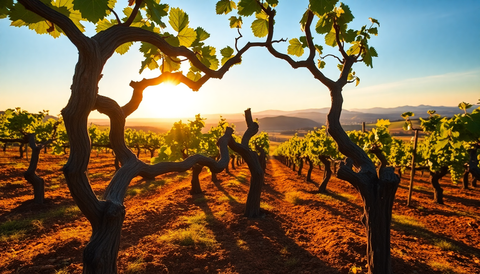
In the ever-evolving world of wine, there is perhaps no grape more versatile and captivating than Shiraz. Also known as Syrah, this noble varietal has the remarkable ability to adapt to diverse terroirs, climates, and winemaking styles, resulting in a dazzling array of expressions that can transport the senses to far-flung corners of the globe.
As a lover of all things wine, I've had the privilege of embarking on a global expedition to explore the nuances of Shiraz. From the sun-drenched vineyards of Australia to the rugged slopes of the Rhône Valley in France, and from the windswept hills of Chile to the ancient cellars of South Africa, I've discovered that the same grape can yield strikingly different wines, each with its own unique personality and charm.
The Shiraz Spectrum: A Journey of Diversity
One of the most captivating aspects of Shiraz is its ability to adapt to its surroundings, resulting in a spectrum of styles that can range from bold and powerful to elegant and refined. This chameleon-like quality is a testament to the grape's versatility and the winemaker's skill in coaxing out the best from each terroir.
Australia: The Powerhouse of Shiraz
When it comes to Shiraz, Australia is undoubtedly the heavyweight champion. The country's warm climate, abundant sunshine, and well-drained soils provide the perfect conditions for producing full-bodied, fruit-forward wines that are often described as "big and bold." Australian Shiraz is renowned for its intense aromas of ripe blackberry, dark chocolate, and spicy pepper, with a velvety texture and a long, lingering finish.
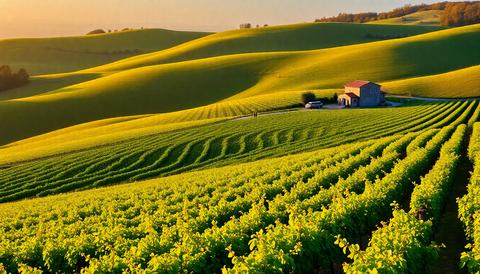
One of the standout regions for Australian Shiraz is the Barossa Valley, where the old vines and traditional winemaking techniques have produced some of the world's most iconic Shiraz expressions. Wines from this region are often characterized by their concentration of flavors, with a touch of oak aging adding complexity and structure.
France: The Elegant and Refined Shiraz
While Australia may be the powerhouse of Shiraz, France has long been the spiritual home of the grape, where it is known as Syrah. In the Rhône Valley, particularly in the northern appellations of Côte-Rôtie and Hermitage, Shiraz takes on a more elegant and refined persona, with a focus on finesse and complexity over sheer power.
These French Shiraz wines often exhibit a more restrained fruit profile, with notes of black olive, smoked meat, and peppery spice. The tannins are typically more refined and integrated, and the overall impression is one of elegance and balance, rather than raw intensity.
One of the standout producers in this region is Domaine Guigal, whose single-vineyard Côte-Rôtie and Hermitage bottlings are renowned for their depth, complexity, and age-worthiness.
Chile: The New World Interpretation of Shiraz
As the wine world has become increasingly globalized, Shiraz has found a new home in the rugged, sun-drenched vineyards of Chile. While the country's winemaking traditions are rooted in European influences, Chilean Shiraz has developed its own distinct personality, blending the power and concentration of Australian styles with the elegance and finesse of French expressions.
The cool, coastal regions of Chile, such as the Casablanca and Colchagua Valleys, have proven to be particularly well-suited for Shiraz, producing wines that are often described as a harmonious balance between ripe, juicy fruit and savory, earthy notes. These wines can offer a compelling alternative to their more well-known counterparts, with a unique sense of place and a touch of New World flair.
One of the standout producers in this region is Montes, whose "Alpha" series Shiraz has become a benchmark for the country's interpretation of this versatile grape.
South Africa: The Old World Meets the New
South Africa's winemaking history dates back to the 17th century, when Dutch settlers first planted vines in the Cape region. Today, the country's Shiraz offerings are a fascinating blend of Old World and New World influences, reflecting the unique terroir and the winemakers' innovative approach to this grape.
South African Shiraz often exhibits a captivating balance between power and elegance, with a distinctive savory character that sets it apart from its counterparts. Aromas of black pepper, smoked meats, and earthy notes are often complemented by ripe, juicy fruit flavors, creating a complex and intriguing wine.
One of the standout regions for South African Shiraz is Stellenbosch, where producers like Kanonkop and Rust en Vrede have earned a reputation for crafting world-class expressions of this varietal.
Exploring the Diversity of Shiraz: A Tasting Journey
As I've discovered through my global exploration of Shiraz, the true joy of this grape lies in its remarkable diversity. Whether you're drawn to the bold and powerful expressions of Australia, the elegant and refined styles of France, the harmonious balance of Chilean Shiraz, or the intriguing blend of Old and New World in South Africa, there is a Shiraz out there to captivate every palate.
To fully appreciate the breadth of Shiraz, I recommend embarking on your own tasting journey, exploring the different regional styles and discovering the unique characteristics that each terroir imparts on this versatile grape. From the lush, fruit-forward wines of the Barossa to the savory, earthy notes of Stellenbosch, the world of Shiraz is a veritable treasure trove of flavors and experiences, waiting to be discovered.
So, grab a glass, open your senses, and let the world tour of Shiraz begin. Who knows where this captivating grape will take you next?
Comments (0)
There are no comments for this article. Be the first one to leave a message!