
In the ever-evolving world of winemaking, one factor that continues to captivate oenophiles and vintners alike is the remarkable influence of old vines. While newer vineyards may boast the allure of youth and vigor, it is often the weathered, gnarled vines that hold the key to producing some of the most complex, nuanced, and sought-after wines.
The Wisdom of Age
As vines grow older, they develop a deep understanding of their terroir, the unique combination of soil, climate, and microclimate that defines a particular wine region. Over the decades, these vines have adapted to their environment, learning to thrive in the face of adversity and to extract the most from the land they call home.
Deeper Roots, Deeper Flavors
One of the most significant advantages of old vines is their extensive root systems. As the vines age, their roots delve deeper into the earth, seeking out precious nutrients and water sources that younger vines cannot access. This allows the plants to draw from a more diverse array of minerals and compounds, which are then reflected in the depth and complexity of the resulting wine.
Concentration and Intensity
With age comes a natural reduction in the vines' vigor and productivity. Older vines tend to yield fewer but more concentrated grapes, as the plant's energy is focused on quality over quantity. This concentration of flavors, aromas, and tannins results in wines that are often more intense, layered, and balanced than those produced from younger vineyards.
Resilience and Character
The trials and tribulations faced by old vines over the years have forged them into resilient, character-filled plants. These vines have weathered storms, drought, and disease, and have developed a unique ability to adapt and thrive in the face of adversity. This resilience is often mirrored in the wines they produce, which can exhibit a depth of character and a sense of place that is unmatched by younger counterparts.
The Importance of Terroir
While the age of the vines is a significant factor in the quality of the wine, it is important to recognize the critical role that terroir plays in the equation. The unique combination of soil, climate, and microclimate that defines a particular wine region is what gives each wine its distinctive character and flavor profile.
Expressing the Land
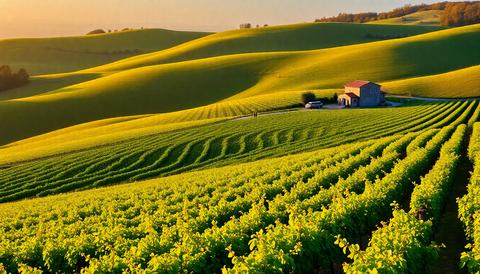
Old vines, with their deep roots and intimate understanding of their terroir, are uniquely positioned to capture the essence of the land in their grapes. The flavors, aromas, and textures of the wine are a direct reflection of the vines' interaction with their environment, creating a sense of place that is unparalleled.
Vintage Variation
The influence of terroir is particularly evident in the vintage variation observed in wines from old vines. Each year, the vines must adapt to the unique climatic conditions, which can result in subtle yet significant differences in the final product. This vintage variation adds to the allure and complexity of old vine wines, as each bottle offers a unique glimpse into the character of the land.
The Art of Winemaking
While the age of the vines and the terroir are undoubtedly crucial factors in the quality of the wine, the skill and expertise of the winemaker also play a vital role in unlocking the full potential of old vine grapes.
Gentle Handling
Winemakers working with old vine grapes must approach the winemaking process with a delicate touch. These grapes are often smaller and more fragile than their younger counterparts, requiring gentle handling to preserve their inherent complexity and character.
Minimal Intervention
The best old vine wines are often the result of a minimalist approach to winemaking, where the winemaker allows the natural flavors and aromas of the grapes to shine. This often involves techniques such as native yeast fermentation, extended maceration, and judicious use of oak, all of which serve to enhance the wine's expression of terroir.
Patience and Timing
Crafting exceptional old vine wines requires a deep understanding of the aging process and a willingness to exercise patience. These wines often benefit from extended aging, both in barrel and in bottle, allowing the complex flavors and tannins to integrate and develop over time.
The Enduring Appeal of Old Vines
As the wine industry continues to evolve, the allure of old vines remains steadfast. These venerable plants, with their deep roots and weathered character, offer a unique and captivating window into the history and essence of a particular wine region.
Preserving a Legacy
The preservation of old vine vineyards is not only a matter of winemaking excellence but also a crucial aspect of cultural heritage. These vines represent the hard work, resilience, and ingenuity of generations of vintners who have dedicated their lives to the art of winemaking.
Inspiring Innovation
While old vines may be rooted in tradition, they also serve as a source of inspiration for modern winemakers. The challenge of unlocking the full potential of these ancient plants has led to the development of innovative techniques and a deeper understanding of the complex interplay between vines, terroir, and winemaking.
A Taste of the Past, a Vision for the Future
In a world that often values the new and the novel, the enduring appeal of old vine wines serves as a reminder of the timeless beauty and complexity that can be found in the natural world. By honoring the wisdom of these ancient vines, we not only preserve a piece of history but also gain a deeper appreciation for the art and science of winemaking, and the enduring power of the land to shape the flavors we cherish.
Comments (0)
There are no comments for this article. Be the first one to leave a message!