
Introduction
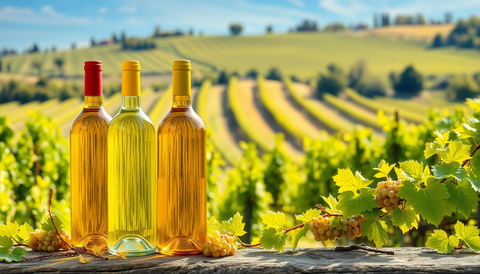
White wine is one of the most beloved beverages for its crisp, refreshing qualities and aromatic complexity. It is celebrated worldwide, from the elegant Chardonnay of Burgundy to the zesty Sauvignon Blanc of New Zealand and the aromatic Riesling of Germany. But what truly makes each white wine unique? The answer lies in a combination of the grapes used and the meticulous techniques employed during its production. In this comprehensive guide, we will delve into the essential components that shape the flavor profile of white wine, exploring how grape varieties and various production methods come together to create the wines that enthusiasts enjoy today.
The Role of Grape Varieties in White Wine
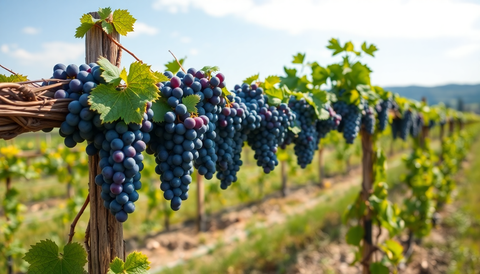
The foundation of every white wine begins in the vineyard, where the choice of grape variety (or varieties) significantly influences the aroma, flavor, acidity, and body of the final product. Each grape has its unique genetic makeup, which imparts specific characteristics to the wine. Understanding these differences is key to appreciating what makes each white wine distinctive.
Common White Grape Varieties and Their Characteristics
- Chardonnay: Often called the "king of white grapes," Chardonnay is incredibly versatile. When unoaked, it offers crisp acidity with flavors of green apple, citrus, and mineral notes. When aged in oak, it develops rich, buttery textures with hints of vanilla, toast, and spice.
- Sauvignon Blanc: Known for its vibrant acidity and aromatic intensity, Sauvignon Blanc produces fresh wines with flavors of grapefruit, green apple, passion fruit, and grassy or herbal notes. It thrives in cooler climates, which preserve its distinct acidity and aromatic freshness.
- Riesling: A highly aromatic grape producing wines ranging from bone-dry to lusciously sweet. It features floral aromas, peach, apricot, and mineral notes, with a notable acidity that balances sweetness and enhances freshness.
- Pinot Grigio / Pinot Gris: These grapes produce light, crisp wines with flavors of pear, apple, and citrus. Pinot Gris from Alsace, France, can be more full-bodied and spicy, contrasting with the lighter Italian styles.
- Viognier: Known for its aromatic richness, offering peach, apricot, and floral notes with a slightly oily texture, often used for more full-bodied white wines.
The choice of grape variety sets the initial tone, but the vineyard’s location, climate, and growing conditions also influence the flavor characteristics significantly.
Grape Harvesting and Pressing Techniques
The journey of white wine begins immediately after the grapes are harvested. The timing of harvest is critical; too early, and the grapes may lack flavor ripeness, too late, and they may develop undesirable flavors or high sugar content. Mechanical or manual harvesting aims to pick grapes at optimal ripeness for the desired wine style.
Pressing Methods and Their Impact
Once in the winery, grapes are gently pressed to extract the juice. This step is crucial because it influences clarity, phenolic content, and bitterness.
- Pneumatic (or Membrane) Pressing: Uses gentle air or water pressure to extract juice cautiously, minimizing skin contact and bitterness, ideal for delicate white wines.
- Whole Cluster Pressing: Often used in premium winemaking, pressing whole clusters reduces skin contact and preserves aromatic purity.
- Free-Run Juice: The first, most pristine juice extracted naturally during pressing, usually of the highest quality and clarity.
Fermentation: The Heart of Flavor Development
Fermentation is where raw grape juice transforms into wine, and it is the stage where much of a white wine’s character is developed. The specifics of fermentation—temperature, yeast strain, vessel—play pivotal roles in shaping flavor profiles.
Yeast Selection and Fermentation Temperature
- Yeast Strain: Different yeasts can produce varying aromatic profiles, from fruity esters to complex floral notes. Winemakers often select specific strains to complement the grape variety and desired style.
- Temperature Control: Cooler fermentation temperatures (around 10–15°C or 50–59°F) are typical for white wines. This preserves delicate aromas of fruit and floral qualities, avoiding the loss of volatile compounds.
Higher fermentation temperatures can lead to more robust and fuller-bodied wines but risk losing aromatic finesse.
Residual Sugar and Sweetness Levels
The fermentation process can be halted naturally or artificially to leave residual sugar, influencing sweetness levels. White wines can range from bone-dry to lusciously sweet, depending on the winemaker's intent and the grape's sugar content at harvest.
Advanced Techniques: Malolactic Fermentation and Lees Aging
Beyond primary fermentation, winemakers employ advanced techniques to add complexity and texture to white wines.
Malolactic Fermentation (MLF)
MLF is a secondary fermentation that converts the tart malic acid into softer lactic acid, imparting buttery, creamy flavors. While common in Chardonnay, it is less frequently used for more aromatic or crisp styles, where acidity preservation is preferred.
Lees Aging and Bâtonnage
Aging wine on its lees (dead yeast cells) can enhance mouthfeel and add complexity. Winemakers may stir the lees periodically (bâtonnage), releasing compounds that contribute to a richer texture, subtle nutty or brioche notes, and stability.
Clarification and Bottling Techniques
To ensure clarity and stability, wines undergo fining and filtration processes. These steps remove suspended particles and potential spoilage agents, resulting in a clear, polished product.
- Fining Agents: Used to bind and remove proteins, phenolics, and other undesired compounds. Examples include egg whites, casein, or bentonite clay.
- Filtration: Mechanical or membrane filtration ensures microbial stability and prevents spoilage.
Minimal oxygen exposure during bottling preserves freshness, aroma, and flavor intensity. A small dose of sulfur dioxide (SO₂) is often added to prevent oxidation and bacterial growth.
The Influence of Production Methods on Flavor Profiles
The specific choices made during production significantly influence the final flavor, aroma, and texture of white wine:
- Use of Oak: Aging in oak barrels introduces aromatics like vanilla, toast, and spice, adding complexity and body.
- Temperature Control: Maintaining cooler fermentation temperatures preserves vibrant fruit and floral aromatics.
- Lees Contact: Extended aging on lees enhances richness and imparts subtle nutty or brioche notes.
- Grape Sorting and Selection: Ensuring only optimal grapes enter fermentation leads to cleaner, more expressive wines.
Wine Aging and Evolution
Many white wines are intended to be enjoyed young, retaining their fresh, lively character. However, certain premium wines like aged Chardonnay or Riesling benefit from bottle aging, which allows complex tertiary aromas—like honey, dried fruit, and mineral notes—to develop. Proper storage conditions (cool, dark, consistent temperature) are crucial for aging potential.
Conclusion
The flavor and character of white wine are shaped by a complex interplay of grape variety, vineyard conditions, and meticulous production techniques. From the initial grape selection to fermentation choices, aging methods, and final bottling, each step contributes to the unique profile of the wine in your glass. By understanding these components, wine enthusiasts can better appreciate the craftsmanship behind every bottle and make more informed tasting decisions. Whether you prefer a crisp Sauvignon Blanc, a rich, oaked Chardonnay, or an aromatic Riesling, recognizing how these factors influence flavor deepens your appreciation for this versatile and enchanting beverage. Cheers to exploring and celebrating the art and science of white winemaking!

Comments (0)
There are no comments for this article. Be the first one to leave a message!