
Introduction to White Wine Production
White wine is celebrated globally for its light, crisp, and aromatic qualities. Its versatility makes it a favorite for pairing with a wide array of dishes, from seafood to poultry, and even spicy cuisines. As of 2025, the process of making white wine has become a sophisticated blend of traditional craftsmanship and cutting-edge technology. This comprehensive guide explores each step, ingredient, and innovation involved in producing white wine today—unveiling the science, art, and meticulous decisions that influence every pour.
The Essential Ingredients in White Wine
Unlike many beverages, white wine's primary ingredients are relatively simple, yet each plays a crucial role in shaping the final product:
- Grapes: The foundation of white wine, with varieties such as Chardonnay, Sauvignon Blanc, Riesling, Pinot Grigio, and Chenin Blanc leading the way. These grapes are characterized by their unique sugar, acidity, and aromatic profiles, which determine the style and flavor of the wine.
- Yeasts: Microbial strains added to ferment the grape juice, converting sugars into alcohol and carbon dioxide. Different yeast strains impact aroma development, fermentation speed, and flavor profiles.
- Sulfites (Sulfur Dioxide): Widely used as preservatives, sulfites inhibit unwanted bacteria and wild yeasts, ensuring freshness, stability, and longevity of the wine.
- Additional Additives (optional): Depending on the winemaker’s style, nutrients, tannins, acids, or fining agents may be added to optimize fermentation and clarify the wine.
The Step-by-Step Process of White Winemaking in 2025
1. Vineyard Management and Grape Harvesting
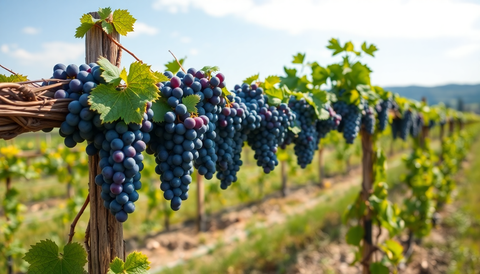
The journey begins in the vineyard, where meticulous management ensures optimal grape health and flavor development. Factors such as canopy management, irrigation, and pest control are fine-tuned to achieve the desired ripeness. Harvest timing is critical; grapes are picked at precise levels of sugar, acidity, and phenolic ripeness to ensure balanced wines.
2. Grape Sorting and Crushing
Post-harvest, grapes are transported to the winery. They undergo sorting to remove underr ripe grapes, stems, leaves, and damaged fruit. Modern wineries often utilize optical sorting machines for precision. Crushing then gently breaks the skins, releasing juice while minimizing skin contact—key to maintaining the wine’s characteristic clarity and pale color.
3. Pressing
The pressed grapes are transferred to pneumatic presses, which apply gentle pressure to extract juice efficiently without extracting tannins or color from skins. For white wines, pressed juice is separated immediately from skins, unlike red wine production where contact with skins is essential.
4. Juice Clarification and Settling
Freshly pressed juice contains suspended solids, pectin, and other particles. To achieve clarity, the juice is chilled and allowed to settle, aiding natural sedimentation. In 2025, advanced cold stabilization techniques are employed, often combined with centrifugation or microfiltration, to enhance clarity without compromising flavor.
5. Fermentation Initiation and Control
Once settled, the clarified juice is transferred to fermentation vessels—stainless steel tanks, concrete amphorae, or even advanced temperature-controlled fermenters. Yeasts are inoculated, with choices tailored to the desired aromatic profile. Control of fermentation temperatures (10–15°C / 50–59°F) preserves delicate floral and fruit aromas, a hallmark of modern white wines.
Varieties of Yeasts and Their Impact
Winemakers select yeast strains based on fermentation characteristics, aroma development, and stress tolerance. Proprietary strains and genetic improvements in yeasts allow more consistent and flavor-rich fermentations.
6. Residual Sugar and Style Development
While fermentation generally converts most sugars to alcohol, winemakers may halt fermentation prematurely or tweak conditions to produce dry, off-dry, or sweet wines. The level of residual sugar influences mouthfeel, balance, and overall style.
7. Malolactic Fermentation (MLF) and Creamy Textures
Although less common in white wines, some varieties like Chardonnay undergo MLF, where malic acid is converted into softer lactic acid. This process adds complexity, buttery notes, and a fuller mouthfeel. In 2025, MLF is precisely controlled or avoided depending on style preferences.
8. Aging on Lees and Textural Complexity
Post-fermentation, many white wines are matured on lees—dead yeast cells—to develop richness and depth. Winemakers often perform bâtonnage (lees stirring), which releases mannoproteins that enhance mouthfeel and aromatic complexity. Newer techniques include micro-oxygenation to improve texture.
9. Blending and Final Adjustments
In some cases, different tanks or barrels are blended to achieve uniformity or specific flavor profiles. Blends like Sémillon-Sauvignon Blanc are popular for complex, multilayered wines. Adjustments in acidity and sulfur levels are made at this stage.
10. Clarification, Filtration, and Stabilization
Winemakers utilize advanced filtering techniques—such as sterile filtration—to eliminate any remaining bacteria or solids. Clarification agents like bentonite or PVPP are employed, ensuring stability and transparency without impacting flavor.
11. Bottling and Packaging
White wines are bottled with meticulous care to preserve freshness. Techniques include minimal oxygen contact, inert gas blanketing, and precise filling. A small dosage of sulfur dioxide may be added to prevent oxidation. Bottles are then sealed with corks, screw caps, or synthetic closures, labeled, and prepared for release.
Innovations and Modern Practices in 2025
- Temperature Precision: Highly automated temperature controls during fermentation optimize aroma retention and flavor profile development.
- Grape Phenotyping: Use of sensory-guided selection and genetic analysis ensures grape quality and consistency.
- Sustainable Practices: Incorporation of organic farming, water conservation, renewable energy, and biodegradable packaging has become standard among premium producers.
- Technology Integration: Use of sensors, data analytics, and artificial intelligence guides precision viticulture and winemaking decisions, ensuring quality and resource efficiency.
- Experimental Techniques: Innovations like skin-contact whites, natural fermentations, and minimally interventionist approaches are gaining popularity for unique flavor profiles.
Conclusion
White wine production in 2025 exemplifies a perfect harmony between tradition and innovation. Every detail—from selecting the perfect grapes at harvest, employing precise fermentation controls, to employing advanced stabilization techniques—contributes to the quality and distinctiveness of each bottle. An understanding of these processes deepens your appreciation of the craftsmanship involved and enhances your enjoyment of this elegant beverage. Whether you prefer a crisp Sauvignon Blanc, a rich Chardonnay, or a delicate Riesling, recognizing the complex journey from vineyard to glass adds a new dimension to your wine experience.
Comments (0)
There are no comments for this article. Be the first one to leave a message!