
Introduction
In the world of wine, the vessel you choose can significantly influence your tasting experience. As wine enthusiasts and professional sommeliers know, the right glass enhances aroma, flavor, and overall enjoyment. With the evolving wine industry in 2025, understanding the nuances of standard wine glass sizes is more important than ever. This comprehensive guide aims to equip you with all the knowledge needed to select, serve, and enjoy wine with precision and sophistication.
The History and Evolution of Wine Glass Sizes
The art of wine glass design has a storied history dating back centuries. Originally shaped from English and French traditions, wine glasses have undergone significant modifications to optimize tasting experiences. In 1979, the international standard volume for a wine bottle was set at 750ml, becoming a benchmark for serving sizes. Over the decades, glass shapes and sizes have been refined to accentuate different wine types, from light whites to full-bodied reds, sparkling varieties, and fortified wines. By 2025, modern innovations have led to a diverse array of glasses tailored for specific wine profiles and occasions.
Understanding Standard Wine Glass Sizes in 2025
Wine glasses are categorized based on their volume, bowl shape, and intended use. Here are the most prevalent sizes in 2025:
- Standard Tasting Glass (120-150ml): Used primarily for wine tastings and flights, these smaller glasses allow multiple wines to be sampled without over-consuming.
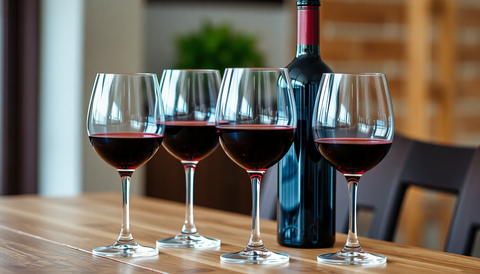
- Red Wine Glass (450-600ml): Characterized by a large, rounded bowl to facilitate aeration, these glasses are perfect for full-bodied reds like Cabernet Sauvignon and Shiraz.
- White Wine Glass (300-375ml): Slightly smaller with a narrower opening to preserve crispness and acidity, ideal for Sauvignon Blanc, Chardonnay, and other whites.
- Champagne Flute (180-250ml): Narrow and tall, flutes retain carbonation and present the bubbles beautifully, enhancing freshness.
- Port and Dessert Wine Glasses (120-150ml): Small, tulip-shaped glasses designed to concentrate rich aromas of fortified wines like Port, Sherry, and late harvest varieties.
Why Glass Shape and Size Matter
The shape and size of a wine glass do more than just look elegant. They play a vital role in how the wine's aroma and flavor are perceived. Here are some key reasons:
- Aroma Concentration: Larger bowls increase surface area, allowing wine to 'breathe' and release complex aromas.
- Flavor Direction: Specific shapes direct wine to different areas of your palate—for example, reds are aimed at the back and sides, whites at the tip.
- Bubble Retention: Tall, narrow flutes help hold carbonation longer in sparkling wines, ensuring a vibrant visual and sensory experience.
- Temperature Maintenance: Proper glass sizes help maintain optimal serving temperatures, enhancing the wine's profile.
Serving Sizes and Responsible Drinking in 2025
Knowing the standard pour sizes and bottle yields is crucial for responsible consumption and event planning. In 2025, the common standard pour is typically:
- 150ml for red and white wines — equating to roughly 5 glasses per 750ml bottle.
- 180-250ml for sparkling wines like Champagne, depending on glass size.
- 120-150ml for fortified wines, perfect for dessert pairings.
For larger bottles or magnums, the number of glasses doubles or more, making them more economical for large gatherings. Understanding these measurements helps in:
- Planning appropriate servings for any event.
- Ensuring guests enjoy wine responsibly.
- Complying with local alcohol regulations and health guidelines.
Different Bottle Sizes and How They Affect Serving
Besides standard 750ml bottles, the wine industry features an array of bottle sizes, each suited for different contexts:
- Split (187ml): Single-serving mini bottles, perfect for sampling or personal consumption.
- Magnum (1.5L): Equal to two standard bottles, ideal for celebrations and reducing corkage.
- Jeroboam (3L): Typically used for sparkling wines or big-red format bottles.
- Imperial (6L): Rare, reserved for special events or collector’s items, yields approximately 40 glasses.
Choosing the Right Glass for the Occasion
Selecting the appropriate wine glass hinges on the type of wine, the setting, and personal preferences. Here are some tips:
- For Casual Dining: Use versatile, medium-sized glasses that can handle multiple wine types.
- For Formal Tastings: Opt for specific glasses designed for each varietal or style.
- For Sparkling Wines: Choose flutes or tulip glasses to preserve effervescence.
- For Red Wines: Large, round-bowled glasses facilitate aeration and aroma development.
- For White and Light Reds: Smaller, narrower glasses preserve crispness and acidity.
How to Properly Pour Wine in 2025
The art of pouring is often overlooked but crucial for maximizing enjoyment and maintaining etiquette. Here are some best practices:
- Standard Pour: 150ml for reds and whites, 180-250ml for sparkling wines.
- Presentation: Hold the bottle at the base and pour gently, avoiding overfilling the glass.
- Number of Glasses: A 750ml bottle provides approximately 5 standard pours, but always consider the context and guest preferences.
- Serving Temperature: Ensure wine is served at the ideal temperature to highlight its characteristics—red wines slightly below room temperature, whites chilled, sparkling very cold.
Enhancing the Wine Experience with Proper Glassware
Investing in quality glassware in 2025 is a key step toward elevating your wine experience. Consider the following:
- Material: Lead-free crystal glasses offer clarity and sonic qualities that enhance visual and tactile experience.
- Design: Choose glasses with well-defined bowls and stems for ease of handling and aesthetic appeal.
- Maintenance: Regular washing without harsh detergents preserves clarity and prevents residue that can affect taste.
Conclusion
Mastering the science and art of wine glass sizes in 2025 allows enthusiasts and professionals alike to enjoy wine to its fullest potential. From understanding standard sizes, appreciating the importance of shape and form, to responsible serving practices, each element contributes to a richer, more sophisticated wine experience. Whether hosting a grand event or savoring a quiet evening, the right glassware and knowledge make all the difference. Explore local sommeliers, visit your favorite wine shops, and elevate your wine journey to new heights in 2025 and beyond.
Comments (0)
There are no comments for this article. Be the first one to leave a message!