
Introduction: The Ongoing Clash of Classic Red Wines
In the vibrant world of wine, few debates are as enduring and passionate as the rivalry between Shiraz and Merlot. As of 2025, this rivalry continues to evolve alongside shifting market trends, innovative winemaking techniques, and a global palate that increasingly values diversity and expression. This comprehensive guide delves deep into the character, origins, regional expressions, food pairings, market dynamics, and future prospects of these two iconic grapes to help enthusiasts and newcomers alike determine which wine deserves a throne in your glass this year.
Understanding What Defines Shiraz and Merlot
Before diving into the complexities, it’s essential to understand the core personality traits of each varietal:
- Shiraz: Bold, powerful, and often spicy with an emphasis on dark fruit flavors. It’s the confident, assertive sibling that commands attention and makes a statement.
- Merlot: Smooth, soft, and plush with a silky texture and approachable red fruit flavors. It’s the easy-going friend who turns any gathering into a relaxed, enjoyable occasion.
The Deep Dive: Comparative Analysis
To truly appreciate the nuances, we compare these wines across various parameters:
| Characteristic | Shiraz | Merlot |
|---|---|---|
| Flavor Profile | Intense dark fruits like blackberry, blueberry, with spicy notes of black pepper, clove, and sometimes smoky or meaty undertones | Ripe red fruits such as cherry, raspberry, and plum, often accompanied by hints of vanilla, mocha, and cedar |
| Body | Full-bodied, often dense and mouth-coating | Medium-bodied, silky and smooth |
| Tannins | Firm, structured, and gripping—capable of aging for decades | Soft, fine-grained, and gentle, making the wine approachable for early consumption |
| Acidity | Performance varies with climate; warm regions tend to be riper and less acidic, cooler regions maintain higher acidity | Generally maintains balanced acidity, complementing its red fruit profile |
| Texture | Rich, dense, often requiring pairing with hearty foods | Velvety, smooth, easy to drink |
| Ageability | Excellent aging potential, especially from top regions | Best enjoyed young; limited aging potential in most cases |
Regional and Climate Influences: How Place Shapes the Glass in 2025
Another dimension that profoundly influences taste is the terroir—the unique combination of climate, soil, and vineyard practices. Here's how regional expressions of Shiraz and Merlot define their profiles in 2025:
Shiraz in Australia: A Spectrum of Styles
Australia remains synonymous with Shiraz, and in 2025, its diverse climates produce a remarkable array of styles:
- Warm climates: Regions such as the Barossa Valley and McLaren Vale produce big, bold, and ripe wines with intense black fruits, high alcohol content (often 14%+), and pronounced spice and oak integrations.
- Cooler climates: The Adelaide Hills and Victoria's Grampians offer more restrained, elegant styles with higher acidity, savory notes, and a tannic structure similar to French Syrah.
These regional differences continue to fuel the global reputation of Australian Shiraz, and in 2025, premium offerings highlight the craftsmanship involved in balancing power with finesse.
Merlot’s European and Aussie Journeys
While originating in France’s Bordeaux region, Merlot has a special place in Australian vineyards, particularly in warmer regions like Riverland and Langhorne Creek. These areas consistently deliver approachable, fruit-forward wines that appeal to an international market seeking value and drinkability. Notably:
- In 2025, Australian Merlot continues to be characterized by soft tannins, plush textures, and ripe fruit at accessible prices.
- European styles, especially from France and Italy, tend to be more refined, with earthy, herbal, and mineral nuances, offering a broader spectrum of expression.
Flavor Profiles and Sensory Experiences in 2025
Shiraz: The Bold and Complex
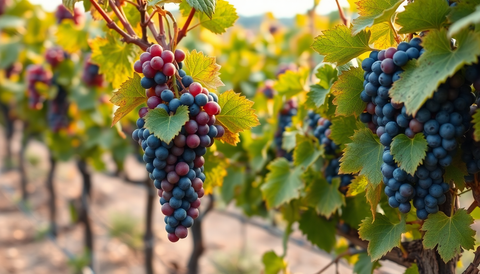
Shiraz’s characteristic intensity manifests in flavors of ripe blackberry, blackcurrant, and dark cherry, with layers of spice, pepper, and sometimes smoky or leathery undertones as it ages. In warm regions, these wines can be jammy and luscious, while cooler climates bring more restraint, with savory complexities and red/black fruit balance. The high alcohol levels (often 14–15%) add to its fullness and richness, making it ideal for pairing with hearty and flavorful dishes.
Merlot: Elegance and Approachability
Merlot’s hallmark in 2025 is its soft, plush appeal. Flavors of ripe cherry, raspberry, and plum dominate, often complemented by notes of vanilla and mocha from oak aging. Its velvety texture and fine tannins make it an ideal wine to serve slightly chilled, enhancing its refreshing qualities. The wine’s smoother profile invites pairing with a wide variety of foods from roasted poultry to gourmet pizza.
Textural and Structural Nuances
Understanding structure is key to appreciating each wine’s potential:
- Shiraz: Dense, full-bodied, with firm tannins that create a gripping mouthfeel and excellent aging potential.
- Merlot: Medium-bodied, with soft tannins and a silky, velvety feeling that emphasizes immediate approachability and drinking pleasure.
Food Pairings: Elevating Every Meal in 2025
Food and wine are inseparable partners. Matching the wine’s structure and flavor intensity with the dish creates harmony:
Shiraz
- Grilled, spiced, or smoky meats like ribs, steak, or lamb chops
- Hearty casseroles and stews, rich in herbs and spices
- Sharp cheeses like aged cheddar or blue cheese
Merlot
- Roast chicken and turkey with herbs
- Vegetable dishes, including roasted mushrooms, eggplant, and ratatouille
- Soft cheeses such as brie, camembert, and mild gouda
In 2025, creative pairings—like gourmet burgers, Asian-inspired cuisines, and even plant-based dishes—highlight the versatility of both wines. The key is matching the wine’s weight and flavor profile with the dish’s richness and spices.
Market Trends and Forward-Looking Insights for 2025
Market dynamics reflect evolving consumer preferences:
- High-end Shiraz: Investment in premium Australian Shiraz has surged, emphasizing texture, complexity, and aging potential. These wines often fetch higher prices and have a growing collector’s appeal.
- Merlot’s Niche: While overall production and export figures for Merlot have declined slightly, its reputation as an easy-drinking, value-oriented wine remains strong. Premium Merlots are gaining recognition for their finesse and age-worthiness.
What the Future Holds for Shiraz and Merlot in 2025 and Beyond
Looking to the future, several trends are shaping the ongoing competitiveness of these grapes:
- Sustainability: Both varietals are benefiting from greener vineyard practices, which enhance quality and appeal to eco-conscious consumers.
- Innovation in Winemaking: Techniques such as barrel aging, blending, and vineyard management are creating more expressive and nuanced wines.
- Global Market Expansion: Increased exports from Australia to Asia, Europe, and North America expand the influence and diversity of styles.
FAQs: Clearing the Confusion in 2025
Is one wine technically sweeter than the other?
Generally, both Shiraz and Merlot are dry wines. However, Merlot’s ripe fruit profile can give an impression of sweetness, especially in softer, fruitier styles. Shiraz’s flavors lean more toward spicy and savory, with less perceived sweetness.
Which wine is better for beginners in 2025?
Merlot remains the go-to for newcomers due to its soft tannins and approachable flavor profile. Yet, bold wine lovers might find a well-made Australian Shiraz equally appealing, especially those seeking more intense flavor experiences.
Can either of these wines age gracefully?
Premium Shiraz from top regions can age gracefully over 10 to 20 years, developing complex secondary flavors. Most Merlot is designed for early drinking, although high-quality Bordeaux-style Merlots can also age well, albeit on a shorter timescale.
Conclusion: Making Your Choice in 2025
Ultimately, the decision between Shiraz and Merlot in 2025 hinges on your personal taste, the occasion, and the cuisine. If you crave bold, spicy, and powerful wines that demand attention, Shiraz is your champion. If your preference gravitates toward smooth, plush, and versatile reds that easily pair with a variety of dishes, Merlot is your best bet. Both offer exceptional experiences, and embracing both in your cellar ensures a well-rounded wine journey for 2025 and beyond. Cheers to exploring the rich, diverse world of red wines—may your glass always be full of discovery!
Comments (0)
There are no comments for this article. Be the first one to leave a message!