
You're standing in a McLaren Vale tasting room with two very different meals in mind. Saturday calls for a charred lamb shoulder, while Wednesday's dinner is chorizo pasta with tomato, paprika and whatever vegetables are left in the fridge. Both Tempranillo and Shiraz look like sensible dark-red choices, but they won't do the same job at the table.
That's the practical question behind Tempranillo vs Shiraz for Australian drinkers. Shiraz is the familiar, dependable red for roast meat, barbecue and cellaring. Tempranillo is the more flexible option when freshness, savoury detail and food compatibility matter more than sheer weight. Price, availability and vintage consistency often decide the purchase before tasting notes do.
Two Reds, Two Very Different Jobs
Start with the meal, not the grape name. If you're buying for a thick steak, slow-cooked beef or a serious winter roast, Shiraz is the straightforward choice. Its generous fruit, firm structure and Australian identity make it easy to serve confidently, especially when the food has char, fat or a rich sauce.
Tempranillo answers a different question. It suits the sort of meal that sits in the middle of the table, with chorizo, roasted capsicum, olives, lentils, mushrooms and hard cheese competing for attention. Its brighter shape keeps the palate moving, so it won't flatten a dish that relies on herbs, tomato or spice.
Practical rule: Choose Shiraz when the wine needs to match the main event. Choose Tempranillo when the wine needs to keep pace with the whole table.
The Australian market makes this choice more interesting. Wine Australia identifies Shiraz as the country's most planted red variety, accounting for 46% of Australian red variety plantings, with an average crush of 417,000 tonnes over the 15 years to 2023. Wine Australia's market bulletin places Tempranillo far behind it, with industry coverage citing Australian Bureau of Statistics data showing 712 hectares of Tempranillo compared with 42,012 hectares of Shiraz.
That difference affects what you find on a shelf. Shiraz is the benchmark grape in McLaren Vale and a reliable volume option across Australia. Tempranillo is a smaller specialty planting, often appearing in blends, limited releases or bottles from producers who want to offer something outside the usual red-wine script.
So the fork is clear. Stick with the Australian powerhouse for certainty, power and regional familiarity, or choose the Spanish-origin grape for a fresher, more adaptable partner to modern Australian eating.
Meet Tempranillo and Shiraz
Tempranillo is an Iberian red grape best known as the backbone of Rioja and Ribera del Duero. Its name relates to early ripening, and its identity changes across the Iberian Peninsula. In Spain it may be called Tinta del País, while in Portugal it is known as Tinta Roriz. Australian growers have also taken an interest in it, particularly in warmer regions where retaining freshness is valuable.
Shiraz is the Australian name for the same grape called Syrah in France. Northern Rhône Syrah tends towards savoury, peppery structure, while Australian Shiraz usually emphasises ripe fruit, breadth and warmth. It's the country's flagship red and a defining variety in regions including the Barossa, McLaren Vale, Hunter and Heathcote.
The two grapes can share dark colour and savoury notes, but their vineyard behaviour and traditional wine cultures differ. Tempranillo is generally early-ripening and can produce medium-bodied wines with lively acidity. Shiraz is later-ripening, thick-skinned and capable of building substantial colour, tannin and alcohol in warm Australian sites.
Tempranillo and Shiraz at a Glance
| Attribute | Tempranillo | Shiraz (Syrah) |
|---|---|---|
| Genetic identity | Iberian grape with Spanish and Portuguese names | French grape known as Syrah in the Rhône |
| Typical Australian role | Emerging variety, often a specialty release or blend | Flagship red and major regional benchmark |
| Body | Medium-bodied | Full-bodied |
| Colour | Deep ruby to dark garnet, depending on crop and oak | Deep purple to opaque ruby in ripe examples |
| Structure | Moderate tannin and brighter acidity | Firm to powerful tannin and softer perceived acidity |
| Common flavour direction | Cherry, dried tomato, leather, cedar and vanilla | Blackberry, plum, pepper, chocolate and eucalyptus |
| Best table role | Tapas, tomato dishes, grilled foods and mixed plates | Barbecue, steak, braises and rich winter meals |
For a broader guide to the grapes grown across the region, see Australian wine varieties from classic to emerging grapes.
Shiraz has far deeper clone and planting history in Australia, which gives growers and winemakers a large range of material to work with. Tempranillo's Australian story is more experimental. That doesn't make it lesser. It means the bottle can show more variation from producer to producer, and the label deserves closer attention.
Flavour, Tannin and Acid Up Close
Tempranillo is the easier red to read at the dinner table. Look for red and black cherry first, then dried tomato, leather, cedar and vanilla when oak has played a visible role. In warmer years, the fruit can lift towards strawberry jam, but a well-made example should still finish with savoury energy rather than sweetness.
The palate is usually medium-bodied, with moderate tannin and brighter acidity than most Australian Shiraz. Typical Australian examples often sit around 13.5% to 14.5% alcohol, while Shiraz commonly sits around 14% to 15.5%. Those ranges are stylistic guides rather than guarantees, so check the bottle label when alcohol matters to you.
Shiraz arrives with more weight. Blackberry, plum, dark chocolate, black pepper, eucalyptus, clove, jam and graphite are all familiar markers, depending on region, ripeness and oak. A McLaren Vale bottle can carry ripe dark fruit and chocolate while still showing bay leaf, brine or pepper from the site.

What the structure feels like
Tannin is the drying, grippy sensation left on your gums. Tempranillo's tannin generally frames the fruit without coating the whole mouth, while Shiraz can feel firm, velvety or massive, especially when young and extracted.
Acidity gives Tempranillo its lift. It makes the wine feel more useful with food because each sip refreshes the palate after oil, salt, tomato or spice. Shiraz has lower perceived acidity in many Australian expressions, so it feels rounder and more enveloping. That shape is excellent with fat and char, but it can overwhelm delicate dishes.
Where each wine goes wrong
Poorly handled Tempranillo can taste watery and weedy when the vines are over-cropped or the fruit lacks concentration. It may still have colour, but the middle of the palate disappears and the acidity feels disconnected.
Over-ripe Shiraz has the opposite problem. It can become a fruit bomb, with jammy flavours, hot alcohol and a porty finish that dominates both the meal and the conversation.
My own buying test is simple. If you want to sip the wine before dinner and keep going through several different dishes, reach for Tempranillo. If you want the wine to provide weight and authority beside a rare steak or sticky ribs, Shiraz has the stronger frame. You can explore the mechanics behind that grip in this guide to tannins in wine.
Regions That Shape Each Wine
Tempranillo changes noticeably with climate and oak. Rioja traditionally gives the grape tobacco leaf, dried fig, leather and American-oak vanilla, with a savoury profile that becomes more layered as the wine develops. Ribera del Duero can push the variety towards darker fruit and firmer structure, while hotter inland areas such as Castilla-La Mancha tend to produce riper, jammier expressions.
Shiraz has an equally broad regional dialect. Northern Rhône Syrah is known for black olive, white pepper, iron and savoury restraint. Cross into Australia and the accent changes. Barossa Shiraz commonly gives plush dark fruit and weight. McLaren Vale adds a Mediterranean feel, with ripe berry, chocolate, bay leaf and a salty or briny edge. Cooler Australian sites, including Heathcote and Margaret River, can emphasise pepper, freshness and structure.
Region, Climate and Signature Notes
| Region | Climate | Tempranillo Signature | Shiraz Signature |
|---|---|---|---|
| Rioja | Varied Spanish continental and regional conditions | Tobacco, dried fruit, leather and oak vanilla | Not the region's defining comparison grape |
| Ribera del Duero | Inland, elevated and often structurally firm | Dark cherry, spice and firm savoury structure | Not the region's defining comparison grape |
| Castilla-La Mancha | Hotter inland Spanish conditions | Riper fruit and jammy weight | Not the region's defining comparison grape |
| Northern Rhône | Cooler French continental conditions | Not the region's defining comparison grape | Olive, white pepper, iron and savoury detail |
| Barossa Valley | Warm South Australian inland climate | Rich, ripe specialty expressions where planted | Plush blackberry, plum and broad power |
| McLaren Vale | Mediterranean maritime South Australian climate | Cherry, savoury spice and fresh regional lift | Dark fruit, chocolate, bay leaf and brine |
| Heathcote | Warm Victorian inland climate with cooler influences | Concentrated alternative styles | Pepper, structure and dark fruit |
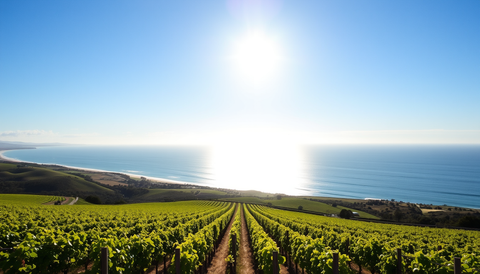
McLaren Vale shows why a grape's reputation can't be separated from its site. Shiraz thrives here as the regional benchmark, but Tempranillo can also make sense because the climate supports ripe fruit without requiring the wine to become heavy. Growers can use the grape's earlier ripening and naturally fresh profile to make a red that feels suited to Australian food and weather.
Wine Australia's flowering and fruitset work adds a useful vineyard distinction. Tempranillo at McLaren Vale West and Hills recorded mean flowering values from 204 to 226 with low seasonal variability across four seasons, while Shiraz across Adelaide Hills, McLaren Vale and Padthaway ranged from 135 to 320. The Australian technical study indicates that Tempranillo can offer more predictable in-season behaviour, while Shiraz expresses site and vintage differences more dramatically.
That predictability doesn't make Tempranillo easier to find. Shiraz is widely planted and reliably labelled. Tempranillo remains comparatively rare in Australia, so regional examples reward curious shoppers who are prepared to look beyond the main shelf.
Food Pairings for the Australian Table
Tempranillo is the better all-rounder for a crowded table. It has enough tannin for lamb and sausage, enough acidity for tomato and enough savoury character for mushrooms, lentils and roasted vegetables. That combination makes it useful for meals where nobody has agreed on one dominant flavour.
Try it with:
- Grilled lamb: Rosemary, garlic and char bring out the wine's savoury side without making it feel heavy.
- Chorizo and chickpea stew: The acidity cuts through the oil and the fruit meets smoked paprika comfortably.
- Mushroom risotto: Earthy flavours echo the wine's leather and dried-herb notes.
- Manchego and tapas: The moderate tannin handles hard cheese while the freshness keeps small bites inviting.
- Lentil shepherd's pie: Tempranillo gives the dish depth without bulldozing its vegetable character.
Shiraz still owns the barbecue. A structured McLaren Vale or Barossa bottle can stand beside charred steak, sausages, beef cheeks, sticky lamb ribs, pepper-crusted steak and a blue cheese burger. Its dark fruit and firm tannin make sense with smoky surfaces, rendered fat and concentrated sauces.
The conventional rule that big red requires big meat is too blunt. Young, unoaked Tempranillo can work with tuna on the grill, and lighter McLaren Vale Shiraz can handle mushroom-based vegetarian mains or hard cheeses without turning the meal into a contest.
Season changes the answer. Winter braises, slow-cooked beef and rich lamb lean towards Shiraz. Spring and summer grill nights often suit Tempranillo served slightly cool, particularly when the menu includes salads, smoky vegetables and shared plates.
Thai takeaway is where many big Shiraz bottles fail. Chilli, soy, herbs and sweet sauces can make high-tannin, high-alcohol reds taste hotter and more bitter. A lower-tannin Tempranillo is usually the rescue pour because its freshness gives spice somewhere to go instead of amplifying the burn.
Buying, Cellaring and Value in Australia
Shiraz is the safe purchase because Australia has built an enormous production and distribution system around it. Wine Australia's national figures record Shiraz at 538,402 tonnes, or 26.5% of the national crush, in 2021, compared with Tempranillo at 5,874 tonnes, or 0.3%. Wine Companion's Tempranillo overview also identifies the Riverland as the largest Tempranillo-producing region, followed by Murray Darling in Victoria, Murray Darling in New South Wales, the Riverina and the Barossa Valley.
That scale difference affects availability, not just vineyard bragging rights. You can usually find Shiraz across supermarkets, independent bottleshops and regional retailers at several quality levels. Tempranillo is more patchy, and the most interesting bottles may come directly from smaller producers or specialist retailers.
Buying and Cellaring Snapshot for Australian Buyers
| Factor | Tempranillo in Australia | Shiraz Australian |
|---|---|---|
| Availability | Limited and producer-dependent | Broad and dependable |
| Market role | Differentiation and curiosity | Volume, familiarity and regional identity |
| Style value | Strong when you want freshness and savoury detail | Strong when you want weight and proven regional expression |
| Vintage consistency | Can vary with producer, site and release | Generally easier to compare across a deep market |
| Best drinking approach | Often enjoyable young, especially in fresh styles | Everyday releases drink well young, while structured examples can develop |
| Cellaring decision | Buy for current drinking unless the producer gives clear ageing guidance | Choose structured regional or flagship bottlings for longer keeping |
The recent market picture adds nuance. Shiraz remains dominant, but Wine Australia reports its crush share falling to 23% in 2025, followed by a drop below one-fifth of national crush in 2026, the first time that has happened in 15 years. Wine Australia's later market bulletin also describes a shift towards lighter, fresher styles, while Tempranillo remains small but has shown growth in Australian on-premise consumption and regional production reporting.
For everyday value, Shiraz is still the safer availability play. Tempranillo is the smarter novelty play, particularly if you're bored with plush, heavy reds and want a bottle that works across several dishes.
Cellaring requires restraint. Don't buy a young Tempranillo assuming every bottle will improve for years. Most are more rewarding on release or after a short period of bottle development unless the producer has made a deliberately structured wine. Shiraz offers more obvious cellaring choices, but the label, vintage and producer matter more than the grape name alone.
For storage, keep bottles cool, dark and stable, away from sunlight and vibration. A cellar environment around 12 to 14 degrees is a practical target for Australian buyers. More advice on protecting bottles appears in this guide to red wine cellaring for Australian enthusiasts.
Which Red Should You Buy First
Three buyers usually ask this question, and they need three different answers.
The weekday cook wants reliable value and a bottle that can handle whatever dinner becomes. Buy a McLaren Vale Shiraz if the meal is built around beef, lamb, sausages or a barbecue. Its broader availability makes it easier to replace, and its darker fruit gives a simple midweek dish enough presence without requiring careful explanation.
The tapas eater wants freshness, savoury detail and less weight. Buy Tempranillo, or a Tempranillo blend, when dinner includes chorizo, tomato, smoked paprika, mushrooms, roast pork or several small plates. This is also the stronger choice for drinkers who find warm, powerful reds tiring.
The gift buyer needs recognisable quality and a clear drinking occasion. A structured Shiraz from a recognised sub-region is the safer Australian present because the recipient can usually understand what they're receiving. If you're buying imported Spanish wine, a Gran Reserva Rioja offers a more traditional Tempranillo route and suits someone who enjoys developed, oak-shaped reds.
Which Red to Grab First By Buyer Type
| Buyer Profile | Pick This | Price Band AUD | Best With | Cellar Window |
|---|---|---|---|---|
| Weekday cook seeking dependable value | McLaren Vale Shiraz | $20 to $30 | Steak, lamb, sausages and barbecue | Drink young, or follow the producer's guidance |
| Tapas and modern Australian diner | Tempranillo or Tempranillo blend | $18 to $28 | Chorizo, tomato dishes, mushrooms and shared plates | Usually best young or after short-term development |
| Gift buyer or short-term cellar shopper | Structured regional Shiraz or Gran Reserva Rioja | Not specified | Roast meat, rich dishes and formal dinners | Around three to eight years, depending on the bottle |
| Spicy-food household | Fresh, moderate-tannin Tempranillo | Not specified | Thai takeaway, chilli, soy and paprika | Drink young |
| Serious steak buyer | Structured McLaren Vale or Barossa Shiraz | Not specified | Rare steak, beef cheeks and blue cheese | Longer keeping depends on producer and release |
The rule breaks in predictable places. Skip Shiraz with spicy, high-acid tomato dishes unless you know the bottle is restrained. Skip Tempranillo when the meal is a huge rare steak and you want the wine to match its scale. A lighter red can work with steak, but it won't provide the same authority.
For a practical starter cart, choose three different jobs rather than three similar bottles: an approachable McLaren Vale Shiraz for barbecue and roast meat, a fresh Australian Tempranillo for tapas and weeknights, and a structured Shiraz or mature Rioja for gifting and short-term cellaring. If you're choosing between two specific bottles, visit McLaren Vale Cellars, where you can compare regional wines, mixed packs and tasting guidance before placing an order.
McLaren Vale Cellars offers McLaren Vale Shiraz, emerging varieties, curated sample packs, mixed half-case options and nationwide delivery on qualifying orders. Visit McLaren Vale Cellars to choose a Tempranillo for flexible weeknight drinking, a Shiraz for the barbecue, or a gift-ready bottle with regional character.
Comments (0)
There are no comments for this article. Be the first one to leave a message!