
Ever taken a sip of red wine and felt that distinctive dry, grippy sensation coating your tongue and gums? That’s tannin, and it’s one of the most important components in your glass. If you’ve ever had a strong cup of black tea and experienced that same mouth-drying quality, you’re already familiar with the work of tannins. They’re the natural compounds that give red wine its backbone, texture, and ability to age beautifully.
What Is Tannin in Wine and Why Does It Matter?
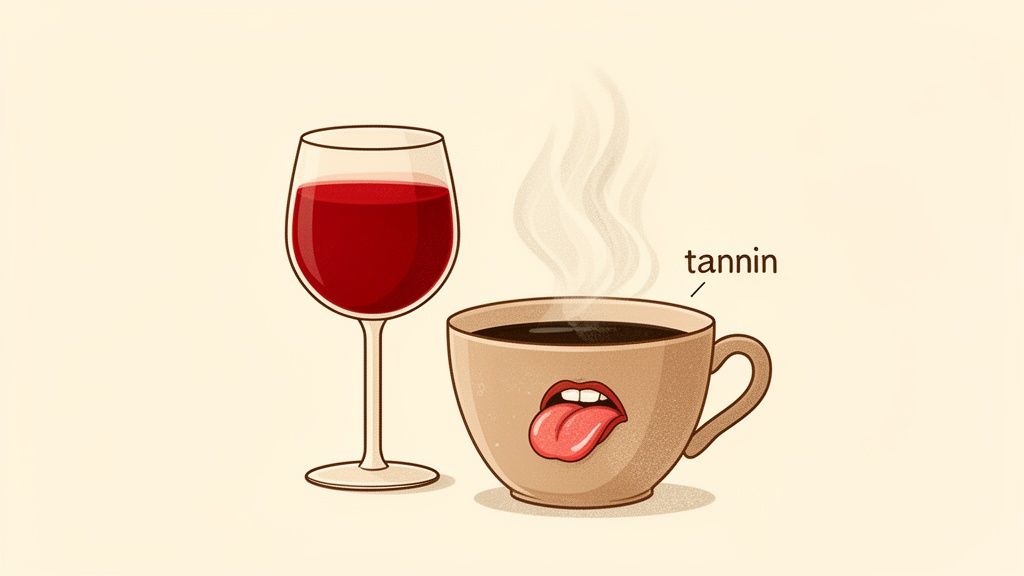
So, what are they, exactly? Tannins are a group of naturally occurring compounds called polyphenols, which are found in all sorts of plants. When it comes to wine, they’re concentrated in the grape skins, seeds (pips), and stems. These are the secret ingredients that provide the texture, complexity, and age-worthiness of a great red.
When you take a sip of red wine, those tannin molecules bind to the proteins in your saliva. This interaction is what creates that signature drying, slightly rough, or astringent sensation. It's a purely textural feeling, completely separate from the wine’s aromas or flavours.
The Role of Tannin in Your Glass
Getting a handle on tannin is key to understanding why certain wines feel the way they do. A wine high in tannin will feel firm, structured, and even a bit chewy. In contrast, a low-tannin wine will come across as much softer and smoother on the palate.
Here’s a breakdown of what tannins bring to the party:
- Structure: Think of tannins as the scaffolding that holds a wine together. They provide the framework that supports the fruit, acidity, and alcohol. Without them, a big, bold red would feel flabby and fall flat.
- Ageing Potential: Tannins are natural preservatives. They protect the wine from oxidation, allowing it to evolve slowly in the bottle. Over years, those tannins soften and integrate, helping complex new flavours and aromas to emerge.
- Mouthfeel: This is where the magic happens. Tannins are responsible for the incredible textural diversity in red wines, from silky and velvety to grippy and robust. Learning to describe this texture is a huge part of appreciating wine.
From Grape to Glass
The amount of tannin in a wine isn't left to chance; it’s shaped by both nature and the winemaker. Grapes with thicker skins, like Cabernet Sauvignon and Shiraz, are naturally higher in tannins than their thin-skinned cousins like Pinot Noir or Grenache.
But the winemaker’s touch is just as critical. The longer the fermenting grape juice stays in contact with the skins and seeds, the more tannins are pulled into the wine. Ageing in new oak barrels can also introduce wood tannins, which often contribute a smoother, spicier character to the finished product.
Where Do Tannins Actually Come From?
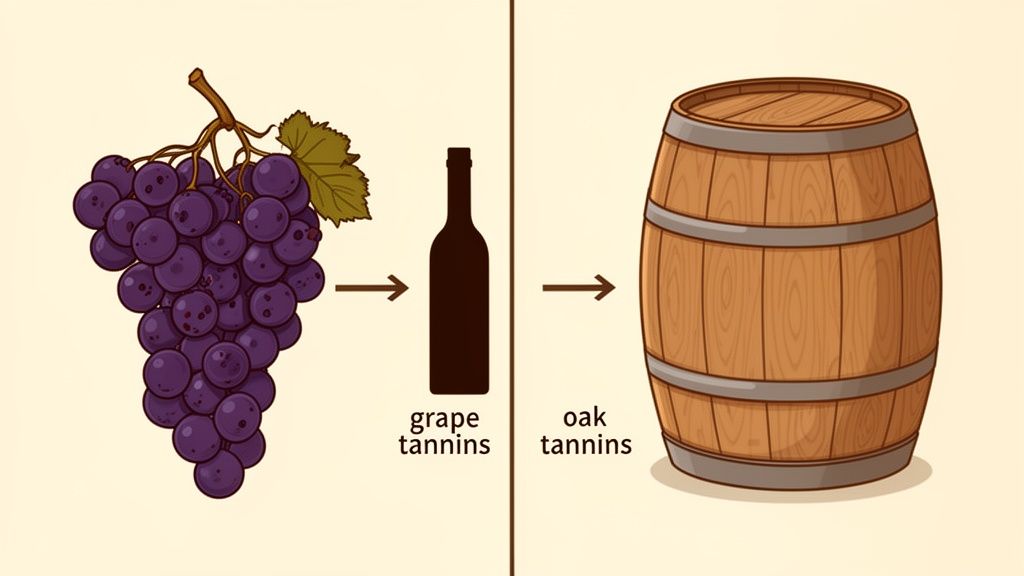
That distinctive, mouth-puckering texture in a red wine doesn’t just appear out of thin air. It’s drawn from two key places, and a good winemaker knows exactly how to orchestrate them to build a wine with harmony and structure.
The main event comes from the grape itself. These grape tannins, sometimes called condensed tannins, are found in the skins, seeds (or pips), and stems of the bunch. When making red wine, the juice is left to soak—or macerate—with all these solids. This is where the magic happens, as colour, flavour, and of course, tannin are all extracted.
How long the winemaker lets this party go on is a huge decision. A longer maceration pulls out more tannins, creating a robust wine built to age. A shorter soak results in a softer, friendlier style that’s ready to drink sooner. It’s one of the first and most critical steps in defining a wine's personality.
Grape Tannins: The Heart of the Matter
Grape tannins are the very backbone of a red wine. They come in a few different flavours depending on where they're from, and managing them is a real art form.
- Skin Tannins: These are the ones we really want. When grapes hit that perfect point of ripeness, skin tannins feel fine, velvety, and almost powdery, adding richness without any harshness.
- Seed Tannins: Pips can be tricky. If the grapes aren't quite ripe, their tannins can be seriously bitter and green. Winemakers will often tweak fermentation to keep these in check, favouring the much more supple tannins from the skins.
- Stem Tannins: Stems are usually removed, but some winemakers like to throw a portion into the ferment—a technique known as whole-bunch fermentation. This can bring in some cool, spicy, herbal notes and a different kind of structural tannin.
The real secret to incredible red wine is achieving phenolic ripeness. This is the point where the tannins in the grape skins have softened and developed complexity while still on the vine, allowing the winemaker to extract all that beautiful texture without any bitter, underripe flavours.
Wood Tannins: The Finishing Touch
The second source of tannin comes from outside the grape entirely: oak barrels. These are known as hydrolysable tannins, and they join the party when a wine is aged in wood. Unlike grape tannins that can sometimes feel a bit grippy, oak tannins are generally smoother and often add more flavour than pure astringency.
New oak barrels give the biggest hit of tannin, along with those classic notes of vanilla, clove, and spice. The more a barrel is used, the softer its influence becomes. The choice of oak—be it French, American, or Hungarian—and the level of 'toast' (how much the inside is charred) adds even more layers to the final wine.
Here in McLaren Vale, winemakers are masters at balancing these two sources. Our warm, coastal climate is perfect for ripening big reds like Shiraz and Cabernet Sauvignon, developing those lush, mature grape tannins right in the vineyard. Any oak that follows is a stylistic choice, used to add another layer of spice and complexity rather than building the wine's fundamental structure.
To dig deeper into how these elements come together, you can learn more about the science behind wine fermentation and tannins in our detailed guide.
How to Taste and Describe Tannins Like a Pro
Moving beyond simply calling a wine ‘dry’ is your first step towards really getting what tannin brings to the table. Tasting for tannin isn’t about flavour at all; it's a purely textural thing. You need to zero in on the physical sensations in your mouth—specifically on your tongue, gums, and the inside of your cheeks.
To really feel it, take a decent sip of red wine and give it a good swish around your mouth for a few seconds. Once you've swallowed, pay attention to what's left behind. Does your mouth feel a bit dried out? Is there a slightly rough or grippy texture coating everything? That, right there, is the tannin.
Locating Tannin on Your Palate
The intensity of this drying sensation and where you feel it most can tell you a lot about the wine.
A high-tannin wine will often make its presence known with a powerful drying feeling right on your front gums and the tip of your tongue. On the flip side, softer, more integrated tannins might just feel like a fine, subtle texture that gently coats your entire mouth.
Want to put it into practice? Pour a bold Cabernet Sauvignon and a soft Grenache and taste them side-by-side. You'll immediately notice how the Cab creates a much stronger, more structured drying sensation compared to the gentler feel of the Grenache. This is a brilliant way to start training your palate. To take it further, our complete guide on how to taste wine like a sommelier dives deeper into structured tasting techniques.
Building Your Tannin Vocabulary
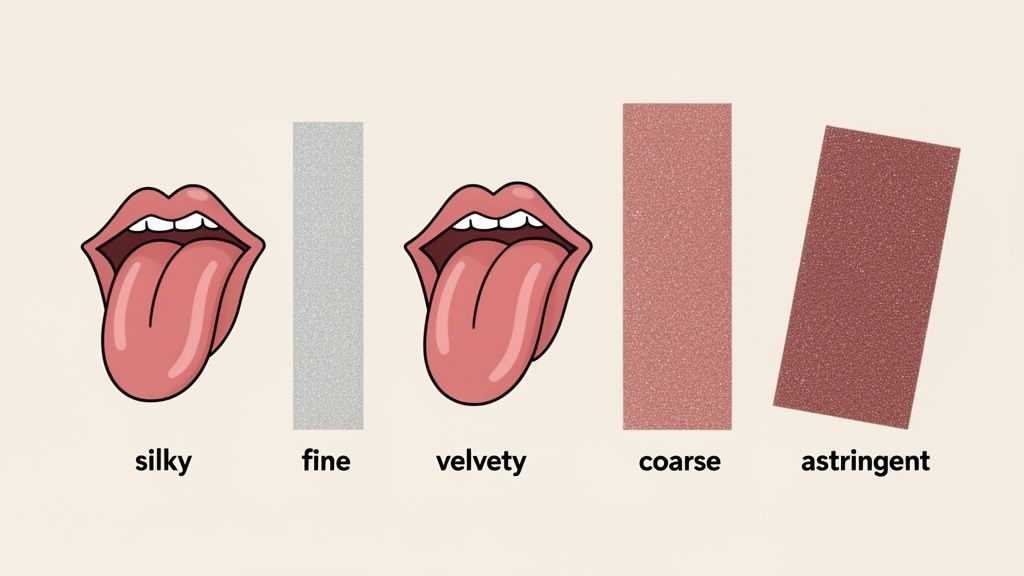
Once you can spot tannins, the next challenge is to describe their quality. Are they aggressive or gentle? Smooth or coarse? Analogies are your best friend here. A classic one is to think about different sandpaper grits, from super rough to ultra-fine.
Here’s how you can start to talk the talk:
- Coarse or Grippy: These feel rough and almost abrasive, like a low-grit sandpaper. You'll find them in young, powerful wines that could use more time in the bottle to soften up.
- Firm or Structured: You can definitely feel these tannins providing a solid framework, but they aren't unpleasantly rough. Think of them as a medium-grit sandpaper giving the wine its backbone.
- Fine-Grained or Powdery: This describes a much more delicate texture, like a fine dust or high-grit sandpaper. It’s a texture that’s present without being aggressive.
- Silky or Velvety: This is what many winemakers are chasing. The tannins are so smooth and beautifully integrated that they create a seamless, luxurious feeling in the mouth.
Tasting Tip: The term ‘astringent’ is what we use for tannins that are particularly harsh, making your mouth pucker up. This isn't the same as the pleasant drying quality of well-managed tannins and can sometimes be a sign of underripe grapes or a heavy hand in the winery.
The Spectrum of Tannin in McLaren Vale Wines
The best way to learn is by tasting, and the incredible range of reds from McLaren Vale is the perfect classroom. From soft Grenache to powerful Cabernet, our region offers a full spectrum of tannin textures.
The table below is your cheat sheet, breaking down how different McLaren Vale wines express tannin. It’s a practical guide to what you can expect in the bottle, using examples from our own collection to bring the concepts to life.
| Tannin Level & Texture | What It Feels Like | McLaren Vale Wine Example |
|---|---|---|
| Low & Soft | A gentle, smooth texture with barely any drying sensation. The wine feels rounded and supple in your mouth. | Grenache |
| Medium & Velvety | A noticeable but plush texture that feels like velvet. It adds body and richness without being harsh. | Shiraz |
| High & Structured | A firm, powerful grip that coats your mouth. This provides a strong backbone and promises excellent ageing potential. | Cabernet Sauvignon |
By tasting your way through these styles, you’ll quickly develop a feel for the different personalities of tannin. Before you know it, you’ll be describing them like a seasoned pro. Happy tasting
Why Tannins Are Essential for Ageing Wine
Tannins are far more than just a textural thing in a glass of red wine. They're the silent architects, giving a wine the structural backbone it needs to evolve and get better over time. Think of tannins as a natural preservative, the very soul of a great red’s longevity.
Without a solid tannin structure, a wine would simply fall apart and fade. Tannins are powerful antioxidants, shielding the delicate fruit and floral notes from the damaging effects of oxygen. It’s this protection that allows a wine to mature gracefully in the cellar, transforming from a vibrant, youthful drink into something far more complex and layered.
The Structural Scaffold of Wine
Imagine you're building a house. You need a strong frame to hold up the walls, the roof, and everything inside. In wine, tannins are that frame. They form a structural scaffold that holds all the other key players—fruit, acidity, and alcohol—in perfect balance.
As a wine ages, this scaffold allows for a slow, controlled evolution. Those initially firm tannins begin to polymerise, a fancy word for a process where smaller tannin molecules link together to form longer, smoother chains. This is exactly why an aged red feels softer and more velvety than its younger, more aggressive self. The fruit flavours evolve too, moving from fresh and primary to dried, savoury, and earthy.
A wine's ability to age is a delicate dance between its components. The tannin structure must be robust enough to support the wine for years, even decades, allowing those beautiful tertiary aromas of leather, tobacco, and forest floor to emerge.
Ripe vs. Unripe Tannins
But here’s the thing: not all tannins are created equal when it comes to ageing. The quality of the tannin in wine is just as important as the quantity. This is where the idea of ripeness becomes absolutely crucial for anyone looking to cellar a bottle.
- Ripe Tannins: These are the holy grail for any premium red. Achieved when grapes reach full phenolic ripeness on the vine, these tannins are fine-grained, velvety, and beautifully integrated. They provide the necessary structure for ageing without ever feeling harsh or bitter.
- Unripe Tannins: In contrast, tannins from underripe grapes can be coarse, green, and unpleasantly grippy. These "unripe" tannins will never fully soften, no matter how long the wine is aged. Instead, they’ll stay aggressive, and as the fruit fades over time, their harshness only becomes more obvious.
This distinction is precisely why premium McLaren Vale reds are so cellar-worthy. Our region’s climate allows for the slow, even ripening needed to develop those desirable, supple tannins. Winemakers here are masters at managing this process, crafting wines with the backbone to promise a beautiful evolution for collectors. This careful balance is a key factor in the science behind wine ageing and why some bottles improve so wonderfully with time. This foundational structure ensures that a well-chosen bottle will reward your patience for years to come.
McLaren Vale: A Masterclass in Ripe Tannins
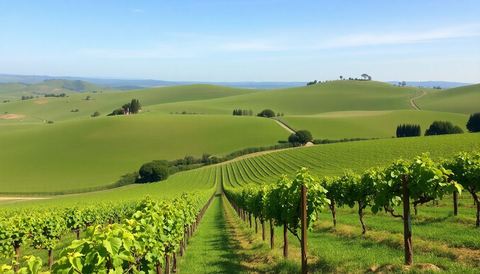
While tannins are part of the deal in red wines everywhere, some places just have a natural knack for getting them right. McLaren Vale, tucked between the Mount Lofty Ranges and the Gulf St Vincent, is one of those magic spots. Winemakers here don’t just wrestle with tannins; they nurture them into a signature style of ripeness, power, and a ridiculously smooth, velvety texture.
This isn’t some happy accident. It’s all down to the local geography. Cool afternoon sea breezes roll in off the nearby ocean, acting like a natural air conditioner for the vineyards. This slows everything down in those critical last few weeks of summer, giving the grapes extra time to hang on the vine and reach perfect phenolic ripeness.
This "hang-time" is the secret sauce. It allows the tannins in the grape skins to soften and mature completely. As a result, winemakers can pick fruit that’s bursting with flavour, with tannins that are supple and plush, not harsh or bitter like you’d get from underripe grapes. It’s this natural balance that gives McLaren Vale reds their trademark opulent mouthfeel, making them approachable even when they’re young.
The Key Varietals and Their Tannin Profiles
McLaren Vale's reputation is built on a few key red grapes, and each one shows off the region's ripe tannin character in its own way. Getting to know them is the best way to understand the local style.
-
Shiraz: The undisputed king of the region. McLaren Vale Shiraz is famous for being powerful yet incredibly smooth. The tannins aren't aggressive or coarse; they're dense and fine-grained, creating a rich, velvety texture that just coats your mouth. It's a luxurious, full-bodied red where the structure feels completely seamless.
-
Cabernet Sauvignon: While Shiraz is all about that plushness, Cabernet brings a more classic, structured tannin profile to the party. In McLaren Vale, these tannins are firm and well-defined, building a sturdy framework that promises a long life in the cellar. They have a distinctive fine grip but never stray into being overly drying.
-
Grenache: As a thinner-skinned grape, Grenache is naturally lighter on tannins. The regional style leans into this, producing wines that are silky and smooth with a wonderfully supple mouthfeel. It’s the perfect grape for anyone who prefers their reds with less tannic chew but still wants heaps of flavour and personality.
McLaren Vale's real skill lies in delivering power without sacrificing elegance. The region consistently crafts wines where the tannin in wine is a feature of textural richness, not a challenge to get through. It’s about that beautiful sweet spot where structure and fruit are in perfect harmony.
Why McLaren Vale Tannins Stand Out
The region's unique maritime climate is the engine behind its exceptional reds, which make up about 90% of its vineyard focus. This environment keeps temperatures in check, allowing grapes to ripen fully and develop high levels of glycerol, which adds to that smooth, supple mouthfeel. The main players are Shiraz (62% of plantings), Cabernet Sauvignon (16%), and Grenache (6%), all of which thrive here.
They produce wines with dense, opulent tannins, often hitting 14%+ alcohol with ripe, fleshy textures perfect for classic GSM blends. Even in tougher years, like the 2025 vintage where the red crush was 19,896 tonnes, the fruit is celebrated for its fine natural tannins—a real testament to the region’s resilience. You can learn more about what makes McLaren Vale wines unique in this complete regional overview.
This focus on ripeness doesn't just affect the texture; it shapes the entire flavour profile. The tannins are so well-integrated that they lift and amplify the rich dark fruit flavours of blackberry, plum, and dark chocolate, adding layers of complexity and depth. It's this killer combination of powerful fruit and polished structure that makes McLaren Vale wines so compelling and instantly recognisable on the world stage.
Pairing Food with Tannic Wines
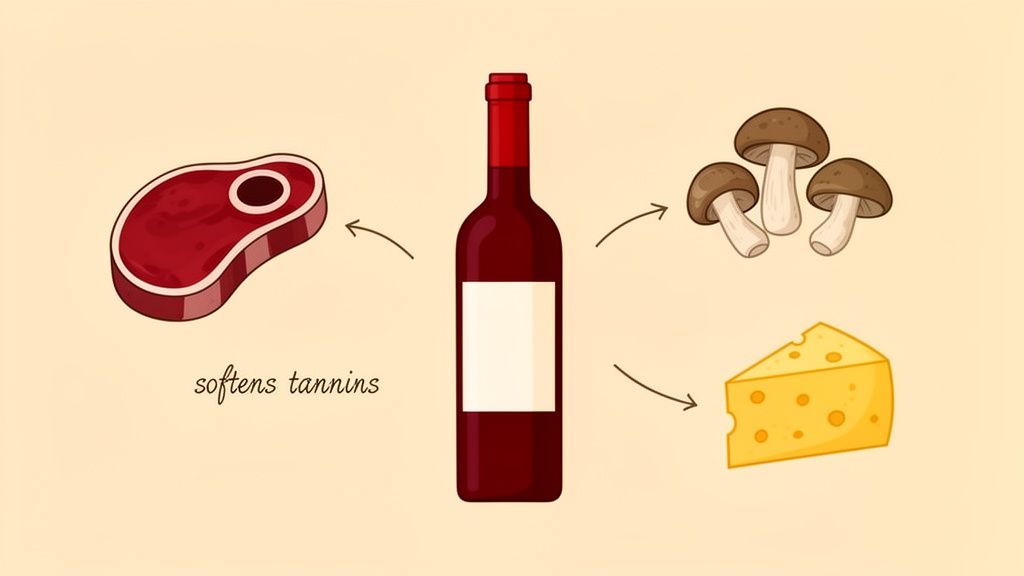
The right food can completely transform a tannic wine, softening its powerful structure into something smooth, velvety, and luxurious. It's a bit of delicious chemistry, and the secret lies in the beautiful dance between tannin, fat, and protein.
When you sip a high-tannin wine, its molecules latch onto the proteins in your saliva, which causes that grippy, drying feeling on your gums. But when you introduce food rich in fat and protein, the tannins find something much more interesting to bind with.
This molecular handshake is exactly what's happening when you pair a bold red with a juicy steak. The wine's tannins bind to the food's proteins instead of your mouth's, instantly making the wine feel rounder and smoother, and letting the fruit flavours take centre stage.
Classic Pairings for High-Tannin Wines
The golden rule here is simple: match weight with weight. Big, structured wines need rich, flavourful dishes that won't get overpowered. The fat and protein in these foods are the perfect foils for a wine's powerful tannic grip.
Here are a few can't-miss pairings that put this principle into practice:
- Grilled or Roasted Red Meats: A marbled steak or slow-roasted leg of lamb with a gutsy McLaren Vale Cabernet Sauvignon is a match made in heaven. The meat's fat and protein mellow the tannins beautifully.
- Rich Braises and Stews: Think beef bourguignon or a hearty lamb shank stew. These dishes have the depth and richness to stand up to a structured Shiraz.
- Hard, Aged Cheeses: Cheeses like aged cheddar, Parmesan, or Pecorino are high in fat and protein, making them fantastic partners for tannic reds. The saltiness of the cheese also helps to dial up the wine's fruit notes.
The goal is to create harmony. The fat in the food cleanses your palate of the wine’s astringency, and each sip of wine then cuts through the food's richness, getting you ready for the next bite. It's a perfect cycle.
Vegetarian and Vegan Tannin Taming
You absolutely don't need meat to tame a tannic wine. Plenty of plant-based ingredients offer the right combination of protein and earthy flavours to perform the same magic trick, making the tannin in wine feel much softer on the palate.
Look for dishes that hero these ingredients:
- Mushrooms: Earthy, umami-rich mushrooms—especially portobello or shiitake—have a "meaty" texture that is just brilliant with structured reds. A creamy mushroom risotto or a grilled portobello burger is an excellent choice.
- Lentils and Beans: A hearty lentil stew, black bean burgers, or a rich bean casserole provides the protein and texture needed to go toe-to-toe with a firm wine.
- Nuts and Seeds: Dishes featuring walnuts, chestnuts, or roasted seeds can also work wonders, offering the fats and proteins that help soften those tannins.
By keeping these simple ideas in mind, you can confidently create pairings that elevate both your food and your wine, turning any meal into a memorable one.
A Few Final Questions About Tannin
The world of tannins can be complex, and it's natural for a few questions to pop up. To wrap things up, we’ve put together a quick rundown of the most common queries we hear. Think of it as a handy cheat sheet for those last few curiosities.
Are There Tannins in White Wine?
Yes, but usually not very many. The big difference comes down to winemaking. Most white wines are made by pressing the juice away from the grape skins, seeds, and stems almost immediately. Since that’s where most of the tannins live, white wines end up with a much softer, smoother texture.
There are a couple of interesting exceptions, though:
- Oak Ageing: When a white wine is aged in oak barrels (especially new ones), it soaks up tannins from the wood itself. This adds a lovely textural richness and a touch of spice, common in many Chardonnays.
- Skin Contact: You might have heard of ‘orange wines’. These are essentially white wines made like reds, where the juice is left to ferment on the skins. This process extracts colour, flavour, and a whole lot of tannin, giving them a grippy, textured mouthfeel that’s completely different.
Can Tannins Give You a Headache?
This is probably the most common myth in the wine world, but the science just doesn't support it. While many people point the finger at red wine when a headache strikes, there’s no solid evidence that tannin in wine is the actual cause.
Think about it: countless other everyday treats like dark chocolate, strong black tea, and walnuts are packed with tannins, yet they rarely get the blame. A more likely culprit for wine headaches could be other natural compounds like histamines or tyramine. And, of course, the most common reason is often simple dehydration from the alcohol itself.
If you find bold reds give you trouble, try having just one glass and make sure to drink plenty of water alongside it. It might also be worth experimenting with a naturally low-tannin red, like a beautiful McLaren Vale Grenache, to see if that makes a difference.
How Do Winemakers Control Tannin Levels?
Great question! Managing tannins is one of the most important jobs a winemaker has. It’s a true art, a delicate dance that starts in the vineyard and continues all the way through to bottling.
It all begins with how the grapes are grown. Winemakers will manage the leaf canopy to get the perfect amount of sun on the bunches and decide the exact right moment to harvest, ensuring the tannins are ripe and smooth, not harsh and green.
In the winery, they control how long the juice soaks on the skins—a process called maceration. More time means more tannin extraction, which builds structure. After fermentation, they use gentle pressing methods to avoid squeezing out any bitter tannins from the seeds.
If the wine still feels a bit too aggressive, they can use a technique called fining. By adding a natural agent like egg whites, they can gently bind to the harsher tannin molecules. These then fall to the bottom of the barrel and can be removed, effectively polishing the wine and making it feel smoother on the palate.
Ready to taste some of the finest examples of ripe, velvety tannins from one of Australia's top wine regions? McLaren Vale Cellars has curated a stunning selection of Shiraz, Cabernet Sauvignon, and Grenache that perfectly capture the region's masterful approach to tannin. Find your next favourite red and enjoy free delivery on orders over $100.


Comments (0)
There are no comments for this article. Be the first one to leave a message!