
You're standing in a bottle shop, looking at a row of pink wines. One label promises ripe berries, another says dry, and a third looks darker and fruitier. You want a sweet rosé wine, but you don't want to guess from colour, a poetic tasting note or a picture of strawberries.
That confusion is understandable. In Australian rosé, residual sugar, fruit flavour and acidity can point in different directions. A dry wine may taste juicy, while a wine with measurable sugar may feel fresh rather than syrupy. The guide below will help you read labels, understand sweetness in grams per litre and compare sweeter options with dry McLaren Vale rosé before committing to a full dozen.
What Sweet Rose Wine Actually Means
A bottle of rosé can look invitingly pink and still taste crisp, savoury and completely dry. Another may be pale yet carry noticeable sweetness. Colour is a clue to style, not a reliable sweetness test.
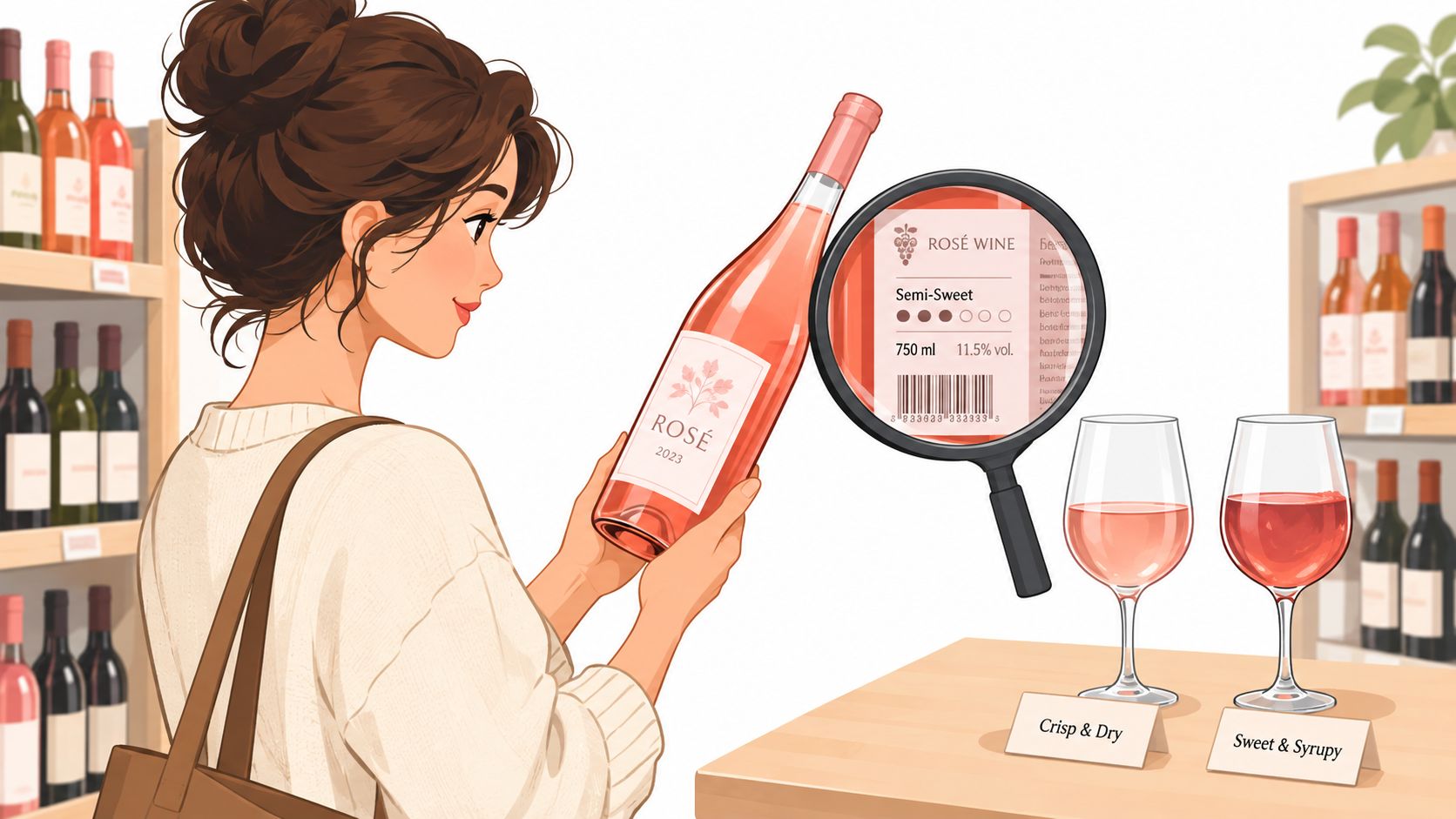
The technical starting point is residual sugar, the glucose and fructose left in the wine after fermentation. If yeast converts nearly all the fermentable sugar into alcohol, the wine is dry. If some remains, the wine can taste off-dry, medium sweet or sweet. That number matters, but it doesn't tell the whole story because acidity can make a wine with sugar taste lively rather than heavy.
Everyday language creates another trap. People often call rosé “sweet” when they mean fruity, especially if the wine smells of strawberry, watermelon or ripe red berries. Those aromas can suggest sweetness even when the wine contains little residual sugar. A dry rosé with generous fruit can therefore taste sweeter than its technical classification suggests.
Australian rosé has also travelled through a major style shift. Earlier examples were often associated with bright pink colour, overt fruitiness and noticeable residual sweetness, a reputation linked partly to the popularity of Mateus Rosé. Modern premium rosé has generally moved towards paler colour and drier flavour, although approachable sweet and off-dry styles still have a place for drinkers who prefer softness and fruit.
For a useful Australian overview of how the pink style changed, explore this guide to the evolution of rosé wine. The practical lesson is simple: don't choose by colour alone. Check the sweetness descriptor, look for sugar information where available, and consider whether the tasting notes describe sugar or merely ripe fruit.
Residual Sugar and the Australian Sweetness Scale
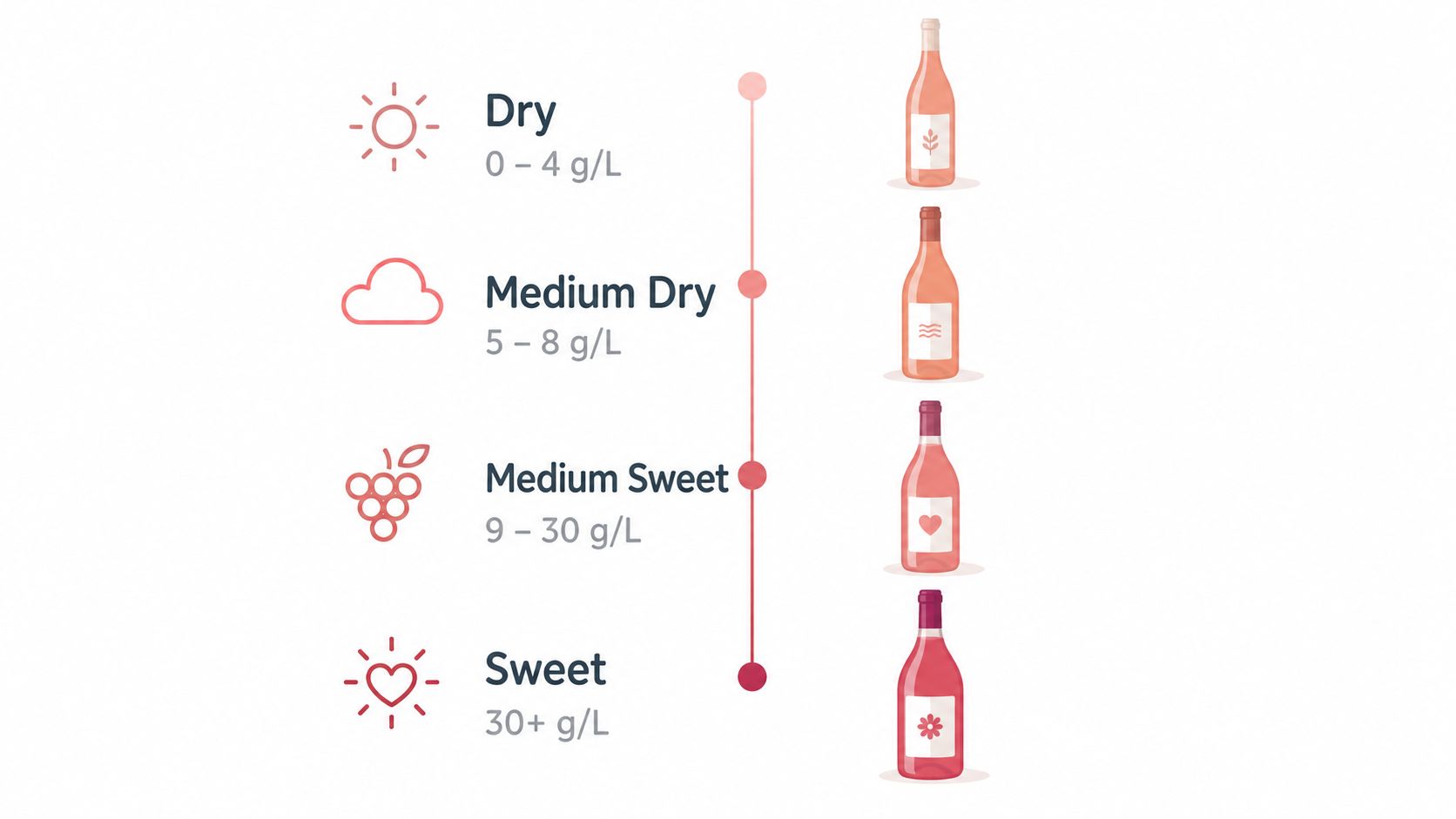
A sweetness label becomes much more useful once you connect it with grams per litre, or g/L. Residual sugar measures what remains in the wine, not how sweet the fruit smelled during fermentation or how ripe the berries seemed at harvest.
Australian wine references commonly use a ladder that moves from dry through medium dry and medium sweet to sweet. The exact taste still depends on acidity and alcohol, but the categories give you a starting point when a product page doesn't offer a detailed tasting note.
Read the number before the adjectives
If a listing says 8 g/L, treat that as evidence of measurable residual sugar, not an automatic promise of dessert-like sweetness. A wine with bright acidity may taste refreshing at that level, while a softer wine can make the sugar feel more obvious. If the listing says 2.5 g/L, that figure gives you a more precise comparison than a vague phrase such as “fruity”.
AWRI guidance states that when a descriptor such as “dry”, “medium dry” or “sweet” isn't used, the actual sugar concentration should be displayed, with 2.5 g/L given as an example. That transparency helps you compare bottles without relying on label design or assumptions about grape variety.
Use the scale as a shopping tool:
- Dry: Expect little obvious sugar, though ripe fruit aromas can still make the wine seem generous.
- Medium dry: Look for a gentle roundness, often balanced by noticeable freshness.
- Medium sweet: Expect sugar to contribute clearly to the palate, with acidity deciding whether the finish feels bright or plush.
- Sweet: Look for a more apparent sugar presence and a fuller, softer impression, especially if acidity is restrained.
This is similar to comparing other drinks by their actual ingredients rather than their flavour language. If you're also exploring smarter swaps for everyday wellness, the same habit applies: check the information panel instead of assuming that a fruity taste tells you everything.
For a broader explanation of how the categories work, keep this Australian wine sweetness scale beside you while browsing. It won't replace tasting, but it will make your first choice more deliberate.
Why Two Roses of the Same Sugar Level Taste Different
Two rosés with the same residual sugar can taste surprisingly different. Acidity controls freshness, while alcohol adds warmth and weight. Glycerol may make the texture feel rounder, and fruit aromas can suggest sweetness even when they add no sugar.
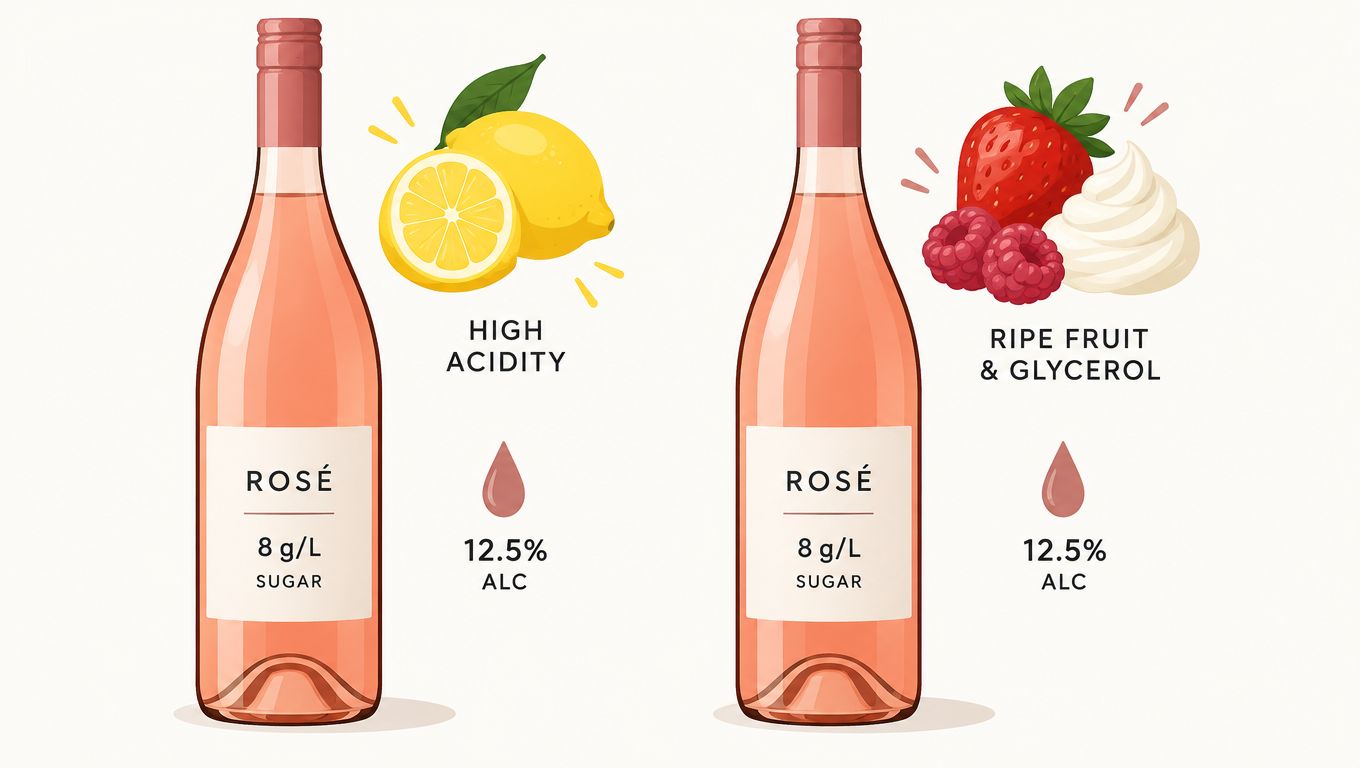
Serving temperature changes the balance you notice. Taste the same off-dry rosé straight from the refrigerator, then again as it warms. Colder wine can make acidity feel sharper and sugar less obvious. With warmth, aromas open and the texture seems rounder, so the same glass may taste softer and sweeter. Its sugar level has stayed the same. Your perception has shifted.
Read the glass through four signals
Sweetness becomes more noticeable when sugar and acidity are poorly balanced. Sugar can feel heavy without enough freshness, while lively acidity keeps a wine with residual sugar clean and bright. The technical discussion of sugar and acidity in wine explains this relationship between the two sensations.
Use these questions when comparing bottles:
- What does the wine smell like? Candied strawberry and ripe watermelon create a sweeter impression, but aroma alone cannot confirm residual sugar.
- How does the acidity feel? Lemon, grapefruit and a mouth-watering finish can make sugar seem lighter.
- What texture does alcohol provide? Warmth and body can make a rosé seem rich, even when its sugar level is modest.
- How cold is the wine? Very cold service can mute aroma and make the palate feel leaner. A warmer glass can reveal more fruit and roundness.
A dry McLaren Vale rosé may taste sweet because ripe strawberry aromas dominate. A rosé with more sugar may remain balanced, even slightly savoury, when acidity keeps the finish taut. Compare the g/L figure with the producer's notes, then decide whether you prefer freshness or softness.
Production Methods That Shape Sweetness
A rosé's production method affects its colour, body and fruit character, but it does not determine whether the wine is sweet. The deciding point is what happens to the sugar during fermentation. A saignée rosé can be dry, while a directly pressed wine can retain sweetness.
Saignée involves drawing pink juice from a vessel used for red-wine fermentation. The remaining red wine becomes more concentrated, and the extracted juice ferments separately. Earlier Australian rosé was sometimes treated as a secondary product, with sweetness helping soften flaws in the finished wine. Australian rosé commentary describes this historical use of saignée and its connection with Australia's earlier reputation for sweet, intense coloured rosé.
Direct pressing sends red grapes straight to the press with limited skin contact. The lightly coloured juice then follows a white-wine-style fermentation. This approach often produces pale, fresh rosé, and the wine commonly tastes dry when fermentation consumes the available sugar.
Short-contact maceration keeps the juice on grape skins briefly before pressing or separation. More skin contact can bring deeper colour and stronger red-fruit flavour, yet it does not set the sweetness level. The winemaker may ferment that juice dry or leave some sugar behind.
Fermentation management makes the final difference. A producer can stop fermentation before yeast consumes all the sugar, use controlled temperature changes to preserve natural grape sweetness, or blend different components for a chosen balance. Any wine with fermentable sugar needs stability control, because remaining yeast can restart fermentation in the bottle.
Technical notes offer practical clues:
- Residual sugar: Shows how much measurable sugar remains in the finished wine.
- Arrested fermentation: Indicates that yeast activity stopped before all available sugar was consumed.
- Off-dry or medium sweet: Suggests noticeable softness, although acidity can make the wine taste fresher.
- Dry fermented: Usually means fermentation finished with little fermentable sugar left.
Production explains a rosé's colour and texture. The sugar figure, acidity and tasting conditions give a clearer answer about how sweet it will seem in your glass.
Tasting Notes for Sweeter Rose Styles
Shelf notes can help when you have only a short time to choose. For a sweeter rosé, search for language that suggests candied or ripe fruit, not just fresh berry aroma.
Typical cues include:
- Candied strawberry: A confectionery edge that often points towards a sweeter impression.
- Turkish delight and rose petal: Floral sweetness in aroma, with a soft, perfumed character.
- Ripe watermelon: Juicy and rounded rather than sharply crisp.
- Pink grapefruit jelly: Citrus fruit with a sugary texture instead of plain grapefruit zest.
- Soft, lingering finish: A gentle mouthfeel that doesn't narrow quickly into a dry, savoury close.
By contrast, dry Australian rosé often presents red apple, cranberry, citrus, wild herbs or savoury mineral notes. Those wines can still be fruit-forward, but the finish usually feels more refreshing than plush. A description such as “strawberry” alone doesn't tell you enough. “Fresh strawberry with crisp acidity” suggests something different from “candied strawberry with a rounded finish”.
Don't let colour make the decision
Deep pink colour may come from longer contact with grape skins, a particular variety or winemaking choices. Pale colour may accompany dry, delicate rosé, but it doesn't guarantee the absence of sugar. Treat appearance as an invitation to investigate, not as proof.
Australian research involving Gen Z consumers found that respondents referred to sweetness and colour more often than technical winemaking factors when describing what they liked or disliked about rosé. The Australian rosé perception research helps explain why shoppers often begin with visual cues.
A practical shelf routine is to scan the back label for “sweet”, “medium sweet” or “off-dry”, then search the product page for residual sugar. If no figure appears, use the flavour language cautiously. Ripe, candied and soft are stronger clues than pink, berry or summer.
Food Pairings That Make Sweet Rose Sing
Sweet rosé works best when the food either matches its softness or gives it something salty, spicy or savoury to balance. The wine's fruit can cushion chilli, while its acidity keeps rich or sticky dishes from feeling flat.
Try these combinations at home:
- Thai salad: The wine's sweetness can soften chilli and sit comfortably beside lime, herbs and aromatic dressing.
- Chilli prawns: Fruitiness gives the prawns a cooling contrast, while acidity keeps the pairing lively.
- Barbecue chicken with a sweet glaze: Matching the glaze prevents the wine from tasting thin or sharp.
- Soft cheese with quince paste: The sweet and savoury combination makes the wine feel integrated rather than sugary.
- Washed-rind cheese: Salty, aromatic cheese gives a sweeter rosé a useful counterpoint.
- Pork bao: Soft bread, savoury pork and sweet sauces create a natural bridge to the wine.
- Watermelon and feta salad: The wine echoes the fruit while the feta supplies salt.
- Strawberry dessert: A fruit-led rosé can continue the berry theme without introducing heavy chocolate or cream.
A dry rosé may disappear beside a strongly spiced or sweetly glazed dish. A sweeter style has more cushioning, particularly when the meal includes chilli, salty garnishes or ripe fruit. Keep the wine well chilled, then allow it to warm slightly in the glass if you want its floral and berry aromas to show more clearly.
The easiest rule is to match intensity. Delicate watermelon and feta need a lighter, fresher rosé, while sticky barbecue, aromatic curries and strongly flavoured cheese can handle a fuller, sweeter expression.
Finding Sweeter Rose in the McLaren Vale Cellars Range
A shopper comparing two McLaren Vale rosés may find that both descriptions mention berries, yet only one tastes genuinely sweet. The difference can come from residual sugar, acidity, serving temperature and texture, so product-page wording needs careful reading.
McLaren Vale Cellars lets you filter rosé selections from dry to sweet before comparing individual bottles. That filter narrows the search, but it does not replace the technical details. A wine described as fruity may still be dry, while terms such as off-dry, sweet, soft or lusciously fruited point toward more apparent sweetness.
Australian rosé has enough variety to make side-by-side testing useful. Wine Australia reports that consumption increased by an average of 13% per year over the five years covered by its market analysis, and domestically produced rosé represented 61% of off-premise volume. Wine Australia's rosé market analysis places sweeter rosé within a broad Australian category, rather than treating it as a rare niche.
Use the store's filters and product pages in this order:
- Start with the sweetness filter. Separate explicitly sweet or off-dry wines from dry rosés whose fruit descriptions may sound sweet.
- Check residual sugar. A listed g/L figure gives you a more useful comparison than fruit adjectives alone.
- Read the tasting notes for texture. Candied fruit, ripe watermelon, floral sweetness and a soft palate support a sweeter impression.
- Look for balancing language. Crisp, savoury, mineral and bone dry suggest a different style, even if the wine smells fruity.
Choose two or three candidates rather than committing to a full dozen. A sample pack lets you compare styles with less risk, while a Half and Half mixed bundle can place a sweeter rosé beside a dry one at the same meal. Once your preference is clear, dozen deals or value packs become more practical for entertaining or keeping a regular house pour.
For regional context, consult the store's Tasting Guide and this Australian rosé buying guide. The practical sequence is filter, check g/L information, shortlist, sample, then reorder the style that tasted sweetest to you.
Sweetness, Alcohol and Smart Serving Choices
Sweetness and alcohol are separate attributes. A sweeter rosé isn't automatically higher in alcohol, and a dry rosé isn't automatically lighter in energy. Compare both the alcohol percentage and the sugar information, then consider how much wine you pour.
Sugar contributes energy, and AWRI guidance notes that even a relatively modest sugar concentration can be nutritionally relevant alongside alcohol. The practical point isn't to label one style as good or bad. It's to avoid assuming that a pink, fruity wine is automatically a lighter choice.
Serving habits give you control:
- Pour less: A smaller glass lets you enjoy the wine while reducing the amount consumed.
- Serve chilled: Freshness can make a sweeter wine feel more balanced and prevent the need to pour heavily.
- Use soda or ice when appropriate: A spritz-style serve changes the concentration and can suit a long, casual occasion.
- Compare labels: Check alcohol, sugar and serving information together rather than focusing on sweetness alone.
- Offer two styles: A sweeter bottle and a dry bottle let guests choose without forcing one profile on the whole group.
Australia's labelling rules are also changing. The Food Standards Code was amended on 13 August 2025 to introduce energy statements for wine, and products packaged and labelled from 13 August 2028 will need the required energy information, following a three-year transition period. The Australian wine labelling update explains the timing.
Until those statements appear on relevant products, use the information already available: alcohol content, residual sugar where listed and sensible serving choices. The best sweet rosé is the one whose flavour, food pairing and occasion all line up, not the one chosen from colour alone.
McLaren Vale Cellars offers rosé wines that can be filtered by sweetness, along with sample packs, Half and Half bundles and dozen options for comparing and stocking styles. Visit McLaren Vale Cellars to shortlist a sweeter rosé, place it beside a dry McLaren Vale option and choose with more confidence.

Comments (0)
There are no comments for this article. Be the first one to leave a message!