
You're standing in front of a sparkling shelf, reading labels that say Moscato, Asti, demi-sec and frizzante, but none of them tells you plainly whether the bottle will taste like ripe peaches, dry toast or sweet grape juice. You want something fizzy for dinner, a gift or a warm afternoon on the veranda, and you don't want to guess based on a pretty label.
That confusion is understandable. “Sparkling” describes the bubbles, while “sweet” describes the wine's sugar and balance. Sweet fizzy wine can be floral and light, gently sparkling and berry-driven, or rich enough to serve with dessert. Australia has a substantial audience for these styles. Wine Australia reports that sparkling wine is the country's sixth-biggest wine market, worth US$1.2 billion, with local sparkling wines contributing 45% of value and imports 55%. Wine Australia's market bulletin also reports that sparkling white holds 49% of the domestic off-trade sparkling category, showing why approachable white bubbles matter to Australian shoppers.
What Counts as a Sweet Fizzy Wine
A practical definition is simple: sweet fizzy wine combines noticeable residual sugar with visible bubbles. The bubbles might be a soft, quick spritz, known as frizzante, or a fuller sparkling mousse that stays lively in the glass. Residual sugar is the natural or added grape sugar left in the finished wine after fermentation. You don't need to memorise the laboratory language. If the wine tastes rounded, fruity and visibly bubbly rather than crisp and bone-dry, you're in the sweet sparkling family.
The word “sweet” can still be misleading. A Moscato may taste juicy because its grape aromas suggest fresh fruit, while a demi-sec wine feels richer because it combines sweetness with a more structured sparkling base. Acidity, alcohol, fruit flavour and carbonation all affect your impression, so two bottles with similar sweetness can taste quite different.
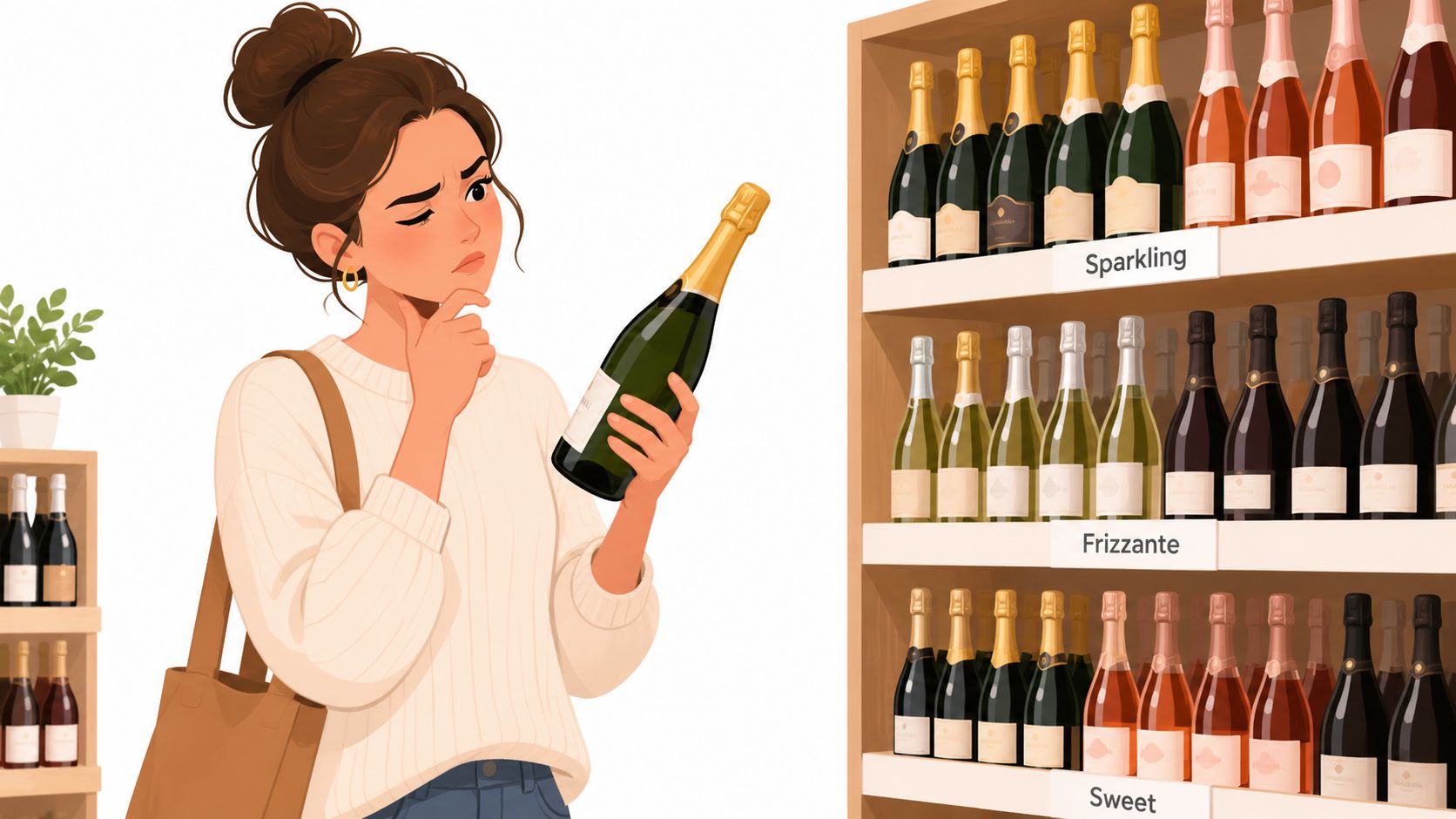
Sparkling, frizzante and sweet are different clues
Think of the label as answering three separate questions:
- How sweet is it? Look for terms such as demi-sec, doux, semi-sweet or Moscato-style descriptions.
- How strong is the fizz? Frizzante means a gentler sparkle, while spumante generally signals a fuller sparkling style.
- What kind of flavour does the grape bring? Muscat grapes tend to be aromatic and floral, while red frizzante wines can show cherry and berry character.
Australian Moscato has a long local history. Wine Selectors records its arrival in Australia in 1832 as part of James Busby's collection, followed by Macarthur's endorsement in 1844 for Australian conditions. Before 2016, producers had broad freedom to make Moscato from many Muscat grapes, while Wine Australia guidelines released in 2016 restricted production to 13 Muscat varieties. McLaren Vale Cellars' sparkling wine guide is useful if you want more context on the wider sparkling category.
The key point is that sweet fizzy wine isn't one fixed taste. It's a broad group that ranges from light, floral and gently sparkling to creamy, toasty and dessert-friendly. Once you separate sweetness from fizz and then consider the grape, choosing a bottle becomes much less mysterious.
The Two Ingredients That Define the Style
Sweetness and carbonation work independently. Treat them as two sliders rather than one scale.
Residual sugar tells you how much sweetness remains in the wine. Brut sits towards the dry end, while demi-sec tastes noticeably sweeter and doux sits at the richest end of common sparkling terminology. Moscato-style wines can feel especially sweet because their grape aromas resemble ripe grapes, peaches and blossoms.
Carbonation tells you how the wine moves across your palate. A fully sparkling wine gives a continuous stream of bubbles and a more energetic mousse. A spumante sits in the fuller-sparkling family, while frizzante feels softer and more delicate. Australia requires sparkling wine to contain at least 5 g/L of dissolved carbon dioxide at 20°C, according to Vintessential's explanation of Australian sparkling wine requirements. The same source notes that added sugar is permitted as long as it doesn't raise alcohol by more than 2.5% ABV.
Sweetness and fizz levels at a glance
| Style | Residual Sugar (g/L) | Approx CO2 Pressure | Typical Fizz Feel |
|---|---|---|---|
| Brut | Near the dry end | Full sparkling pressure | Tight, persistent mousse |
| Demi-sec | Noticeably sweet | Full sparkling pressure | Rounded, lively bubbles |
| Doux or very sweet Moscato-style | Often richly sweet | Full or moderate sparkle | Soft, creamy or energetic fizz |
| Spumante | Varies by wine | Fuller sparkle | Abundant bubbles |
| Frizzante | Varies by wine | Lower pressure | Gentle, light spritz |
The table gives you the buying logic, but not a promise that every bottle labelled with one term will taste identical. Producers can make a sweet wine with strong fizz, or a lightly sparkling wine with generous sweetness. A dry Prosecco can be highly bubbly, while a sweet Moscato can feel comparatively gentle. Check both the sweetness wording and the fizz description.
Sulphite limits also change with sugar level in Australian sparkling wine. Wines under 35 g/L residual sugar may contain up to 250 mg/L total sulphites, while those above 35 g/L may contain up to 300 mg/L, as explained by Wine Australia's sulphite guidance. That distinction matters to producers and importers managing compliance, but shoppers can use it as a reminder that sweetness affects how the wine is made, stabilised and labelled.
Popular Sweet Fizzy Styles Worth Knowing
Four styles cover much of the sweet fizzy territory shoppers encounter. They differ in grape, bubble intensity, sweetness and the occasion they suit.
The style comparison
| Style | Sweetness Level | Fizz Intensity | Typical Tasting Notes |
|---|---|---|---|
| Moscato d'Asti | Sweet | Lightly sparkling | Fresh grape, peach, orange blossom |
| Asti Spumante | Sweet | Fully sparkling | Apricot, honeysuckle, honeyed citrus |
| Demi-sec Champagne | Noticeably sweet | Fully sparkling | Baked apple, brioche, citrus, candied fruit |
| Frizzante styles | Light to sweet, depending on bottle | Gentle sparkle | Cherry, red berries, flowers, soft fruit |
Moscato d'Asti is a good starting point for someone who wants sweetness without a forceful wall of bubbles. It's aromatic, floral and fruit-led, with a light sparkle and a refreshing feel. Its alcohol is often around 5% to 5.5% ABV, according to the style description in the supplied research background, but individual bottles vary.
Asti Spumante uses the same aromatic Muscat family but delivers a fuller sparkling experience. The wine usually feels rounder and more expansive than Moscato d'Asti, with ripe stone fruit, flowers and honeyed citrus. Choose it when you want sweet fizz to play a central role at brunch, dessert or a celebration.
Demi-sec Champagne offers a different kind of richness. The base wine can bring citrus, baked apple and toast, while dosage adds sweetness and softens the finish. It's suited to shoppers who enjoy a more layered, traditional sparkling profile but don't want a dry bottle.
Frizzante describes a gentler level of sparkle rather than one single grape or country. Brachetto d'Acqui may show roses and strawberries, Lambrusco can bring cherry and berry flavour, and a sweeter Prosecco Frizzante can feel bright and lightly sweet. For more ideas around using sparkling wine in mixed drinks, you can browse refreshing cocktail recipes, including a Prosecco-based mint julep variation.
A bottle's name narrows the field, but it doesn't make the choice for you. Pair the style with the moment. Moscato d'Asti works for a relaxed afternoon, Asti suits a more generous celebration, demi-sec adds depth to a rich meal, and frizzante brings easygoing energy to shared plates. McLaren Vale Cellars' guide to popular sparkling wines can help you compare the broader sparkling shelf before settling on a sweeter option.
What These Wines Actually Taste Like
The easiest way to understand sweet fizzy wine is to imagine the first sip. A chilled Moscato d'Asti opens with lifted aromas of fresh grapes, orange blossom and honeysuckle. On the palate, its light spritz feels closer to a delicate tingle than an aggressive fizz, and the finish carries a grape-juice sweetness balanced by freshness.
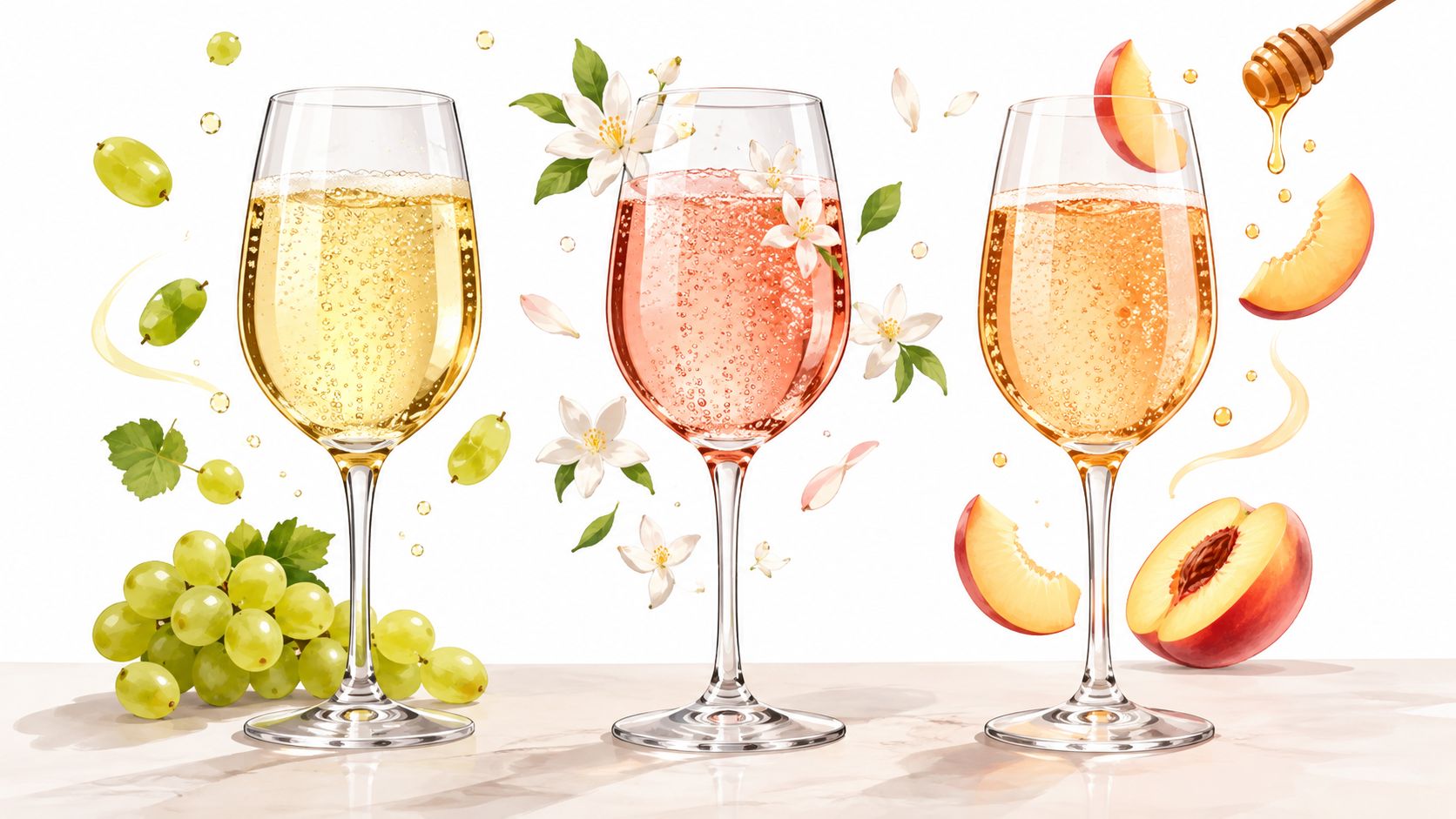
Asti Spumante feels fuller. It may smell of ripe peach, apricot and honeyed citrus, then spread across the palate with softer, sweeter bubbles. The wine can feel almost creamy despite its freshness, making it easy to enjoy with fruit desserts or a slow weekend brunch. If Moscato d'Asti is a light afternoon shirt, Asti is the same fruit profile with more volume and occasion.
Toast, fruit and gentle sparkle
Demi-sec Champagne-style wine moves into a richer register. You may notice baked apple, lemon and brioche, followed by a candied-fruit sweetness that feels rounded rather than syrupy. Gentle acidity keeps the wine from becoming flat, while the bubbles cut through creamy textures and roast flavours.
Frizzante offers a different pleasure. Its softer fizz tingles briefly, then lets red berry, cherry and strawberry-jam notes come forward. A red frizzante can feel especially natural beside antipasto or pizza because the wine's fruitiness echoes the food without the intensity of a fully sparkling bottle.
Taste the temperature: A chilled glass often makes sweetness feel cleaner and more refreshing, while a warmer glass reveals more aroma and richness.
At home, these differences become obvious in context. On a warm Australian veranda, Moscato can feel bright and cooling, while Asti suits a platter of ripe stone fruit. After dinner, demi-sec may match the conversation better because its toast and baked-fruit notes reward slower sipping. Frizzante is the bottle you can pour alongside a casual meal without making the occasion feel formal.
The aromas matter because they set your expectations before the wine reaches your tongue. Floral and grape-like notes usually signal a fresher, more aromatic experience. Toast, brioche and baked fruit point towards a fuller style. Red berry and cherry suggest a juicy, easy-drinking frizzante. You're not trying to identify every aroma perfectly. You're deciding whether the bottle sounds like something you'll enjoy.
Pairing and Serving Sweet Fizzy Wines
Sweet fizzy wine works best when the dish has enough flavour, spice, salt or richness to meet it. A very sweet wine beside a delicate savoury dish can dominate. A wine with too little sweetness beside a hot curry can taste sharp and thin.
Moscato is a natural partner for spicy Thai takeaway, fresh fruit and pavlova. Its sweetness can soften chilli heat, while its floral and grape-like aromas suit berries, mango and stone fruit. Pour it at a casual lunch, a Christmas dessert course or an afternoon gathering where guests want something refreshing rather than weighty.
Asti has the roundness to support creamy desserts, pastries and blue cheese. It's also a comfortable brunch choice with flaky croissants or fruit-topped pastries. Demi-sec is more flexible at the dinner table. Try it with roast pork, Christmas pudding or butter chicken, where sweetness meets richness and bubbles refresh the palate.
Frizzante belongs beside relaxed food. Antipasto, prosciutto-wrapped melon, a summer barbecue and margherita pizza all work because the wine's gentle sparkle and fruit character don't overwhelm the table.
Sweet fizzy wine pairing at a glance
| Style | Best Pairings | Occasion | Serve At |
|---|---|---|---|
| Moscato | Thai food, fruit, pavlova | Veranda drinks, Christmas dessert | Well chilled, around 6 to 8°C |
| Asti | Creamy desserts, blue cheese, pastries | Brunch or celebration | Well chilled, around 6 to 8°C |
| Demi-sec | Roast pork, Christmas pudding, butter chicken | Dinner or gifting | Slightly warmer, around 8 to 10°C |
| Frizzante | Antipasto, melon, barbecue, pizza | Casual lunch or summer gathering | Chilled and ready to pour |
A tulip-shaped flute is a useful compromise. It keeps the bubbles lively but gives aromatic wines enough room to show fruit and flowers. Very narrow flutes preserve the sparkle, while a small white-wine glass can reveal more aroma if you're tasting slowly.
Serving habit: Chill the main bottle before guests arrive, then keep a backup bottle on ice if the occasion involves several people.
Open the bottle carefully, with the cork pointed away from people and breakable objects. Sparkling bottles hold pressure, so control matters more than a dramatic pop. Pour in stages if the wine foams heavily, allowing the bubbles to settle before topping up the glass.
The most reliable pairing rule is straightforward: the wine should be at least as sweet as the dish. Match sweetness with sweetness, then use acidity and bubbles to refresh the palate. That balance keeps dessert from making the wine seem sour and stops a savoury dish from making it taste flabby.
How to Buy Sweet Fizzy Wine Online
Online buying becomes easier when you choose the format before choosing the bottle. A single bottle suits a first-time experiment or a quiet aperitif. It lets you test whether you prefer floral Moscato, fuller Asti or a berry-led frizzante without committing to a larger order.
A mixed sample pack suits a household that wants to compare styles in one evening. Look for a pack containing different sweetness and fizz profiles rather than several bottles that taste nearly identical. Pour small samples side by side and note which one works best with food, dessert and conversation.
Match the format to the occasion
- Single bottle: Choose this for curiosity, a small dinner or a first taste of a style you haven't tried.
- Mixed pack: Select this when you want to compare Moscato, Asti and frizzante across different moments.
- Half-dozen or dozen: This makes sense for Christmas lunch, parties or regular sparkling drinkers who already know their preferred profile.
- Gift bundle: A curated bundle with a tasting card gives the recipient a clear way to understand the bottles rather than receiving an assortment.
The product listing should describe sweetness in plain language. “Lightly sweet and floral” tells you more than a vague phrase such as “smooth sparkling”. Check whether the listing identifies the grape, the fizz level, serving suggestions and bottle size.
Freight-safe packaging matters because sparkling bottles are heavier and under pressure. An Australian-based cellar with contactable customer service also gives you a practical point of contact if you need help with delivery, substitutions or choosing between styles. McLaren Vale Cellars stocks single bottles, sample packs, mixed “Half & Half” options and larger case formats, so you can begin with a small comparison and scale up after finding a favourite. Its Australian online wine buying guide covers practical considerations for ordering wine online.
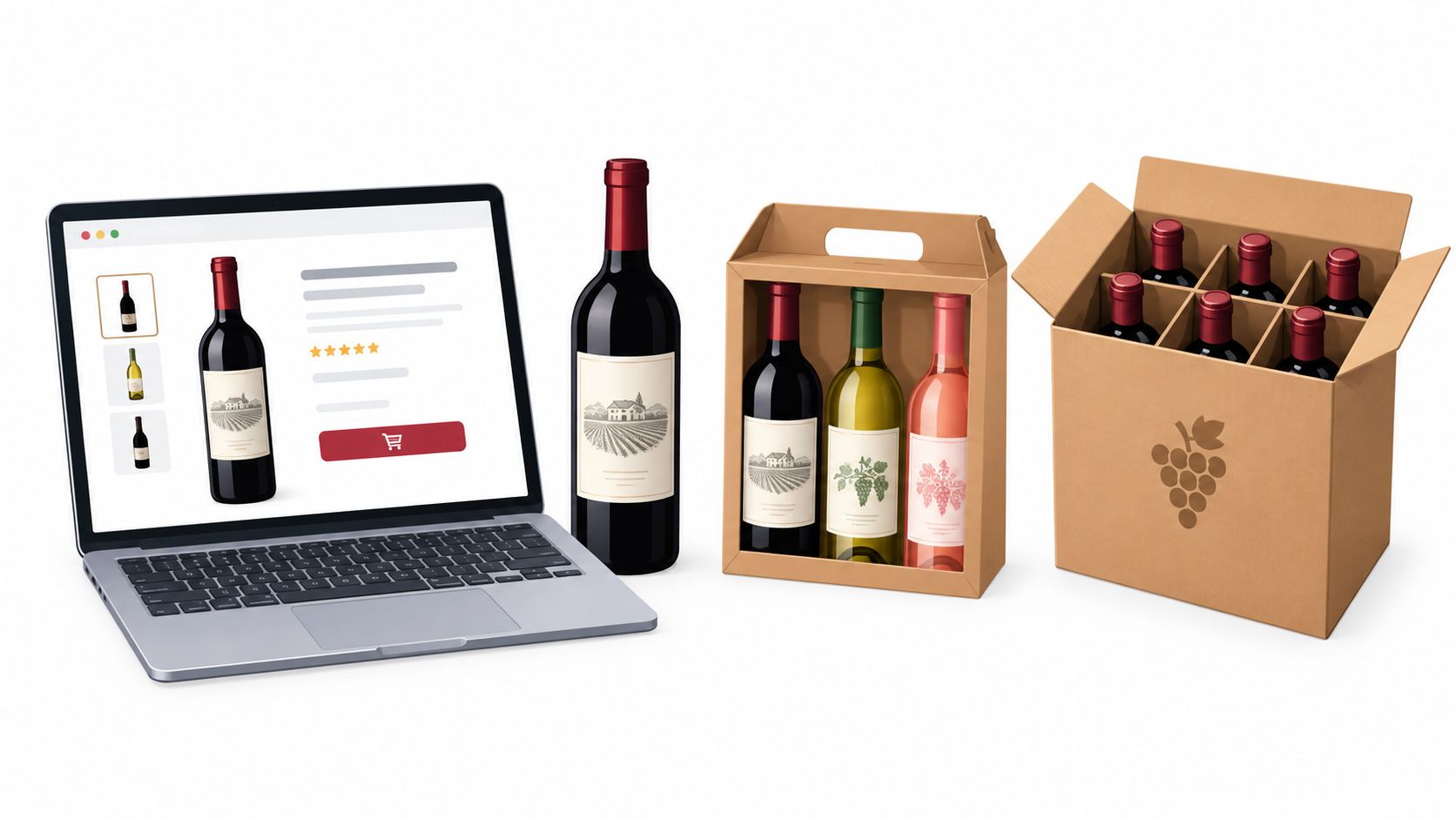
Before paying, check the delivery address, freight terms, packaging information and whether the wine arrives ready to chill. You'll make a better choice by selecting the occasion first, then the style, then the quantity.
Sweet Fizzy Wines to Try at McLaren Vale Cellars
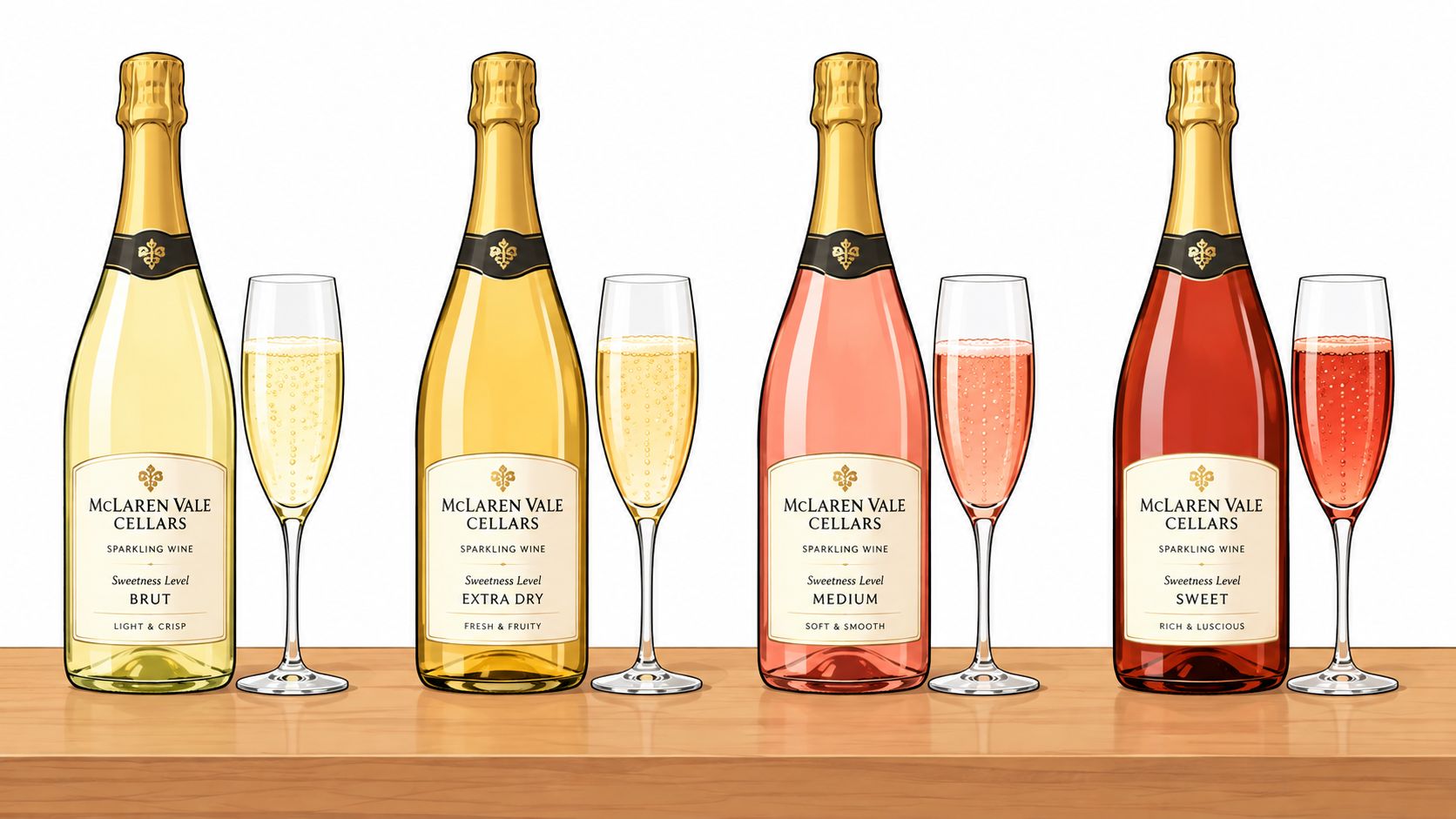
At McLaren Vale Cellars, begin with the occasion, then choose the style. A Moscato-style bottle suits a sunny aperitif, fruit platter or pavlova, offering floral aromas, grape and peach character, clear sweetness and lighter bubbles. Its fresh profile also works well with spicy food, where a touch of sweetness can soften heat.
For brunch, dessert or a celebration, an Asti-style sparkling wine gives a fuller, sweeter fizz. Stone-fruit and floral flavours make it approachable for guests who usually find dry sparkling wine too austere. It is a useful choice when the bottle needs to please a mixed group.
A sparkling rosé or berry-led frizzante brings a softer, more relaxed feel to antipasto, barbecue food and pizza. Look for cherry and strawberry notes. A demi-sec style suits a richer dinner or a gift for someone who enjoys traditional sparkling flavours, with toast, baked fruit and extra depth alongside its sweetness.
A quick buying checklist
- Glassware: Use a tulip flute or small white-wine glass. Both leave room for aroma while retaining the bubbles.
- Temperature: Serve lighter sweet styles well chilled. Let richer demi-sec wines warm slightly so their flavours show more clearly.
- Sweetness: Look for plain terms such as lightly sweet, demi-sec or doux in the product listing.
- Occasion: Pair Moscato with aperitif and dessert moments, frizzante with casual food, and demi-sec with richer meals.
- Budget: Start with one bottle or a mixed pack. Once you know what suits your household, consider a half-dozen or dozen.
Sweet sparkling wine has a place between a polished celebration bottle and an easy aperitif. Wine Australia reports that Australian adults who drank sparkling wine numbered 8.7 million in 2021, including 5.3 million monthly drinkers, compared with 5.7 million monthly drinkers in 2018. Wine Australia's market bulletin places these figures within a substantial domestic category.
That broad interest still leaves room for different buying occasions. Choose a premium gift for one recipient, a refreshing low-fuss aperitif for another, or keep both styles available for a gathering. The reliable order is sweetness, fizz, food match, then bottle format.
McLaren Vale Cellars offers single sparkling bottles, curated sample packs, mixed cases and larger value formats for exploring sweet fizzy wine. Visit McLaren Vale Cellars, select a style for tonight's meal or occasion, and order a bottle with time to chill before serving.

Comments (0)
There are no comments for this article. Be the first one to leave a message!