
When you think of sparkling wine, three names probably pop into your head: Champagne, Prosecco, and Cava. These are the big international players, each with its own unique personality and flavour. But right on their heels are Australia’s own vibrant sparkling wines, especially those made in the classic Méthode Traditionnelle style, which are quickly making a name for themselves with incredible quality and value.
Your Journey Into the World of Sparkling Wine

Welcome to the wonderful, celebratory world of bubbles! Think of this guide as your passport to understanding everything from that special-occasion bottle of Champagne to your favourite easy-drinking Prosecco. We're here to demystify the popular sparkling wines that Aussies and the rest of the world love, breaking down what makes each one special in a simple, no-fuss way.
Forget the intimidating wine jargon. Our goal is to focus on the pure joy and versatility these wines bring to the table. By the end, you'll have all the essential knowledge to confidently choose, serve, and enjoy your next bottle of fizz.
Why Is Sparkling Wine So Popular?
There’s just something universally appealing about sparkling wine. It’s tied to celebration, happiness, and treating yourself. That festive pop of the cork and the sight of bubbles dancing in the glass instantly signal that a good time is about to be had. But beyond the ceremony, its zesty acidity and effervescence make it an incredible partner for food, cleansing your palate and matching up with almost any dish.
And it’s clear we’re all falling more in love with it, especially here in Australia. In fact, at-home consumption is tipped to hit a massive 7.95 million litres by 2025, showing just how much we enjoy a glass of bubbles. You can explore more about Australia's sparkling wine market trends here.
So, what’s behind the boom? It really comes down to a few key things:
- A Style for Everyone: Whether you love the rich, toasty complexity of a vintage Champagne or the crisp, fruity hit of an Italian Prosecco, there’s a sparkling wine out there for you.
- Friendly on the Wallet: While a top-shelf Champagne can be a splurge, fantastic alternatives like Spanish Cava and many local Aussie sparklings offer amazing bang for your buck.
- Perfect for Any Occasion: Bubbles aren't just for New Year's Eve anymore. They’re perfect for brunch mimosas, a pre-dinner aperitif, or even just a simple weeknight indulgence.
At its heart, sparkling wine has a unique ability to make any moment feel special. It turns a simple catch-up with friends into a real event with its lively character and refreshing taste.
What You Will Discover
In this guide, we'll dive into the key differences between the icons—Champagne, Prosecco, and Cava. We’ll also put a spotlight on Australia's own world-class fizz, especially the gems coming out of regions like McLaren Vale. Get ready to build your confidence and explore the fascinating world of sparkling wine with us.
Decoding the International Icons
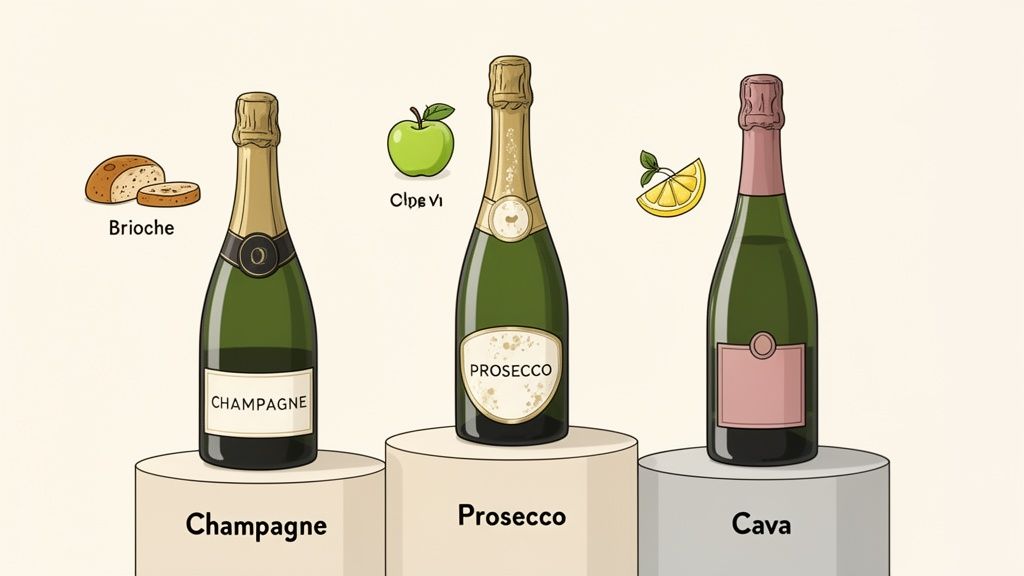
To really get a handle on sparkling wine, you’ve got to start in Europe, where three undisputed titans rule the world of fizz. Each one has its own personality, a direct result of its homeland, the grapes used to make it, and the way the bubbles get into the bottle. Getting to know Champagne, Prosecco, and Cava is the first step to unlocking a world of flavour and finding the perfect bottle for any occasion.
These three aren’t just different names for the same fizzy drink. They’re unique expressions of a place, or terroir, offering completely different experiences in the glass. From the hallowed hills of France to the sun-soaked vineyards of Spain and Italy, let's pop the cork on what makes each of these sparklers a global favourite.
Champagne: The Benchmark of Bubbles
When you think of luxury and celebration, chances are you’re thinking of Champagne. Coming exclusively from the Champagne region of France, this is the gold standard that all other sparkling wines are measured against. It’s not just a name; it’s a legally protected stamp of origin, meaning if it's not from Champagne, it's not Champagne. Simple as that.
So, what’s the magic behind it? A painstaking process called the Méthode Champenoise, or the traditional method. This is where the second fermentation—the one that creates the bubbles—happens right inside the bottle. It’s a labour-intensive and time-consuming affair, as the wine ages on its lees (the spent yeast cells), which is where all that signature complexity comes from.
This method creates an incredibly fine, persistent stream of bubbles and develops those classic flavours wine lovers adore. Think freshly baked brioche, toasted almonds, and crisp citrus, all wrapped up in a rich, creamy texture.
Champagne’s reputation is built on centuries of tradition and an unwavering commitment to quality. The in-bottle fermentation method creates a depth of flavour and elegance that is incredibly difficult to replicate, setting a high bar for sparkling wines globally.
Prosecco: Italy’s Fresh and Fruity Star
Next, we head over to northeast Italy, the home of Prosecco. This wine’s popularity has absolutely exploded, becoming the go-to for casual get-togethers, weekend brunches, and Aperol Spritzes. Its massive appeal comes down to its bright, approachable, and fruit-forward character, which is all thanks to how it’s made.
Prosecco is typically made using the Charmat-Martinotti method, often just called the tank method. Unlike Champagne, the bubble-making second fermentation happens in massive, pressurised stainless steel tanks. It's a much quicker and more efficient process, which is a big reason why Prosecco is so refreshingly affordable.
This technique is all about preserving the fresh fruit flavours of the Glera grape, resulting in a wine that’s light, crisp, and vibrant. You can expect lively notes of:
- Green apple
- Honeydew melon
- Pear
- Honeysuckle
Prosecco has softer, frothier bubbles compared to the fine mousse of Champagne, making it incredibly easy to drink and wonderfully versatile.
Cava: Spain’s Traditional Method Treasure
Our final stop is Spain, where we find Cava. Often called one of the best-value sparkling wines on the market, Cava is a fantastic choice for anyone who loves the complexity of Champagne but not the hefty price tag. That’s because Cava is also made using the traditional method, with that all-important second fermentation happening in the bottle.
Produced mainly in the Penedès region of Catalonia, Cava is built on native Spanish grapes like Macabeo, Parellada, and Xarel·lo. These varieties give Cava a flavour profile that’s totally distinct from its French cousin.
While it shares those fine bubbles and toasty notes from its production method, Cava often leans more towards an earthy, savoury, and sometimes slightly bitter character. Its flavour profile includes zesty citrus, quince, and a distinct mineral streak that makes it a brilliant partner for food. It’s an affordable and delicious way to experience the nuance of a traditional-method sparkling wine.
To dive deeper into these styles, you can explore our comprehensive guide to sparkling wines beyond Champagne, where we break down production methods even further.
Comparing the Top International Sparkling Wines
To make things even clearer, here’s a quick side-by-side look at these three icons. This table breaks down the key differences that give each wine its unique character.
| Wine Style | Country of Origin | Primary Grapes | Production Method | Typical Flavour Profile |
|---|---|---|---|---|
| Champagne | France | Chardonnay, Pinot Noir, Pinot Meunier | Traditional Method | Brioche, toasted almond, citrus, green apple, creamy texture |
| Prosecco | Italy | Glera | Tank Method | Green apple, honeydew melon, pear, honeysuckle, fresh & fruity |
| Cava | Spain | Macabeo, Parellada, Xarel·lo | Traditional Method | Zesty citrus, quince, almond, earthy, mineral notes |
As you can see, while Champagne and Cava share a production method, their grapes and terroir set them miles apart in taste. And Prosecco stands on its own with a completely different approach, aimed at delivering fresh, fruity fun.
These three European powerhouses provide the perfect foundation for understanding the diverse world of bubbles. Each offers a unique story and taste, ensuring there's a popular sparkling wine for every palate and budget.
Celebrating Australia's Own Sparkling Wines
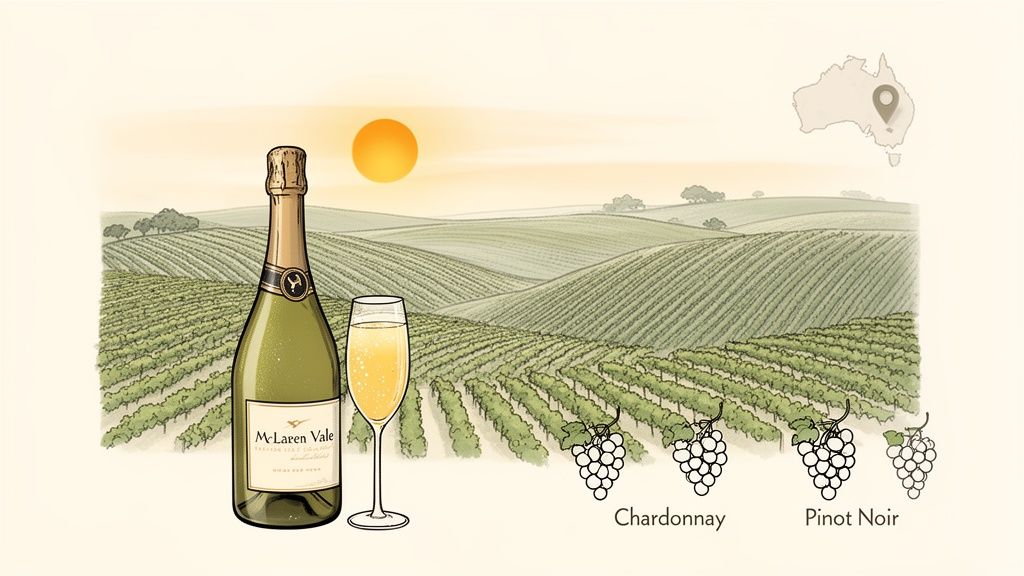
While the big European names often grab the spotlight, Australia has been quietly crafting some absolutely world-class sparkling wines. Our local winemakers aren't just playing catch-up anymore; they're innovators, creating stunning bubbles that give the international icons a serious run for their money.
From the chilly vineyards of Tasmania to the sun-kissed slopes of South Australia, the Aussie sparkling scene is electric. Regions like our very own McLaren Vale are proving that our unique patch of earth is perfect for growing grapes with that magic combination of flavour and acidity needed for top-shelf fizz. It's time to discover the gems right here in our own backyard.
The Méthode Traditionnelle Down Under
At the heart of Australia's best sparkling wine is the Méthode Traditionnelle—our local term for the time-honoured technique used in Champagne. This isn't the easy way to make bubbles. It’s a painstaking process where the magic second fermentation, the one that creates all that fizz, happens right inside each individual bottle.
This method is the gold standard for a reason. It creates those tiny, persistent bubbles that dance in your glass and allows the wine to develop incredible complexity as it ages. The wine rests on its lees (spent yeast cells), slowly building up those beautiful, toasty brioche and nutty flavours that perfectly complement the fresh fruit.
Méthode Traditionnelle isn't just a winemaking step; it's a statement. When an Aussie winemaker uses this method, they're telling you they're serious about creating a sparkling wine with elegance, depth, and the ability to get even better with age.
Our wine industry is a powerhouse, and South Australia—home to McLaren Vale—is a huge part of that story. The national winegrape crush hit a massive 1.57 million tonnes in 2025, with premium white grapes like Chardonnay forming the backbone of these sophisticated sparkling styles.
Key Grapes and Styles
Just like their French counterparts, our local sparkling heroes are usually Chardonnay and Pinot Noir. These two classic grapes are the perfect duo for creating nuanced and beautifully balanced fizz.
-
Chardonnay: This is the elegant partner, bringing crisp acidity and notes of green apple, lemon, and white flowers to the blend. When it goes solo, it creates a Blanc de Blancs (meaning "white of whites"), a style celebrated for its pure finesse and longevity.
-
Pinot Noir: This red grape adds body, structure, and lovely red fruit flavours like strawberry and cherry. It's also the star behind stunning Sparkling Rosé. A short time on the skins of Pinot Noir grapes gives the wine its delicate pink colour and an extra layer of delicious berry complexity.
When blended, Chardonnay and Pinot Noir create a wine where bright acidity meets rich fruit character in perfect harmony. For a deeper dive into what our local producers are crafting, check out our guide to the best Australian sparkling wines for every celebration.
Why McLaren Vale Shines
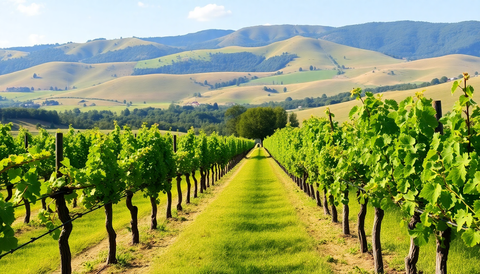
Here in McLaren Vale, we have a secret weapon: the coast. The cooling afternoon sea breezes that drift in from the Gulf St Vincent are a godsend for our sparkling wine grapes. They allow the fruit to ripen slowly in the sun while hanging onto all that crucial, mouth-watering acidity.
The result is a wine with a beautiful tension between ripe stone fruit flavours and a zesty, clean finish. It's this freshness that makes our local bubbles so refreshing and fantastic with food. If you're keen to dive deeper into Australia's incredible wine heritage, you might even explore the famous Hunter Valley wine region to see another side of things. But make no mistake—Australian sparkling wine isn't just an alternative anymore. It’s a destination, offering world-class quality with a flavour that's all our own.
How to Serve and Pair Sparkling Wine Like a Pro
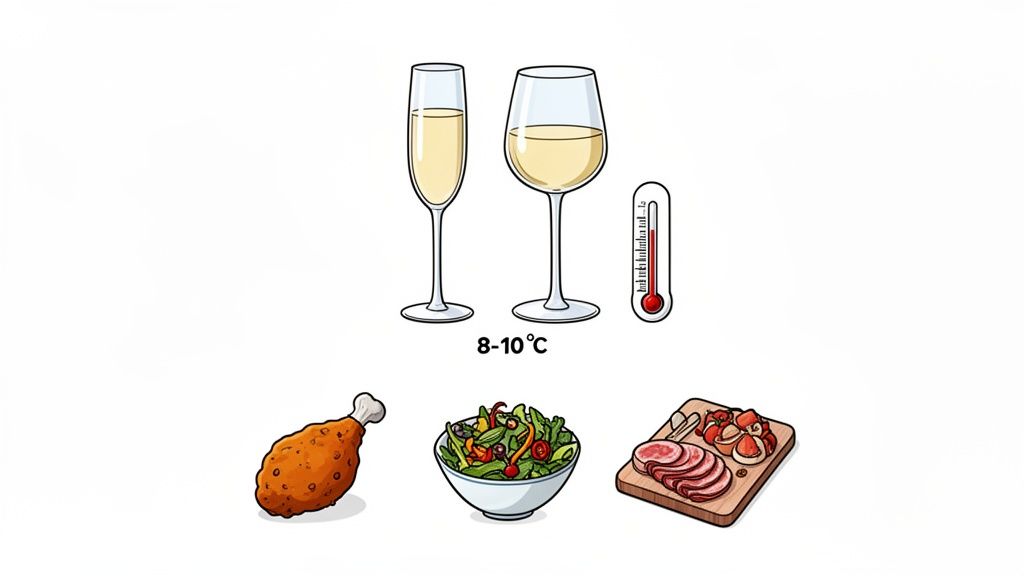
So, you’ve picked out the perfect bottle of bubbly. Fantastic. But the real magic happens long after you pop the cork. How you serve and pair your sparkling wine can be the difference between a good glass and a truly unforgettable one.
Getting the simple things right—like temperature and glassware—is your ticket to unlocking all those beautiful, complex flavours and aromas. This isn't about snobbery; it's about getting the most out of your bottle. Here’s how to do it with confidence.
Mastering the Art of the Serve
Before we even get to the food, let's nail the service. These three simple steps will ensure every glass is poured perfectly, protecting the delicate character of the wine inside.
1. Chill to Perfection: Temperature is everything. Serve your sparkling wine too cold, and you’ll numb all its gorgeous flavours. Serve it too warm, and it’ll taste flat and boozy. The sweet spot is a crisp 8-10°C. A couple of hours in the fridge should do it, or about 30 minutes in an ice bucket filled with a mix of ice and water.
2. Choose the Right Glass: That tall, slender flute might look the part, but it’s not always the best choice. While its narrow shape is great for watching the bubbles rise, it can seriously stifle the wine’s aromas. For more complex styles like a Méthode Traditionnelle or vintage Champagne, grab a standard white wine glass or a tulip-shaped glass instead. The wider bowl gives the aromas room to breathe, offering a much richer experience.
3. Open with Elegance (and Safety): Forget the dramatic, eye-popping explosions you see in movies. A quiet, controlled opening keeps more of those precious bubbles right where they belong—in the bottle. Once you’ve removed the foil and cage, hold the bottle at a 45-degree angle. Place a cloth over the cork, then twist the bottle, not the cork. You're aiming for a gentle sigh, not a loud bang.
Pairing Beyond the Obvious
Sparkling wine is one of the most versatile, food-friendly wines on the planet. Its high acidity and palate-cleansing bubbles cut through rich dishes, complement salty bites, and elevate a huge range of flavours. It's time to think beyond oysters and canapés.
A key principle of pairing is that acidity is your best friend when dealing with fatty, fried, or rich foods. The effervescence and sharp profile of a dry sparkling wine act like a reset button for your palate, making each bite taste as good as the first.
Let's explore some delicious and slightly unexpected pairings for different styles.
-
Dry Australian Sparkling with Fried Chicken: This is a match made in heaven. The crisp acidity and lively bubbles of a local Méthode Traditionnelle slice straight through the richness of crunchy, salty chicken. It cleanses your palate and gets you ready for the next delicious bite. Seriously, try it.
-
Prosecco with Spicy Thai Salad: The touch of fruity sweetness found in many Proseccos is the perfect foil for a bit of chilli heat. Those vibrant green apple and pear notes are brilliant alongside the fresh herbs and zesty lime in a spicy Thai or Vietnamese salad.
-
Sparkling Rosé with a Charcuterie Board: A good sparkling rosé is the ultimate team player for a loaded charcuterie board. Its bright berry flavours work beautifully with cured meats like prosciutto and salami, while its acidity cuts right through the richness of soft cheeses and pâté.
If you're planning a special event, exploring modern wedding reception setup ideas can help you create the perfect backdrop for showcasing these fantastic pairings. And for those keen to dive even deeper, our guide on the art of pairing Champagne with culinary delights has plenty of advanced tips. With these ideas in your back pocket, you’re ready to elevate any occasion.
A Smart Shopper's Guide to Buying and Storing
Walking down the wine aisle can feel a bit like a pop quiz you didn’t study for. With so many popular sparkling wines lined up, how do you pick the right bottle with confidence? This guide will help you become a savvy shopper by decoding labels and understanding the basics of value and proper storage.
Think of a wine label as the bottle’s biography. It tells you everything you need to know about what's inside, but it uses its own special language. Learning just a few key terms is like getting a secret decoder ring, helping you find exactly what you’re looking for.
How to Read a Sparkling Wine Label
Getting your head around the label is the first step to making a smart purchase. Here are some of the most common terms you'll see and what they really mean for the taste of the wine.
- Brut: This is probably the most common term you'll come across. It simply means the wine is dry, with very little sweetness. It’s the classic, go-to style for most occasions.
- NV (Non-Vintage): This tells you the wine is a blend of grapes from multiple years, or 'vintages'. Winemakers do this to create a consistent 'house style' you can rely on, bottle after bottle.
- Blanc de Blancs: A French term meaning "white of whites." This means the wine is made 100% from white grapes—almost always Chardonnay. These wines are typically crisp, elegant, and zesty.
- Blanc de Noirs: Meaning "white of blacks," this style is made entirely from red grapes (like Pinot Noir) but with the skins removed so the juice stays white. These wines often have more body and red fruit character.
The love for sparkling wine in Australia is only growing. Projections show at-home consumption across Oceania could hit 13.55 million litres by 2025, with Australia's domestic market making up a core 7.95 million litres. This demand is fuelling the push for premium wines in regions like McLaren Vale where, even as total wine sales have stagnated, sparkling is thriving thanks to trends like spritzes, according to KPMG. You can dive deeper into these emerging Australian wine trends here.
Finding Great Value
Price doesn't always equal quality. While a vintage Champagne is a worthy splurge for a milestone celebration, you can find incredible value elsewhere for everyday enjoyment. Spanish Cava and Australian Méthode Traditionnelle wines often deliver a similar complex, toasty flavour profile for a fraction of the cost because they use the same traditional production method.
The secret to smart buying is matching the wine to the occasion. A fresh, fruity Prosecco is perfect for casual mimosas, while a complex, aged sparkling from McLaren Vale is ideal for savouring with a special dinner.
The Golden Rules of Storing Your Bubbles
Once you've brought your bottle home, looking after it properly is crucial. Sparkling wine is sensitive, and a few simple rules will ensure it tastes exactly as the winemaker intended when you finally pop that cork.
1. Keep It Cool and Consistent: The sweet spot for storage is between 10-13°C. More importantly, this temperature needs to be stable. A dark cupboard, cellar, or a wine fridge is perfect. Try to avoid the kitchen, where temperature swings can easily damage the wine.
2. Store It on Its Side: Storing bottles horizontally keeps the cork moist. A dry cork can shrink, letting oxygen seep in to spoil the wine while allowing that precious fizz to escape.
3. Avoid Light and Vibrations: Light, especially direct sunlight, can degrade the wine's delicate flavours over time (this is why many sparkling wines come in dark green bottles). Keep your bottles away from direct light and appliances that vibrate, like a washing machine or dryer, as this can disturb the sediment and affect the wine's texture.
Your Sparkling Wine Questions Answered
Even after getting to grips with the big names, it's completely normal to have a few questions floating around. The world of sparkling wine is a big one, and a little extra clarity can make all the difference when you're staring at a wall of wine or playing host for the night.
Think of this as a friendly chat to clear up some of the most common queries we get. We'll give you the straightforward answers you need to pop, pour, and enjoy your next bottle with total confidence.
What Is the Difference Between Champagne and Sparkling Wine?
This is a brilliant question because it cuts right to the heart of how wine is named and classified. The easiest way to think about it is this: all Champagne is sparkling wine, but not all sparkling wine is Champagne. It’s the old "all squares are rectangles, but not all rectangles are squares" puzzle.
‘Sparkling wine’ is the big-picture category for any wine with bubbles—it's the family name. ‘Champagne’, on the other hand, is a very specific, legally protected member of that family. For a wine to be called Champagne, it must come from the Champagne region in northeast France and be made following a strict set of rules, including the famous Méthode Champenoise.
Other sparkling wines have their own protected names tied to where they’re from:
- Prosecco has to come from specific areas in northeast Italy.
- Cava is Spain’s signature bubbly, mostly from the Catalonia region.
- Méthode Traditionnelle is the term we use here in Australia for sparkling wine made using the same classic, in-bottle fermentation method as Champagne.
So, when you see ‘Champagne’ on a bottle, you know you’re getting more than just a style; you’re getting a wine with a specific address and a deep heritage.
How Long Does Sparkling Wine Last After Opening?
The moment that cork pops, the clock starts ticking on those beautiful bubbles. The fizz is just dissolved carbon dioxide, and it can't wait to escape once the bottle is open.
Generally, you can expect an opened bottle of sparkling wine to stay fresh and fizzy for one to three days, but only if you reseal it properly. The trick is to use a proper sparkling wine stopper. These gadgets are designed to clamp down tight on the bottle’s neck, creating an airtight seal that traps the remaining CO2. A regular cork from a still wine just won't cut it and might even launch itself out under pressure.
Once it's resealed, pop the bottle upright in the coldest part of your fridge.
Wines made with the traditional method, like Champagne or a quality Australian sparkling, tend to hold their fizz longer—often closer to the three-day mark. Tank-method wines like Prosecco have softer bubbles and are best enjoyed within a day or two for maximum freshness.
Is More Expensive Sparkling Wine Always Better?
Definitely not. While a higher price tag can signal things like high-quality grapes, labour-intensive production, and long ageing periods, it's no guarantee that you'll actually enjoy it more. 'Better' is completely personal and really depends on your taste and the occasion.
Think of it like this: a crisp, affordable Prosecco is the perfect, no-fuss partner for a vibrant mimosa or a refreshing spritz. You want that bright, fruity character. On the other hand, a complex, expensive vintage Champagne is best saved for a special toast where you can slow down and appreciate all its subtle layers of flavour.
Many Australian Méthode Traditionnelle wines and Spanish Cavas offer incredible bang for your buck. They're made with the same high-quality, in-bottle fermentation as Champagne but often at a much friendlier price. The best approach is to explore different styles and find what you love within your budget.
What Does Brut Mean on a Sparkling Wine Label?
Seeing ‘Brut’ on a label can be a bit confusing at first, but it’s one of the most helpful clues you can get when buying bubbly. In short, 'Brut' tells you the wine's sweetness level, and it actually means the wine is dry. It’s by far the most popular style of sparkling wine you'll find anywhere.
Winemakers use a standard scale to describe the amount of residual sugar left in the bottle, helping you know what to expect before you even take a sip. If you're after a classic dry sparkling that isn't sweet, looking for 'Brut' is always a safe and delicious bet.
Here’s a quick guide to the sweetness levels, from driest to sweetest:
| Sweetness Term | Description |
|---|---|
| Brut Nature | Bone dry. The absolute driest style with virtually no added sugar. |
| Extra Brut | Very dry, with just a hint of sugar to round it out. |
| Brut | The most common style. Dry, crisp, and beautifully balanced. |
| Extra Dry | Confusingly, this is slightly sweeter than Brut, with a touch of fruitiness. |
| Dry / Sec | Noticeably off-dry with a bit more sweetness. |
| Demi-Sec | A distinctly sweet style that’s a great match for desserts. |
| Doux | The sweetest of them all, a true dessert-style sparkling wine. |
Knowing these terms gives you the power to pick a bottle that’s a perfect match for your palate. Whether you want the sharp refreshment of a Brut Nature or the gentle sweetness of an Extra Dry, the answer is right there on the label.
Ready to explore the best of Australia's sparkling wines? At McLaren Vale Cellars, we've curated a stunning selection of Méthode Traditionnelle, Blanc de Blancs, and Sparkling Rosé from our region's finest producers. Discover your new favourite bubbles and enjoy free delivery on orders over $100.
Comments (0)
There are no comments for this article. Be the first one to leave a message!