
Which sparkling wine types suit the moment you're planning, and how can you tell before opening the bottle? Bubbles are only the beginning. The production method, grape variety, sweetness, vintage and regional identity all shape what you taste, how the wine works with food and whether it feels right for a quiet aperitif, a long lunch or a major celebration.
Australian sparkling wine offers a useful local perspective. Wine Australia estimates 2024–25 sparkling wine production at 49 million litres, equal to 4% of total Australian wine production, with 90% of that sparkling output white.Wine Australia's production report Internationally recognised styles such as Champagne and Prosecco sit alongside McLaren Vale examples that express South Australian fruit and winemaking choices.
Use this guide in two ways. First, identify how the wine was made, especially whether its second fermentation took place in a bottle or tank. Then look at the grape, sweetness, vintage and region to predict the drinking experience. The ten styles below will help you choose between refined, fruit-forward, sweet, rosé, distinctive and regionally expressive sparkling wines for a specific meal or occasion.
1. Blanc de Blancs
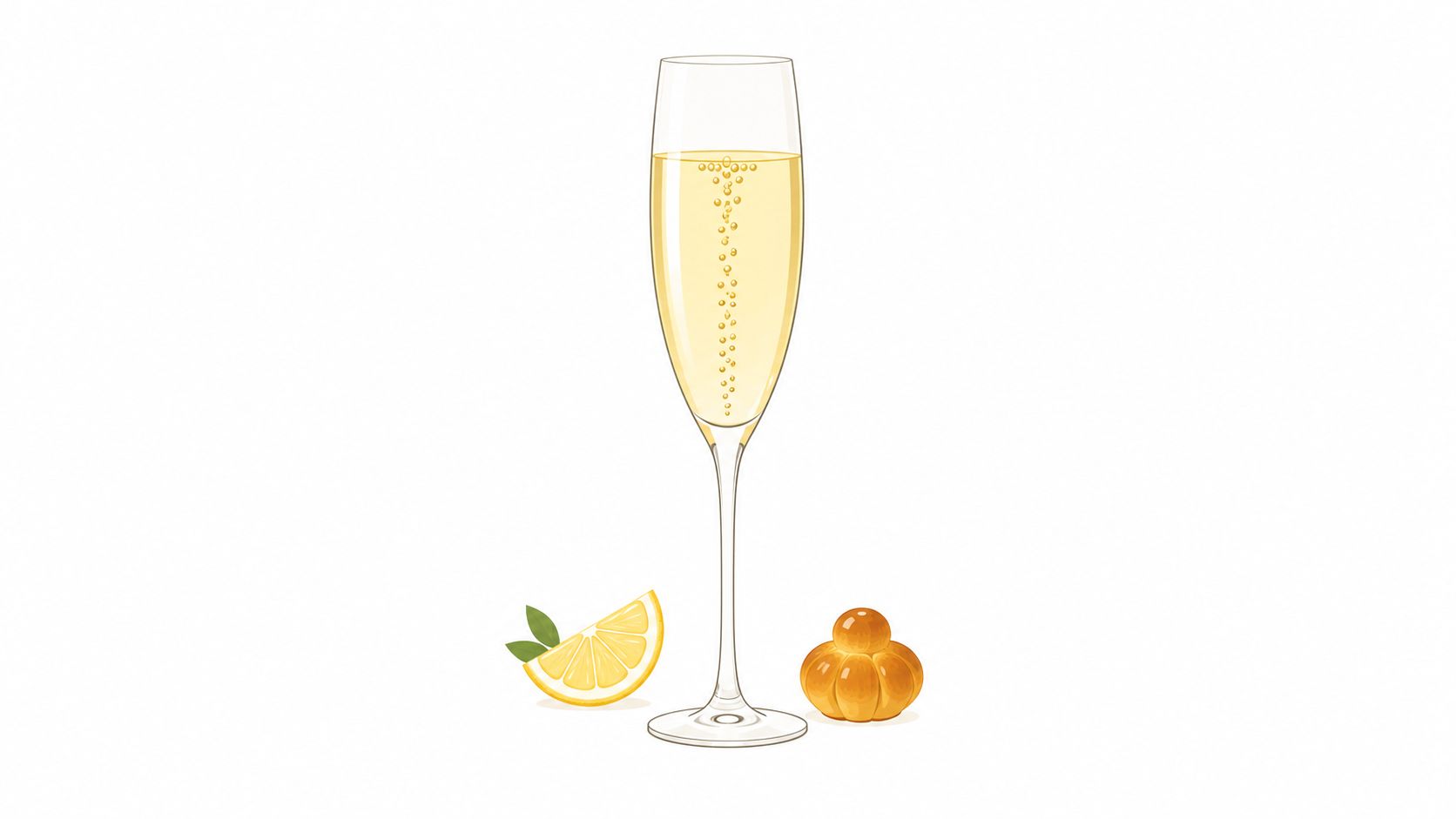
Blanc de Blancs means a sparkling wine made from white grapes only. In the classic version, Chardonnay provides the entire base, bringing citrus, green apple, chalky freshness and a fine, elegant shape. The style can feel slender when young, then develop toast, pastry and creamy texture as it matures.
The name doesn't identify a production method by itself. A Blanc de Blancs may be made using the traditional method, with a second fermentation in the bottle, or through another permitted process. In premium Australian examples, Chardonnay's acidity gives the wine the structure needed for a refined, food-friendly style.
Serving suggestion: Chill it thoroughly, but don't serve it so cold that the aromas disappear. A cool glass lets citrus, brioche and mineral notes emerge gradually.
McLaren Vale Cellars' regional range can include examples such as McLaren Vale Blanc de Blanc, Geoff Weaver Blanc de Blanc and Geoff Wiseman Wines Blanc de Blanc. Check the individual bottle's tasting notes and vintage before buying, because producers can vary in fruit profile, dosage and lees ageing.
Match it with delicate food
Blanc de Blancs works naturally with oysters, prawns, white fish, crab and lightly dressed salads. Its acidity refreshes the palate, while its texture can handle buttery sauces and soft cheeses. For a milestone celebration or formal gift, pair the bottle with a tasting guide that explains the grape and method rather than relying on the label alone.
Australian sparkling has a long history. Wine Australia records sparkling winemaking in the country from the 19th century, including the Victorian Champagne Company operating in Melbourne in 1881 with French winemaker Auguste D'Argent.Wine Australia's sparkling wine educator guide That history makes a local Blanc de Blancs more than a substitute for Champagne. It's an Australian interpretation of a classic grape-led style.
2. Méthode Traditionnelle
The traditional method changes the texture of sparkling wine because the second fermentation happens inside the bottle. Winemakers begin with still wine, then add yeast and sugar before sealing the bottle. Fermentation creates carbon dioxide, and the wine may spend time resting on yeast lees, which can contribute flavours of toast, brioche, biscuit and roasted nuts.
This method is closely associated with Champagne, but Champagne is a protected regional name, not a general term for every bottle-fermented sparkling wine. Australian producers use terms such as Méthode Traditionnelle or traditional method for comparable production approaches outside Champagne.
The method can produce a more layered, savoury and textured wine than a simple fruit-driven sparkling style. That doesn't make every traditional-method wine automatically better. It makes the method useful when you're looking for complexity, fine texture and a wine that can complement a substantial meal.
Read the label for context
Look for terms such as traditional method, bottle fermented, Chardonnay, Pinot Noir, lees ageing and vintage. These details help explain why one bottle may show lemon and apple while another brings pastry, cream and savoury depth.
For Australian options, compare premium McLaren Vale sparkling with examples such as Geoff Weaver Traditional Method, Wirra Wirra sparkling wines or Tahbilk Sparkling, subject to current stock and the producer's stated method. A dozen pack can work well for hosts who want a consistent style, while a mixed pack is better for learning how method affects texture.
The production method is a clue, not a guarantee. Taste, grape variety, dosage and ageing still determine the final character.
For a plain-language explanation of why bubbles differ, explore this guide to how sparkling wine is made. It's useful reading before building a premium tasting flight.
Serve traditional-method sparkling with oysters, fried seafood, roast chicken, creamy pasta or hard cheese. It also earns its place at significant celebrations, where the bottle itself can become part of the occasion.
The production method deserves to be tasted, not just read about. A traditional-method bottle can be especially revealing when poured beside a fresh tank-method wine, because the difference in texture and fruit expression becomes easier to identify.
3. Charmat Method
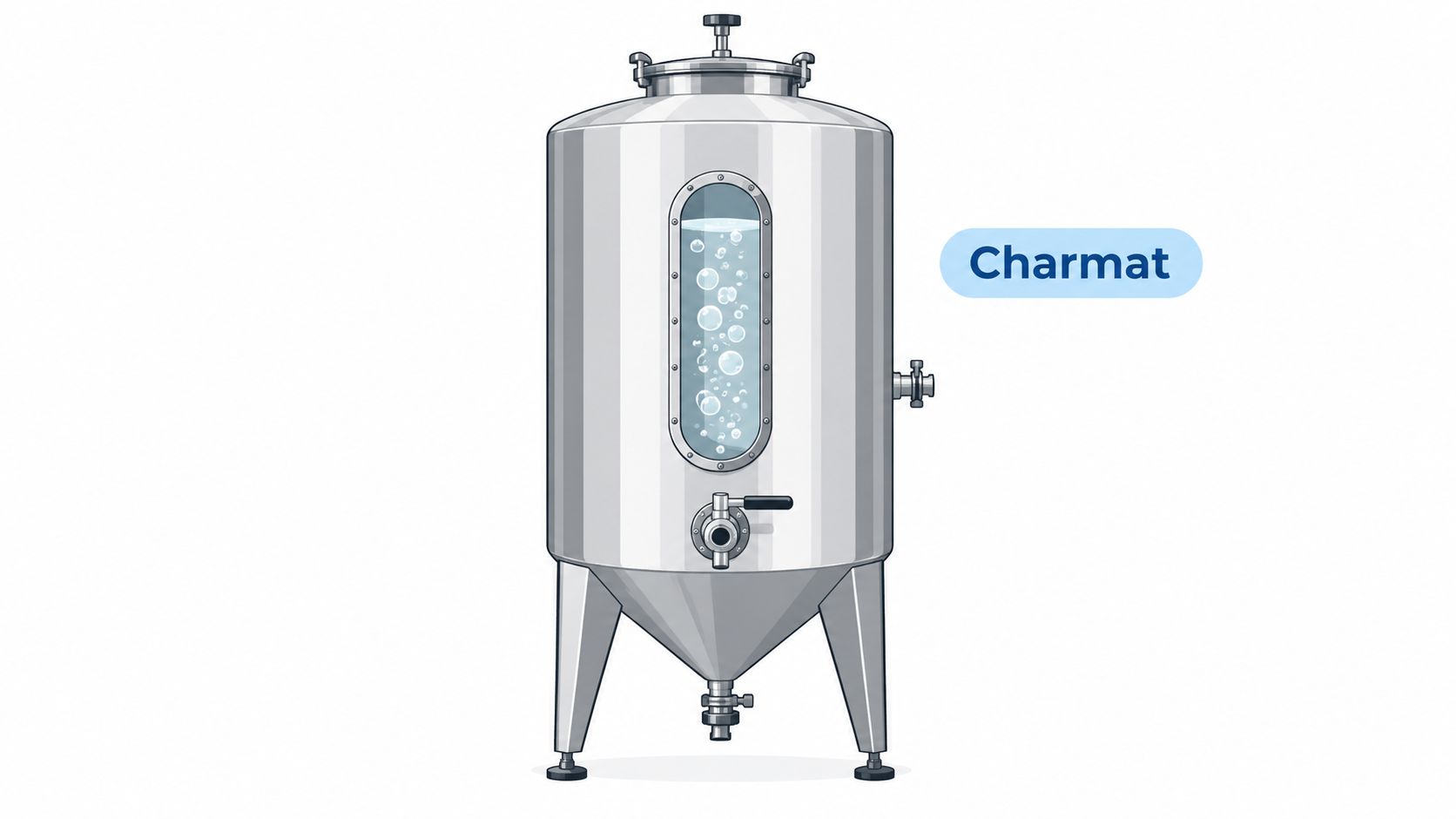
Could a sparkling wine taste bright and fruity because of how its bubbles are made? With the Charmat, or tank, method, the second fermentation takes place in a pressurised stainless-steel tank, then the wine is filtered and bottled under pressure. The process keeps the wine's fruit and floral aromas clear, much like serving fresh fruit rather than a baked version.
Charmat production is strongly associated with Prosecco, but Australian everyday sparkling and some Moscato-style wines also use it. The method suits grapes and occasions where pear, apple, citrus and light floral notes matter more than extended bottle-aged complexity. Its softer, immediate texture can offer an accessible introduction to sparkling wine.
Shop by freshness
Choose tank-method sparkling for casual drinking, outdoor meals and gatherings where freshness should arrive from the first sip. Look for fruit-forward tasting notes and a lively, uncomplicated finish. Sweetness still matters, so check the label if you are choosing between a crisp aperitif and a softer Moscato-style bottle.
- For a picnic: Pair fresh tank-method sparkling with chips, fried chicken, seafood rolls or simple antipasti.
- For a mixed pack: Place it beside a traditional-method wine to compare bright fruit with savoury, aged complexity.
- For a party: Choose an approachable bottle that can be enjoyed without a tasting lecture before the first pour.
A tank-method wine also works well in a spritz-style drink, where delicate lees-derived flavours may be less noticeable. Keep it chilled for a barbecue aperitif or spontaneous glass with salty snacks.
McLaren Vale Cellars' value-focused sparkling selections may offer a practical way to explore the category, subject to current availability. Compare a fresh tank-method bottle with regional Australian examples to see how grape variety and production choices change the experience.
Australia has room for both premium and accessible sparkling. Wine Australia describes the country as the sixth-largest sparkling wine market globally, valued at US$1.2 billion, with local sparkling wines representing 45% of value and imports 55%.Wine Australia market bulletin That range supports a simple buying plan: keep a lively tank-method bottle for informal drinking, then choose a more layered style when the meal calls for greater depth.
4. Rosé Sparkling
Rosé sparkling adds colour, red-fruit aroma and a festive feel to the glass. Its shade may range from pale salmon to deeper coral, shaped by the grapes and the winemaking method. Producers can build the colour through brief contact with red grape skins or through blending, depending on the rules in the wine's region.
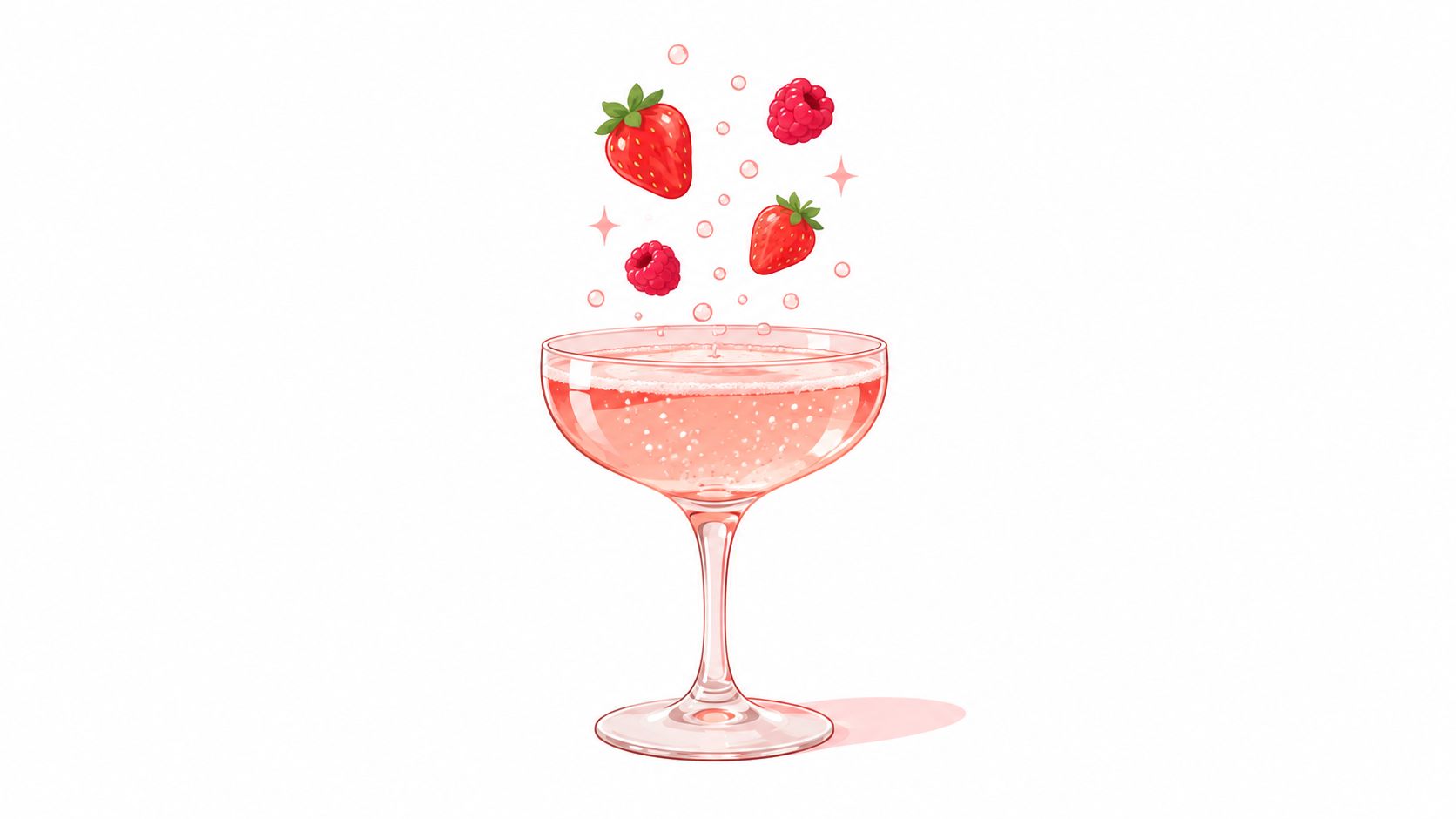
Production choices influence the drinking experience, but colour alone cannot predict flavour. Expect combinations of sparkling wine's lift with strawberry, raspberry, redcurrant and citrus notes. Dry examples can feel crisp and savoury, while sweeter bottles are rounder and more fruit-driven. Check the sweetness description and tasting notes before buying. A pale rosé may be very dry, while a darker bottle can still taste delicate.
A flexible food wine
Rosé sparkling suits more than desserts and summer fruit. Serve it with smoked salmon, tuna, prawns, oysters, roast chicken, charcuterie or lightly spiced dishes. Red-fruit character gives the wine enough presence for richer appetisers, while bubbles keep the finish fresh.
It also fits a birthday lunch, festive picnic or gift pack for someone who enjoys rosé but has not explored sparkling styles. Australian drinkers show interest in the category, and sparkling rosé helps give the market a distinctive point of comparison. Use that idea when choosing: compare grape variety and sweetness instead of treating every rosé sparkling as interchangeable.
For a first tasting, explore McLaren Vale rosé sparkling selections, Geoff Weaver Rosé Sparkling or Wirra Wirra Rosé Sparkling, subject to stock. A curated sample pack can show whether your preference runs towards citrus-led, berry-led or more savoury examples. McLaren Vale Cellars' regional focus offers a practical way to compare local expressions and connect production choices with place.
Rosé sparkling can move easily from aperitif to main course. Let the food guide your choice between a dry, crisp bottle and a softer, fruit-driven style.
5. Blanc de Noirs
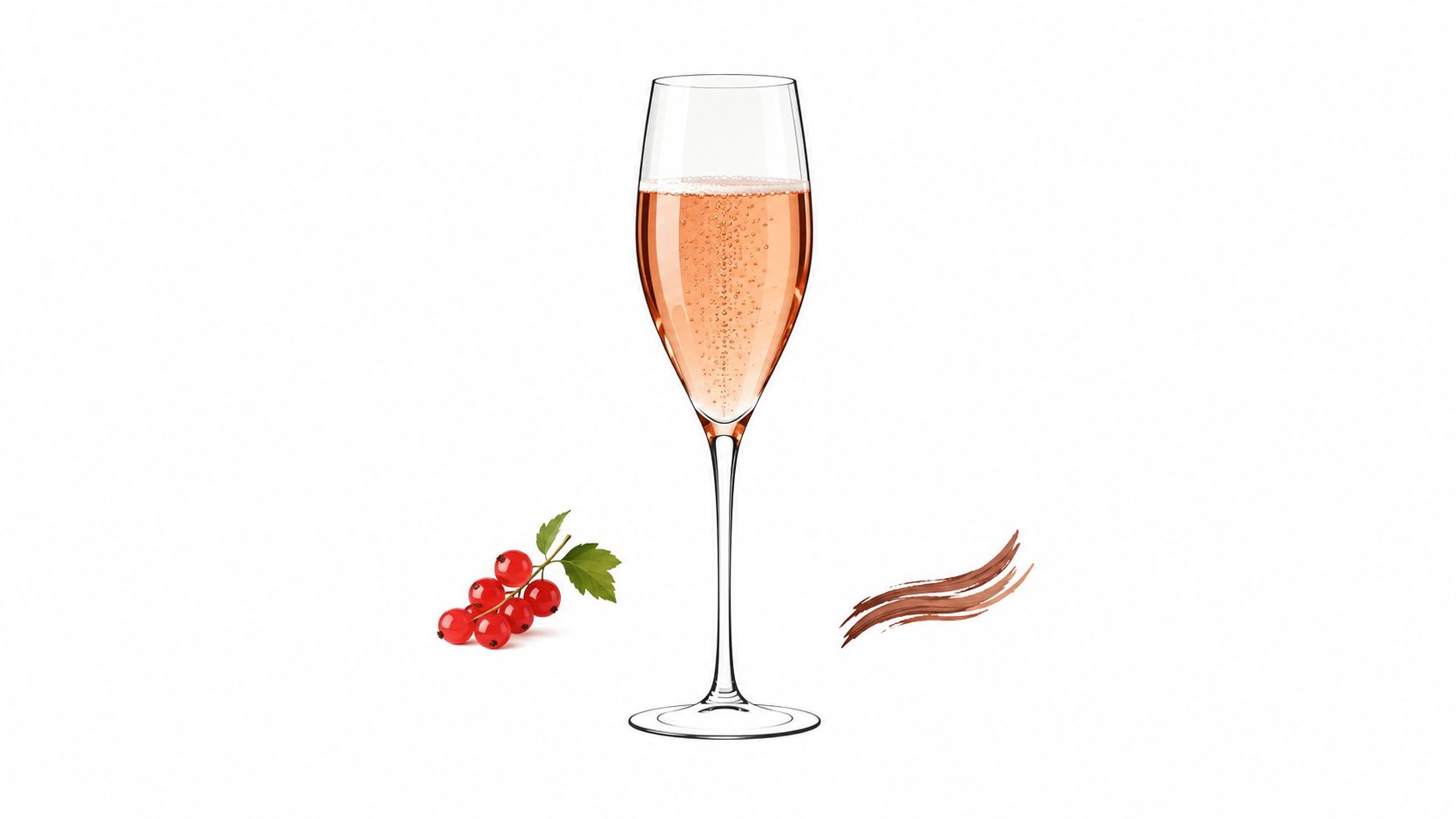
What changes when sparkling wine starts with dark-skinned grapes? Blanc de Noirs answers with a style that can stay pale while offering more structure than many white-grape examples. Pinot Noir is common, while some Australian interpretations use Shiraz. Gentle pressing limits skin contact, so colour and tannin remain restrained rather than turning the wine red.
The grape choice shapes the experience. Pinot Noir may bring red apple, strawberry, savoury length and a fine frame. Shiraz can add darker fruit, spice and a broader palate, depending on extraction and the producer's decisions. The name identifies the grape colour, not a single flavour profile.
A bridge from aperitif to dinner
Blanc de Noirs works well with roast pork, duck, roast chicken, mushroom dishes, rich pasta and aged cheese. Its structure suits savoury food when a delicate white sparkling wine would disappear, while its bubbles keep the meal from feeling heavy.
Serve it after a lighter Blanc de Blancs in a mixed tasting. Notice whether the palate feels wider, the fruit darker and the finish more persistent beside food. That comparison makes the production choice easier to taste, not just read on a label.
South Australian fruit can give the style a regional identity. McLaren Vale Cellars' regional focus offers a practical route for comparing local interpretations with familiar international labels, subject to stock.
Choose according to the experience you want:
- Choose Pinot Noir-based examples for red-fruit lift, fine structure and a graceful match with poultry.
- Look for Shiraz-based examples for more colour, spice and weight.
- Compare production notes because pressing, blending and ageing can significantly alter texture.
Blanc de Noirs also provides a clear winemaking lesson. Red grapes do not determine the final colour by themselves. Skin contact, pressing and fermentation decide how much colour and tannin reach the bottle.
6. Prosecco Style Sparkling
What makes Prosecco-style sparkling so approachable? The answer begins with its production method, then continues with grape, sweetness and regional identity. Traditional Prosecco is associated with Glera and northeastern Italy. Australian producers create comparable fruit-forward wines with local grapes and their own regional approaches.
The style usually offers pear, green apple, citrus and white-flower aromas, supported by a light body and lively fizz. Most examples use the Charmat method, with the second fermentation taking place in a tank. Like capturing fresh fruit just after picking, this approach preserves bright, immediate flavours rather than building the toastier, more structured character associated with extended lees ageing.
That profile suits aperitifs, outdoor gatherings and casual celebrations. Serve it young, chilled and alongside antipasti, olives, soft cheese, seafood, salads or fruit-forward canapés. It can begin a dinner, accompany a picnic or add energy to a mixed tasting.
Sweetness can cause confusion. A fruity Prosecco-style wine may taste rounder and more generous than a very dry traditional-method wine without containing high listed sweetness. Check the producer's tasting description and the sweetness term on the label. Fruitiness and sugar are related impressions, not identical measures.
Australian consumer-preference research found that nearly 25% of surveyed regular sparkling consumers weren't familiar with Prosecco at the time of the study. Australian consumer-preference research Clear product descriptions can make the style easier to approach by identifying the grape, method, sweetness and serving occasion.
For McLaren Vale Cellars shoppers, Australian Prosecco-style bottles and value-focused selections can work for a dozen bundle or half-case purchase. They also suit a mixed pack for anyone exploring sparkling wine before trying a more structured, lees-aged style.
McLaren Vale Cellars' guide to popular sparkling wines offers another way to compare options. Read the fruit and sweetness descriptions together, since bottles with similar style names can produce noticeably different drinking experiences.
7. Vintage and Non-Vintage Sparkling
The vintage date changes the question from “What style is this?” to “What did this harvest contribute?” Vintage sparkling comes from grapes harvested in one stated year, allowing the season's conditions to shape the wine. Non-vintage, or NV, sparkling combines wines from several years, much like blending different musical notes to maintain a familiar house tune.
Choose based on the drinking experience you want. NV suits a party, repeat purchase or reliable dozen because consistency is part of its purpose. Vintage bottles offer a clearer sense of place in time, particularly when a producer considers one harvest distinctive enough to bottle separately.
A vintage label can add meaning to an anniversary dinner, milestone birthday or wedding gift. For a larger gathering, NV is usually easier to serve across varied preferences. The year alone does not reveal whether the wine will taste lean, rich, fruit-led or savoury, so read the producer's tasting notes before buying.
Age brings another decision. With time, some premium sparkling wines develop toast, nuts and cream, while fresher examples are made for earlier enjoyment. A vintage date does not automatically mean the bottle should be stored for years. Check the winery's guidance and McLaren Vale Cellars' tasting description for advice on maturity and service.
Use this quick comparison:
- NV for a steady house style: Choose it when guests want an approachable, familiar profile.
- Vintage for a particular harvest: Select it when the year, producer or occasion matters as much as the flavour.
- Side-by-side for learning: Compare NV and vintage bottles from the same producer. The shared house style makes differences in season easier to notice.
For a broader explanation of labels, grapes and style choices, read this comprehensive guide to sparkling wine varieties. The most useful buying notes connect vintage, sweetness and serving suggestions, so you can match the bottle to both the table and the occasion.
8. Moscato and Sweet Sparkling Styles
Wondering whether sparkling wine must be bone-dry to feel refined? Moscato and other sweet styles offer a different route, using aromatic fruit, lower perceived bitterness and noticeable sweetness to make bubbles approachable. Moscato-based wines may recall peach, grape, pear, orange blossom and rose. Their gentle fizz or soft texture can suit new wine drinkers and anyone who finds very dry sparkling wine austere.
Sweetness describes balance, not quality. Match it to the drinker and the dish. A Moscato-style bottle works beautifully with fresh fruit, pavlova, fruit tarts, creamy desserts and spicy food, where its sweetness can soften heat.
Make the sweetness clear
A useful product description should state whether the wine is dry, off-dry, medium-sweet or sweet. Terms such as Brut, Extra Brut, Demi-Sec and Doux offer clues, although plain-language tasting notes make the choice easier.
Moscato is one of the familiar sparkling styles considered after sparkling white wine and Champagne in Australian consumer preferences. That context supports a varied range rather than a shelf devoted only to very dry bottles. Drinkers bring different expectations about sweetness, familiarity and occasion.
A Half & Half pack creates an easy comparison. Pair one Moscato-style bottle with a dry rosé or traditional-method sparkling, serve the sweeter wine with dessert, then taste how the dry bottle changes the same fruit or cheese course. McLaren Vale Cellars' regional selection can help you explore that contrast alongside local sparkling options.
Serve Moscato well chilled, while keeping the food light. Fresh berries, stone fruit, sponge cake and mild creamy desserts let its fragrant profile lead without making the finish feel heavy.
For a first-time buyer: Read the sweetness description first, then choose the food. This order helps prevent a dry celebratory bottle from being served beside a very sweet dessert.
9. Natural and Orange Sparkling
Curious about sparkling wine with more texture and surprise? Natural and orange sparkling offer two different ways to explore how production choices shape the glass.
Natural sparkling wines may rely on low-intervention techniques, native yeast or limited additions. Orange sparkling starts with white grapes fermented with extended skin contact, which can add colour, tannin and savoury detail. Producers take different approaches, so the label's tasting note and winemaking statement are useful guides.
The flavour range is broad. Natural sparkling may be cloudy, gently fizzy, tart, savoury or vividly fruity. Orange sparkling can suggest citrus peel, tea, dried herbs and spice, with a firmer grip than a conventional white sparkling. Expect variation between bottles. These styles suit drinkers who enjoy discovering wines that feel less polished or predictable.
Choose the bottle by texture and occasion
Ask the retailer or producer whether the wine was filtered, how it was fermented and how it should be served. A gentle chill can preserve freshness in some bottles, while a slightly warmer temperature may reveal more aroma and texture in others. Open carefully if sediment or strong fizz is mentioned.
Their savoury qualities make these wines useful beyond a standard celebration. Try them with fermented foods, vegetable dishes, soft cheese, charcuterie, fried snacks, or Middle Eastern and Southeast Asian flavours. Tartness, herbs and texture can work across a meal, especially when a simple fruit-led sparkling would feel too straightforward.
For a first exploration, use three checks:
- Read the producer story: It may explain cloudiness, sediment and variation between bottles.
- Match the food to the texture: Choose dishes that welcome acidity, herbs and savoury depth.
- Buy for discovery: A curated sample pack lets you compare styles before committing to a full case.
McLaren Vale Cellars' educational content, winery guides and sustainability-related features can help shoppers connect producer decisions with the final taste. For a gift, add a note describing the wine's unconventional profile. The recipient can then approach the bottle with the right expectations, turning surprise into part of the experience.
10. Regional Blends and Single-Varietal Sparkling
What changes when the winemaker changes the grape or the place? Regional and single-varietal sparkling wines answer that question by moving beyond familiar Champagne-style blends. Shiraz, Riesling, Pinot Meunier and field blends each bring a different starting point, while the production method shapes texture and mousse. The result is a useful two-part decision: first consider how the wine was made, then consider how grape and region influence the glass.
McLaren Vale gives this comparison a clear South Australian focus. Sparkling Shiraz may show dark berry, spice and fuller weight, making it a natural partner for roast meats, barbecue flavours and mature cheese. Sparkling Riesling can bring lime, floral notes and bright freshness, which suit seafood, fresh salads and spicy dishes. Pinot Meunier may contribute soft red fruit with a savoury edge.
A field blend offers another route. Several varieties contribute together, so the finished wine may feel less predictable and more closely tied to the producer's choices and vineyard character.
Use a tasting flight to read the difference
Pour a familiar Blanc de Blancs beside a regional or single-varietal bottle. Compare aroma first, then body, acidity and the foods each wine handles comfortably. The exercise turns a label decision into a practical lesson in grape variety, production and place.
Australian sparkling now represents 56% of total sparkling value sales, compared with France at 36%, according to IndexBox's Australian sparkling wine market analysis. That market context makes local styles worth exploring, especially when a McLaren Vale sparkling Shiraz offers spice and weight while Riesling brings lime lift.
For a gift, choose a regional specialty when the bottle should communicate place as well as occasion. At McLaren Vale Cellars, tasting notes, producer details and availability guidance can help shoppers compare these less familiar expressions, particularly when production is limited.
10 Sparkling Wine Types Compared
| Style | Implementation complexity | Resource requirements | Expected outcomes | Ideal use cases | Key advantages |
|---|---|---|---|---|---|
| Blanc de Blanc | Moderate–high (long lees aging, precision winemaking) | High quality Chardonnay, extended cellar space, skilled cellar work | Elegant, high-acidity, fine bubbles; age-worthy complexity | Special occasions, fine dining, premium gift options | Versatile food pairing, premium positioning, improves with age |
| Méthode Champenoise (Traditional) | Very high (bottle fermentation, riddling, disgorging) | Significant capital, specialized equipment, long cellar time, trained staff | Very fine mousse, deep complexity, long longevity | Prestige releases, collectors, luxury events | Highest quality perception, multi-layered flavors, strong brand prestige |
| Charmat Method (Tank) | Low–moderate (tank secondary fermentation) | Stainless-steel tanks, shorter aging, scalable equipment | Fresh, fruity, approachable wines produced quickly | Everyday sparkling, high-volume retail, casual events | Cost-efficient, fast to market, approachable fruit-forward style |
| Rosé Sparkling | Moderate (skin contact or bleeding; method-flexible) | Red grape sourcing, color/stability control, light-protection storage | Pink hue with red-fruit aromatics; refreshing and broadly appealing | Summer occasions, social-media-led promotions, casual celebrations | Visual appeal, broad demographic reach, versatile with food |
| Blanc de Noirs | High (minimal skin contact control; oxidation risk) | Quality Pinot Noir/Shiraz fruit, careful handling, lees aging | Fuller-bodied sparkling with red-fruit/structural tannins; age potential | Pairing with richer foods, premium/unique offerings, collectors | Distinctive character, showcases red varieties, premium differentiation |
| Prosecco-style Sparkling | Low (Charmat/tank-focused, simple production) | Tank capacity for volume production, consistent fruit supply | Light, fruity, easy-drinking with coarse bubbles; short-term freshness | Picnics, parties, value dozen packs, entry-level consumers | Highly affordable, familiar style, strong volume sales potential |
| Vintage vs. Non-Vintage Sparkling | Varies, vintage higher complexity (single-harvest selection) | Vintage needs top-quality harvest & storage; NV needs blending stock & consistency | Vintage: terroir-specific, collectible; NV: consistent house style, reliable | Vintage for collectors/special releases; NV for everyday/house labels | Vintage offers uniqueness/collector value; NV guarantees consistency & supply |
| Moscato & Sweetened Styles | Low (often Charmat; sugar management) | Fruit-forward grapes, tanks, careful residual sugar control | Sweet, aromatic, low-alcohol, highly approachable; limited aging | Dessert pairings, new/casual drinkers, gift bundles | Broad appeal to non-wine drinkers, trend growth, low alcohol option |
| Natural & Orange Sparkling | High and unpredictable (wild ferments, skin contact) | Small-batch production, artisanal skill, tight quality control, education effort | Unique, sometimes variable flavor profiles; niche, artisanal appeal | Enthusiast/curated packs, sustainability-focused buyers, editorial features | Authenticity, sustainability story, strong niche differentiation |
| Regional Blends & Single Varietal | Moderate (varies by variety and method) | Specific varietal sourcing, terroir-focused viticulture, targeted marketing | Distinct regional expression and varietal character | Regional showcases, curated sample packs, terroir-focused customers | Differentiation by place/variety, storytelling, supports local producers |
Choose the Right Bubbles
Start with the experience you want, then use production method and grape variety to narrow the choice. If you're planning a formal celebration, a milestone gift or a refined seafood course, begin with Blanc de Blancs or another traditional-method sparkling wine. These styles can offer fine texture, citrus freshness and layered savoury notes from bottle fermentation and lees contact. They're especially useful when you want the wine to remain interesting throughout a meal rather than disappearing after the first toast.
For casual drinking, choose Charmat-method or Prosecco-style sparkling. Their bright fruit, lighter body and immediate appeal suit picnics, outdoor lunches, simple appetisers and spontaneous gatherings. They're also sensible choices for new sparkling drinkers who may prefer pear, apple and floral notes over toast and brioche.
Choose rosé sparkling when colour and versatility matter. A dry rosé can move from oysters and salmon to charcuterie and roast chicken, while a softer, fruitier example can work with fresh fruit and lighter desserts. Read the sweetness description carefully, because colour alone won't tell you how the wine tastes.
For richer food or a more distinctive bottle, explore Blanc de Noirs and regional or single-varietal sparkling. Red grapes can give the wine extra breadth, red-fruit character and savoury structure, making it more comfortable beside roast meats, rich pasta and aged cheese. Regional expressions such as sparkling Shiraz or sparkling Riesling also show how Australian producers interpret local varieties rather than copying one international template.
If sweetness and accessibility are the priority, choose Moscato-style sparkling. It can suit dessert, fruit-based dishes and drinkers who find very dry sparkling wine too austere. Explain the sweetness before serving, then match the wine to the food so the balance feels deliberate.
Australian shoppers have plenty of reasons to explore beyond a single familiar label. Wine Australia's consumer bulletin recorded 8.7 million Australian adults drinking sparkling wine in 2021, while monthly drinkers eased from 5.7 million in 2018 to 5.3 million in 2021.Wine Australia's market bulletin The category remains broad, but choice works better when you organise it around occasion, taste and price tier.
Before buying, compare four details: production method, grape variety, sweetness and serving advice. Then check the food pairing and decide whether you want a fresh bottle for immediate drinking or a more layered style for a special meal. If you're serving sparkling wine to a group, a mixed pack lets guests compare styles without forcing everyone into the same flavour profile. You can also pair the presentation with wholesale champagne flutes New Zealand for a polished entertaining setup.
McLaren Vale Cellars offers Australian sparkling selections, regional McLaren Vale wines, curated sample packs, dozen deals and mixed “Half & Half” packs. Visit McLaren Vale Cellars to compare tasting notes, sweetness and pairing guidance, then choose a sparkling wine type that fits your next meal or occasion.
Explore McLaren Vale Cellars' sparkling range, sample packs and mixed “Half & Half” options to compare traditional-method, rosé, Blanc de Blancs and regional styles. Visit McLaren Vale Cellars and use the tasting guidance to choose Australian bubbles with confidence.
Comments (0)
There are no comments for this article. Be the first one to leave a message!