
At a cellar door in McLaren Vale, I once poured two Shiraz wines side by side for a visitor who swore South Australian reds all tasted the same. One smelled of dark fruit and black pepper, the other leaned savoury, earthy and firm. After the first sip, he looked up and said, “Right. So the place matters.”
Welcome to the Heart of Australian Red Wine
South Australia doesn't just make a lot of wine. It shapes the identity of Australian wine. South Australia is responsible for generating more than half of the total production of all Australian wine, which is why it's often treated as the engine room of the country's wine scene, as noted in this overview of Australian wine.

What makes that fact so useful for drinkers is this. When you start exploring red wine in South Australia, you aren't stepping into one neat category. You're stepping into a whole range of different growing conditions. There are inland valleys that ripen grapes into plush, deep flavours. There are higher slopes where nights stay cooler and acidity holds its line. There are coastal vineyards where the sea breeze keeps a wine from becoming heavy.
That's where many people get tangled. They hear “South Australia” and think only of thick, blockbuster Shiraz. Yes, the state does that brilliantly. But it also delivers fragrance, tension, spice, line and structure.
Why place matters so much here
The easiest way to understand South Australian red wine is to stop asking only, “What grape is this?” and start asking, “Where did it grow?”
A Shiraz from a warmer inland valley can feel broad and generous. A Shiraz from a site with maritime influence can feel more lifted and savoury. Cabernet from one patch of soil can show cassis and leafy structure. From another, it can seem firmer, darker and more architectural.
Practical rule: If you want to predict flavour, start with climate and soil before the grape name on the label.
This guide comes from that point of view. Not region first on its own. Not grape first on its own. Terroir first, because that's what helps a bottle make sense in the glass.
A state of many red wine personalities
If you travel from Barossa to McLaren Vale, then across to Coonawarra, Clare Valley or Adelaide Hills, you see the difference before you taste it. The light changes. The soils change. The air changes. So does the shape of the wine.
Keep that in mind as you read. South Australia isn't one red wine style repeated across a map. It's a collection of distinct accents, all speaking with an Australian voice.
Meet South Australia's Signature Red Grapes
If South Australia were a dinner party, three grapes would dominate the conversation. Shiraz, Cabernet Sauvignon, and Grenache. Each has a recognisable personality, but each also shifts depending on where it's grown.
One fact tells you how central two of these grapes are. In 2021, Shiraz and Cabernet Sauvignon comprised 79% of South Australia's total red grape crush, and Shiraz production alone increased by 58%, according to the South Australia 2021 state summary.
Shiraz
Shiraz is the state's most familiar red for a reason. It's adaptable, expressive and often very clear about where it came from. In warmer sites, it can lean rich, full and dark, with ripe blackberry fruit and a round, generous feel. In places with more cooling influence, it often picks up pepper, savoury notes and firmer shape.
New drinkers sometimes assume “big” is the whole story with Shiraz. It isn't. The better question is whether the wine tastes plush, spicy, floral, meaty, earthy, or tightly framed. Those clues point back to terroir.
Cabernet Sauvignon
Cabernet Sauvignon is the quiet achiever of South Australian reds. It usually speaks with more structure than Shiraz. Think shape, line and grip. It's the wine many people describe as “serious”, but that can make it sound stern when it often isn't.
When South Australian Cabernet is balanced, you get dark berry fruit, length through the palate, and a frame that makes food feel almost necessary. It can be leafy, minty, firm or polished depending on site and winemaking, but it nearly always brings architecture.
Cabernet rewards slow tasting. The first sip gives you fruit. The second usually reveals the structure.
Grenache
Grenache surprises people. It doesn't always announce itself with density. Instead, it often wins people over with brightness, spice and ease. In South Australia, Grenache can be juicy and open-hearted, but it can also carry lovely perfume and fine savoury detail.
That matters if you've been told red wine must be heavy to be serious. Grenache proves otherwise. It can feel energetic rather than weighty, which makes it one of the most useful styles to have on the table.
How to tell them apart in the glass
A simple tasting map helps:
- Shiraz often shows darker fruit and more depth through the mid-palate.
- Cabernet Sauvignon usually feels firmer, with more noticeable structure.
- Grenache often tastes more lifted, spicy and red-fruited.
If you want a broader primer on styles before choosing a bottle, this guide to red wine varieties is a useful next step.
The trick is not to memorise textbook definitions. Taste each grape as a personality shaped by place. That's when South Australian reds start becoming memorable instead of merely familiar.
A Taster's Tour of the Key Wine Regions
The smartest way to buy red wine from South Australia is to think like a map reader. Each region gives the grape a different accent. Soil changes texture. Temperature changes ripeness. Wind, elevation and distance from the sea all leave fingerprints on the finished wine.
South Australia accounts for approximately 80% of Australia's total premium wine production, and that premium reputation is tied closely to terroir, including McLaren Vale Shiraz with grippy tannins, big fruit, savoury meaty aromas and black pepper notes, as described in this South Australia wine region profile.

Barossa Valley
Barossa is the region many drinkers meet first. It's famous for Shiraz that feels ample, dark and commanding. Through its offerings, many often fall in love with the richer side of South Australia.
The general flavour picture is easy to grasp. Barossa reds often show depth and power. Fruit can feel dark and concentrated. Tannins can be broad rather than sharply angular. If a wine tastes like it wants a slow-cooked dish and a long evening, Barossa is a good guess.
What often confuses people is that “bold” doesn't mean clumsy. Good Barossa Shiraz can still carry detail. The fruit may be generous, but the wine can remain balanced and composed.
McLaren Vale
McLaren Vale is close to my heart, and it's a region people often misunderstand. They expect only richness. What they miss is the region's savoury edge and its natural sense of movement across the palate.
Here, Shiraz can show grippy tannins, big fruit, and those distinct savoury meaty aromas with black pepper. Those traits aren't random. They connect back to local conditions and soils that help build ripeness while preserving character.
McLaren Vale also shines with Grenache. When it's good, it feels like a conversation between brightness and depth. You get generosity without losing lift.
Coonawarra
If Barossa is often the shorthand for Shiraz, Coonawarra is one of the classic reference points for Cabernet Sauvignon. In Coonawarra, structure becomes beautiful rather than severe.
Coonawarra reds often feel more linear than plush. Cabernet here tends to deliver shape first, then fruit. The experience can be less about immediate weight and more about precision. That makes these wines rewarding with food and especially good for drinkers who like definition over sheer richness.
Many newcomers misread firm structure as harshness. Give these wines air and time in the glass. They often unfold slowly and elegantly.
A structured red isn't trying to impress in the first five seconds. It's built to reveal itself in stages.
Clare Valley
Clare Valley deserves more attention in conversations about South Australian reds. While many people associate Clare with white varieties, the reds can be beautifully composed, with a fine spine and a more restrained feel than some warmer-region examples.
Think of Clare reds as wines for drinkers who enjoy detail. They can carry concentration, but they often express it with shape and poise rather than volume alone. Shiraz from Clare can feel firmer and more savoury than expected, while Cabernet can show a neat, deliberate line.
Adelaide Hills
Adelaide Hills is one of the clearest reminders that South Australia isn't a one-style state. This region brings freshness and elegance into the red wine conversation. When the fruit comes from cooler sites, the wines can feel more aromatic and finely cut.
That matters if you've avoided South Australian reds because you assumed they'd all be heavy. Adelaide Hills often offers a different door into the category. It can be the place where drinkers who prefer lift, acidity and perfume realise they do, in fact, enjoy South Australian red wine.
For a broader look at how these districts relate to each other, this guide to South Australian wine regions is a handy reference.
A short visual overview helps bring the geography to life:
A practical tasting map
If you want a simple buying shortcut, use this:
- Choose Barossa when you want depth, richness and a fuller feel.
- Choose McLaren Vale when you want fruit plus savoury complexity and spice.
- Choose Coonawarra when you want Cabernet with structure and definition.
- Choose Clare Valley when you want composed reds with a firmer, tidier line.
- Choose Adelaide Hills when you want freshness, perfume and elegance.
This is the essence of red wine South Australia. Not one style. A set of places that turn similar grapes into very different drinking experiences.
Pairing South Australian Reds with Food
Food pairing gets easier once you stop matching wine by colour alone and start matching it by shape. Is the wine plush or firm? Spicy or savoury? Juicy or tightly structured? South Australian reds give you enough range to cover everything from a weeknight pizza to a slow Sunday roast.
A simple rule helps. Richer wines like richer textures. Fresher wines like brighter, more energetic dishes. Structured wines usually shine with protein because food softens the tannin and lets the fruit come forward.
South Australian Red Wine Pairing Guide
| Grape Variety / Style | Typical Tasting Profile | Classic Food Pairings | Where It Shines |
|---|---|---|---|
| McLaren Vale Shiraz | Dark fruit, black pepper, savoury edge, grippy tannin | Chargrilled lamb cutlets, beef brisket, mushroom pie | Barbecue, winter dinners, hearty restaurant meals |
| Barossa Shiraz | Fuller-bodied, broad, rich, warming | Slow-cooked beef, roast short ribs, hard cheese | Cool evenings, celebratory meals, long lunches |
| Coonawarra Cabernet Sauvignon | Structured, firm, dark-fruited, long | Roast lamb, beef eye fillet, rosemary potatoes | Dinner parties, roast nights, cellared bottle occasions |
| Clare Valley Shiraz or Cabernet | More restrained, savoury, neatly framed | Duck, venison, aged cheddar | When you want detail rather than sheer weight |
| Adelaide Hills red styles | Fresher, more lifted, finer texture | Roast chicken with mushrooms, pork, grilled vegetables | Lighter dinners, warmer weather, drinkers who prefer elegance |
| Grenache | Juicy, spicy, red-fruited, lively | Chorizo pizza, lamb kofta, tomato-based pasta | Casual lunches, sharing plates, mixed tables |
Why these pairings work
A Shiraz with pepper and savoury notes loves char from the grill. The smoky edge in the food echoes the spice in the wine. A firmer Cabernet works with lamb because the protein smooths the tannin and the wine's structure keeps the meal from feeling heavy.
Grenache is often the crowd-pleaser. It handles spice better than many people expect, and it doesn't flatten lighter dishes. If you're ordering several plates for the table, Grenache is often the flexible choice.
If a red tastes firm on its own, try it with food before judging it. Many South Australian reds are built for the table, not just the tasting bench.
A few easy match-ups to remember
- For a barbecue choose Shiraz with smoky, charred meat.
- For roast lamb reach for Cabernet Sauvignon.
- For pizza or spicy sausage open Grenache.
- For mushroom dishes pick a savoury Shiraz.
- For lighter roasts choose a fresher, cooler-climate red.
You don't need to get every match perfect. You just need to notice whether the wine becomes more expressive with the dish in front of it. That's where pairing starts to feel intuitive.
Cellaring and Ageing Your Red Wines
Many people assume cellaring is only for collectors with underground rooms and shelves of dust-covered bottles. It isn't. Ageing wine at home can be simple, and South Australia gives you plenty of reds worth waiting for.
The wines most suited to cellaring usually share a few traits. They have enough fruit to outlast time, enough tannin to provide shape, and enough acidity to keep the wine moving rather than slumping. That's why certain Shiraz and Cabernet styles from South Australia can evolve beautifully.
Which South Australian reds are worth keeping
A common myth says only the warmest parts of South Australia make serious reds. That misses an important point. McLaren Vale and Adelaide Hills are cooler-climate zones yielding structured, age-worthy reds with higher acidity and lower pH than their Barossa equivalents, as noted in this Wine Folly article on Barossa and South Australian wines.
That extra freshness matters in the cellar. Acidity helps a wine stay lively over time. Structure helps it hold together. Fruit concentration gives it something to unfold into.
What changes as a wine ages
Young red wine often speaks loudly. Fruit is forward. Oak can sit closer to the surface. Tannins may feel obvious. With time, those parts tend to knit together.
Here's what you're looking for:
- Softer texture where tannins feel less blunt and more integrated.
- Greater complexity as simple fruit notes evolve into more savoury, earthy or spiced characters.
- Longer finish when the wine seems to travel further after each sip.
Not every bottle improves with age. Plenty of reds are made for early drinking, and there's no shame in enjoying them while they're vibrant and open.
Simple storage rules for home
You don't need a grand cellar. You need consistency.
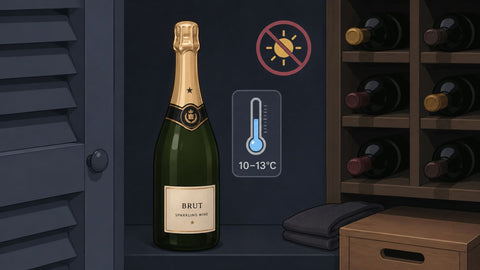
- Keep it cool: Avoid hot cupboards, garages and laundry shelves.
- Keep it dark: Light can be unkind to wine over time.
- Keep it still: Vibration and constant movement aren't ideal.
- Keep track: Write the purchase date on a tag or note so you remember what you've put away.
A modest wine fridge works well if you collect regularly. If you don't, the coolest stable part of the house is often enough for shorter-term ageing.
For a more detailed home approach, this Australian guide to red wine cellaring covers practical storage ideas without making the subject feel intimidating.
Patience pays off most with wines that already have balance. Power alone doesn't guarantee a good cellar future.
How to Buy South Australian Red Wine
A good bottle often starts with a simple question asked before you shop. What do you want the wine to do?
Maybe you need a reliable weeknight red that feels generous without tiring your palate. Maybe you want a bottle for roast lamb, a few wines to lay down, or a mixed case that teaches you how South Australia changes from one region to the next. Once that purpose is clear, buying gets easier because you stop chasing labels and start choosing style.
One market detail helps explain why selection can feel uneven from year to year. In 2024, South Australia's red grape crush totalled 365,582 tonnes, down 11% from 2023, according to the South Australia 2024 state summary. For buyers, that means it can pay to shop with a plan, especially if you are looking for premium reds from well-known regions.

Read the label from place to palate
Start with the region. Then look at the grape. Then look for clues about style.
That order matters because South Australian reds make more sense when you read them through terroir. Region tells you about climate, soil, and ripening pattern. Grape tells you how those conditions are expressed. Put together, they give you a rough map of the wine in the glass.
For example, Barossa Shiraz often points toward fuller fruit, broader shape, and a warmer feel. McLaren Vale Shiraz can carry dark fruit too, but often with a savoury, earthy edge and softer curves from its mix of coastal influence and varied soils. Adelaide Hills reds usually show more lift and brightness because cooler sites hold onto freshness. Coonawarra Cabernet tends to bring firmer structure and a straighter line across the palate.
That is why buying by grape alone can lead to disappointment. A person who says, “I like Shiraz,” may like the spice and freshness of cooler Shiraz, not the denser style from warmer sites. Place often explains your preference more clearly than variety.
Smart ways to buy without making it complicated
If you are still working out your palate, mixed packs are one of the best teaching tools. They work like a tasting flight spread over several dinners. One bottle might show plush dark fruit, another more pepper and line, another more herbal structure. You begin to notice what keeps drawing you back.
Buying by purpose also helps:
- For easy drinking choose Grenache or Shiraz with open fruit, moderate tannin, and little need for extended decanting.
- For the dinner table choose Cabernet or savoury Shiraz with enough structure to sit comfortably beside protein, fat, and char.
- For gifts choose wines from recognised regions with a clear regional signature on the label.
- For learning choose region-based mixed packs, so you can compare climate and soil influence side by side.
One practical option is McLaren Vale Cellars, which offers South Australian reds in dozens, mixed packs and region-focused selections. That suits buyers who want to compare regions rather than rely on a single bottle and a hopeful guess.
If you buy for a restaurant, wedding, or large event
Hospitality buyers need a wider frame. A list has to cover different dishes, budgets, and drinker preferences. It also helps to include more than one expression of South Australia, because the old idea that the state only makes big, heavy reds leaves money and interest on the table.
A smarter list might include a richer Shiraz, a finer Cabernet, and a lighter, brighter red for guests who want freshness. If that is your job, this guide to restaurant wine programs offers useful context for building a wine list that works for both service and sales.
A short buying checklist
Before you add a bottle to your cart, pause and ask:
- Which part of red wine do I enjoy most? Ripe fruit, savoury notes, spice, freshness, or firm structure?
- What region usually gives me that? Warm and generous, coastal and savoury, or cooler and more lifted?
- Am I buying for this month or next few years? Some wines are built for pleasure now. Others need time.
- Would I learn more from one bottle or three different regions? Comparison builds confidence quickly.
Use those questions and South Australian red wine becomes much easier to read. You are no longer buying by marketing language alone. You are buying by place, style, and purpose, which is where true confidence starts.
Your South Australian Wine Adventure Begins
A first serious taste of South Australian red often starts with a surprise. Someone pours a Shiraz expecting weight and power, then the glass shows something else as well. Maybe it is the dried herb and olive savouriness that often points to McLaren Vale, or the cool lift that can show up in Adelaide Hills fruit, or the firm blackcurrant line that makes Coonawarra Cabernet feel so composed. In one glass, the state stops being a single style and starts becoming a map.
That is the most useful way to keep exploring. Start with place, then read the flavours back to soil and climate.
Warm sites tend to give broader fruit and a fuller shape. Higher or cooler sites often bring brighter aromatics and more tension. Coastal influence can add savoury detail, like a pinch of sea breeze in the finish. Terra rossa over limestone often shows itself through structure and definition, while older soils and varied aspects can build spice, perfume, or earthy depth. Wine works like a natural sketchbook. Once you learn the lines, the picture becomes much easier to read.
Keep tasting with a terroir lens
On your next bottle, slow down and ask:
- Does the wine feel plush and wide, or tighter and more linear?
- Are you tasting black plum and dark chocolate, or red cherry, pepper, and herbs?
- Do the tannins coat your mouth gently, or arrive with a firmer grip?
- What seems to be driving the style: heat, altitude, ocean air, or a mix of the three?
Those questions help turn preference into understanding.
If you love richer reds, South Australia gives you plenty to explore. If you want fragrance, freshness, and finer structure, it gives you that too. The old idea that the state only makes big, bold reds falls apart as soon as you taste by region instead of by stereotype.
Keep that curiosity with you the next time you open a bottle from McLaren Vale Cellars. Compare regions, notice what the site is doing, and let your palate build its own tasting map. That is where confidence starts, and where the true fun begins.
Comments (0)
There are no comments for this article. Be the first one to leave a message!