
You're standing in a bottle shop with dinner plans in mind. One label promises fragrant red berries and a lighter, fresher pour. Another suggests dark fruit, firm structure and a wine that could sit happily beside steak. The choice between Pinot Noir and Cabernet Sauvignon can look like a simple light-versus-full-bodied decision, but that shortcut misses the question that matters most: which bottle suits your occasion, palate and budget?
For an Australian drinker, the difference also has a value story. Wine Australia reports that Pinot Noir had the country's highest average retail value at $17.46 per 750 ml, while Cabernet Sauvignon was among the mainstream reds declining in off-trade sales, down 5% in 2023. Wine Australia's market report makes the comparison more useful than a style debate. Pinot can justify its premium when freshness, perfume and food flexibility matter. Cabernet often makes more sense when you want scale, structure and a dependable partner for a generous meal.
Introduction to Pinot Noir vs Cabernet Sauvignon
The best choice depends on what's on the table and how you want the wine to feel. A casual meal of roast chicken, salmon or mushrooms may favour Pinot Noir's bright acidity and silky texture. A grilled steak, lamb shoulder or mature cheese board usually gives Cabernet Sauvignon the richer canvas it needs.
That doesn't mean every Pinot Noir is delicate or every Cabernet Sauvignon is heavy. Winemaking, climate, oak and vintage all shape the finished bottle. A cool-climate Cabernet may feel taut and savoury, while a warm-climate Pinot can show deeper fruit and more weight than a new drinker expects.
The useful question: Don't ask which grape is better. Ask which wine will make this meal, evening or gift feel more complete.
A practical comparison needs more than body. We'll look at tannin, acidity, aroma, regional character, ageing potential, serving technique and food pairing. Those details explain why the wines taste different and help you read a label without needing a sommelier's vocabulary.
| Drinking question | Pinot Noir | Cabernet Sauvignon |
|---|---|---|
| How does it feel? | Light to medium-bodied, silky and lifted | Medium to full-bodied, dense and structured |
| What stands out? | Red fruit, florals, spice and perfume | Blackcurrant, dark fruit, herbs, chocolate and savoury depth |
| How is the tannin? | Usually fine, gentle and supple | More noticeable, firm and drying |
| What does acidity do? | Adds freshness and energy | Supports shape and helps balance richness |
| Best occasion | Fresh meals, relaxed dinners and elegant gifting | Barbecues, roasts, cellaring and larger gatherings |
| Regional Australian association | Cooler regions such as Tasmania, Yarra Valley and Adelaide Hills | Strongly associated with regions including McLaren Vale, Coonawarra and Margaret River |
Whether you're choosing one bottle, building a mixed pack or buying a dozen for the cellar, this guide gives you a simple way to decide. Think of it as the sort of conversation you'd have with a cellar host in McLaren Vale, practical advice first, tasting language translated into real choices.
Understanding Each Grape at a Glance
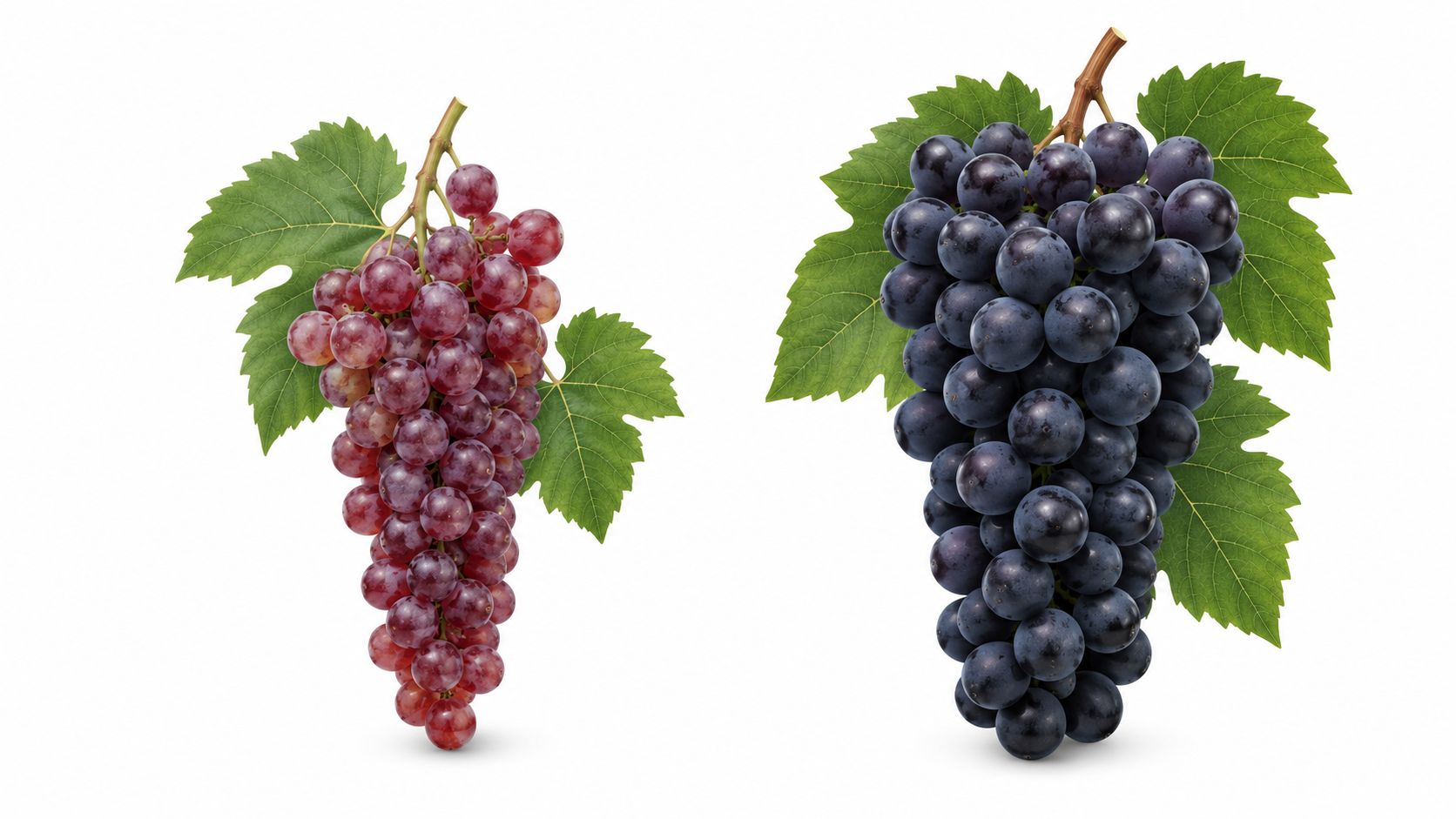
Start with the grapes themselves. Their physical structure influences how they ripen, what flavours develop and how much shape they bring to the wine.
Pinot Noir is all about perfume and place
Pinot Noir has relatively thin skins and ripens early. That combination gives the variety a naturally lighter colour and makes it highly responsive to its growing site. Cooler conditions help preserve its acidity and allow delicate aromas to remain expressive rather than becoming broad or heavy.
In the glass, Pinot Noir commonly leans towards red cherry, raspberry, strawberry, violet, earth and gentle spice. Its tannins often feel fine-grained rather than forceful. You may notice a smooth entry, a lively middle palate and a clean finish that makes you want another sip.
Pinot Noir can be a still red, but it also plays a major role in Australian sparkling wine. Wine Australia identifies Pinot Noir as the 4th largest red variety grown in Australia, behind Shiraz, Cabernet Sauvignon and Merlot, and notes that around half of Australian Pinot is used in sparkling production rather than still table wine. Wine Australia's Pinot Noir insights help explain why the still Pinot category can feel more specialised than its vineyard presence alone suggests.
Cabernet Sauvignon brings natural framework
Cabernet Sauvignon has thicker skins and ripens later. The skins contribute more colour and tannin, while the longer ripening window can build concentrated fruit and savoury complexity when the climate allows the grapes to mature fully.
Typical Cabernet flavours include blackcurrant, blackberry, plum, mint, bay leaf, cedar, dark chocolate and spice. The wine often feels broader and more muscular, with tannin creating a drying sensation along the gums. That grip isn't a flaw. It's part of the variety's identity and one reason Cabernet works so well with protein-rich food.
Australian Cabernet can range from fresh and herbal to plush and dark-fruited. McLaren Vale is especially known for Cabernet with ripe fruit, savoury detail and generous texture, while cooler or more maritime areas can produce a firmer, more linear style. The grape has a broad Australian footprint, so region and producer deserve as much attention as the variety name.
Head to Head on Body Tannin Acidity and Aroma
A tasting glass gives you several clues before you've taken a full mouthful. Look at colour, smell the wine, then notice how it moves across your palate. Body describes weight, tannin creates grip, and acidity provides freshness. Aroma supplies the personality.
Pinot Noir leads with perfume and acidity. Cabernet Sauvignon leads with structure and depth.
The sensory differences
Body and weight: Pinot Noir usually sits in the light-to-medium range, although warm sites and generous winemaking can add weight. Cabernet Sauvignon generally feels fuller, with more concentrated fruit and a longer, denser finish.
Tannin: Pinot Noir's tannin tends to feel polished and quiet. Cabernet's tannin is more obvious, often drying the sides of your mouth and giving the wine a firm frame. If you dislike astringency, start with Pinot or choose a softer, fruit-driven Cabernet.
Acidity: Pinot Noir's acidity is often the first thing that makes the wine feel refreshing. It lifts red fruit and keeps richer dishes from tasting flat. Cabernet also needs acidity for balance, but the overall impression is usually shaped more by tannin and fruit concentration.
Aroma: Pinot's fragrance can include red berries, flowers, forest floor and spice. Cabernet moves towards darker fruit, herbs, chocolate, cedar and savoury notes, particularly as the wine develops.
Alcohol: Alcohol contributes warmth and body in both varieties. It can't be judged reliably from the grape name alone, so look for the stated level on the label and consider the climate and producer style. A wine with balanced acidity and tannin can feel composed even when it has generous weight.
| Criteria | Pinot Noir | Cabernet Sauvignon |
|---|---|---|
| Colour | Often bright ruby to garnet | Often deep ruby to purple |
| Fruit profile | Red berries and cherries | Blackcurrant, blackberry and dark plum |
| Tannin sensation | Fine, supple and gently drying | Firm, structural and more drying |
| Acidity | Prominent freshness | Supportive balance beneath the structure |
| Aroma family | Floral, earthy, spicy and lifted | Herbal, savoury, chocolaty and dark-fruited |
| Typical table role | Versatile with lighter and medium-weight dishes | Strong with rich, grilled and slow-cooked food |
A useful tasting exercise is to take one sip of each wine with a neutral bite of bread. Then try them with the meal. Pinot's acidity may make a creamy or oily dish feel cleaner, while Cabernet's tannin can make meat taste juicier and less heavy.
If tannin still feels abstract, the guide to tannin in wine offers a helpful way to connect that drying sensation with grape skins, winemaking and food. The practical takeaway is simple: Pinot is usually about lift and texture, Cabernet about grip and depth.
The commercial figures reinforce the contrast without deciding your taste for you. In Australia's 2022 crush, Cabernet Sauvignon reached 246,723 tonnes at an average reportable value of $685 per tonne, while Pinot Noir reached 44,271 tonnes at $1,200 per tonne. Australian winegrape crush data shows Pinot Noir at roughly 75% higher average value per tonne, despite a crush volume of only about 18% of Cabernet's. That scarcity helps explain the premium, but the bottle still needs to deliver the freshness and character you want.
Where They Grow Best and How McLaren Vale Shapes Cabernet
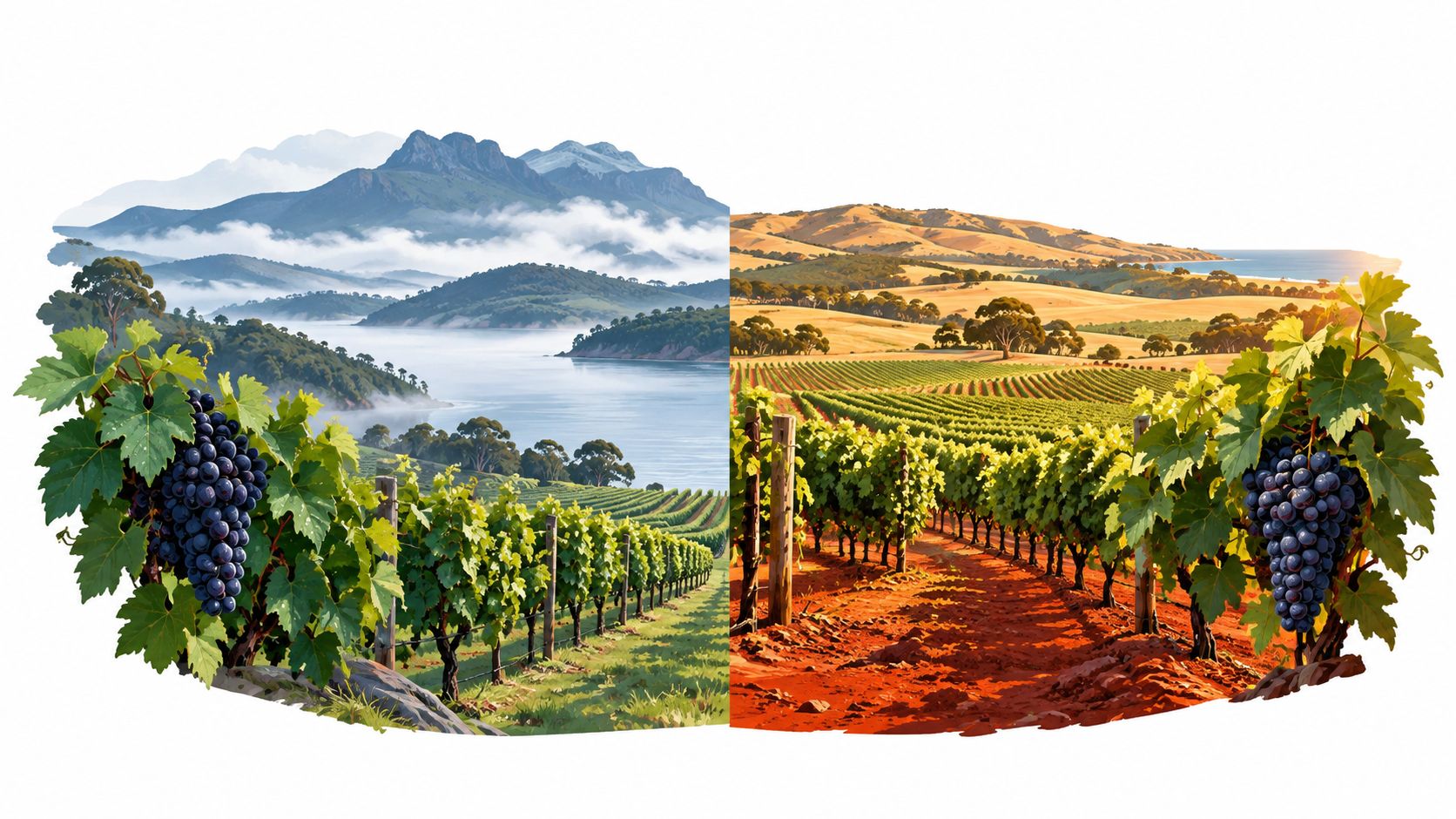
Grape varieties don't taste the same everywhere because ripening conditions change the balance between fruit, acidity and tannin. Pinot Noir needs careful site selection. Cooler areas such as Tasmania, the Yarra Valley and Adelaide Hills help it retain freshness while developing fragrant red fruit.
Cabernet Sauvignon has a wider comfort zone, provided the grapes reach full ripeness. Australian examples come from warm and cool regions, including McLaren Vale, Coonawarra and Margaret River. The resulting styles can differ markedly. A cooler Cabernet may show leafy notes, cassis and firm tannin, while a warmer example can offer plush dark fruit, chocolate and a rounder palate.
McLaren Vale gives Cabernet room to speak
McLaren Vale's Mediterranean climate and ancient soils create conditions well suited to structured red wine. Cabernet Sauvignon from the region often combines ripe blackcurrant, dark chocolate, savoury complexity and firm but generous tannin. Oak can add cedar, toast or spice, but good examples keep the fruit and regional character in balance.
That combination makes McLaren Vale Cabernet particularly useful at the dinner table. It has enough structure for grilled beef and lamb, but the ripe fruit can keep the wine approachable before long cellaring. For a closer look at the style, explore this guide to McLaren Vale Cabernet Sauvignon wines.
Pinot Noir can grow in South Australia, but it remains more associated with selected cooler sites than with McLaren Vale's Cabernet identity. The national planting figures show why. Wine Australia reported about 4,948 hectares of Pinot Noir in 2022, equal to 3.7% of Australia's total vineyard area, with plantings dating back to the 1840s. Independent Australian wine summaries place Cabernet Sauvignon at roughly 25,000 hectares, making it about five times more widely planted nationally. The Australian Pinot Noir summary captures the resulting commercial distinction. Cabernet is a scale variety, while Pinot is more site-specific and limited.
What availability means for your purchase
A broad Cabernet supply makes it easier to find consistent styles for parties, mixed cases and regular dinners. Pinot Noir's smaller footprint can mean more variation between regions and producers, but that variation is part of its appeal. If you enjoy comparing vineyards, vintages and winemaking choices, Pinot rewards curiosity.
South Australia shows the same split at state level. The 2026 South Australia State Summary Report lists 16,451 hectares of Cabernet Sauvignon and 1,807 hectares of Pinot Noir. The Wine Grape Council of South Australia report provides a useful sense of why Cabernet is a staple on South Australian wine lists, while Pinot remains a smaller, more region-sensitive offering.
Ageing Potential Cellaring and Serving Tips
Tannin and acidity act like the wine's internal framework. Tannin can soften with time, while acidity helps the fruit remain lively as the wine develops. That doesn't mean every bottle needs years in a cellar. Most wines are made to be enjoyable on release, and the producer's style matters as much as the grape.
Pinot Noir generally suits earlier drinking, especially when you've bought it for its fragrant fruit and fresh texture. A fine example can develop earthy, savoury notes with careful storage, but you shouldn't put every Pinot aside automatically. Cabernet Sauvignon is more likely to reward patient cellaring because its tannin, concentration and acidity give it a stronger foundation.
Make the bottle fit the night
For a young Pinot Noir, serve it slightly cool, not warm. Chilling the bottle briefly can sharpen its freshness and keep the red fruit lively. Use a larger bowl-shaped red wine glass if available, then swirl gently to release the floral and earthy aromas.
Cabernet benefits from air when its tannin feels firm or its fruit seems closed. Open it before dinner and taste it at intervals rather than following a rigid schedule. If the wine is mature, pour carefully and watch for sediment. If it's young and powerful, a decanter can soften the first impression and broaden the aroma.
Practical rule: Taste before you decide whether a wine needs decanting. Air can help a firm young Cabernet, but a delicate older Pinot may lose its perfume if left exposed too long.
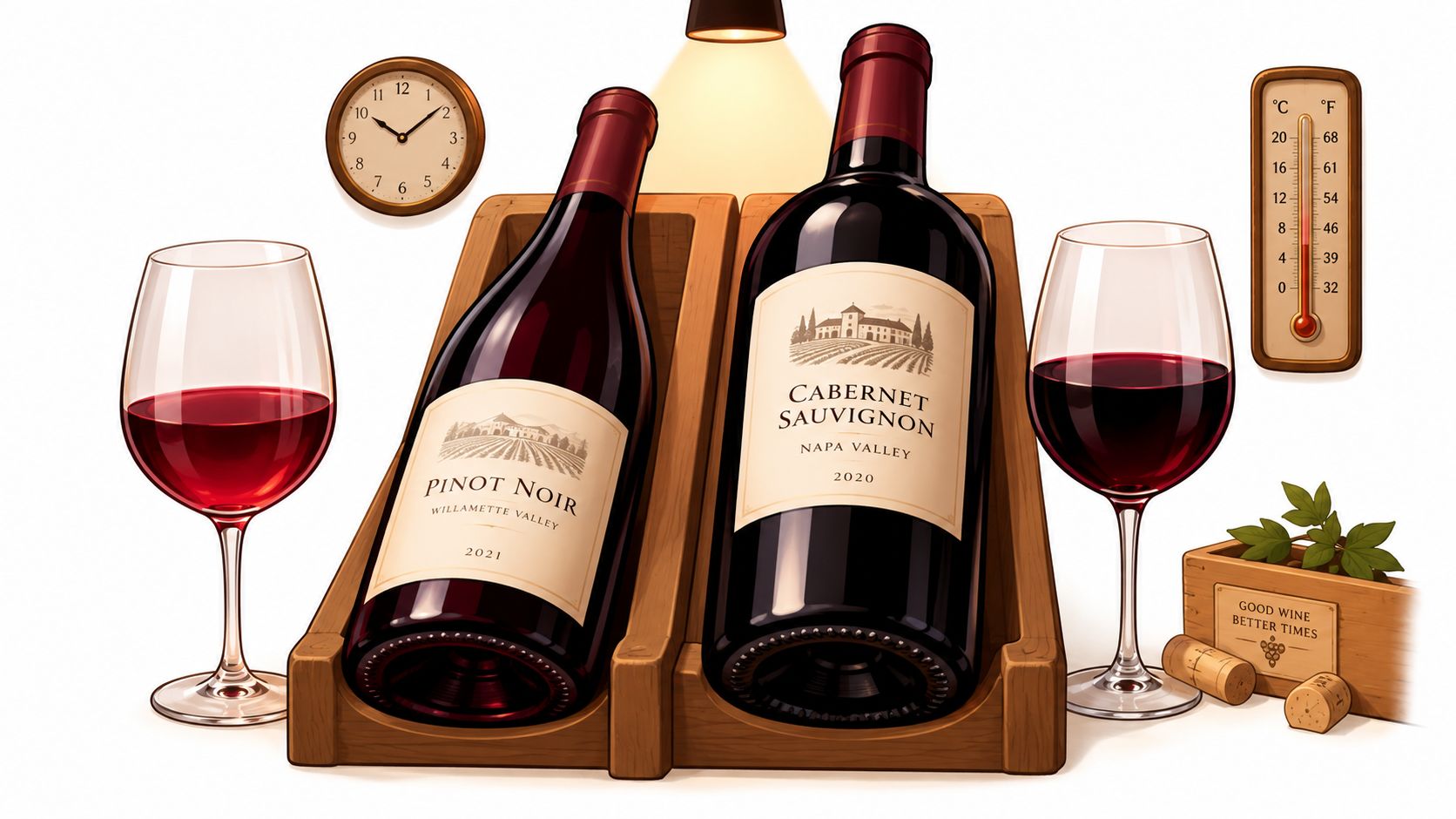
Storage determines whether ageing can work as intended. Keep bottles away from strong light and large temperature swings, ideally in a cool, stable place. For a growing collection, record the producer, vintage and your preferred drinking window. A simple note such as “open with roast lamb” is often more useful than trying to predict an exact peak.
South Australian vineyard structure also gives context to what you'll find in a cellar. Cabernet's much larger planting base, compared with Pinot Noir, means buyers can build a Cabernet collection across different price points and release styles more easily. Pinot is better approached bottle by bottle, with attention to region, producer and intended style.
If you enjoy comparing mature, structured reds with classic benchmarks, resources on tasting Bordeaux-style Napa reds can help you focus on fruit, oak, tannin and development rather than age alone. The same tasting discipline works with Australian Cabernet.
Food Pairing Guide for Every Menu
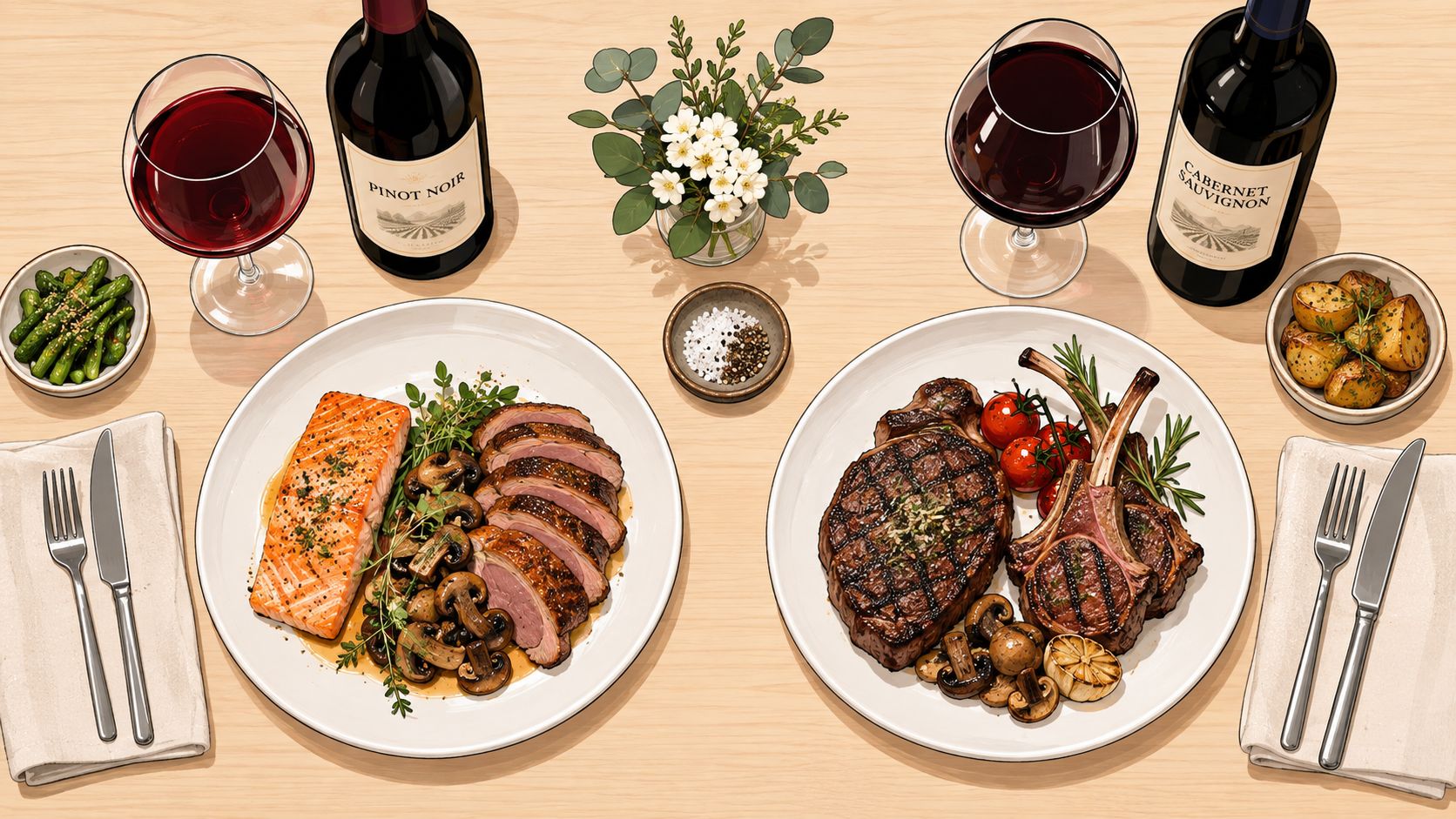
Pair the wine with the weight and texture of the dish, not just its main ingredient. Pinot Noir's acidity and fine tannin make it comfortable with food that has moderate richness but doesn't need a powerful red. Cabernet Sauvignon brings more grip, so it performs best when the meal has protein, char, fat or a deep sauce.
Choose Pinot Noir for freshness and delicacy
Try Pinot Noir with:
- Salmon: Acidity refreshes the palate after the fish's natural richness, while red fruit keeps the pairing more interesting than a white wine alone.
- Duck: The wine's savoury edge and silky tannin can match duck without overpowering its texture.
- Mushroom dishes: Earthy flavours echo Pinot's forest-floor character, especially in risotto, tart or creamy pasta.
- Lighter charcuterie: Delicate cured meats and pâté suit Pinot better than heavily smoked or aggressively spiced options.
Pinot also works well with roast chicken, pork and dishes containing herbs. If the sauce is very sweet, hot or heavily reduced, choose a fuller Pinot or move towards Cabernet.
Bring out Cabernet with richness
Cabernet's tannin interacts naturally with protein and fat. Serve it with:
- Grilled steak: Charred flavours and firm texture make the wine feel rounder and less drying.
- Lamb: Herbs, roast flavour and savoury fat give Cabernet a strong partner.
- Slow-cooked beef: Deep sauces and gelatinous textures welcome the wine's structure.
- Aged hard cheese: Mature cheddar-style cheeses can soften the tannin and make the dark fruit seem more generous.
For a mixed menu, pour Pinot first and Cabernet later. The lighter, more aromatic wine can disappear if guests taste it after a large, tannic Cabernet. If the centrepiece is steak but one guest prefers softer reds, choose a fruit-forward Cabernet and serve it with a mushroom side or buttery potatoes.
A broader guide to wine and food pairing can help when your menu includes several courses or competing flavours.
This short video offers another visual way to think about matching wine with food. Notice how the dish's richness, seasoning and cooking method influence the choice.
Choosing the Right Wine for Your Occasion and Palate
Choose Pinot Noir when you want freshness, fragrance and flexibility. It's the safer call for a meal with several lighter dishes, a host who prefers elegance over power, or a gift for someone who enjoys aromatic reds. Its higher average retail value means you'll want to decide whether the bottle's perfume, texture and regional character justify the spend for that particular occasion.
Choose Cabernet Sauvignon when you want structure, dark fruit and a wine that can stand beside a substantial meal. It makes practical sense for a barbecue, a corporate bundle, a dozen for regular entertaining or a cellar built around wines that can develop savoury and chocolate-like complexity.
Your palate gives the clearest answer:
- You enjoy bright, lifted flavours: Start with Pinot Noir.
- You prefer dark fruit and firm grip: Choose Cabernet Sauvignon.
- You dislike drying tannin: Look for supple Pinot or a softer Cabernet style.
- You want a wine for steak and lamb: Cabernet is the natural first choice.
- You're serving salmon, duck or mushrooms: Pinot will usually feel more balanced.
- You're buying without knowing everyone's preference: A mixed selection reduces the risk of choosing one style for the whole table.
For shoppers who want to explore rather than commit to one variety, McLaren Vale Cellars offers curated sample packs, Half & Half bundles and mixed dozen options, with free delivery Australia-wide on orders over $100. A mixed pack lets you compare Pinot Noir's freshness with McLaren Vale Cabernet's structure in your own kitchen, alongside the meal that matters more than any tasting note.
The short answer is this: Pinot Noir earns its premium when you want perfume, acidity and graceful food pairing. Cabernet Sauvignon earns its place when you want depth, structure, value across a larger purchase and cellaring potential. Buy for the occasion first, then choose the grape.
Explore regional Australian reds, compare Pinot Noir with structured Cabernet Sauvignon, and use curated sample packs or mixed bundles to find the style that suits your table. Visit McLaren Vale Cellars to browse McLaren Vale selections, tasting guides and delivery options for your next bottle or cellar purchase.


Comments (0)
There are no comments for this article. Be the first one to leave a message!