
McLaren Vale Heirloom Shiraz is a bold, medium-to-full-bodied red shaped by dark berry, chocolate and spice, with the Heirloom expression matured for 16 months in mostly used French and Bulgarian oak. McLaren Vale has around 7,308 hectares under vine, and 54% of its plantings are Shiraz, giving the wine a substantial regional identity rather than a generic old-vine story.
A bottle can look almost opaque in the cellar light, then open slowly in the glass, first showing ripe fruit and later revealing savoury, earthy detail. That progression is the useful way to understand heirloom Shiraz. Vine age gives the winemaker valuable raw material, but sorting, fermentation, extraction and oak determine what you drink.
The Deep Roots of McLaren Vale Shiraz
In 1838, John Reynell planted commercial vines at Reynella, only two years after South Australia was founded. That early vineyard history still matters because McLaren Vale's modern Shiraz is connected to an established growing culture, not a mere recent regional trend. Wine Australia identifies Shiraz as the region's most planted red variety and notes that it remains close to half of the annual crush. Wine Australia's educator guide places that continuity alongside still-producing vines that are more than a century old.
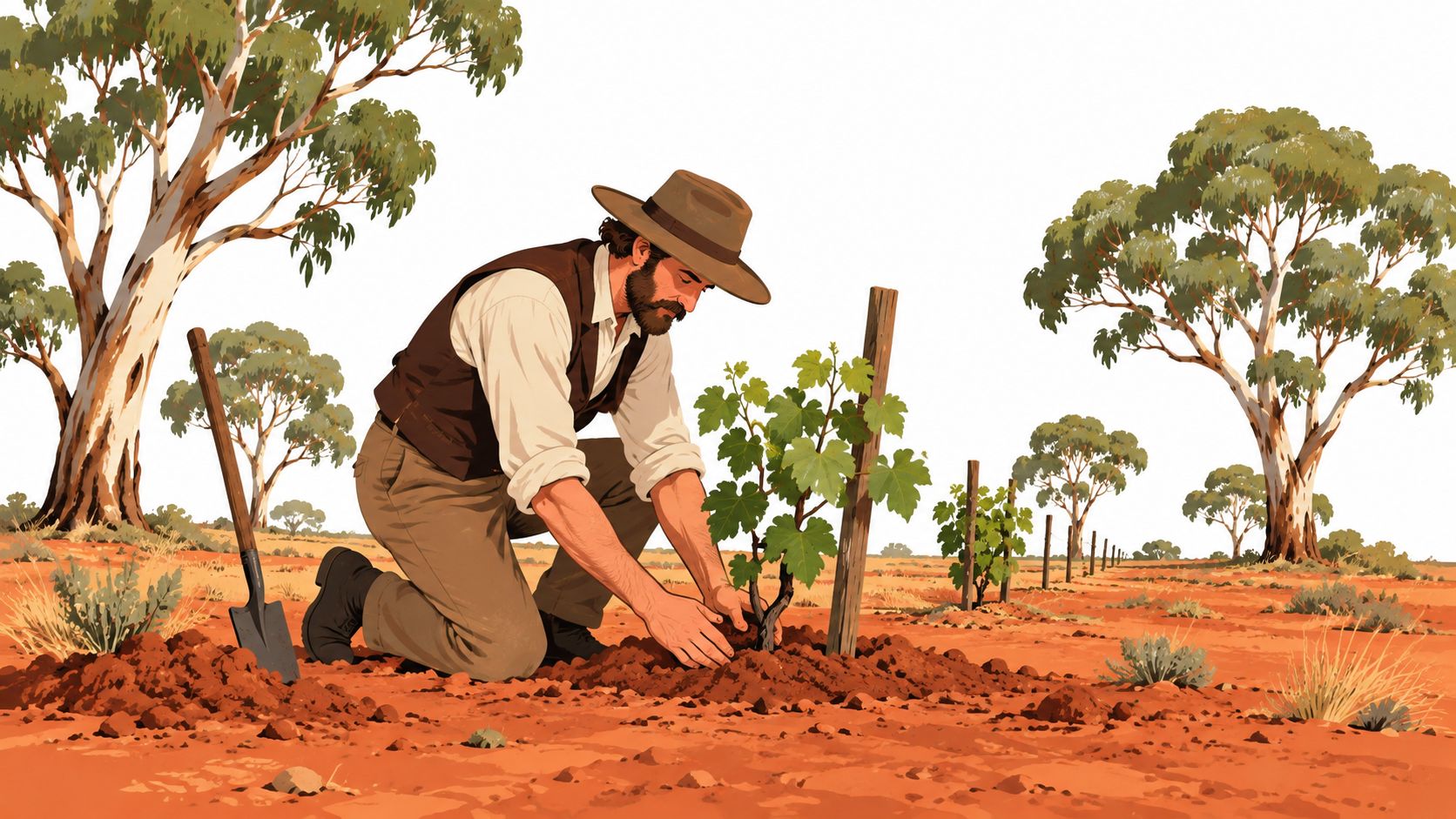
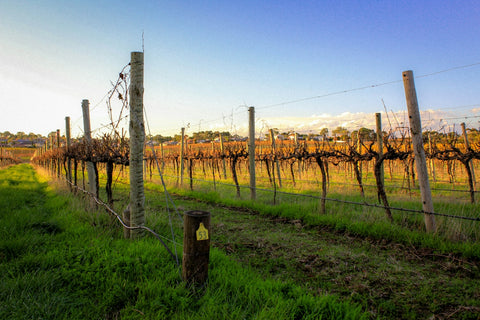
The scale of the vineyard base helps explain why McLaren Vale can support both mainstream regional Shiraz and very old-vine bottlings. The region has around 7,308 hectares under vine, with 54% dedicated to Shiraz, approximately 3,945 hectares. Its regional history from McLaren Vale also records eighteen separate plantings of Shiraz older than 100 years, while the Old Vine Register recognises vines at 35+, 50+, 75+ and 100+ years.
What the old-vine label can and can't tell you
Old vines aren't automatically better. They can offer naturally restrained growth, smaller crops and fruit with concentration, but those advantages only matter if the vineyard is farmed carefully and the winery avoids masking the fruit with excessive extraction or new oak. The word heirloom should therefore prompt a better question: how has the producer translated vine age into balance?
That distinction is central to the history of wine in McLaren Vale. A bottle may carry genuine heritage, yet its final character still depends on harvest decisions and cellar work. A powerful wine can come from old vines, but power alone isn't proof of depth.
Why the region suits Shiraz
McLaren Vale's warm, dry conditions are moderated by maritime influences. Wine Australia describes the regional style as generally medium to full-bodied, with dark chocolate, blueberry and spice among its characteristic notes. Wine Australia's McLaren Vale regional profile also places the region at about 35.349°S, with approximately 226 mm of growing-season rainfall, mean growing-season temperatures around 20.7 to 21.2°C, and roughly 1,748 to 1,824 heat-degree days.
Those conditions can produce ripe, richly flavoured Shiraz while retaining enough freshness to stop the wine becoming merely heavy. The result is a region where heritage has practical meaning, but where the glass still tells you more than the label.
Winemaking Traditions Behind Heirloom Shiraz
The vineyard gives a winemaker options. The winery decides which of those options become texture, aroma and length. Heirloom Vineyards' McLaren Vale Shiraz follows a deliberately hands-on path, beginning with hand-tended vines and bunch sorting before fermentation. The producer's technical product notes describe the wine's natural open fermentation, hand plunging, gentle pumping over and subsequent maturation in French and Bulgarian oak barriques.
Sorting and fermentation
Bunch sorting is a practical quality filter. It removes unwanted material before it can contribute green flavours, bitterness or uneven fermentation. This isn't a glamorous stage, but it protects the clarity of the finished wine.
Natural open fermentation gives the cap management process a physical, observable quality. Hand plunging pushes the grape skins back into the fermenting juice, while gentle pumping over moves liquid across the cap. Both methods encourage colour and tannin extraction, but they can be used with restraint. Too little extraction leaves the wine thin; too much can make the tannins feel hard and drying.
The choice of natural fermentation in an open vessel also suits a wine intended to show site and fruit rather than a heavily engineered profile. It doesn't guarantee elegance by itself. The winemaker still has to judge temperature, timing, tannin development and the point at which the skins have given enough.
Practical rule: Old vines provide complexity only when the winery preserves it. Extraction should build shape, not bury the fruit.
Why the oak matters
The Heirloom Shiraz is matured for 16 months in French and Bulgarian oak barriques, mostly used rather than new. That detail changes the interpretation of the word premium. New oak can contribute obvious vanilla, toast and sweet spice, while used barrels provide a quieter maturation environment with less direct wood flavour.
French oak can support fine spice and structural detail. Bulgarian oak adds another layer to the barrel program, but the important point is the balance between the two origins and the use of mostly seasoned wood. The fruit remains central, while time in barrel can soften the palate and bring savoury, mocha-like notes into focus.
A rich wine doesn't need loud oak. In practice, a mostly used regime often works better for old-vine Shiraz when the goal is to preserve dark berry intensity and let vineyard character remain visible. The connection between mature vines and finished flavour is explored further in this guide to vine age and wine flavour.
The protocol also explains why this style can feel both generous and composed. Hand work creates precision, open fermentation supplies colour and grip, and seasoned oak gives the wine time to knit together without turning it into a barrel sample.
Tasting Notes and Flavour Profile
McLaren Vale Heirloom Shiraz isn't a delicate red, but weight isn't the same as heaviness. In the glass, expect a wine built around ripe dark fruit, with structure that gradually carries the flavour rather than dropping it abruptly.
Start with the aroma. Blackberry, plum and dark cherry form the primary fruit profile. With air, the wine can move towards dark chocolate, mocha, spice and earthy tones. Those secondary notes are where oak and maturation become useful. They should sit behind the fruit, adding savoury complexity rather than announcing themselves as a separate flavour.
A short pour into a broad glass helps reveal this progression. Swirl gently, take an initial sip, then return after the wine has rested. This practical guide to tasting McLaren Vale Shiraz is useful for separating aroma, flavour, texture and finish instead of collapsing everything into the word “smooth”.
Reading the palate
The opening is typically generous, with dark fruit and chocolate tones. The middle palate carries more substance, where oak-derived savoury detail and ripe tannin give the wine its shape. A well-managed example finishes with length rather than sweetness, leaving spice and dark fruit after the last sip.
The texture should feel velvety, but that word needs a practical explanation. It usually points to tannins that are present yet rounded, with enough acidity to keep the wine moving. The wine shouldn't feel flat or sticky. Nor should the finish scrape the sides of your mouth.
| Element | What to look for |
|---|---|
| Aroma | Blackberry, plum, dark cherry, chocolate and spice |
| Texture | Firm but rounded tannin, with a full, smooth centre |
| Oak contribution | Subtle savoury, mocha and spice detail rather than dominant toast |
| Finish | Persistent dark fruit and earthy complexity |
What the style isn't
This isn't the right bottle if you want a light, crunchy red with minimal oak influence. It may also disappoint drinkers who equate intensity with sweetness. Its richness comes from ripe fruit, concentration and texture, not from a sugary finish.
Serve it slightly below warm room temperature. If the wine seems closed, decant it and taste at intervals rather than leaving it unattended for a long period. The aim is to open the aromatics while retaining the palate's energy.
Aging Potential and Vintage Guide
Bottle age is a serving choice, not proof of quality. McLaren Vale Shiraz can improve with time, yet the decision depends on whether the vintage has enough fruit, tannin and freshness to develop without losing definition. Old-vine history provides context, but the wine's actual structure and the 16-month French and Bulgarian oak regime determine how it will age.
The available listing is for the 2019 vintage, so it should not be used to support claims about the 2022 release. The vintage listing places that bottle in a style suited to present drinking, with enough concentration for considered cellaring. Use the guidance as a reference for the listed release, not as a drinking window for another vintage.
A younger bottle should show more primary blackberry, plum and chocolate, with tannin giving the palate firmness. With time, fruit can become more integrated and earthy, while oak, spice and savoury notes settle into a supporting role. The balance matters more than the label's old-vine story.
A practical approach to the 2022
If you open the 2022 soon, pour a small taste first. Decant only if the wine seems tight or its aromatics remain muted, particularly when serving it with a rich meal. A bottle that already feels open and balanced gains little from extended air just because it may benefit from cellaring.
For storage, keep bottles away from heat, light and vibration. Stable conditions and sufficient humidity help protect the cork. A dark cupboard can suit shorter holding, while a dedicated cellar or reliable wine fridge gives better control for several bottles.
What to do with the 2023
The 2023 vintage is the younger option. Open one bottle to assess its current fruit, tannin and oak balance, then decide whether the remaining bottles suit near-term drinking or further rest.
Do not choose a vintage for ageing solely because the label says old vine. Check its structure, alcohol, oak handling and current balance. The practical comparison is simple: taste the younger release to understand its present style, then hold bottles only when their fruit and tannin support that choice.
How Heirloom Compares to Other Styles
Heirloom Shiraz sits between two ideas that are often treated as opposites. It has the concentration and authority associated with traditional McLaren Vale reds, but the mostly used oak regime can keep the fruit from becoming dominated by wood. The region's warm, dry climate supplies ripeness, while cooling maritime influences help preserve balance.
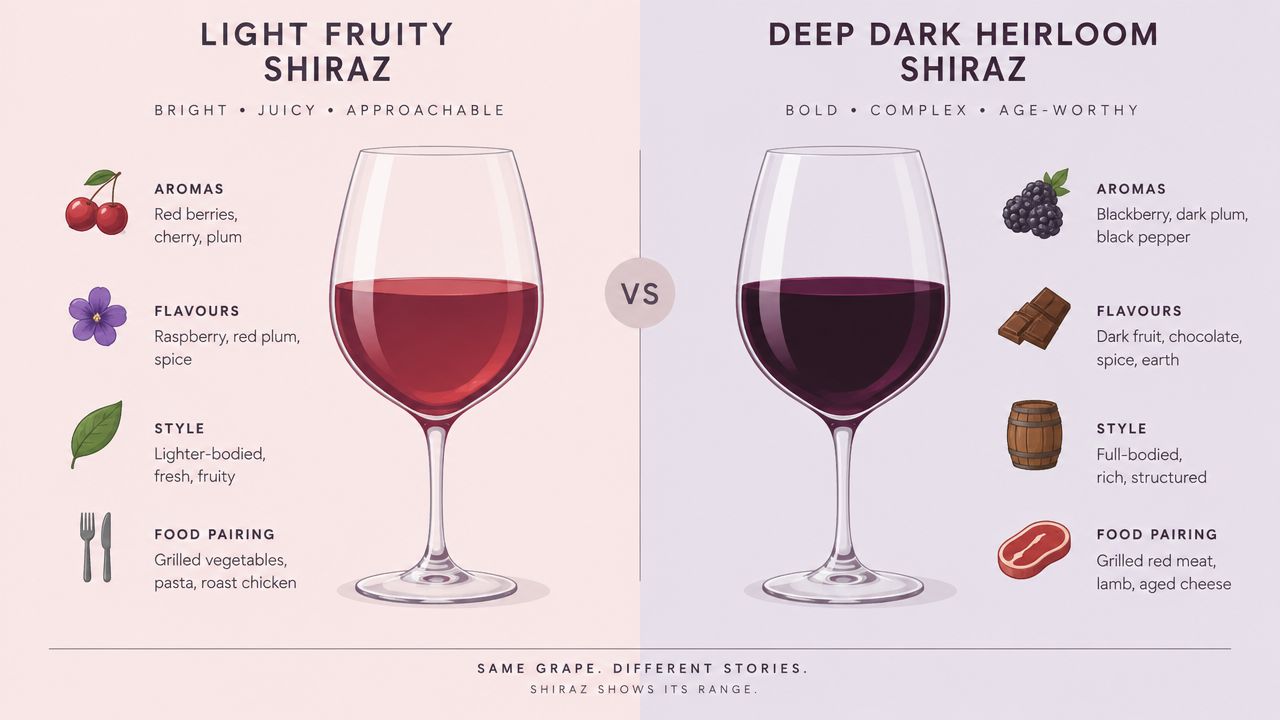
The most useful comparison is with newer, fresher McLaren Vale expressions. Wine Australia notes a regional shift towards other red varieties, including Grenache, alongside the established Shiraz base. That change has encouraged lighter, less oak-influenced wines with brighter fruit and a more immediate drinking profile.
Traditional richness versus modern freshness
A traditional heirloom-style Shiraz is a better fit for drinkers who want dark fruit, full texture and a savoury finish. It usually needs food or patience to show its best. A fresher style can be more adaptable at the table, especially when you want lift, red fruit and less tannic weight.
Neither approach is automatically superior. A modern, fruit-forward wine may be more enjoyable on a warm afternoon, while a structured old-vine Shiraz can make more sense with slow-cooked meat or a cold-weather meal. The mistake is assuming that the old-vine label settles the question of value. You're paying for the combination of vineyard history, farming, selection and winemaking, not for age alone.
A premium old-vine wine earns its place when concentration comes with detail, not when volume replaces detail.
The regional context is also important. Barossa Shiraz can present a broader, more overtly powerful style, while McLaren Vale often carries a coastal sense of freshness through its dark fruit. That isn't a fixed rule for every bottle, but it provides a useful starting point when choosing between regions.
The video below offers another visual way to think about the contrast between regional character and winemaking style.
For shoppers, the decision is simple. Choose heirloom Shiraz when you want depth, texture and development. Choose a fresher regional red when you want immediate fruit and less cellar influence.
Perfect Food Pairings for Your Bottle
The wine's dark fruit and savoury oak make it especially useful at the dinner table. Match its weight first, then consider flavour. Delicate seafood or lightly dressed salads will usually be overwhelmed, while char, braise, umami and firm cheese give the wine something substantial to meet.
Start with slow cooking
Slow-cooked lamb shanks are a natural partner. The gelatinous texture and savoury sauce soften the perception of tannin, while rosemary, garlic and reduced stock echo the wine's earthy and spicy tones. Keep the sauce concentrated rather than sweet. Excess sweetness can make the wine feel hotter and less balanced.
A grilled ribeye works for a different reason. The browned crust mirrors the wine's dark, roasted character, and the steak's fat smooths the palate. Season with salt and pepper, add a restrained herb butter if you like, and avoid a sauce so sweet that it competes with the fruit.
Use umami carefully
Mushroom pasta can work when the sauce is rich enough to match the wine. Brown the mushrooms thoroughly, add stock or cream sparingly, and finish with parmesan. The earthy flavours reflect the wine's savoury side, while the pasta supplies the weight needed for a full-bodied red.
For a spicier table, use warmth rather than aggressive chilli. A grilled sausage, smoky eggplant dish or lamb kofta can bring out the Shiraz's spice without making the alcohol feel sharper. If you want a sweet, hot accent, serve it on the side. A homemade mango chili condiment can add tropical sweetness and heat to grilled meat, but use a small amount so the wine remains the centre of the pairing.
Cheese and serving order
Aged Gouda and sharp Cheddar are reliable cheese choices because their firmness and savoury intensity can stand up to the wine. Serve them after the main course rather than before a delicate entrée. Blue cheese can work, but its salt and pungency may dominate the fruit, so it's better offered as one option on a broader cheese board.
Open the bottle shortly before serving and taste it with the meal. If the tannin feels tight, give it more air. If the fruit is already expressive, pour it and let the wine evolve in the glass. The best pairing isn't the one with the most ingredients. It's the one that lets both the food and the Shiraz retain their identity.
Where to Buy and Cellar Your Shiraz
Buying heirloom Shiraz is easier when you can compare the bottle's producer details, vintage, oak treatment and intended drinking window rather than relying on the word “premium”. A specialist regional retailer can also help you explore related McLaren Vale styles, which is useful if you're unsure whether your palate favours deep, structured reds or fresher fruit-driven expressions.
McLaren Vale Cellars offers McLaren Vale Shiraz selections, including six-bottle options, alongside mixed packs and tasting resources. That format suits buyers who want to compare bottles before committing to a larger cellar purchase. Sample packs can be particularly useful for newer drinkers, while a dozen or half-case deal makes more sense once you know the style works with your cooking and storage plans.
Cellaring without overcomplicating it
Keep bottles in a dark, stable place away from heat and temperature swings. Store cork-sealed wine on its side if you're holding it for an extended period, and avoid placing bottles in a kitchen cupboard above an oven or near direct sunlight.
Before buying several bottles, open one and record what you notice. Write down the fruit, tannin, oak and finish, then revisit another bottle later. That simple habit tells you more about the wine's development than a label ever can.
Heirloom Shiraz represents good value only when its style matches your drinking habits. If you enjoy full-bodied reds with savoury detail and can store them properly, buying several bottles gives you the chance to experience the wine at different stages. If you prefer immediate, brighter fruit, start with a sample pack rather than assuming old vines will change your preference.
McLaren Vale Cellars offers regional Shiraz selections, mixed packs and tasting guidance for Australian drinkers exploring wines such as McLaren Vale Heirloom Shiraz. Visit McLaren Vale Cellars to compare bottles, choose a pack that suits your palate and build a practical cellar for future meals.

Comments (0)
There are no comments for this article. Be the first one to leave a message!