
Talk to any Aussie wine lover about the best white wine in the country, and it won’t be long before Margaret River Chardonnay enters the conversation. It’s celebrated for its incredible balance—a tightrope walk between vibrant fruit and elegant, refined structure. This is a world-class wine, shaped by a unique coastal climate, and it has rightfully earned its place in the cellars of enthusiasts across the globe.
Let's unpack the story behind the bottle.
The Gold Standard of Australian White Wine
When you're talking about the absolute pinnacle of Australian white wine, Margaret River Chardonnay is the benchmark. Tucked away in the remote southwestern corner of Western Australia, this region has built a stellar reputation for producing Chardonnays that are powerful yet graceful, complex yet beautifully integrated.
Think of it as the perfect meeting point of nature's raw gifts and masterful human craftsmanship.
The region's success isn't just talk; the numbers back it up. Despite producing only 3% of Australia's total grape crush, Margaret River Chardonnay commands an astounding 15% of the nation's total Chardonnay sales. This kind of market dominance speaks volumes about its quality and the widespread appreciation for its unique style.
Why It Stands Apart
So, what’s the secret sauce? What makes this wine so special? It really boils down to a few key elements that work together in perfect harmony, creating the ideal conditions for growing this celebrated grape.
- Maritime Climate: Being surrounded by the Indian and Southern Oceans acts as a natural air conditioner. This ensures a long, cool, and incredibly consistent growing season, allowing the grapes to ripen slowly and develop deep, complex flavours.
- Ancient Soils: The gravelly, free-draining soils are crucial. They add a distinctive minerality and a firm structure to the wine, providing a backbone for all those layers of flavour.
- Winemaking Finesse: Local winemakers have spent decades mastering a style that elevates the grape's natural qualities without ever overpowering them. It's a delicate touch you can read more about in our guide to how Chardonnay reclaimed its throne as a national favourite.
In essence, Margaret River provides a masterclass in terroir. It's a place where the environment—from the salty ocean breezes to the ancient earth—imprints itself directly onto the wine. The result is a Chardonnay that is both intensely expressive and unmistakably Australian.
Why Margaret River Is Perfect for Chardonnay
To really get what makes Margaret River Chardonnay so special, you have to look at the land itself. The secret is its unique terroir—a perfect storm of climate, geography, and soil that creates a paradise for this famous grape. It’s a combination that simply can't be found anywhere else.
Picture a long, skinny peninsula hugged by two massive oceans. You've got the powerful Indian Ocean on one side and the chilly Southern Ocean on the other. This constant maritime influence works like a natural air conditioner for the vineyards, keeping temperatures just right all year round. It stops savage heat spikes in summer and keeps the frost away in winter.
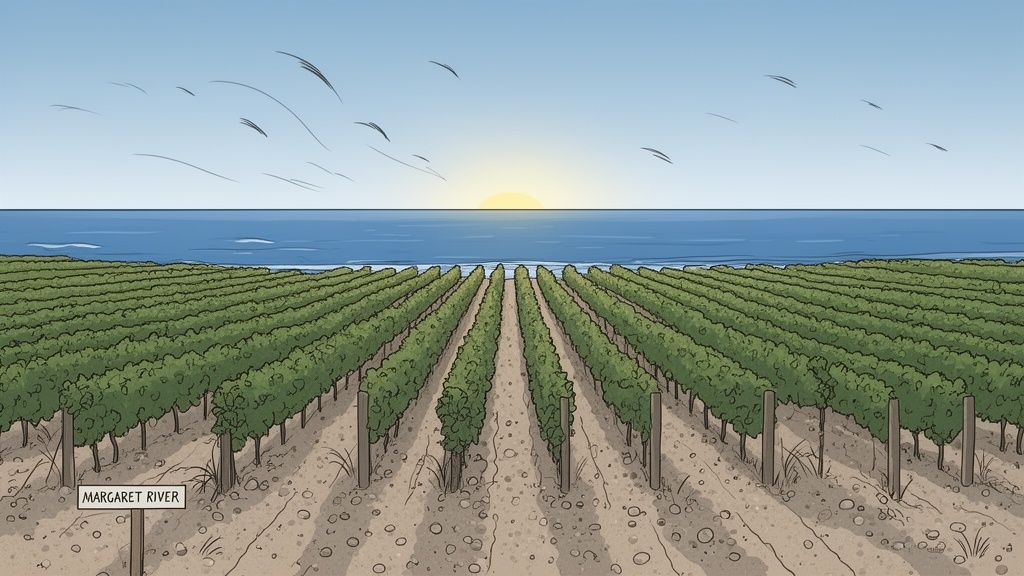
This gentle, consistent climate gives the region one of the longest, slowest ripening seasons in Australia. Grapes get to hang on the vine for longer, steadily building deep, complex flavours while—and this is the crucial part—holding onto their bright, zesty acidity. This perfect natural balance is the signature of the region's style.
The Foundation Beneath the Vines
The magic doesn't stop with the climate; it goes deeper, right into the ancient soils. A lot of the region is built on iron-rich, gravelly loams, sometimes called "gravelly forest grove" soils. These soils aren't just old; they're also incredibly free-draining.
This is a massive deal for growing top-notch grapes. Instead of letting water hang around the roots and dilute the flavour, the soil makes the vines work for it, forcing them to dig deep for nutrients. This struggle leads to smaller, more concentrated berries absolutely packed with intense flavour.
This unique combination of a moderate maritime climate and ancient, well-draining soils provides the perfect conditions for growing Chardonnay with exceptional intensity, structure, and a distinctive mineral edge.
The result is a wine that tastes exactly like where it came from. You can almost taste the salty air from the nearby oceans and the stony ground in the wine’s subtle salinity and flinty backbone. It’s a true expression of place, something wine lovers are always searching for. You can explore more about Australia's unique wine regions in our detailed guide.
Quality Over Quantity
Margaret River is one of the most geographically isolated wine regions in the world, a small pocket of brilliance in Western Australia. It pumps out over 20% of Australia's premium wines despite growing just 2% of the country's total grapes. That tells you everything you need to know about their laser focus on quality over quantity. This incredible commitment from the winemakers is what makes every bottle so exceptional.
How Winemaking Shapes the Modern Style
Margaret River Chardonnay wasn't always the elegant, refined wine we know and love today. If you go back a bit, many were big, buttery, and heavily oaked—a style that eventually fell out of favour. The modern expression is a story of evolution, a tale of thoughtful winemaking that aims for finesse over sheer force.
This pivot towards a finer, more mineral-driven style has been a huge success, helping to spark a Chardonnay revival right across Australia. One of the biggest game-changers was the widespread adoption of wild fermentation. This is where naturally occurring yeasts from the vineyard do the hard work instead of cultured, lab-grown ones.
This hands-off approach introduces savoury, complex notes and a unique texture that you simply can't replicate. The region’s collaborative spirit accelerated this change dramatically; while only around 40% of producers were wild fermenting before 2015, that figure jumped to an incredible 90% by 2015, as detailed in a regional report you can read more about in the Margaret River Report 2020.
The Winemaker's Toolkit
Several key techniques define the modern Margaret River style, each adding another layer of complexity and elegance to the wine in your glass.
- Whole-Bunch Pressing: Instead of taking the grapes off the stems, entire bunches are gently pressed. This clever move results in clearer juice, finer tannins, and a much more delicate texture in the finished wine.
- Judicious Use of French Oak: Gone are the days of overpowering oak flavour. Today, winemakers use high-quality French oak barrels not for taste, but for structure and texture. This approach lends a subtle spice and creamy mouthfeel that supports the vibrant fruit, rather than masking it.
- Lees Stirring (Bâtonnage): After fermentation, the wine is left to age on its lees (the spent yeast cells). Gently stirring these lees builds richness, adds a creamy complexity, and naturally protects the wine from oxidation.
These methods all work together to create a Chardonnay that is both powerful and graceful. You can learn more about how French oak affects the taste of white wine in our dedicated guide.
The Famous Gingin Clone
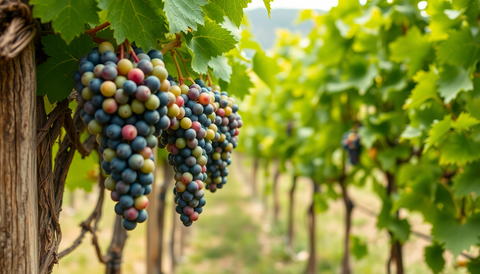
You can't really talk about Margaret River Chardonnay without mentioning the Gingin clone. This specific vine clone is the region's not-so-secret weapon, known for producing grape bunches with a curious mix of large and small berries. This phenomenon is called 'hen and chicken' (or millerandage).
The small, seedless berries provide an intense concentration of flavour, sugar, and acidity. The larger berries contribute flesh and juice. This natural variation in a single bunch gives winemakers a perfectly balanced raw ingredient to start with, leading to wines of incredible depth and finesse.
A Guide to Flavours and Aromas
So, what should you actually expect when you pour a glass of Margaret River Chardonnay? It's a genuine sensory journey, a beautiful spectrum of flavours and aromas that evolve from the vineyard, through the cellar, and right into your glass. Getting your head around these layers is the key to appreciating just how complex and rewarding these wines are.
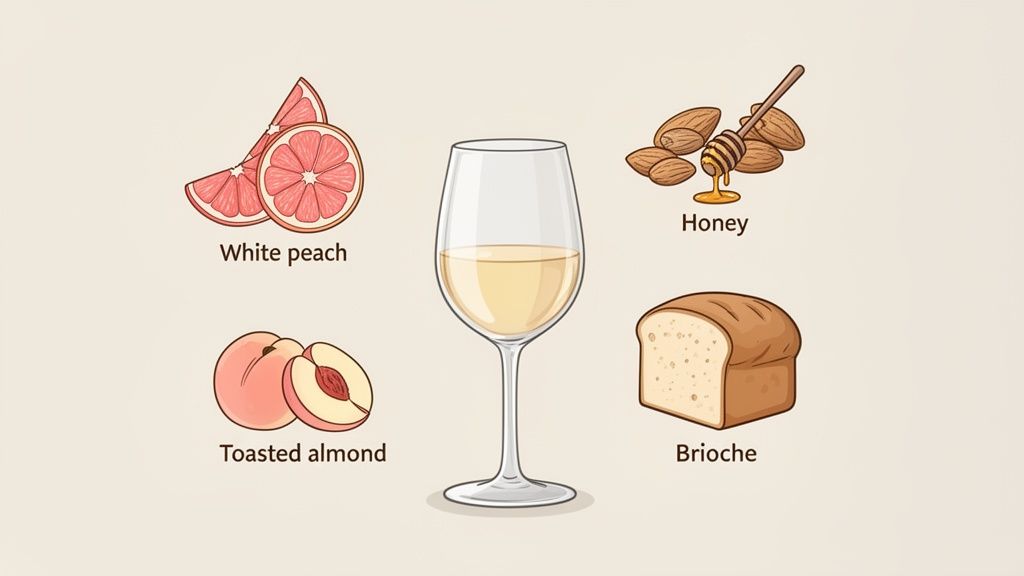
The experience kicks off with the primary characters. These come directly from the grape itself, shaped by that cool maritime climate we talked about. Think of a vibrant burst of fresh fruit—this is the wine’s initial hello. You'll often find zesty grapefruit, crisp nectarine, and delicate white peach. It’s these bright, energetic fruit notes that give the wine its refreshing lift.
Next up are the secondary characters, which are all about what happens in the winery. These are the subtle, complex notes that add depth and texture, turning a simple fruit-driven drink into something far more profound.
This is where the winemaker's craft truly shines. Techniques like barrel fermentation and ageing on lees introduce savoury and textural elements that complement the primary fruit without ever overpowering it.
You might pick up hints of toasted nuts like almond or cashew, a touch of creamy vanilla, or the warm scent of subtle spice from time spent in French oak. A flinty or 'matchstick' note, known as reduction, can also appear, adding a savoury complexity that many Chardonnay lovers actively hunt for.
To help you visualise this, here’s a quick breakdown of what you might find in your glass.
Margaret River Chardonnay Flavour Profile
This table outlines the common aromas and flavours you'll encounter, separating them by where they come from in the wine's life.
| Characteristic Type | Common Aromas & Flavours | Description |
|---|---|---|
| Primary (from the Grape) | Grapefruit, Nectarine, White Peach, Lemon Zest, Green Apple | Bright, fresh, and zesty fruit notes that define the wine's core personality. |
| Secondary (from Winemaking) | Toasted Nuts, Vanilla, Brioche, Butter, Flint, Subtle Spice | Savoury and textural elements from oak, lees contact, and fermentation. |
| Tertiary (from Ageing) | Honey, Beeswax, Hazelnut, Marzipan, Toasted Brioche | Rich, integrated, and complex notes that develop with time in the bottle. |
These layers build on each other, creating the signature complexity that has put Margaret River Chardonnay on the world stage.
Flavours That Develop with Age
Finally, if you're patient enough to cellar a bottle, you’ll be rewarded with tertiary characters. These are the rich, layered notes that emerge as the wine matures. The fresh fruit flavours soften and weave themselves into something deeper and more honeyed.
- Toasted Brioche: A warm, bready aroma that adds a delicious savoury richness.
- Honey and Beeswax: As the fruit notes mellow, they can evolve into luscious, honeyed characters.
- Complex Nutty Notes: The subtle almond hints of a young wine can deepen into more complex hazelnut or marzipan flavours.
This evolution is what makes cellaring a top-notch Margaret River Chardonnay such a rewarding experience. The wine transforms from bright and energetic to something rich, seamless, and incredibly complex. Each stage of its life offers a unique snapshot, making it a truly captivating wine to follow.
Perfect Food Pairings for Your Chardonnay
The beauty of a Margaret River Chardonnay lies not just in the glass, but in its incredible versatility at the dinner table. Its elegant structure, vibrant acidity, and perfect balance of fruit and texture make it a fantastic partner for a huge range of dishes. Forget the old-school rule that white wine only goes with fish; this Chardonnay is far more adaptable than that.
Think of its crisp acidity as a squeeze of fresh lemon. It has this brilliant ability to cut through richness, cleansing your palate and getting you ready for the next bite. This is why it’s a killer match for dishes with a bit of fat or cream. Picture a gorgeous roast chicken with lemon and herbs – the wine’s bright citrus notes slice right through the richness of the bird, creating a perfect harmony of flavours. The same goes for a creamy mushroom or seafood risotto; the Chardonnay keeps the dish from feeling too heavy and cloying.
From the Sea to the Shore
Given its coastal home, it’s no surprise that Margaret River Chardonnay and seafood are a match made in heaven. There's a subtle minerality and almost saline note in the wine that just echoes the flavours of the ocean, making for some truly harmonious pairings.
- Grilled Fish: Keep it simple. Locally caught dhufish or snapper, grilled with a splash of butter and lemon, is just sublime. The wine’s texture perfectly complements the flaky flesh of the fish.
- Rich Shellfish: The ultimate indulgence has to be Western Australian rock lobster. Whether it's grilled or served in a decadent creamy sauce, the lobster's natural sweetness is beautifully amplified by the Chardonnay’s stone fruit and citrus character.
- Delicate Scallops: For a truly unforgettable culinary moment, pair the crisp, elegant profile of a Margaret River Chardonnay with delicate scallops. If you need some inspiration, explore these delicious Australian scallop recipes.
The secret is all about balance. The wine's backbone and acidity provide a counterpoint to rich or creamy dishes, while its delicate fruit and mineral notes enhance lighter food, especially anything from the sea.
Beyond the Obvious Pairings
Don't box yourself in with just poultry and seafood. The complexity of this Chardonnay opens up a world of other fantastic combinations. For a vegetarian option, try a butternut squash ravioli with a sage butter sauce or a hearty root vegetable gratin. The wine’s acidity will cut through the richness, while its subtle nutty undertones sing alongside the earthy flavours.
And when it comes to cheese, think beyond the usual soft cheeses. This style of Chardonnay really shines with semi-hard, nutty varieties. A good quality Comté, Gruyère, or even a sharp aged cheddar will bring out the wine’s secondary notes of toasted almond and brioche, creating a truly memorable end to any meal.
How to Choose the Right Bottle
Walking into a bottle shop and seeing a wall of Margaret River Chardonnay can feel a little daunting, even for seasoned drinkers. With so many incredible options, where do you even start?
The secret is learning to read the label. Understanding the different tiers producers offer is the key to unlocking the right bottle for your palate, budget, or occasion. It’s the difference between grabbing a great Tuesday night wine and a bottle destined for a milestone celebration.
Most wineries craft a range of Chardonnays, from approachable, everyday styles to rare, single-vineyard showstoppers. Let's break down what those tiers actually mean.
Decoding the Different Tiers
So, what separates a $25 bottle from an $85 one? It almost always comes down to two things: where the grapes were grown and how much hands-on attention the wine received in the winery.
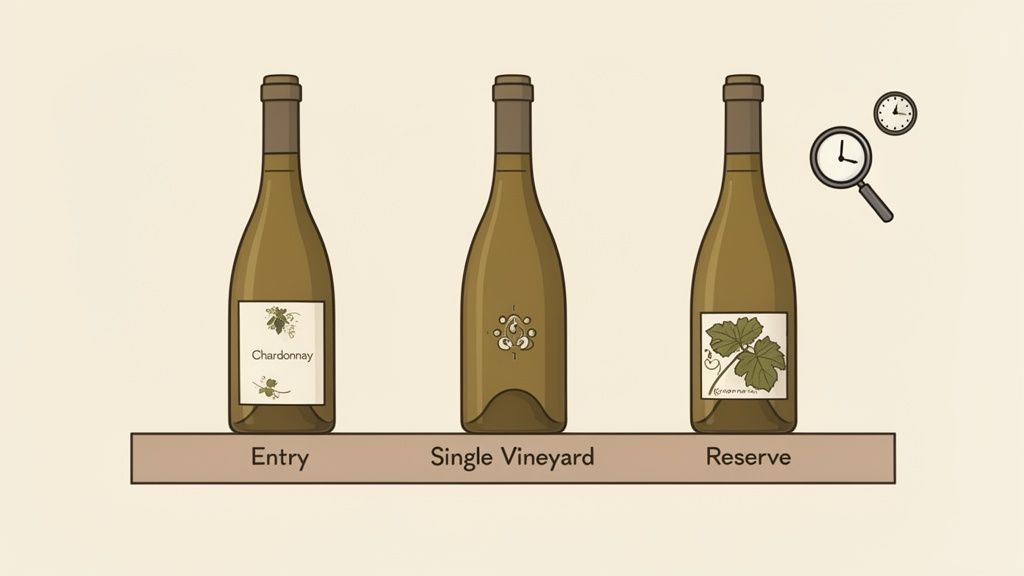
An entry-level bottle is often a brilliant blend from multiple vineyards across the region, crafted to be delicious and ready to drink right now. A top-tier, single-vineyard wine, on the other hand, is all about telling the story of one very special patch of dirt.
- Entry-Level (Regional Blend): Think of these as your go-to, crowd-pleasing Chardonnays. They capture the classic, vibrant fruit and fresh energy of Margaret River in a bottle. They're perfect for casual dinners or a weekend barbecue and are best enjoyed within a few years of release.
- Single Vineyard: This is where things get interesting. As the name implies, every grape comes from one specific, high-quality block. This gives the wine a more concentrated, complex, and distinct personality that truly reflects its unique terroir. These often have the structure to age gracefully for several years.
- Reserve or Icon: This is the absolute best a winery can produce. Made from the most prized parcels of fruit and only in the best vintages, these wines are given the royal treatment in the winery. They are built for the cellar and can evolve beautifully for a decade or even longer.
A simple way to think about it is to match the wine to the moment. A regional blend is your perfect partner for pizza on the couch. A single-vineyard or reserve wine is what you open for a big anniversary or tuck away to see how it develops over time.
Ultimately, the best bottle is the one that fits what you’re looking for. A great way to start is by trying regional blends from a few different producers to get a feel for their house style. Once you find a winemaker you love, stepping up to their single-vineyard offering is a fantastic way to experience the pinnacle of Chardonnay Margaret River winemaking.
Common Questions About Margaret River Chardonnay
Let's wrap things up by tackling a few of the most common questions people have about this incredible wine. Getting these under your belt will help lock in everything we've covered and have you talking about Margaret River Chardonnay like a seasoned pro.
Is Margaret River Chardonnay Typically Oaked?
Yes, but not in the way you might think. Forget those big, buttery Chardonnays of the past; the modern Margaret River style is all about subtlety and balance. Winemakers here use high-quality French oak barrels as a tool to build texture and complexity, not to smother the fruit.
The goal is for the oak to act like a picture frame, enhancing the beautiful fruit flavours without becoming the main event. It’s a delicate dance, resulting in a wine where vibrant fruit and supportive oak are in perfect harmony.
How Long Can I Cellar Margaret River Chardonnay?
This is where Margaret River Chardonnay really shines. While many bottles are absolutely delicious the day you buy them, the best examples have incredible ageing potential. They can evolve gracefully in the cellar for 10-15 years, and sometimes even longer.
Over time, those bright, primary fruit notes soften, making way for wonderfully complex tertiary characters.
You'll discover rich flavours of honey, toasted brioche, and hazelnut emerging as the wine ages. The texture also becomes more seamless and integrated, offering a completely different and rewarding tasting experience.
What Is the Gingin Clone of Chardonnay?
The Gingin clone is the not-so-secret weapon behind the region's signature style. It's a specific type of vine known for producing bunches with a natural mix of large and small berries—a phenomenon lovingly called 'hen and chicken' or millerandage.
This unique quirk is a winemaker's dream.
- The small berries (the 'chickens') are tiny, seedless powerhouses packed with concentrated sugar, acid, and intense flavour.
- The larger berries (the 'hens') provide the juice and flesh, giving the wine its body and volume.
Having this natural variation within a single bunch gives the final wine an exceptional, built-in balance and depth, straight from the vineyard.
How Does It Differ from Other Australian Chardonnays?
It all comes down to the climate. Margaret River’s cooler, maritime conditions create a style of Chardonnay that's fundamentally different from those grown in warmer inland spots like the Barossa Valley or McLaren Vale.
Compared to its warm-climate cousins, a chardonnay margaret river almost always has:
- Higher natural acidity, which gives it that vibrant, crisp finish.
- More citrus and mineral-driven notes, often described as flinty or even a little saline.
- A more elegant, refined, and tightly focused structure.
In contrast, Chardonnays from warmer regions tend to lean into riper stone fruit flavours, a much fuller body, and a creamier, more rounded texture.
Ready to explore the elegance of Australian wine? At McLaren Vale Cellars, we offer a curated selection that showcases the best of the region. Discover your next favourite bottle today at https://www.mclarenvalecellars.com.
Comments (0)
There are no comments for this article. Be the first one to leave a message!