
You’re probably doing one of two things right now. You’re either planning a day trip and trying to work out which cellar doors are worth your time, or you’ve saved a dozen dreamy vineyard photos and still feel slightly unsure about what happens once you walk up to the tasting bench.
That’s normal.
A lot of guides to wine tasting McLaren Vale tell you where to go, but not how to do it well. They list scenic spots, lunch venues, and famous labels. Useful, yes. But first-time visitors usually want something more practical. What should you taste first? Is it rude not to finish every pour? What do you ask if you don’t know much about wine? How do you choose wineries without turning the day into a rushed blur?
McLaren Vale is one of the easiest wine regions in Australia to enjoy, especially if you like great wine without stiff formality. The mood is relaxed. The wines are serious. And once you understand a few basics, a cellar door visit becomes much more fun.
Welcome to McLaren Vale Wine Country
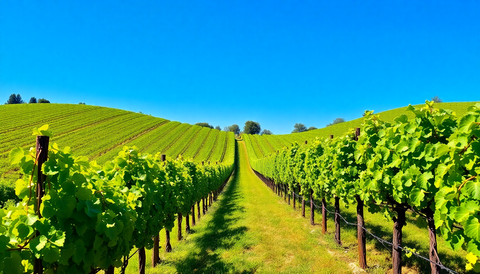
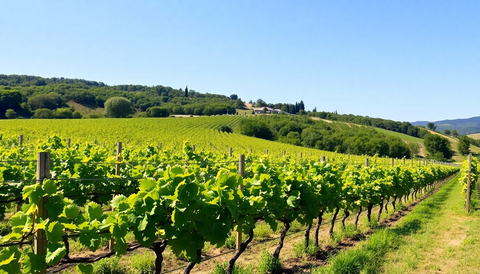
A common McLaren Vale day starts with coffee in Adelaide, a short drive south, then suddenly vines, gum trees, rolling hills and that soft coastal light that makes everything look a bit golden. You can feel the region change as you arrive. It’s wine country, but it doesn’t put on airs.
McLaren Vale sits just 45 minutes from Adelaide and has over 80 cellar doors open to visitors, which helps explain why so many people choose it for a first wine weekend or an easy day trip from the city (regional summary). There’s history here too, stretching back to the 1840s, but the place never feels stuck in the past.

Why people fall for it quickly
Some wine regions feel formal from the moment you arrive. McLaren Vale usually doesn’t. You can taste excellent Shiraz in one place, then sit outside somewhere else with a view of vines and sea breeze, then finish with a producer experimenting with Mediterranean varieties or minimal-intervention styles.
That mix is the charm.
If you want a broader sense of the region’s background, this overview of McLaren Vale as South Australia’s jewel wine region gives useful context before you visit.
A region that handles hard years well
Wine regions show their character in tough seasons, not just easy ones. In 2023, McLaren Vale recorded its lowest winegrape crush since the South Australian Winegrape Crush Survey began in 1993, at 26,467 tonnes, after wet and cold spring conditions delayed growth and contributed to low yields. Even so, growers and winemakers still produced elegant wines that reflected the region’s terroir and skill (2023 McLaren Vale report).
McLaren Vale doesn’t only impress in generous vintages. It also shows what careful grapegrowing and thoughtful winemaking can do when conditions are difficult.
That’s part of what makes a tasting here worth your time. You’re not just drinking something pleasant. You’re tasting a place with resilience, personality and a strong sense of identity.
Understanding McLaren Vale Wines and Terroir
If you’ve ever tasted two Shiraz wines and wondered why one felt plush and velvety while another felt leaner and more peppery, you were already noticing terroir.
Terroir is a wine word that sounds fancier than it needs to. In plain English, it means the combination of climate, soil, site, and growing conditions that shape what ends up in the glass.
What terroir means in McLaren Vale
McLaren Vale is famous for a Mediterranean climate, with warm conditions balanced by sea breezes and a wide mix of soils, including terra rossa over limestone and sandy sites. Those conditions matter because they affect how grapes ripen, how much flavour develops, and how the wine feels in your mouth.
Here's a simple idea:
- Warmth helps grapes ripen fully.
- Sea breezes help moderate the heat.
- Different soils change water retention, vine vigour, and flavour expression.
- Site choice influences structure, perfume, and texture.
If you’d like a deeper regional breakdown, this guide to how McLaren Vale’s climate shapes the taste of its wines is a useful companion.
Why Shiraz tastes the way it does
McLaren Vale Shiraz is often the wine people remember first. It tends to feel generous, dark-fruited and smooth, with a satisfying weight across the palate.
That texture isn’t random. McLaren Vale Shiraz gets its full-bodied, opulent feel from high glycerol content and alcohol levels often at 14% or more, driven by complete grape ripeness in the region’s warm climate, with sea breezes helping balance the result (The Real Review introduction to McLaren Vale).
When you taste it, that can show up as:
- A fuller mouthfeel that seems to coat the palate
- Supple tannins rather than aggressive dryness
- Dark fruit flavours such as blackberry or plum
- A smooth, rounded finish
Practical rule: If a McLaren Vale Shiraz feels rich but not hard, you’re likely tasting the region’s ripeness and texture signature at work.
Some tasters get confused by the word “body”. Body doesn’t mean quality. It just means weight and texture. A full-bodied wine feels broader and denser on the palate. A lighter-bodied wine feels more delicate.
Why Grenache feels different
Grenache often gives people a surprise in McLaren Vale. They expect something broad and heavy because of the warm climate, then find a wine that’s fragrant, savoury and silky.
That’s especially true with old vines. McLaren Vale Grenache from old vines planted in the 1940s to 1960s can show concentrated flavour and a silky texture because deep root systems reach into ancient soils, naturally keeping yields low and encouraging layered notes of red berries, white pepper and herbs (Curtis Family Vineyards on McLaren Vale Grenache).
In the glass, that often means:
| Variety | What you might notice | How it usually feels |
|---|---|---|
| Shiraz | Dark fruit, richness, depth | Full, smooth, structured |
| Grenache | Red berries, spice, herbs | Silky, medium-bodied, lively |
And what about Cabernet Sauvignon
Cabernet matters here too, even if Shiraz and Grenache get more of the spotlight. At the cellar door, Cabernet can be a useful contrast wine because it often shows a firmer shape and a more savoury frame than Shiraz.
You don’t need to memorise tasting notes. Just remember this. McLaren Vale wines often speak through texture as much as flavour. Ask yourself not only “What does this taste like?” but also “How does this move across my mouth?”
That question helps beginners more than almost anything else.
How to Taste Wine Like a Pro at the Cellar Door
Walking into a cellar door for the first time can feel a bit like joining a conversation halfway through. Staff are using wine words. Other visitors look confident. You’re wondering whether to nod wisely or panic.
Don’t. A good tasting is simple once you have a rhythm.

A useful beginner framework is the five S approach. See, swirl, sniff, sip, savour.
See and swirl
Start by looking at the wine.
You’re not searching for hidden secrets. Just notice basic things. Is the white wine pale or golden? Is the red bright ruby or deeper purple? Colour can hint at style, age, and grape variety.
Then give the glass a gentle swirl. This introduces air and helps aromas lift out of the wine. You don’t need a dramatic wrist flick. A small circular motion on the table works perfectly well.
Sniff and sip
Bring your nose to the glass before you drink. At this point, first-time tasters often freeze because they think they’re supposed to identify ten exact aromas.
You’re not.
Try broader categories first:
- Fruit such as blackberry, plum, raspberry, citrus
- Spice such as pepper or clove
- Earth or herb notes
- Oak-related impressions like vanilla, toast, or cedar
Then sip. Let the wine move around your mouth for a moment. Notice whether it feels light or full, crisp or soft, silky or grippy.
A great wine to practise this with is McLaren Vale Grenache. Old-vine examples can show concentrated flavour with silky texture, alongside red berry, white pepper and herb notes, which makes them especially helpful for learning how aroma and texture work together.
Savour, spit, and ask questions
Savour means paying attention to the finish. Does the flavour disappear quickly, or does it linger? Does it stay fresh, or turn dry and firm?
Using the spittoon is completely acceptable. In fact, if you’re visiting several cellar doors, it’s one of the smartest things you can do. Spitting isn’t rude. It helps you stay fresh and focused.
For a more detailed primer, this Wine Tasting 101 guide on how to taste like a sommelier is a handy pre-trip read.
Here are the questions that usually get the best answers from cellar door staff:
- What wine best shows your house style
- What should I taste if I usually drink lighter reds
- Which wine do locals come back for most often
- Is this vineyard style more about fruit, spice, or structure
- What food would you pair with this
A short visual guide can also help settle your nerves before the trip.
If you don’t know what you’re smelling, say what it reminds you of. “This smells like jam” or “this feels peppery” is completely fine. Wine language starts with your own memory.
Planning Your Perfect McLaren Vale Wine Tour
You arrive in McLaren Vale with a short list of cellar doors, a lunch booking, and the feeling that fitting in “just one more stop” should be easy. By mid-afternoon, that plan can start to feel like trying to read three good books at once. You skim, rush, and remember less than you hoped.
A better wine day has shape.
McLaren Vale is close enough to Adelaide for an easy day trip, but the region rewards a slower approach. There are plenty of cellar doors to choose from, and styles can change noticeably from one stop to the next. The latest seasonal conditions and harvest context are outlined as detailed in the 2025 McLaren Vale regional summary. For visitors, the practical lesson is simple. Give yourself enough time to notice what makes each place distinct.
Choose your transport first
Transport is the frame around the whole day. Once that is set, the rest of the plan gets much easier.
| Option | Best for | What to keep in mind |
|---|---|---|
| Self-drive | Flexibility and a wider radius | One person needs to stay off the pours or use the spittoon every time |
| Private driver or tour | A relaxed day with no parking or timing stress | Book early, especially for weekends and small group tours |
| Bike or e-bike | Visitors who want fresh air, views, and a slower pace | Best for a compact route and pleasant weather |
If this is your first visit, a private driver or small tour often works better than self-driving. It lets everyone stay present during the tasting instead of watching the clock, the road, or who is okay to drive next.
Build a day with breathing room
Three stops is often plenty. Four can work if they are close together and one is lunch. More than that usually turns tasting into box-ticking.
A good rhythm looks like this:
- Start with your priority booking while your palate is fresh
- Pause for lunch and water before the wines begin to blur together
- Finish with one or two afternoon tastings that match your energy level, not just your map
Wine tasting works a bit like listening to music. If every song is played at full volume with no pause between tracks, the details disappear. Short breaks help you notice texture, freshness, and style much more clearly.
Pick the kind of experience you actually want
Cellar doors are not all built for the same kind of visitor. Some are quick and casual. Others are seated, guided, and more focused on comparing vintages or single-vineyard wines. Some are especially strong for food pairings or a long lunch. Others are a smart choice if you care about organic farming, low-intervention winemaking, or broader sustainability practices.
That last point is easy to miss when people plan only around famous names.
If sustainable travel matters to you, look beyond the label design and ask practical questions before you book. Do they farm organically or biodynamically? Are they working with lightweight bottles, solar power, water reuse, or estate-grown fruit? You do not need a perfect answer from every producer. You are choosing places that match the kind of wine country experience you want to support.
Before you confirm a booking, check:
- Whether reservations are required
- How long the tasting lasts
- Whether the fee is redeemable on purchase
- Whether the setting suits children or non-drinkers
- Whether larger groups need a different format
- Whether the experience is standing, seated, indoors, or outdoors
Plan for comfort, not just logistics
Small details change the day more than people expect. Eat before your first tasting. Carry water in the car or bag. Wear shoes you can walk in on gravel, lawns, and cellar floors. Keep perfume and strong cologne off, because aroma is half the experience.
One more helpful rule. Leave space for a wildcard stop, but only one.
That way your day still has structure, yet you can say yes to the winery a local mentions over lunch or the sustainable producer you spot on a quiet side road. That is often where a McLaren Vale trip shifts from well-planned to genuinely memorable.
Curated Tasting Trails Three McLaren Vale Itineraries
A themed route works better than a random list. It gives your day a flavour and helps you compare wines that belong in the same conversation.

The classic icons trail
Choose this route if you love established names, regional heritage, and the fuller red styles that helped put McLaren Vale on the map.
A classic day might include places known for:
- Shiraz and Cabernet focus
- Long regional history
- Traditional cellar door atmosphere
- Structured tasting flights that show house style clearly
This trail suits visitors who want to understand why McLaren Vale became famous in the first place. Start with a benchmark Shiraz. Follow it with Cabernet. Finish with something from an older vineyard source if available.
The key question to ask on this route is, “Which wine best represents your classic regional style?”
The Mediterranean mood trail
This one is for drinkers who enjoy fragrance, freshness and less obvious varieties alongside Grenache.
McLaren Vale has a strong experimental streak. You’ll find producers working with Mediterranean grapes and a more relaxed, exploratory tasting style. That can make this trail especially welcoming if you don’t want every stop to feel formal.
Look for cellar doors pouring:
- Grenache
- Fiano
- Italian or Spanish varieties
- Skin-contact or small-batch wines
This trail works beautifully for long lunches. The wines often feel food-friendly and conversational. They invite comparison without demanding expert knowledge.
If you usually think red wine means something heavy, this route can shift your view fast.
The sustainable sippers route
Some visitors care not only about flavour, but also about how the wine was grown. McLaren Vale gives you real options here.
Many quick guides mention sustainability without explaining what it changes. In practice, it can shape the whole tone of a tasting. The vineyard tour, the conversation at the bench, and the wine style itself can all reflect farming choices.
Gemtree is noted as certified organic and biodynamic, and Paxton Wines is associated with sustainable viticulture, making them useful stops for visitors who want tasting experiences influenced by eco-conscious farming (wineries within a short drive in McLaren Vale).
When following this route, ask:
- What does organic or biodynamic mean in your vineyard
- Do you think your farming changes the character of the wine
- Which wine best expresses your site
- What should I notice in the glass
Sustainability isn’t only a badge on the bottle. At the cellar door, it often becomes part of the story of texture, site expression and farming intent.
For conscious drinkers, this can be the most memorable route of all because the experience connects wine, the natural environment, and values in one tasting.
Beyond the Tasting Room Food Pairings and Seasonal Tips
A McLaren Vale visit gets better when you match the wine to the day around it.
Summer brings that coastal energy people love. A tasting can easily stretch into beach time or a late lunch outdoors. Autumn feels especially wine-centric because the region has that harvest buzz in the air. Winter suits slower afternoons, richer reds, and a table where nobody is in a hurry.
Easy food matches to remember
You don’t need restaurant-level pairing skills. Start with a few dependable matches:
- Shiraz with grilled meats because the wine’s weight and ripe tannins suit smoky, savoury flavours
- Grenache with duck or charcuterie because its red fruit, spice and silky shape work nicely with salt and richness
- Cabernet Sauvignon with lamb if you want a firmer, more classic red pairing
- Fresh whites with lighter seafood or simple lunches on warmer days
Bring the tasting mindset home
The best souvenir from wine tasting McLaren Vale isn’t just a bottle. It’s a better sense of what you enjoy.
When you open a bottle later, recreate the habits you learned at the cellar door. Smell before sipping. Notice texture. Try the wine with food instead of on its own. Compare two styles side by side if you can.
That’s how a holiday tasting turns into real confidence.
Bring McLaren Vale Home With Online Discovery
Not every good wine discovery needs to happen on the road.
Sometimes the smarter move is to keep exploring from home, especially after a trip when you know the region a bit better but don’t want to commit to a full case of one producer. Mixed packs, smaller-format explorations and guided buying notes can make that process much easier for newer drinkers.

A practical option is using a specialist regional retailer that offers sample packs, mixed dozens, half-case bundles, tasting guides, and a Taste Guarantee so you can compare styles without guessing blindly. McLaren Vale Cellars is one such option, focused on wines from the region and supported by educational content for shoppers who want help choosing bottles for drinking now, gifting, or building confidence over time.
What to buy after a visit
A simple post-trip strategy works well:
- Rebuy one favourite you tasted in person
- Add one contrast wine from a different variety or producer
- Include one wildcard bottle so your palate keeps learning
That approach keeps the region feeling alive rather than fixed. One trip might make you fall for plush Shiraz. The next order might show you that old-vine Grenache is more your style.
Why online follow-up helps
Cellar door days are sensory and social. They’re not always ideal for careful note-taking or comparison. Buying later from home gives you a second chance to taste more thoughtfully.
You can open one bottle with dinner, revisit what you noticed in the region, and decide what you’d like to seek out on your next visit. That’s a good way to make wine tasting McLaren Vale feel ongoing rather than one-and-done.
If you’d like to continue exploring the region after your trip, or prepare before you go, browse the range at McLaren Vale Cellars. You can compare regional styles, try curated packs, and use the tasting guides to turn a good bottle into a more confident wine experience.
Comments (0)
There are no comments for this article. Be the first one to leave a message!