
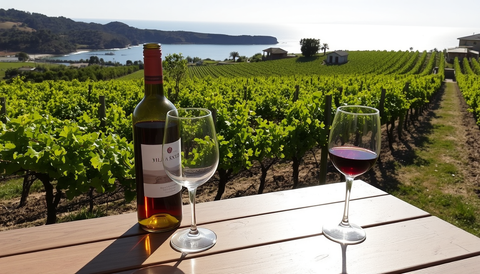
A Saturday afternoon in McLaren Vale can turn a carefully chosen bottle into a very different drink. A red sits on the kitchen bench while the sun comes through the window, a white rests in an under-stocked esky, and someone opens both just as lunch is ready. The Shiraz feels hot and broad, while the white seems cold, quiet and short.
That isn't necessarily a problem with the wine. Wine serving temperature changes how aroma, acidity, tannin and alcohol feel in the glass. Australian guidance also recognises that indoor room temperature is often warmer than the ideal range for red wine, so “room temperature” can be a poor local habit rather than useful advice. Taylors Wines explains the Australian distinction between full-bodied reds, lighter reds, whites and sparkling styles.
The fix is simple. Match the starting temperature to the wine, then make small adjustments for the weather, the room and the way you're drinking.
Why the Way You Pour Starts Long Before the Glass
Start the wine cooler than you expect. It will warm in the glass, and beginning at the lower end gives it room to open without crossing into heat.
At a mate's place in McLaren Vale, the bottle's first few hours can matter more than the opening ceremony. A Cabernet Sauvignon left on a warm kitchen bench may already be outside its most useful serving zone before anyone reaches for the corkscrew. A Sauvignon Blanc taken straight from a chilly esky may be refreshing, yet its aroma can stay tucked away if the wine is colder than it needs to be.
The first sip reveals the starting point. Warm red wine can make alcohol feel more prominent and tannin seem softer but broader. Fruit may taste heavy or jammy instead of generous. Cool the same bottle slightly before pouring, and it can show firmer shape, clearer fruit and a more comfortable finish.
White wine responds in its own way. Too much warmth can flatten its brisk edge, while excessive cold can make it smell faint and taste thin. Temperature does not alter the bottle's ingredients. It changes which parts of the wine reach your senses most clearly.

The starting point matters
Serving temperature works like setting the volume before music begins. If the wine starts too warm, alcohol and ripe flavours can dominate. If it starts too cold, aroma and texture may take time to appear, particularly in a larger glass exposed to a warm room.
Australian serving guides use different ranges because wine styles vary, but the principle is consistent. Full-bodied reds belong below typical warm-room temperature, while sparkling wine needs the coolest treatment. Vintec Australia's serving guide compares temperatures by structure and style.
Pouring creates a moving target. Wine warms in the glass, especially outdoors or beside a barbecue, so begin the bottle at the cooler end of its suitable range. That habit matters in Australian homes, where “room temperature” can be warmer than the wine needs.
Practical rule: If a red tastes hot before you have time to swirl it, cool the bottle briefly rather than blaming the vintage.
How Temperature Shapes What You Taste
At a warm Australian barbecue, a chilled white can lose its lift before the first glass is finished. The reverse happens with a red served straight from a cold fridge. Temperature acts like a dimmer switch for flavour, changing how clearly aroma, acidity, tannin and alcohol reach your senses without changing the wine itself.
Cold wine can seem restrained because aromatic compounds release less readily. Citrus, herbs, flowers and fruit may sit in the background, even when the wine is sound. This guide to how temperature transforms wine flavours explains the relationship between temperature and perception.
Three changes happen in the glass
First, cooling suppresses aroma release. That restraint can keep a fresh white or sparkling wine crisp, but excessive cold may hide the character you wanted to taste.
Second, temperature changes the wine's structure. Lower temperatures can make acidity and tannin feel firmer. A young Cabernet Sauvignon may gain useful definition, while a delicate Pinot Noir can become angular if it is over-chilled.
Third, warmth gives aroma more room to develop. Dark fruit, spice and oak may speak more clearly in a full-bodied red. Too much warmth, however, makes alcohol easier to notice and can leave the wine feeling heavy rather than refreshing.

You can test the effect at home with one pour. Taste it immediately, then let the glass rest in the room for a short while. Swirl gently and taste again. The wine may move from muted to expressive, or from balanced to warm and weighty, because the glass has warmed.
The aim is not a laboratory-perfect reading. Notice the direction of change: too cold hides detail, while too warm exaggerates heat. The right range lets fruit, freshness and texture share the glass.
The Core Serving Ranges Every Wine Drinker Should Know
Use temperature bands as starting points, not laws. Australian guidance commonly places full-bodied reds around 16–18°C, lighter reds around 12–14°C, whites around 8–12°C, and sparkling wines at about 5–10°C. Australian Wine's service guidance explains the hierarchy by wine structure.
A McLaren Vale Shiraz and a Pinot Grigio need different treatment because their bodies, aromas and textures behave differently. Colour is a helpful shortcut, but it isn't the whole answer. A rich white may need more warmth than a light red, while a delicate sparkling wine benefits from a cooler pour.
A practical reference table
| Wine Style | Serve Range (°C) | Example Bottles |
|---|---|---|
| Full-bodied red | 16–18°C | McLaren Vale Shiraz, Cabernet Sauvignon |
| Light-bodied red | 12–14°C | Pinot Noir |
| Fresh white | 8–12°C | Sauvignon Blanc, Pinot Grigio |
| Fuller white | 10–13°C | Oak-aged Chardonnay |
| Rosé | 8–12°C | Dry McLaren Vale rosé |
| Sparkling | 5–10°C | Blanc de Blanc |
The broader Australian frameworks overlap but aren't identical. Vintec lists full-bodied reds at 17–19°C, lighter reds at 14–16°C, fuller whites at 12–13°C, rosé and aromatic styles at 10–12°C, and Sauvignon Blanc, Pinot Gris and non-vintage Champagne at 6–8°C. Those differences show why a range is more useful than one supposedly universal number. Compare the Australian serving-temperature frameworks in this wine-style guide.
Read the table as a launch point
Start at the lower end on a hot day or when the bottle will sit outside. Start slightly warmer when the wine is complex, full-bodied or being served with a meal indoors.
The glass will do some of the adjusting for you. A small first pour warms faster than a generously filled glass, and the extra space in a suitable bowl lets you swirl and assess aroma without committing the whole bottle to one temperature.
McLaren Vale Favourites at Their Best
McLaren Vale wines show why serving temperature is a local habit, not a rule copied from a European cellar. A warm Australian home can push a bottle well past its best before dinner begins, while the region's generous fruit and ripe structure can become heavy if served too warmly.
Shiraz and Cabernet Sauvignon at the table
McLaren Vale Shiraz often carries dark fruit, spice and savoury oak. A starting point of 16–18°C keeps those flavours focused, especially beside barbecued beef, lamb or smoky vegetables. If the bottle has been resting in a warm kitchen, a short fridge visit can restore shape before the meal. Pour a small glass first, then let it open as the food is served.
Cabernet Sauvignon also benefits from that cooler starting point. Tannin can feel firmer at first, which suits grilled steak and other rich dishes. As the glass warms, its fruit and length become easier to read. The aim is to adjust the pour with the meal, rather than leave the whole bottle warming on the bench.
Fresh whites for hot Vale days
Sauvignon Blanc is often most refreshing around 7–9°C, where citrus, herbs and acidity stay bright. That temperature works well with oysters, salads and grilled seafood. On a hot afternoon, serve it straight from the fridge, then allow the glass to warm slightly so its aroma can come forward.
Pinot Grigio sits comfortably around 8–10°C. Its lighter body suits chilled prawns, delicate fish and fresh vegetables, but excessive cold can flatten its fragrance. A smaller pour gives the wine room to change while you eat, instead of forcing the entire bottle to one temperature.
Sparkling with room to open
Blanc de Blanc is lively around 6–8°C, keeping its bubbles fine and its finish crisp. That makes it a natural match for oysters, salty snacks and lighter starters. As the meal continues, a little extra warmth can reveal lemon, apple and brioche-like notes. Use a narrow sparkling glass to slow the bubbles, or a wider bowl when aroma matters more.
Temperature should support the wine, the food and the setting. In McLaren Vale's warmth, that usually means chilling first and letting the glass do the fine-tuning.
Busting the Room Temperature Myth for Australian Homes
“Room temperature” sounds precise, but it isn't. In a McLaren Vale home, it might mean a warm kitchen, a sunny dining room or an enclosed veranda. None of those settings reliably resembles the cooler conditions behind the old room-temperature advice.
A full-bodied red that feels comfortable at 24°C may already taste broader and more alcoholic than intended. Australian guidance commonly recommends cooler cellar-style service for reds, with full-bodied examples often sitting around 16–18°C rather than being poured warm from the room. Miele Australia discusses the difference between conventional room temperature and cooler wine service.
The red wine correction
Start Shiraz and Cabernet Sauvignon below a warm room's temperature, then adjust after the first sip. Lighter reds can be served cooler still, particularly in summer or alongside grilled food, where freshness matters as much as fruit weight.
You don't need to discard a warm bottle. A short period in the fridge or a cool place can bring it back towards balance. Pouring a modest amount also helps, because the wine can warm in the glass while you decide whether it needs more time.
Colder isn't automatically better for whites
The opposite mistake is treating every white as though it should be icy. Very cold Sauvignon Blanc, Pinot Grigio and Blanc de Blanc can lose aroma and make acidity feel severe. Let the bottle stand briefly, or swirl the glass gently, and look for the wine to become more fragrant and rounded.
Temperature keeps moving after service. Sun, wind, the barbecue and a warm dining table all change the glass. Use the recommended range as a launch point, then judge whether the wine is opening, flattening or becoming hot.
Practical Techniques to Chill, Warm and Measure with Confidence
You can manage wine serving temperature with ordinary household tools. A fridge, an esky, a clean thermometer and the right glass will take you most of the way.
Chill with a plan
For white, rosé and sparkling wine, use the refrigerator when you have preparation time. A bottle starting at room temperature may need around 20–30 minutes for a modest chill, while a colder bottle needs less. This Australian guide explains why serving temperature needs to be adjusted for the style and setting.
For faster chilling, use an ice bucket or esky with equal parts ice and cold water. The water improves contact around the bottle, and gentle rotation helps the temperature change evenly. Check after 10–15 minutes, especially with sparkling wine, and keep the bottle upright without shaking it before opening.

Salt is optional, not essential. If you use it, add it carefully and keep the bottle sealed and clean.
Warm and measure gently
Warm a red gradually. Move it from a cold place to a cool room, or stand the bottle in cool water for a short time. Avoid microwaves, hot water and other rapid methods, which can heat the wine unevenly and damage its aromas.
An instant-read kitchen thermometer can remove the guesswork. Sanitise the probe, measure a small sample rather than pushing the probe into the bottle, and taste the sample before deciding what to do. A clean digital wine thermometer is another practical option.
Your glass matters too. Use a standard white-wine glass for most whites and sparkling styles, and choose a larger bowl for aromatic reds. Leave room to swirl. These white-wine temperature, glassware and cellaring notes show how serving choices work together.
In hot weather, keep bottles shaded, pour smaller amounts and replenish from the fridge or esky. In winter, let cellar-cool reds rise naturally instead of trying to force an exact reading.
Matching Temperature to Occasion, Season and Setting
The most useful habit is a three-part decision: choose the wine, read the climate, then adjust by degrees rather than minutes. A temperature chart helps you begin, but the setting tells you how quickly the wine will move once it reaches the glass.
A summer barbecue
At a 34°C summer barbecue, Sauvignon Blanc may need to leave the ice only when guests are ready to drink it. Keep the bottle shaded, pour modest amounts and return it to the esky between pours. A Blanc de Blanc can start at the cooler end of its range because the outdoor heat will quickly soften its freshness.
A winter dinner
For a McLaren Vale Shiraz-led winter dinner, a brief 20-minute chill can be useful if the bottle has been sitting in a heated room. The aim isn't to make the red taste cold. It's to give the wine enough composure that fruit, oak and alcohol don't arrive as one heavy note.
A cellar tasting
At an outdoor cellar tasting on a windy afternoon, the glass and pouring rhythm matter as much as the thermometer. Wind can cool an exposed glass, while direct sun can warm it quickly. Use a glass with room to swirl, pour small samples and taste as the wine changes.

You don't need to memorise every band. Notice the signs. A wine is probably too cold when it smells closed and tastes hard. It's likely too warm when alcohol leads, freshness fades and the finish feels loose. When the fruit is clear, the texture feels balanced and the finish invites another sip, you're close.
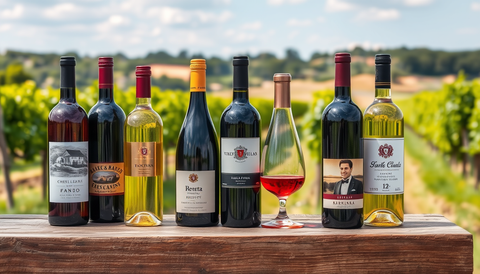
McLaren Vale Cellars offers McLaren Vale Shiraz, Cabernet Sauvignon, Sauvignon Blanc, Pinot Grigio and Blanc de Blanc, along with tasting guides and serving advice to help you choose confidently. Visit McLaren Vale Cellars to explore bottles for your next barbecue, dinner or regional tasting, then serve each one at the temperature that lets it speak clearly.
Comments (0)
There are no comments for this article. Be the first one to leave a message!