
Most advice about wine gift boxes Australia gets the first decision backwards. Buyers are told to chase the biggest bundle, the flashiest ribbon, or the box with the most extras, then act surprised when the gift feels generic and the delivery bill looks inflated. That's not how good wine gifting works. The job is to send a bottle, or a small set of bottles, that feels chosen with intent, arrives legally, and doesn't embarrass the sender with hidden friction.
The Australian wine market is mature and competitive, and wine consumption in Australia fell 9% from 2020 to 2022, a drop of around 50 million litres, according to Wine Australia's 2024 market insights Australia market insights report 2024. That matters because gift boxes aren't trying to win the everyday-drinking battle. They're competing on occasion, convenience, and the sense that the sender chose something better than a supermarket bundle.
Why Most Wine Gift Boxes Disappoint and How to Choose Better
The average wine gift box disappoints because it sells the wrapper, not the decision. A chunky hamper can look generous while hiding ordinary wine, weak regional identity, and add-ons no one asked for. That's fine if you're sending a token gesture. It's a waste if you're trying to look sharp with a client, a wedding couple, or a friend who knows wine.
The mistake buyers keep making
They buy by bottle count first and quality last. That usually leads to a box that feels busy, not considered. A better gift feels premium when the recipient can tell, within seconds, that someone picked a style they'd open.
Practical rule: choose the wine first, then the box, not the other way around.
That approach matters more in a soft consumption market. If people are drinking less often, the bottle has to do more work. It needs to look like a deliberate choice, not leftover inventory dressed up with shredded paper.
What makes a gift feel worth sending
Three things do the heavy lifting. First, regional clarity, because a box built around one place tells a stronger story than a random mix of labels. Second, drinkability, which beats trophy hunting for most recipients. Third, presentation that protects the bottle, because a crushed corner or rattling insert ruins the whole effect.
The best boxes don't try to impress with noise. They create confidence. That is why curated packs, especially those built around a single region or a clear style, usually land better than broad national assortments.
Types of Wine Gift Boxes Available in Australia
The right format depends on who's receiving it and how much you want the box to do for you. A single-bottle gift box is clean and direct. A mixed pack shows range. A half-case bundle gives a serious buyer more to open and share. Corporate packs sit somewhere else entirely, because they have to look polished without feeling personal in a forced way.
Wine Gift Box Formats Compared
| Box Type | Bottle Count | Best For | Typical Price Range |
|---|---|---|---|
| Single-bottle presentation box | 1 | Thank-yous, birthdays, simple professional gifting | Lower to mid |
| Mixed variety pack | 2 to several | Casual wine drinkers, discovery gifts, couples | Mid |
| Half-case bundle | 6 | Enthusiasts, hosts, people who like a deeper selection | Mid to premium |
| Corporate gift configuration | 1 to several | Clients, staff rewards, seasonal business gifting | Mid to premium |
Single-bottle boxes work when the message is simple. You're not asking the gift to carry a whole hamper's worth of theatre. You're saying, “I chose one good wine, and I wasn't lazy about it.” That's often enough for birthdays and straightforward thank-yous.
Mixed packs do better with recipients whose taste you don't know well. They lower the risk of picking the wrong style because the box gives the recipient options. They're also useful for people who like to compare regions or varieties rather than commit to one bottle.
Half-case bundles make sense for buyers who want substance, not clutter. These are better for wine-literate friends, serious hosts, and corporate contacts who'd rather receive something useful than decorative filler. The box feels more generous because it signals confidence in the wine itself.
Corporate gifts need restraint. Branded packaging can help, but it should never overpower the wine. If the label and the box both scream for attention, the gift looks like marketing. Keep the tone clean, the wines recognisable, and the presentation tight.
A gift box works best when the format matches the recipient's drinking habits, not the sender's urge to spend more.
Budget Tiers and What to Expect at Each Price Point
Price matters, but not in the way most buyers think. A cheap-looking gift can still feel thoughtful if the wine is solid and the presentation is restrained. A pricey gift can still flop if the extras dominate the bottle and the selection feels generic.

Spend where it shows
Under $50, keep expectations simple. You're generally paying for an entry-level presentation and a straightforward bottle choice. The gift should still look neat, but this tier is about clarity and efficiency more than luxury.
Between $50 and $150, you enter the zone where curation starts to matter. Buyers should expect a better bottle, a more polished box, and a selection that feels chosen rather than assembled. If you're gifting to a colleague, a host, or a friend who drinks regularly, this is usually the sweet spot.
Above $150, the box should justify itself with stronger wine selection, stronger provenance, or a more purposeful mixed pack. Don't pay extra just because the box includes filler items. A premium gift isn't automatically better because it's fuller. It's better when the wines are more convincing and the presentation supports them cleanly.
Where people waste money
They overspend on novelty add-ons. Chocolates, trinkets, and oversized packaging can raise the price without improving the gift. Regional authenticity usually does more than decorative clutter because it gives the recipient a reason to care about what's inside.
If you're deciding where to place the budget, put most of it into the wine and the structure that protects it. Spend on the box only enough to make it look intentional. The point is to make the recipient remember the wine, not the filler.
A useful benchmark is this, premium feels like confidence, not excess. That's the difference between a gift that gets opened with interest and one that gets set aside.
The packaging side of gifting is also moving in the right direction. An industry report projects the Australia gift packaging market to expand at a 3.8% CAGR from 2023 to 2029, and Australia's wine production industry remains broad, with 2,234 businesses and an estimated $7.1 billion market size in 2026 Australia gift packaging market industry. That combination supports more polished, more varied gifting without making the format feel niche.
Shipping Rules and Delivery Realities Across Australian States
Most buyers get caught here. The gift looks perfect online, then the delivery rules, ID checks, and postcode quirks turn a simple purchase into a headache. Alcohol gifting isn't ordinary parcel shipping. It's a controlled delivery problem, and the buyer pays for every shortcut they didn't plan around.
The checks that matter
Adult verification is essential. If you send wine as a gift, the recipient needs to be able to receive it lawfully, and the parcel may need an adult signature on arrival. That means a workplace desk drop, an unattended apartment foyer, or a remote mailbox setup can become a failure point.
State and territory rules add another layer. Buyers can't assume that a gift eligible for one postcode will sail through another in the same way. The safe approach is to confirm the destination before paying, then make sure the recipient can take delivery at the expected time.
Hidden costs that inflate the final landed price
The sticker price isn't always the price. Temperature protection, extra packaging, faster freight, and regional delivery handling can all lift the final amount. If a seller advertises “free delivery” without making clear what's included, the buyer needs to check whether the box still qualifies once special packing is added.
Practical rule: if the gift is going to a regional address, assume the delivery process may be more expensive and less forgiving than a metro drop.
A simple pre-purchase checklist
- Confirm the recipient can sign for it. Don't rely on luck or a front desk.
- Check the state destination first. Delivery rules can differ enough to affect the order.
- Ask what packaging is included. A premium bottle needs proper restraint and protection.
- Look for the true landed cost. The advertised price is only part of the bill.
- Choose a seller that explains delivery plainly. If the shipping page is vague, the checkout will usually be worse.
The best gift pages answer the boring questions first. That's what prevents failed deliveries, annoyed recipients, and awkward follow-up calls. It also explains why convenience-led wine gifting keeps shifting online. Buyers don't just want nicer wine, they want certainty.
Why Regional Curation Beats Generic National Hampers
Generic hampers try to do too much. They stack unrelated wines, snacks, and decorative extras into a single parcel and call it premium. Regional curation is sharper. It gives the recipient a clear story, and that story makes the gift feel more deliberate.
One region tells a better story
A box built around one region gives the recipient something to explore. It says the sender made a judgement, not a random selection. That matters for wine-literate people because provenance is part of the pleasure.
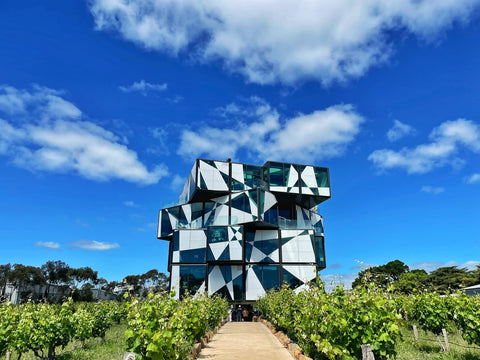
McLaren Vale is a strong example of how regional gifting should work. South Australian wines often land well because they combine clear identity with wide drinking appeal. A region-led box doesn't need to shout. It just needs to show that the sender understands where the wine comes from and why it was chosen.
Better for non-experts too
Regional curation isn't only for enthusiasts. It can be easier for a non-expert to handle than a mixed national hamper. A single-region box helps the recipient understand what they're drinking, which makes the gift feel more approachable.
That's the advantage over generic mixed-origin hampers. Random variety can look generous, but it often feels unfocused. A curated regional pack signals taste without becoming fussy. For corporate gifting, that's an advantage because it gives the sender a professional tone without looking over-designed.
What to choose instead of a random hamper
- A region-led sampler if the recipient enjoys discovery.
- A half-case of matched styles if they already know what they like.
- A single standout bottle from one area if the occasion needs simplicity.
- A focused corporate pack if the goal is polished appreciation, not spectacle.
The category also fits the way buyers search now. People want something convenient, but they still want a reason to trust the selection. Regional authenticity gives them that reason.
Personalisation and Presentation Tips That Elevate Your Gift
Personalisation should sharpen the gift, not crowd it. The mistake is thinking every empty corner needs a prop. It doesn't. The recipient usually cares more about whether the wine suits them than whether the box came with three decorative extras.

Keep the message useful
A short gift note is enough if it says something specific. Mention the occasion, the relationship, or why the wine was chosen. Don't write a generic wall of sentiment if a simple line will do the job better.
If you know the recipient's preferences, match them directly. Safe, crowd-pleasing styles work better for many non-experts than a challenging bottle chosen to look impressive. A collector is different. They'll usually prefer something with more character, provenance, or age-worthiness than a decorative extras pack.
Presentation that reads as premium
- Use restrained packaging. Clean lines beat clutter.
- Choose one accent, not five. A tag, ribbon, or card can be enough.
- Keep add-ons relevant. If an extra doesn't improve the drinking experience, leave it out.
- Think about sustainability. Simple, reusable, or recyclable packaging can feel more considered than excess wrapping.
Corporate orders need another layer of discipline. Branded packaging should support the message, not overwrite the wine. If the recipient remembers the logo more than the label, the balance is wrong.
For wedding and celebration contexts, it's worth looking at broader gift presentation ideas too, including resources like personalised wedding gift ideas. The useful lesson is the same across occasions. Personal touches should make the gift feel chosen, not crowded.
How McLaren Vale Cellars Simplifies Wine Gifting
A good wine gift seller removes uncertainty. It doesn't make the buyer guess at format, freight, or fit. McLaren Vale Cellars does that through curated sample packs, mixed Half & Half bundles, value dozen deals, and a Taste Guarantee that lowers the risk of sending a bottle you're not fully sure about. It also offers free delivery Australia-wide on orders over $100, which helps buyers keep the landed cost under control when the box itself is already doing the heavy lifting.
That setup matters because different gift buyers need different answers. A new wine drinker usually wants a sample pack. A host might prefer a mixed bundle. A corporate buyer may want a clean, region-led box that looks thoughtful without being overdone. The store's range covers those jobs without forcing every shopper into the same format.
The education side helps too. The Tasting Guide, wine articles, and winery guides make it easier to choose a bottle that fits the person receiving it. That's especially useful for buyers who want a regional gift but don't want to overthink it. For readers comparing personalisation approaches across categories, the practical ideas in this guide to personalised wedding gift ideas translate well to wine gifting, especially when the goal is a gift that feels specific without becoming fussy.
If you want the shortest decision rule, use this. Choose a region-led box when the recipient values provenance, choose a mixed pack when taste is uncertain, and choose a larger bundle only when the wine itself justifies the volume. McLaren Vale Cellars gives you those options without making you untangle the logistics alone.
A CTA for McLaren Vale Cellars.

Comments (0)
There are no comments for this article. Be the first one to leave a message!