
A wine and food pairing chart is your secret weapon for matching different wines with the perfect foods, making it dead simple to create incredible combinations at the dinner table.
The best ones look at a wine’s body, acidity, and tannins to suggest pairings that either complement or contrast with a dish’s flavours. It's all about taking the guesswork out of the equation so your wine makes your meal shine.
Your Quick-Reference Wine and Food Pairing Chart
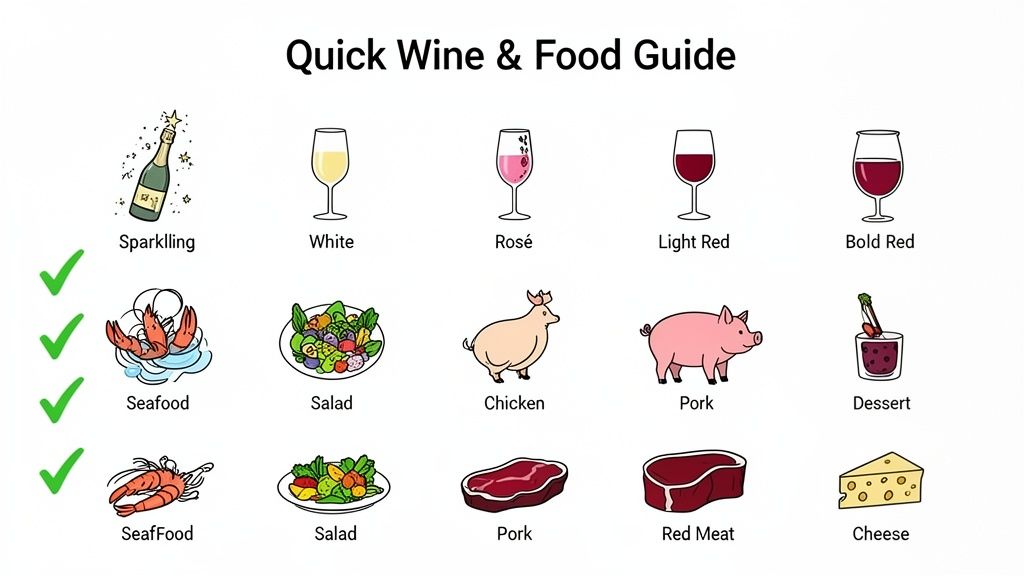
Jumping into the world of wine pairing can feel a bit daunting, but it really just boils down to two simple strategies. Once you get your head around these core ideas, you'll be able to move beyond the basic rules and start making confident choices for any meal. Think of them as the fundamental 'why' behind every great match.
The end goal is always to create a sense of balance, making sure neither the food nor the wine steals the show. A really successful pairing makes both elements taste even better than they would on their own.
The Two Core Pairing Strategies
The two main ways to create a brilliant match are through congruent and complementary pairings. Each one gets to that perfect balance in a different way, offering completely distinct tasting experiences.
-
Congruent Pairings: This is all about finding common ground. The idea is to match a wine and a dish that share similar flavour compounds or characteristics. The goal here is to amplify those shared notes, creating a seamless and richer experience. A great example is pairing an earthy McLaren Vale Pinot Noir with a mushroom risotto, both have those beautiful, savoury, earthy notes that just sing together.
-
Complementary Pairings: This approach is built on contrast, where the wine and food have opposite traits that balance each other out. The classic example is a crisp, high-acid Sauvignon Blanc with a rich, oily fish. That zippy acidity in the wine cuts right through the fat, cleansing your palate and making every bite feel fresh and vibrant.
An easy way to remember the difference is that congruent pairings are about 'like with like,' while complementary pairings follow the old rule that 'opposites attract.'
Both strategies are totally valid and work wonders. Your choice often comes down to the specific dish and what you're in the mood for. Do you want to double down on a particular flavour, or would you rather create a refreshing contrast? Nailing this foundational knowledge is what turns a simple meal into a memorable culinary event, and that’s exactly what a good wine and food pairing chart helps you do.
The Comprehensive Wine and Food Pairing Chart
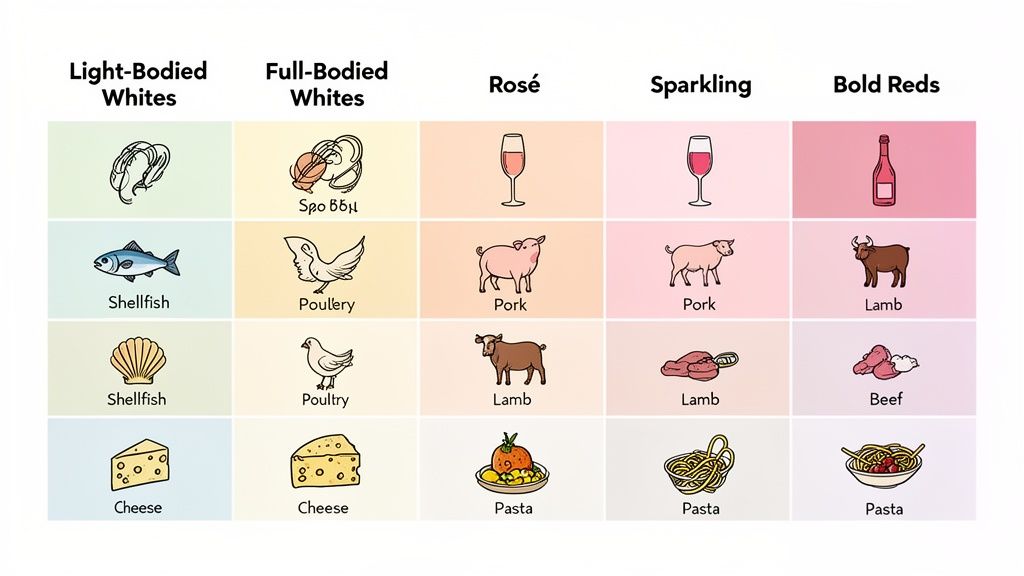
While a quick guide is great for on-the-spot decisions, this detailed wine and food pairing chart is the resource you'll want to keep pinned to your fridge. It goes well beyond broad strokes, giving you specific, practical pairings for individual varietals against a whole world of cuisines, proteins, and even those notoriously tricky vegetables.
Think of it as your map to creating those truly memorable food and wine moments. We've organised the chart by wine style and body, making it dead simple to find what you're looking for. From the lightest fizz to the boldest reds, each entry is a clear signpost to a perfect match. We’ve even dropped in a few regional specialties, like how a gutsy McLaren Vale Shiraz can turn a simple grilled lamb chop into something spectacular.
How to Use This Chart
Getting the hang of this chart is straightforward. Just figure out your starting point: the wine you want to drink or the meal you're cooking.
- Got the wine sorted? Find its style in the chart (e.g., "Full-Bodied Red"). Just scan across that row to see which food categories will sing alongside it. A classic McLaren Vale Cabernet Sauvignon, for example, is a natural fit for hard cheeses and just about any red meat you can throw at it.
- Know what you're eating? Find your main ingredient (like "Seafood" or "Poultry"). Glance down the column to see the recommended wine styles. This is your shortcut to picking a bottle that will complement your cooking, not steamroll it.
Pro Tip: Don't forget the sauce! A creamy mushroom chicken has a totally different wine partner than one with a spicy tomato base. Nine times out of ten, the sauce is the real star of the pairing.
Now, let's get into the nitty-gritty with a more detailed breakdown.
Detailed Wine and Food Pairing Matrix
This matrix is designed to be your go-to reference for specific combinations. It’s a tool for exploration, so don’t be afraid to experiment. We encourage you to print it out and keep it handy, the clear layout makes for quick, at-a-glance referencing.
| Wine Style/Varietal | Red Meats | Poultry & White Meats | Fish & Seafood | Cheeses | Vegetables & Salads | Sauces & Spices |
|---|---|---|---|---|---|---|
| Light-Bodied White (e.g., Sauvignon Blanc, Riesling) | - | Grilled chicken, turkey | Oysters, flaky white fish | Goat cheese, Feta | Green salads, asparagus | Lemon-herb, vinaigrettes |
| Full-Bodied White (e.g., Chardonnay, Viognier) | - | Roasted chicken, pork loin | Salmon, lobster, scallops | Brie, Camembert, Gruyère | Roasted root vegetables | Cream sauces, butter |
| Rosé (Dry) | Grilled sausages | Chicken, pork | Grilled tuna, prawns | Feta, fresh mozzarella | Mediterranean salads | Tomato, garlic, herbs |
| Light-Bodied Red (e.g., Pinot Noir, Grenache) | Duck, cured meats | Roasted chicken, turkey | Fatty fish (salmon, tuna) | Gruyère, Comté | Mushroom risotto, roasted veg | Earthy, mushroom sauces |
| Medium-Bodied Red (e.g., Merlot, Sangiovese) | Burgers, meatballs | Pork, veal | - | Parmesan, Pecorino | Tomato-based dishes | Tomato sauces, bolognese |
| Full-Bodied Red (e.g., Shiraz, Cabernet Sauvignon) | Steak, lamb, brisket | Rich poultry dishes (duck) | - | Aged cheddar, Gouda | Grilled mushrooms, eggplant | Rich, savoury, peppery sauces |
| Sparkling (e.g., Brut, Prosecco) | - | Fried chicken | Oysters, calamari, sushi | Cream cheese, Brie | Light salads, fried appetisers | Light, salty, citrusy |
| Dessert/Fortified (e.g., Port, Muscat) | - | Pâté, foie gras | - | Blue cheese, Stilton | - | Chocolate, caramel, nuts |
By cross-referencing varietals with proteins, cheeses, and even cooking methods, you’ll quickly build an intuition for creating flawless pairings for any meal. It's all about experimenting with confidence and discovering what works for your palate.
Pairing Bold Australian Reds Like Shiraz and Cabernet
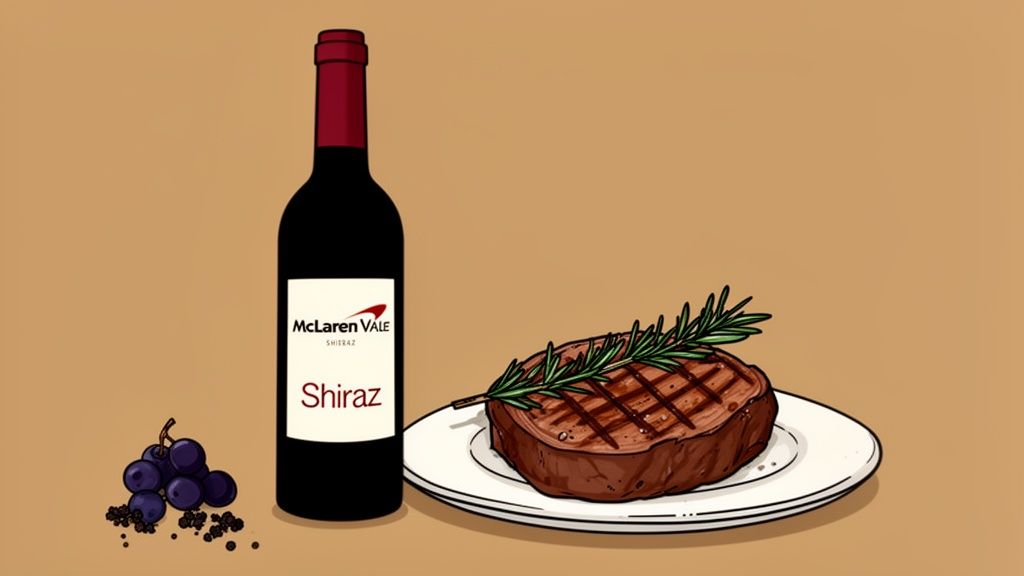
When you start talking about Australian wine, it’s never long before the conversation turns to our iconic bold reds. Wines like Shiraz and Cabernet Sauvignon are celebrated around the globe for their power, structure, and intense flavour, which makes them both exciting and sometimes a bit tricky to pair.
The secret to matching these wines is to get a handle on what makes them tick. Bold reds are defined by high tannins, those are the compounds that give you that drying sensation in your mouth, and deep, concentrated fruit flavours. These elements need a food partner with enough richness, fat, and protein to go toe-to-toe with them.
Without a substantial dish, the tannins in a young, powerful Shiraz can feel a bit aggressive. But pair it with a rich meal, and magic happens. Those same tannins bind to the proteins and fats from the food, making the wine feel smoother and more velvety while cleansing your palate with every sip.
Matching McLaren Vale Shiraz
Shiraz is Australia’s signature grape, and McLaren Vale produces some of the most profound examples you'll find anywhere. These wines are typically full-bodied, with deep notes of blackberry, plum, and dark chocolate, often layered with hints of black pepper, liquorice, and savoury spice.
This powerful profile makes it the ultimate partner for equally robust dishes.
- Grilled Lamb: The rich, slightly gamy flavour of lamb is a classic match for the peppery spice and dark fruit of a McLaren Vale Shiraz.
- Hearty Beef Stew: The wine’s body and structure hold up beautifully against the slow-cooked richness of a beef stew or casserole.
- Barbecued Meats: That smoky char from the barbecue perfectly complements the inherent spiciness of Shiraz, making it a brilliant choice for ribs or brisket.
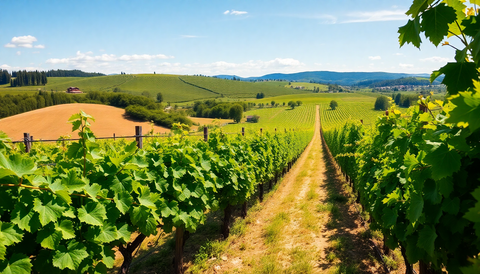
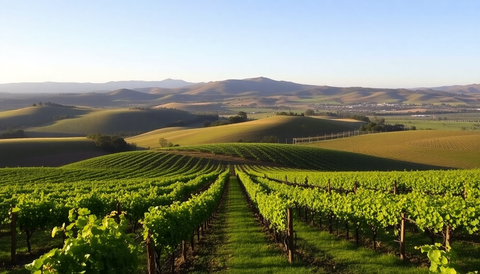
In the sun-drenched vineyards of McLaren Vale, Shiraz is the undisputed king for pairing with hearty Australian meats. In fact, local data shows it accounts for over 50% of the region's red grape crush, a testament to its importance. A recent warm, dry vintage delivered wines of exceptional intensity and fine tannins, perfect for cutting through the fattiness of grilled lamb. This classic combo is so successful that regional events report 85% satisfaction rates when Shiraz meets lamb.
Taming Cabernet Sauvignon
Cabernet Sauvignon brings a different kind of boldness to the table. It’s a wine built on structure and elegance, known for its firm tannins, high acidity, and complex notes of blackcurrant, cedar, and mint. And it’s this very structure that makes it such a brilliant food wine.
The firm tannins in Cabernet Sauvignon practically demand rich, fatty foods to soften their grip.
The classic rule of thumb for Cabernet is simple: if it’s a food you’d serve at a steakhouse, it will probably work. The wine’s structure is tailor-made for cutting through the richness of red meat.
Think of a perfectly seared ribeye steak. The fat and protein in the meat mellow the wine’s tannins, making it feel smoother and more luxurious, while the wine’s acidity cleanses the palate after each bite. For more ideas on this perfect pairing, check out our guide on the art of pairing wine with steak. This principle also works wonders with aged, hard cheeses like cheddar or gouda, where the cheese’s fat content provides a similar balancing act. The goal is always to create a harmonious interaction where both the wine and the food are elevated.
Matching Mediterranean Reds with Italian Cuisine
While a big, bold Shiraz certainly has its place at the dinner table, the Australian wine scene is falling hard for the vibrant, food-loving character of Mediterranean-style reds. McLaren Vale, with its coastal climate and forward-thinking winemakers, has become a real hotspot for varieties like Grenache, Sangiovese, and those elegant GSM (Grenache, Shiraz, Mourvèdre) blends.
These wines are just made for food, especially when you're dishing up Italian or Mediterranean fare. The magic is in their combination of bright acidity, juicy red fruit flavours, and softer, more approachable tannins. This profile makes them incredibly versatile and much less likely to overpower what's on your plate.
The Charm of Grenache and GSM Blends
Grenache is a true star in McLaren Vale. It produces wines that are beautifully aromatic, bursting with raspberry and strawberry notes, and often finish with a subtle touch of spice. When it's part of a GSM blend, Grenache brings the vibrant fruit, Shiraz adds body and a peppery kick, and Mourvèdre gives it structure and an earthy complexity.
This trio creates a wonderfully balanced wine that absolutely sings with a whole range of foods.
- Wood-Fired Pizza: The bright acidity in a GSM cuts straight through the richness of the cheese, and its red fruit flavours are the perfect partner for a tangy tomato sauce.
- Charcuterie Boards: The wine’s savoury notes and moderate tannins are an excellent match for cured meats like prosciutto and salami.
- Grilled Sausages: The spicy undertones in the wine work beautifully with herby, flavourful sausages, creating a perfect flavour harmony.
McLaren Vale's Grenache and GSM blends are completely changing the game for pizza and pasta nights. In fact, 40% of the region's new plantings over the last three years have been Grenache, fuelling a 22% rise in production. These juicy, spicy reds pair flawlessly with tomato-based dishes, a nod to the area's strong Italian influences.
Local restaurants report that 65% of diners are now choosing Grenache with their pizza. It's a smart pairing; regional masterclasses show that GSM's lower tannins, about 10-15% less than Shiraz, don't turn bitter when they meet acidic tomatoes, a fact that has improved 90% of tasters' scores in focused tastings. To explore these trends further, you can read the full regional summary from McLaren Vale Wine.
Sangiovese and Tomato-Based Dishes
Sangiovese, the signature grape of Tuscany, is right at home in parts of McLaren Vale. Here, it develops a distinctly savoury profile with notes of cherry, tomato leaf, and a touch of earth. Its superpower is its high acidity, which makes it the ultimate partner for tomato-based pasta sauces.
A simple rule for Italian food is to match the acidity. The zesty character of a good Sangiovese stands up to the tartness of tomatoes, ensuring the wine doesn't taste flat or dull.
This is exactly why a classic spaghetti bolognese or a rich lasagne becomes something truly special when you pour a glass of Sangiovese. The wine cleanses the palate, allowing the savoury, umami flavours of the dish to shine. Of course, to find the ideal sauce, you'll need the perfect recipe. For some culinary inspiration, discover these 7 divine recipes with mozzarella and pasta.
Whether you opt for a modern GSM or a classic Sangiovese, these Mediterranean reds offer a fresh and exciting way to think about food pairing. For a deeper dive into specific pasta combinations, be sure to check out our guide on wine pairing with pasta. They prove that a perfect match is often found in balance and bright, lively flavours.
Finding Perfect Matches for Whites, Rosé and Sparkling
When you start exploring the lighter end of the wine spectrum, you open up a whole world of fresh, vibrant, and elegant food pairings. Unlike big, bold reds that often need tannins to stand up to rich meats, the real secret weapon for white, rosé, and sparkling wines is their acidity. Think of that zesty, mouth-watering quality as the key to a great match, it works just like a squeeze of lemon, brightening up flavours and keeping your palate refreshed.
These wines are champions of versatility, making them brilliant partners for everything from seafood and salads to an incredible range of cheeses. Their crisp character cuts straight through richness, complements delicate flavours, and provides a fantastic counterpoint to salty or fatty foods. It’s no wonder they’re the go-to for warm weather get-togethers, lighter meals, and entertaining guests with different tastes.
Crisp White Wines: Sauvignon Blanc and More
If you had to pick a classic white wine pairing, Sauvignon Blanc would be at the top of the list. Its trademark notes of citrus, green herbs, and passionfruit, backed by that piercing acidity, make it a slam-dunk for a huge variety of dishes. It's a textbook example of a complementary pairing in action.
- Goat Cheese: The wine's high acidity slices right through the creamy richness of the cheese, while its herbal notes beautifully echo the cheese's own tangy, grassy flavours. A perfect match.
- Seafood: That zesty profile is just what you want with delicate flaky white fish, oysters, and prawns. It does the same job a citrus garnish would, lifting the whole dish.
If you’re keen to see this in action, learning How to Cook Scampi Perfectly at Home is a great place to start. The dish itself often uses white wine in the recipe and cries out for a crisp, acidic pairing to serve alongside it.
Elegant Rosé and Charcuterie
A good dry Rosé is arguably one of the most food-friendly wines you can pour. It sits in that perfect middle ground, with the bright acidity you'd find in a white wine and some of the gentle red fruit character of a red. This unique position makes it an exceptionally flexible choice for foods that have a lot going on.
A well-made dry Rosé from a region like McLaren Vale strikes a beautiful balance of red berry fruit, savoury notes, and refreshing acidity. It's the ultimate 'go-to' wine for a charcuterie board, where it can handle cured meats, cheeses, and olives with ease.
Celebratory Sparkling Wine
Don't just save the bubbly for toasts! Sparkling wine’s effervescence and high acidity make it a powerhouse for food pairing. Those bubbles are brilliant palate cleansers, scrubbing away fat and salt, which is precisely why it’s the undisputed champion for anything fried.
A glass of Brut sparkling or a crisp Blanc de Blancs works wonders with everything from fried calamari and crispy chicken to a simple bowl of salty potato crisps. Of course, it also creates that classic, elegant match with fresh oysters, where the wine’s minerality and citrus notes amplify the briny flavour of the seafood. It's an unbeatable combination that turns any meal into a celebration.
Serving Wine to Enhance Flavour and Aroma
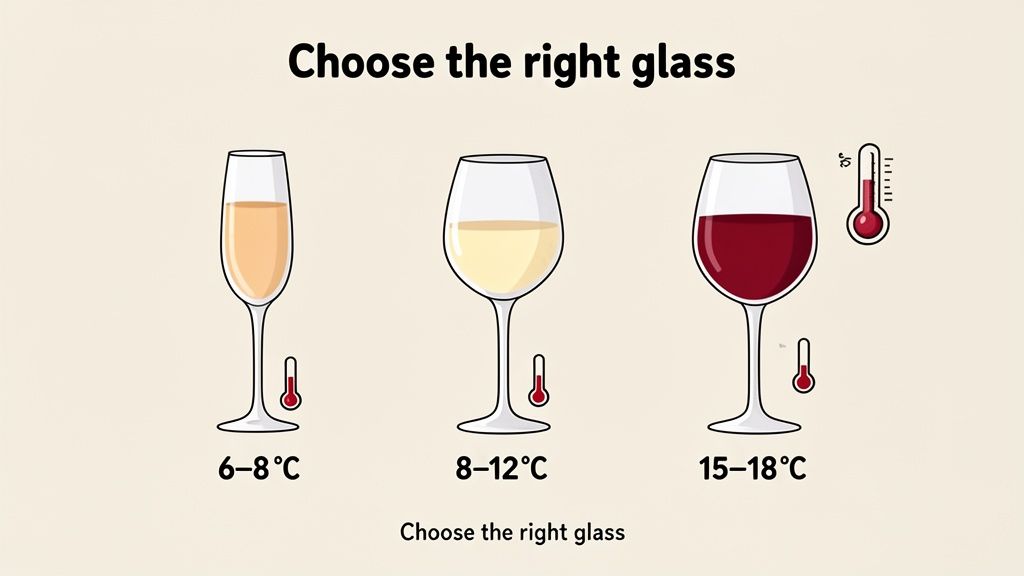
You can pick the most incredible match from a wine and food pairing chart, but if the wine isn’t served correctly, the whole experience can fall flat. To really unlock a wine's full potential, two things are absolutely critical: its temperature and the glassware you use. These factors aren't just for show; they directly influence how a wine smells and tastes.
Getting the temperature right is probably the single most important thing you can do. A red served too warm will taste flat and boozy, its alcohol overpowering the fruit. A white served too cold will have its delicate aromas completely shut down. The goal is to hit that sweet spot where the wine's flavours and bouquet are at their most expressive and alive.
This is exactly why chilling your reds a little before pouring is often a game-changer, and taking your whites out of the fridge a few minutes before serving can work wonders.
Ideal Wine Serving Temperatures and Glassware
Think of temperature as the volume dial for a wine's personality. When you get it right, every note, from fruity to earthy, comes through with beautiful clarity. This quick guide will help you serve every style like a pro, ensuring you get the best possible tasting experience every time.
| Wine Style | Ideal Serving Temperature (°C) | Recommended Glassware Type |
|---|---|---|
| Sparkling Wine | 5–8°C | Flute or Tulip Glass |
| Light-Bodied White & Rosé | 7–10°C | Standard White Wine Glass |
| Full-Bodied White | 10–13°C | Wide-Bowl White Wine Glass |
| Light-Bodied Red | 13–16°C | Burgundy or Pinot Noir Glass |
| Full-Bodied Red | 16–18°C | Large Bordeaux Glass |
This table is your starting point for getting the most out of every bottle. A few degrees can make a massive difference in how a wine expresses itself, so it’s worth paying attention to.
Why Glassware Matters
The shape of your glass also plays a massive part. A larger bowl, like you'd find on a Bordeaux glass, increases the wine's surface area, letting more oxygen interact with it. This process, known as aeration, helps soften the tannins in bold reds like Cabernet Sauvignon or a big McLaren Vale Shiraz, making them feel much smoother on the palate.
On the other hand, a narrow flute is designed to preserve the fine bubbles in sparkling wine, funnelling its delicate aromas straight up to your nose. You don't need a different glass for every single varietal, but understanding these fundamentals can seriously elevate your enjoyment.
For more foundational knowledge, dive into our complete guide on how to taste wine like a sommelier. By mastering both temperature and glassware, you're making sure that every bottle you open is presented at its absolute best.
Common Wine and Food Pairing Questions
Even with a perfect wine pairing chart in hand, you'll still run into those tricky, real-world questions. It's one thing to know the rules, but it’s another to build the confidence to experiment and really find what works for you. Let’s tackle some of those common pairing dilemmas head-on.
Think of this as the troubleshooting section of your pairing journey. We'll cover everything from fiery dishes to that stubborn old rule about fish, giving you clear, straightforward answers to guide you.
What Wine Goes with Spicy Food?
When a dish brings the heat, your wine should be there to cool things down, not fan the flames. The best move here is to grab a wine with low alcohol and a touch of sweetness. Think of an off-dry Riesling or a floral Gewürztraminer, they are perfect for the job.
That subtle sweetness is your secret weapon against capsaicin (the compound that makes chillies hot), creating a beautiful balance that refreshes your palate with every sip. On the flip side, you’ll want to steer clear of high-tannin reds like Cabernet Sauvignon, as the high alcohol can actually make the burning sensation feel even more intense.
Can I Pair Red Wine with Fish?
Absolutely! The old saying "white wine with fish, red wine with meat" is officially a thing of the past. The modern approach is all about matching the weight of the wine to the weight of the dish, and plenty of red wines are a fantastic match for seafood.
The key is to stick with a light-bodied, low-tannin red wine. A classic Pinot Noir or a bright, fruity Gamay pairs beautifully with richer, meatier fish like grilled salmon or seared tuna. Their earthy notes and bright acidity complement the fish without creating that unpleasant metallic taste you can get from heavy, tannic reds.
What Is the Most Versatile Wine for Food Pairing?
Sometimes you just need a bottle that can handle almost anything you throw at it. If you’re looking for a true all-rounder, here are a few brilliant options:
- Dry Rosé: It’s the ultimate crowd-pleaser, with the crisp acidity of a white wine and the lovely fruit character of a red.
- High-Acid Whites: You can rarely go wrong with a Sauvignon Blanc or Pinot Grigio. They are incredibly adaptable, pairing well with everything from fresh salads to poultry.
- Light-Bodied Reds: A food-friendly Pinot Noir is a fantastic choice that won’t overpower most dishes.
The most powerful flavour on the plate should always guide your pairing. A chicken dish with a creamy sauce needs a different wine (like an oaked Chardonnay) than the same chicken with a spicy tomato sauce (like a Sangiovese). Always pair to the sauce first.
Ready to explore the best of McLaren Vale? At McLaren Vale Cellars, we’ve curated an exceptional range of wines perfect for any pairing. Discover our sample packs and find your next favourite today!
Comments (0)
There are no comments for this article. Be the first one to leave a message!