
Sauvignon Blanc is a cool-climate aromatic white grape known for crisp acidity and bright, lifted fruit. In Australia, it's the country's highest-selling white wine variety, with around 6,100 hectares planted nationwide by the mid-2020s.
That scale makes Sauvignon Blanc more than a familiar label in the chilled section. It's a useful way to understand how climate, region and winemaking shape the wine in your glass. A bottle from a cool Australian site can taste like lime, grapefruit and freshly cut grass, while a warmer example may lean towards passionfruit, pineapple and a rounder texture.
Australian Sauvignon Blanc also has a changing production story. Inland plantings supply substantial volume, while regions such as Adelaide Hills, Tasmania and McLaren Vale give shoppers more distinctive regional expressions. The grape can be simple and refreshing, but it can also be layered, textured and shaped by oak.
Sauvignon Blanc Explained in Simple Terms
Sauvignon Blanc is an aromatic white grape variety that naturally retains high acidity and produces bright, expressive fruit. In Australia, Wine Australia describes it as the nation's highest-selling white wine, a position that makes it foundational knowledge for anyone comparing bottles in a supermarket, cellar door or wine shop. Its national importance is also reflected in the long-term expansion of plantings, from just 20 hectares in 1970 to around 6,100 hectares by the mid-2020s. Wine Australia's Sauvignon Blanc educators' guide documents that growth.
The easiest way to understand the variety is to think of it as a grape that shows its surroundings clearly. In a cooler vineyard, the fruit generally keeps more acidity and produces greener, zestier aromas. In warmer conditions, the wine can become riper and more fruit-driven. The grape doesn't have one fixed flavour. It has a recognisable framework, then changes personality according to where it grows and how the winemaker handles it.
The basic profile
Look for three features in most examples:
- Acidity: This gives the wine its clean, mouth-watering lift and makes it feel refreshing.
- Aromatic intensity: Sauvignon Blanc can release scents of citrus, herbs, tropical fruit and green vegetation soon after opening.
- Light to medium texture: Many examples feel lean and energetic, although riper fruit, lees contact or oak can add weight.
The wine is usually dry, even when ripe tropical aromas make it seem generous. A strong aroma of passionfruit doesn't mean the wine contains sweetness. It means the grape and fermentation have produced a vivid fruit character.
This guide follows the grape from its history and Australian arrival to its aroma chemistry, regional differences, stylistic range, food matches and buying signals. By the end, you'll be able to treat the region on the label as a practical clue, not just a place name.
Where Sauvignon Blanc Comes From
Sauvignon Blanc's story begins in France, particularly in the Loire Valley and Bordeaux. In the Loire, it became associated with brisk, mineral and herbal wines such as Sancerre and Pouilly-Fumé. In Bordeaux, it formed part of a broader white-wine tradition and also played a significant role in the family history of Cabernet Sauvignon.
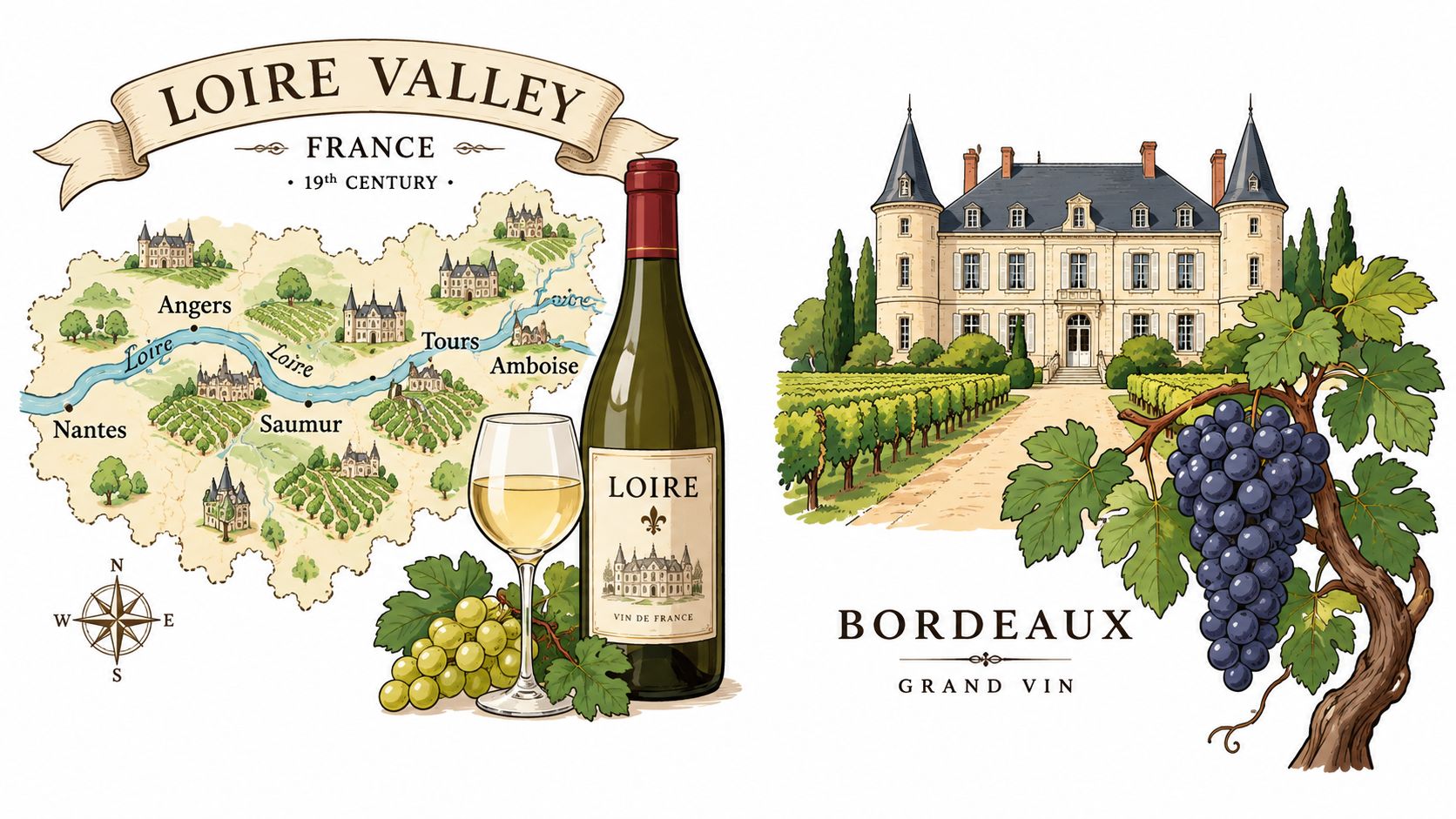
Australia received the variety much earlier than its modern popularity suggests. Wine Australia records that Sauvignon Blanc arrived in 1831 with James Busby's collection of vines. Busby gathered European vine material for Australian cultivation, and some of those vines became part of the country's early wine story. The grape was present, but it didn't immediately become a major commercial favourite.
For much of Australia's early wine history, other white varieties received greater attention. Riesling and Semillon were central to many regional identities, while Sauvignon Blanc remained relatively modest in plantings and consumer awareness. That changed when Australian growers and winemakers began responding to the fresh, aromatic style that had gained attention across the Tasman in New Zealand.
The style that changed the conversation
New Zealand's Marlborough style helped Australian drinkers recognise what Sauvignon Blanc could do. Its intense citrus, green and tropical aromas offered a sharp contrast with heavier or more neutral white wines. Australian producers began making similarly fresh examples, while others adapted the concept to local climates and regional preferences.
The result wasn't a single Australian style. Adelaide Hills developed a strong reputation for crisp, lifted wines, while warmer areas explored riper fruit and broader textures. The variety's Australian journey therefore moved from introduction, to quiet cultivation, to widespread commercial relevance.
The history of the grape in Australia is explored in more detail in this guide to Sauvignon Blanc's origins from the Loire Valley to Australian innovation.
Its evolution from an imported vine to Australia's leading white wine variety also explains why the label alone isn't enough. The same grape has been interpreted through different climates, markets and winemaking choices.
The Aromatic Profile That Defines the Grape
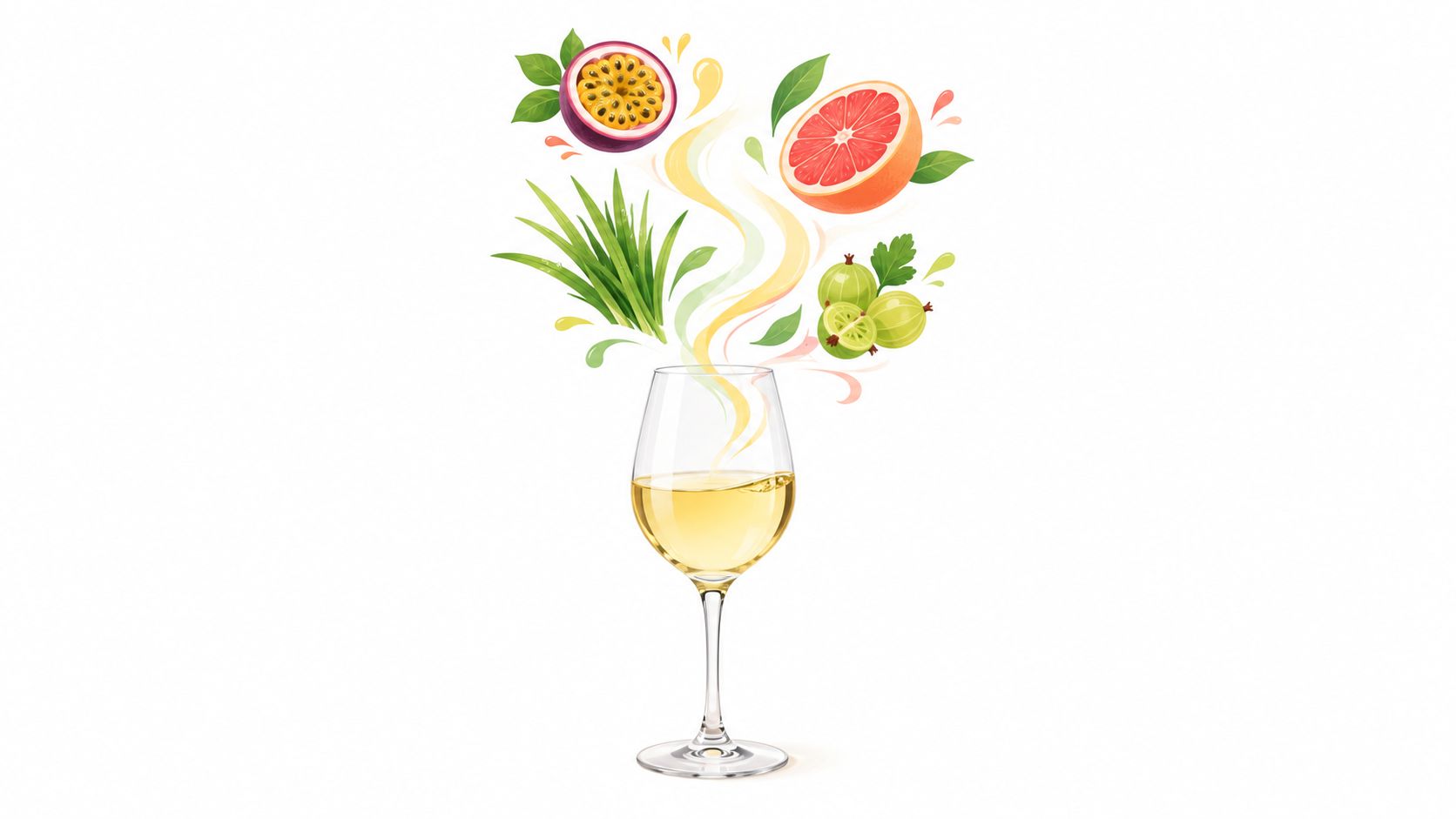
Sauvignon Blanc's aroma can seem almost immediate. Open a fresh bottle and you might notice lime leaf, grapefruit peel, passionfruit, gooseberry, snow pea or freshly mown grass before you even take a sip. Those scents come from a combination of grape-derived compounds and fermentation chemistry, rather than from flavourings added to the wine.
One important family is the thiols, also called volatile sulfur compounds. The name can sound technical, but the sensory effect is easy to recognise. Different thiols contribute to aromas that remind drinkers of passionfruit, grapefruit and tropical fruit. Other compounds, including methoxypyrazines, help create the variety's leafy, capsicum-like and grassy character.
Why the numbers matter in the vineyard
A South Australian study of Adelaide Hills Sauvignon Blanc found substantial chemical variation within the same GI and clone. At one location, measured 3-SH ranged from 40 to 514 ng/L, 3-SHA from 5 to 36 ng/L, and 4-MSP from undetectable to 94 ng/L. These compounds are associated with important passionfruit, tropical fruit and grapefruit aromas, so the findings show why two nearby vineyards can produce noticeably different wines. The Adelaide study and its discussion of Sauvignon Blanc aroma compounds provide the chemical detail.
The practical lesson is simple. A regional name gives you a useful expectation, but it doesn't guarantee an identical aroma profile. Vineyard ripeness, site exposure, juice handling and fermentation decisions all influence how strongly those aromas appear.
Cool versus warm expression
Cooler conditions tend to preserve acidity and greener, more lifted aromatic characters. That's where you'll often find citrus zest, herbs, cut grass and a taut finish. Warmer sites can push the fruit towards pineapple, melon and riper passionfruit, with less of the sharp green edge.
Neither profile is automatically superior. A lean, grassy wine may be ideal with oysters, while a fuller tropical example can work better with roast poultry or a richer vegetable dish. The key is to identify whether you want tension and freshness or ripeness and breadth before choosing the bottle.
Key Regions Shaping Australian Style
Australian Sauvignon Blanc makes more sense as a story of place than as a fixed flavour chart. Climate, elevation, coastal influence and vineyard exposure shape how the grape ripens, how much acidity it retains and how its aromatic compounds develop. Two vineyards in the same broad region can therefore produce noticeably different wines.
Adelaide Hills shows the cool-climate approach clearly. Wine Australia identifies Sauvignon Blanc as a major part of the region's annual crush. Higher and cooler sites generally support wines with a firm, fresh structure, while warmer pockets can give the fruit a rounder feel. Regional expectations are useful, though they do not replace attention to the individual vineyard or producer.
Tasmania also sits towards the fresher end of the Australian spectrum. Its wines suit shoppers looking for brightness, energy and a clean finish. A Tasmanian bottle will often feel more restrained than a lush warm-site example, although vineyard position, ripeness and winemaking still influence the final style.
Warmer sites and riper fruit
Inland regions contribute much of Australia's Sauvignon Blanc volume and commonly produce accessible, fruit-driven wines. Their warmer conditions can create a broader texture and generous fruit expression, making these bottles easy choices for casual drinking. The exact result depends on harvest timing and how the fruit is handled in the winery.
McLaren Vale offers a different regional reading. Its maritime influence can support ripe passionfruit and pineapple characters while preserving some grapefruit lift. A fuller expression may feel softer and broader than an Adelaide Hills wine, so it can stand up to dishes that would overwhelm a very lean white. For more regional buying ideas, see this guide to Australian Sauvignon Blanc.
| Region | Climate | Signature aromas | Body | Best for |
|---|---|---|---|---|
| Adelaide Hills | Cool climate | Citrus, grass, herbs and lifted fruit | Light to medium | Seafood, salads and fresh goat cheese |
| Tasmania | Cool climate | Bright citrus, green fruit and herbal freshness | Light to medium | Aperitif drinking and delicate seafood |
| McLaren Vale | Warmer maritime influence | Passionfruit, pineapple and grapefruit | Medium | Roast poultry, richer seafood and soft cheeses |
| Inland regions | Warmer conditions | Riper tropical and fruit-driven notes | Light to medium | Casual drinking and value-focused purchases |
Practical rule: Choose the region according to the texture and fruit profile you want, rather than the grape name alone. Adelaide Hills suggests freshness, while McLaren Vale can suggest greater generosity.
Australian shoppers are choosing different interpretations of one variety, shaped by climate and site rather than by the grape name alone.
From Crisp and Grassy to Rich and Oak-Influenced
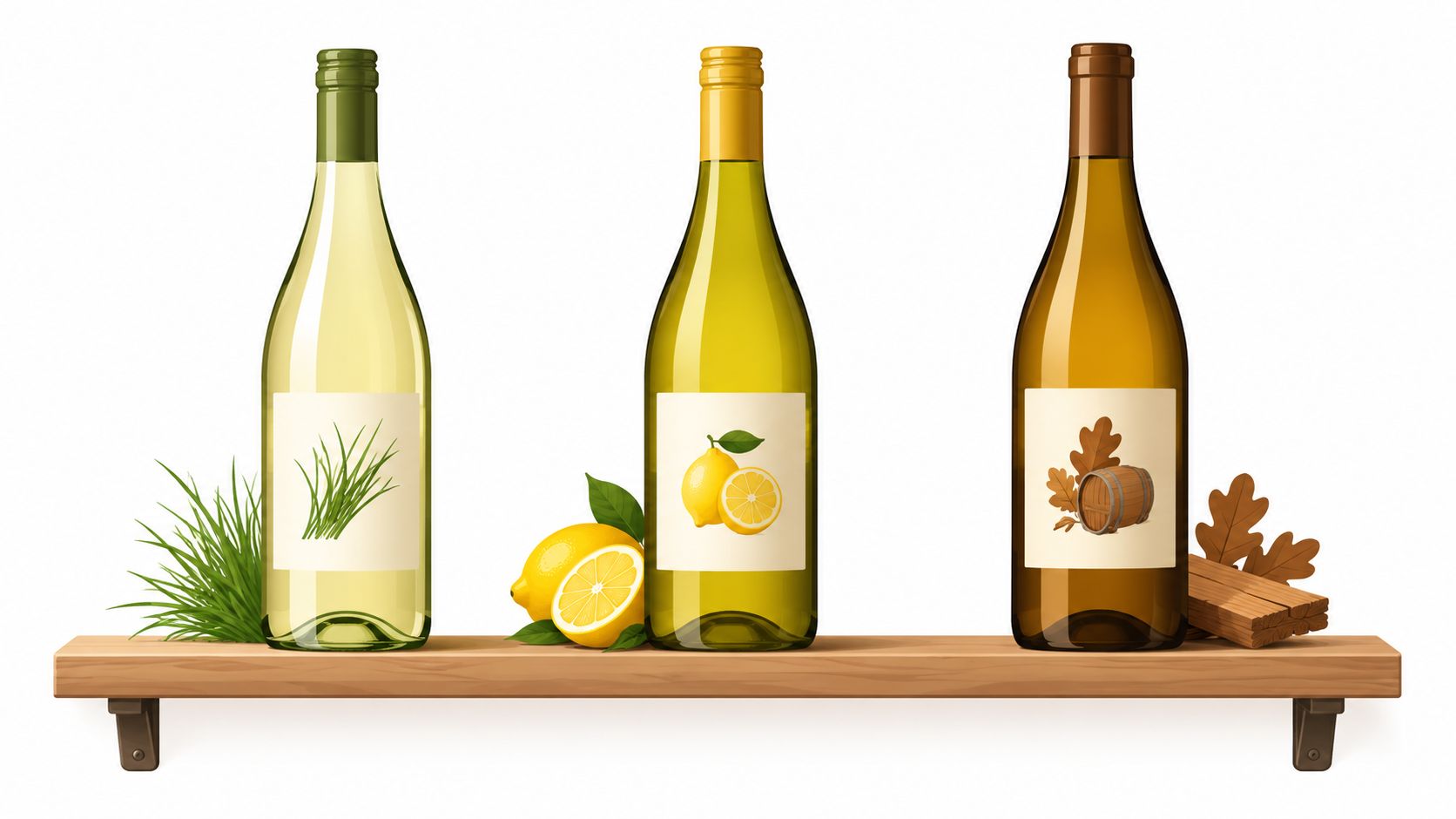
The most familiar Sauvignon Blanc style is clean, bright and stainless-steel fermented. Winemakers use stainless steel to protect freshness and preserve the grape's expressive aromas. These wines often show lime zest, capsicum, snow pea, fresh herbs and passionfruit, supported by assertive acidity and a light, energetic body.
That style suits shoppers who want a chilled white for immediate drinking. It's also the easiest profile to recognise on a shelf. Look for language such as fresh, crisp, zesty, aromatic or unoaked.
Three useful style signals
A mid-weight, fruit-forward wine sits between the classic lean style and a heavily textured oak expression. Warmer Australian sites can produce Sauvignon Blanc with pineapple, passionfruit and white-peach impressions. The acidity remains important, but the palate feels rounder and the fruit seems more generous.
Oak-influenced examples take the grape in another direction. Barrel fermentation or maturation can soften the edges and add texture. Older oak may contribute subtle breadth without making the wine taste overtly vanilla-driven. Lees stirring, which moves the fine yeast sediment through the wine, can also build a fuller mouthfeel.
Some producers use Fumé Blanc-style techniques, usually associated with oak influence, while Sauvignon Blanc and Semillon blends can add waxy, lanolin-like or beeswax complexity. These wines may be better suited to a meal than to a quick glass before dinner.
Reading the back label
Use the label as a set of clues:
- Fresh and unoaked: Expect a direct, aromatic and crisp style.
- Reserve, barrel fermented or oak matured: Look for more texture and a broader palate.
- Sauvignon Blanc and Semillon: Expect a less purely aromatic profile, potentially with added savoury or waxy notes.
- Ripe, tropical or fruit-driven: Prepare for a softer impression than a strongly herbal wine.
This white wine guide to different styles can help place Sauvignon Blanc within the wider white-wine category.
The important distinction is that oak doesn't turn Sauvignon Blanc into Chardonnay. It changes the shape of the wine, while the grape's acidity and aromatic identity can remain visible.
Food Pairings, Serving and Short-Term Ageing
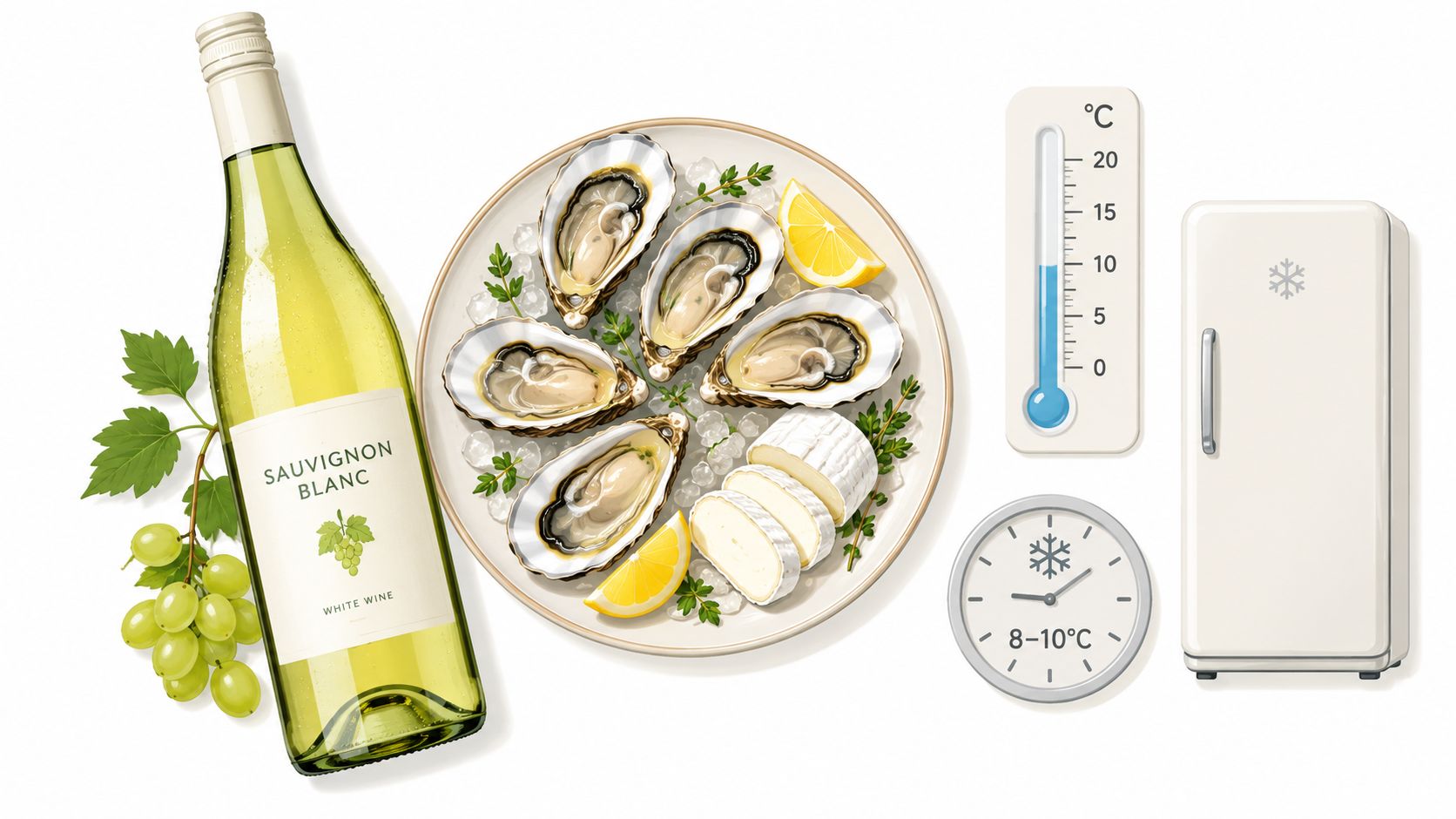
Sauvignon Blanc works well at the table because its acidity can refresh the palate between bites. A crisp, unoaked example is a natural partner for fresh oysters, prawns, goat cheese, salads and delicate fish. Citrus and herbal aromas also make sense alongside Thai-inspired chicken, green papaya salad and dishes built around coriander, mint or lemongrass.
Serve it well chilled, but don't leave the bottle buried in ice for too long. Excessive cold can suppress the aromas that make the grape distinctive, especially passionfruit, citrus and herbs. If the wine seems muted straight from the fridge, give it a little time in the glass rather than judging it immediately.
Match the texture to the dish
A lean Adelaide Hills or Tasmanian style suits food with freshness and delicacy:
- Seafood: Oysters, prawns, sushi and grilled white fish benefit from clean acidity.
- Soft cheese: Goat cheese highlights the wine's citrus and herbal lift.
- Green dishes: Salads, herbs and vegetables echo the wine's fresh character.
- Gentle spice: Thai-inspired chicken and green papaya salad work when the wine has enough fruit to balance the seasoning.
A riper McLaren Vale example or an oak-influenced bottle can handle more weight. Try it with roast chicken, pork belly, butternut squash or creamy mushroom risotto, where a broader texture won't disappear beside the food.
Drink young, store carefully
Most Sauvignon Blanc is made for freshness rather than extended cellaring. Drink it while the fruit and acidity are lively, particularly when the label presents a simple, unoaked style. Premium oak-fermented and cool-climate examples can sometimes develop more savoury and textural complexity with careful short-term storage.
Keep unopened bottles away from light, heat and large temperature swings. A cool, dark storage space is more useful than a decorative rack beside the oven. Screwcap closures are common for Australian white wines and make practical sense for preserving freshness.
Why Sauvignon Blanc Matters for Australian Shoppers
Sauvignon Blanc has become a useful measure of how Australian wine is changing. Wine Australia says the variety is grown in 44 of Australia's 65 wine regions and has become the country's highest-selling white wine. It also reports that inland Sauvignon Blanc crush rose 39 per cent in 2025 to 81,726 tonnes, which was 39 per cent above the 10-year average, while warning that the category may be moving towards oversupply in Australia and globally. Wine Australia's market bulletin on Sauvignon Blanc supply and crush trends explains why the variety's market position deserves attention.
The following national crush then showed a different point of comparison. Sauvignon Blanc fell only 7 per cent in the 2026 national crush, compared with a 27 per cent decline for Cabernet Sauvignon, narrowing the gap between the varieties to its smallest on record. For shoppers, that supply picture can mean more choice across regional, commercial and premium styles, but it also makes it sensible to compare the bottle rather than assume every Sauvignon Blanc offers the same value.
A practical buying checklist
- Read the region. Adelaide Hills and Tasmania point towards freshness and acidity, while warmer regions can offer riper fruit and a broader palate.
- Check the vintage. For a simple, aromatic style, a fresh release is usually the safer choice than an older bottle that has been stored poorly.
- Match the occasion. Choose a crisp, unoaked wine for oysters and salads, or a fuller, oak-influenced example for roast chicken and creamy dishes.
Sauvignon Blanc isn't just a list of grassy, citrus or tropical tasting notes. It's a regional story shaped by Australian climate, vineyard chemistry, production economics and the choices made by the person selecting the bottle.
McLaren Vale Cellars offers Australian Sauvignon Blanc selections, including individual bottles and dozen options, alongside wine education for comparing styles and serving them with confidence. Visit McLaren Vale Cellars to explore regional wines, mixed packs and practical guides for your next bottle.
Comments (0)
There are no comments for this article. Be the first one to leave a message!