
At its core, an Australian port-style wine is a beautiful marriage of two key ingredients: incredibly ripe, flavour-packed grapes and a fortifying grape spirit. The magic happens when you take a rich, fermenting base wine and, at just the right moment, add a splash of brandy. This single act pauses the fermentation, locking in all that natural grape sweetness and giving the wine its signature warmth and depth.
The Building Blocks of Australian Port-Style Wine

While true Port can only come from Portugal's famous Douro Valley, Australia has a long and proud history of crafting exceptional fortified wines in a similar style. These local treasures are built on the same foundation, but they draw their character from grape varieties that absolutely thrive in our unique Aussie climate.
Think of it like a two-act play. Act One is all about creating a base wine bursting with flavour. Act Two is the dramatic finale—the fortification—which shapes the wine’s final personality and sets it on its path.
Act One: The Grapes
The soul of any great port-style wine begins with intensely ripe grapes. Winemakers are looking for fruit with concentrated sugars and deep, complex flavours, creating a wine robust enough to handle both fortification and years of ageing. Here in Australia, that often means turning to powerhouse red varieties that flourish in our warmer regions.
- Shiraz: Our most iconic grape, Shiraz brings those deep, dark fruit flavours of blackberry and plum, all wrapped up with a spicy backbone.
- Grenache: This variety lends brighter red fruit notes—think raspberry and cherry—along with a softer, more plush texture.
- Touriga Nacional: A traditional Portuguese hero, this grape is becoming a star in Australia for its incredible structure, floral perfume, and powerfully concentrated character.
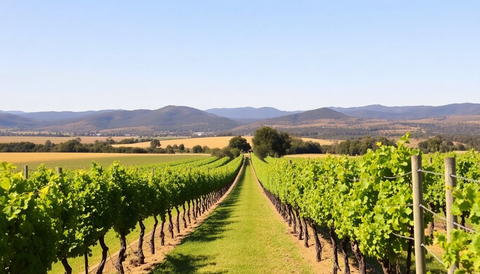
In the heart of South Australia’s McLaren Vale, where we at McLaren Vale Cellars proudly source our premium fortifieds, these wines are often born from a blend of Touriga Nacional, Tinta Roriz (Tempranillo), and Shiraz. These grapes love the Mediterranean climate, contributing to the roughly 50% of South Australia's total winegrape crush that comes from the region.
Act Two: The Spirit
The second crucial player is a neutral grape spirit—essentially, a high-proof, unaged brandy. This spirit doesn’t just boost the alcohol; it acts as a preservative and a character-definer. When added to the fermenting grape must, its high alcohol content instantly stops the yeast in its tracks, preventing it from converting all the delicious grape sugars into alcohol.
This is the defining moment that separates fortified wine from standard table wine. It ‘fortifies’ the wine to an alcohol level of around 18-20% ABV and, most importantly, locks in that luscious residual sweetness from the grapes. This is what creates the rich, velvety profile we all know and love.
To get a real handle on Australian port-style wines, it helps to see where they fit in the broader wine and spirits category. They really do bridge the gap between a traditional red wine and a distilled spirit, offering a unique experience steeped in centuries of winemaking history.
To put it all together, here’s a quick look at the core components that make up these exceptional wines.
Core Components of Australian Port-Style Wine
| Component | Description | Common Examples in Australia |
|---|---|---|
| Base Grapes | Ripe, flavourful grapes with high sugar levels. | Shiraz, Grenache, Touriga Nacional, Mourvèdre (Mataro) |
| Grape Spirit | A neutral, high-alcohol spirit (brandy) used for fortification. | Distilled from grapes, often unaged to preserve neutrality. |
These two simple elements, when combined with skill and time, are responsible for the incredible diversity and complexity found in every bottle of Australian fortified wine.
The Grapes That Define Port's Character

While the fortification process gives port its signature strength and structure, its soul is born in the vineyard. The grapes are everything. You can't just use any old variety; you need grapes capable of achieving intense ripeness and flavour concentration, a quality that is at the very heart of what port-style wine is made from.
Portugal’s Douro Valley famously uses a huge range of native grapes, but here in Australia, our winemakers have perfected the art using robust varieties that absolutely flourish under our sun. Think of these grapes as the lead actors in a performance—each one brings a unique personality to the final blend, defining its aroma, taste, and texture.
In sun-drenched regions like McLaren Vale, three main varieties consistently take centre stage.
The Powerhouse Players of Australian Fortifieds
The flavour of a port-style wine is a direct reflection of the grapes used. Each variety contributes its own distinct notes, and the magic happens when they're blended together.
-
Shiraz: An undisputed Aussie icon, Shiraz provides the dark, brooding backbone. It brings those deep, jammy flavours of blackberry, dark plum, and blackcurrant, often with a whisper of pepper or liquorice that adds a wonderful savoury complexity.
-
Grenache: Known for its generous and plush character, Grenache is all about bright red fruit. It adds a vibrant lift with notes of stewed raspberry and cherry, softening the wine and giving it a more rounded mouthfeel.
-
Touriga Nacional: This one’s a Portuguese hero that has found a very happy home in Australia. Touriga Nacional is a structural powerhouse, delivering firm tannins and a stunning floral perfume—think violets—alongside its concentrated black fruit flavours.
Of course, the list doesn't stop there. Other grapes like Mourvèdre (often called Mataro here) and even Cabernet Sauvignon can add their unique signatures, contributing everything from earthy tones to elegant structure. The real artistry is in how winemakers combine these different profiles to craft a balanced, compelling final wine. To see how these varieties fit into the bigger picture, you can learn more about what every wine lover should know about grapes in our detailed guide.
The Role of Terroir in Flavour The specific place where grapes are grown, known as terroir, is just as important as the variety itself. McLaren Vale’s unique combination of warm, sunny days and cool evenings allows grapes to ripen fully while holding onto crucial acidity. This climate helps concentrate the sugars and flavours, producing the perfect rich, complex fruit needed for top-tier fortified wines.
Ultimately, the choice of grape is the first and most critical decision a winemaker makes. It sets the stage for everything that follows, defining the aromatic profile, the depth of flavour, and the wine’s potential to age gracefully for years to come. From the bold spice of Shiraz to the floral elegance of Touriga Nacional, these grapes are the true essence of Australian port-style wine.
The Fortification Process That Stops Time

Once the grapes have been crushed and fermentation kicks off, we arrive at the single most important moment in making Port. This one step, called fortification, is what truly sets Port apart from regular table wine. It’s a beautifully timed intervention that changes the wine’s destiny forever.
You can think of it like a chef making caramel. They watch the sugar like a hawk, waiting for that split-second when it hits the perfect colour and aroma before pulling it from the heat. A moment too late, and it's burnt; a moment too soon, and it’s bland. The Port winemaker faces that same high-stakes decision.
The Decisive Moment of Fermentation
As the yeast gets busy turning the grape’s natural sugars into alcohol, the winemaker is constantly tasting and testing. The whole game is to stop the fermentation when about half of the original sugar is still left in the juice. This is the sweet spot that locks in the luscious, rich character Port is famous for.
At this precise point, a neutral grape spirit—basically a clear, high-proof brandy—is added to the bubbling grape must. The effect is instantaneous.
The powerful grape spirit, which is usually around 77% ABV, immediately kills off all the yeast. This act 'fortifies' the wine, bumping its final alcohol content to between 18-20% and—most importantly—trapping a huge amount of the grape's natural, unfermented sugar.
This single, decisive move creates the sweet, strong, and incredibly stable foundation that allows Port to age for decades, sometimes even a century or more. It’s this combination of preserved sweetness and higher alcohol that gives the wine its opulent body and incredible staying power.
The Australian Approach to Fortification
While the basic method is the same everywhere, Aussie winemakers have put their own spin on it to suit our local grapes and climate. Here in McLaren Vale, for example, it’s common to let robust reds like Shiraz ferment to a lower alcohol level of about 5-7% before adding the spirit.
This technique leaves behind a high level of residual sugar, typically between 100-150 grams per litre, which is the secret to the rich, velvety texture of Australia’s top-shelf fortified wines. This pioneering spirit goes way back to the 1830s, when South Australian winemakers first used fortification to make their wines stable enough for transport.
Fortification is the key to creating every style, from the inky dark reds to the crisp whites. You can dive deeper into this topic by reading our complete guide to fortified wines and their history.
Ultimately, fortification is more than just a winemaking step; it’s an art. It’s the moment the winemaker presses pause, locking in the pure essence of the harvest and setting the stage for the long, complex journey of ageing that defines this incredible wine.
How Ageing Shapes the Different Styles of Port

Once a wine is fortified, its journey has really only just begun. The next step—ageing—is what truly defines its final personality, aroma, and colour. This is where the fortified wine transforms into one of the distinct styles we recognise, and it all comes down to one crucial factor: its relationship with oxygen.
Think of it as two separate paths a wine can take after fortification. One path completely shields the wine from air, preserving its youthful, vibrant energy. The other path deliberately exposes it to tiny amounts of oxygen over many years, creating profound and complex changes.
The Reductive Path: Ruby and LBV Styles
To create a vibrant, fruit-forward Port, winemakers age the wine "reductively," which is a fancy way of saying with minimal oxygen contact. This is usually done in massive, inert containers like stainless steel tanks or enormous old oak vats called balseiros. The sheer volume of wine compared to the surface area means very little of it ever touches the air.
This process essentially acts like a time capsule, preserving the wine's original character straight from the vineyard. It keeps the colour a deep, brilliant ruby red and locks in the fresh, powerful fruit flavours of the grapes—think blackberry, cassis, cherry, and plum.
-
Ruby Port: The most youthful and straightforward style. Ruby Port is bottled after just 2-3 years in these large vats. It’s all about bright, uncomplicated fruit and is ready to be enjoyed as soon as it hits the shelf.
-
Late Bottled Vintage (LBV) Port: An LBV is a definite step up. It comes from a single, good-quality year and spends between 4-6 years in the vat before bottling. This extra time allows it to develop more smoothness and depth than a standard Ruby, while still holding onto that gorgeous, vibrant fruit profile.
By minimising oxidation, winemakers ensure these styles remain a pure expression of what the Port wine is made from—the grapes themselves. The whole point is freshness, fruitiness, and that bold, deep colour.
The Oxidative Path: Tawny and Vintage Styles
The second path is one of slow, controlled transformation through "oxidative" ageing. Here, the wine is aged in much smaller wooden barrels, known as pipas (pipes). The porous nature of the oak allows tiny, controlled amounts of oxygen to interact with the wine over many, many years.
This gradual exposure works absolute magic, fundamentally changing the wine's chemistry. The deep red colour softens and evolves into a beautiful amber or brownish "tawny" hue. Those fresh fruit flavours slowly morph into a complex medley of nutty, dried fruit, and caramel notes.
Here in Australia, we see this tradition echoed in our own fortified wines. At McLaren Vale Cellars, we celebrate South Australia's rich fortified heritage, where local port-style wines are often crafted from late-harvest Shiraz and Grenache. These local gems are fortified to reach 19-22% ABV, with residual sugars locked in at 90-120 g/L for that classic, beautifully viscous texture. While Ruby and Tawny styles dominate the global market, Australia's boutique producers are vital, excelling with premium, locally-focused fortifieds that truly shine. If you're keen to dive deeper into the market, you can find more detailed information on global trends at Global Insight Services.
-
Tawny Port: These are typically blends of several different years, aged in wood to create a consistent and reliable house style. They are often sold with an age statement—10, 20, 30, or even 40 years old—which reflects the average age of the wines in the final blend.
-
Vintage Port: Considered the absolute pinnacle of Port, a Vintage is made only in the very best years from a single harvest. It spends a mere two years in a barrel before being bottled, unfiltered. From there, the real magic happens in the bottle, where it ages reductively for decades, slowly evolving from a powerful, fruity giant into something of incredible complexity and nuance.
To help you navigate the shelf, here's a quick cheat sheet comparing the most common styles you'll encounter.
Comparing Common Port Styles
| Style | Ageing Method | Key Flavours | Best For |
|---|---|---|---|
| Ruby Port | 2-3 years in large, inert vats (reductive). | Bright red berries, plum, cherry, blackcurrant. | Everyday sipping, simple cheese platters, or mixing in cocktails. |
| Late Bottled Vintage (LBV) | 4-6 years from a single vintage in large vats (reductive). | Dark chocolate, black cherry, raspberry, hints of spice. | A step-up from Ruby; great with chocolate desserts or strong cheeses. |
| Tawny Port (with age) | Aged in small oak barrels (oxidative); blended, with average age stated. | Nuts (almonds, walnuts), caramel, dried figs, spice. | Sipping on its own, or with nut-based desserts, crème brûlée, or hard cheeses. |
| Vintage Port | 2 years in barrel, then decades in bottle (reductive). | Evolves from intense dark fruit to leather, spice, and savoury notes. | Special occasions; requires decanting and pairs with Stilton or contemplation. |
Each style offers a completely different experience, shaped entirely by how it was treated after fermentation. Whether you prefer the fresh-faced vibrancy of a Ruby or the complex, mellow wisdom of an old Tawny, it all comes back to that fundamental choice: to protect from air, or to embrace it.
Serving and Pairing Your Australian Port
Understanding what goes into a bottle of port is one thing, but the real joy comes from that moment you finally pour a glass. To get the absolute most from your Australian port-style wine, a few simple tips on serving and pairing can elevate the whole experience from just good to genuinely memorable.
First things first: temperature. This is a game-changer for fortified wines. Unlike your big, room-temperature reds, most ports shine when they have a slight chill. It’s the secret to taming the alcohol and sweetness, allowing all those complex fruit, spice, and aged characters to step forward.
For a nutty, complex Tawny, you’ll want to aim for a serving temperature of around 10–14°C. For a vibrant, fruity Ruby or Late Bottled Vintage (LBV), a touch warmer at 16–18°C—just below classic room temperature—is the sweet spot. Honestly, a quick 20-30 minutes in the fridge is usually all it takes.
Glassware and Decanting Essentials
Believe it or not, the right glass can make a world of difference. Ditch the big red wine balloon glass; you need something smaller to concentrate all those gorgeous aromas of dried fruit, spice, and toasted nuts. A classic port glass, with its smaller bowl that tapers towards the rim, is perfectly designed for sipping and savouring.
Decanting is another thing to consider, but it’s mostly reserved for true Vintage Port or older, unfiltered styles that throw a bit of sediment over time. For the majority of Tawny and LBV styles you'll find, they're filtered before bottling, so you can just open, pour, and enjoy. No fuss.
If you’re looking for a deeper dive, our article on how to drink port wine has plenty more handy tips.
The Perfect Pairings for Your Port The rich, sweet character of port-style wine makes it an incredibly versatile partner for food. The trick is to match the intensity of the wine with the flavour of the dish, creating a partnership where neither one overpowers the other.
Classic and Modern Australian Pairings
While the legendary pairing of a Vintage Port with a powerful blue cheese like Stilton is famous for a reason, the possibilities are so much broader—especially with an Aussie twist.
-
Tawny Port Pairings: The nutty, caramel notes of an aged Tawny are an absolute dream with salted macadamias, almond biscotti, or a classic crème brûlée where the wine cuts through the richness. On the savoury side, try it with a flavourful gamey pâté or a sharp, aged cheddar.
-
Ruby and LBV Pairings: The bold, upfront fruitiness of these styles just begs for chocolate. A decadent dark chocolate torte, or even a simple square of high-quality dark chocolate, creates a match made in heaven. These wines also work beautifully with a mixed cheese board featuring both hard and soft cheeses.
Answering Your Top Questions About Port Wine
To wrap things up, let's tackle some of the most common questions we hear about this fascinating fortified wine. Think of this as your go-to guide for those lingering queries, giving you the confidence to talk about, choose, and enjoy Port like a seasoned pro.
We'll cover everything from the nuances between styles to which bottles are worth stashing away in the cellar. Let's dive in.
What Is the Difference Between Port and Tawny?
This is a fantastic question and a very common point of confusion. The easiest way to think about it is that 'Port' is the family name, while 'Tawny' is one of the family members. Tawny is simply a specific style of Port, and its identity is all down to how it’s aged.
A Tawny Port spends its life in small wooden barrels. This deliberate, slow exposure to oxygen is what softens its colour to that signature brownish, amber "tawny" hue. It’s also what develops those beautiful nutty, caramel, and dried fruit flavours.
Other styles, like Ruby Port, are kept in massive vats with minimal oxygen contact. This preserves their vibrant red colour and fresh, fruity character. So, remember: all Tawny is Port, but not all Port is Tawny.
Can I Cellar Australian Port-Style Wine?
The answer here depends entirely on the style of fortified wine you’ve bought. They are not all created equal when it comes to ageing.
- Vintage Port-style: Absolutely! These are the wines built for the long haul. They're bottled young and unfiltered, specifically designed to evolve and gain incredible complexity over decades in the cellar.
- Late Bottled Vintage (LBV): These can often age gracefully for a few more years, developing extra smoothness and integration.
- Tawny and Ruby styles: These are aged at the winery and bottled when they are perfectly ready to drink. They are delicious right off the shelf and won’t improve with more time in your cellar. It’s best to enjoy them within a year or two of purchase to catch them at their peak.
What Does Fortified Mean in Wine?
In simple terms, ‘fortified’ means that a neutral grape spirit (usually a type of brandy) has been added to the wine. For Port, this happens right in the middle of fermentation.
This single step does two very important things:
- It hits the pause button on fermentation, stopping the yeast from converting any more sugar into alcohol. This is how Port keeps its delicious, natural grape sweetness.
- It ramps up the final alcohol content to a robust 18-20% ABV.
This fortification process is the secret behind Port’s signature sweet, rich character and is what makes it stable enough for long-term ageing. It’s the defining step that separates it from standard table wine.
So, when you see "fortified" on a label, it's your clue that the wine has been strengthened with a spirit. This creates a richer, sweeter, and more alcoholic profile. It’s a technique used for centuries to create iconic wines like Sherry, Madeira, and of course, Port.
For those looking to deepen their appreciation for wine beyond Port, exploring general wine tasting experiences can offer valuable insights into various varietals and winemaking processes.
Is White Port Made the Same Way?
Yes, the core method is identical, but it all starts with white grapes like Malvasia Fina, Gouveio, and Rabigato. Just like its red cousin, White Port is fortified with grape spirit during fermentation to halt the process, lock in sweetness, and boost the alcohol.
The styles can range from crisp and dry to lusciously sweet. They are often served chilled as a brilliant aperitif, sometimes famously mixed with tonic water for a refreshing "Portonic." While they're less common in Australia than the red styles, they are a wonderful example of how this versatile technique can create a completely unique drink from different grape types.
Ready to explore the rich, complex world of Australian fortifieds? At McLaren Vale Cellars, we proudly showcase a curated selection of premium port-style wines from one of Australia’s most celebrated regions. Discover your next favourite bottle today.

Comments (0)
There are no comments for this article. Be the first one to leave a message!