
You're standing in a bottle shop, turning over a bottle of Shiraz, and the label starts throwing words at you. Organic. Biodynamic. Natural. Preservative-free. Suddenly a simple decision feels like an exam.
That confusion is normal. Wine labels often mix farming terms, winemaking terms, and marketing language in a way that leaves even keen drinkers wondering what they're buying. If you've asked yourself what is organic wine, the short answer is this: it's wine made from grapes grown without synthetic pesticides, herbicides, fungicides, or fertilisers, and it's also made in a winery that follows strict organic rules.
That sounds technical, but the idea is simple. Organic wine is about working with a living vineyard rather than forcing it with synthetic shortcuts. In a place like McLaren Vale, where growers pay close attention to site, soil, and long-term stewardship, that idea makes practical sense. It isn't just philosophy. It shapes what happens in the rows, in the winery, and in your glass.
Interest in organic wine isn't small or fringe anymore. In Australia, domestic organic wine sales volume rose from 100,000 cases in 2012 to 1.5 million cases in 2022, a 31% compound annual growth rate, while two in three global consumers consider sustainability a critical factor in wine purchases, according to Organic Operators on the Australian organic wine market.
If you're still building your wine basics, it helps to start with the broader picture of grapes, styles, and regions before narrowing into organics. This beginner's guide to what wine is gives that wider context.
An Introduction to the World of Organic Wine
You pick up a bottle in a McLaren Vale cellar door, spot the word organic on the label, and pause. Is it about farming, winemaking, flavour, or all three?
In Australia, organic wine covers the full path from vineyard to bottle. The grapes must be grown under organic standards, and the winery must follow organic rules too. A producer cannot spray less, use broad sustainability language, and call the wine organic.
A good way to picture it is through a home veggie patch. Tomatoes grown in living soil, fed with compost, and protected by healthy insect life tend to reflect the care that went into the garden. Vines respond in much the same way. The grower is trying to build balance in the vineyard, and the winemaker's job is to carry that fruit into the bottle without stripping away its character.
Organic wine is a chain of decisions that starts in the soil and ends in your glass.
That idea lands especially well in McLaren Vale. This is a region known for growers who pay close attention to site, long-term soil health, and the character of each block. In a place with such a strong farming culture, organic practice is not just a badge. It is one way of protecting the vineyard's future while giving the wine a clearer sense of where it came from.
For drinkers, that often shows up as a style preference as much as a values preference. Some people seek out organic McLaren Vale wines because they want bottles that feel honest to the vineyard, not polished into sameness.
A quick caution helps here.
Organic does not automatically mean sulphite-free, preservative-free, healthier, or better in every case. Those are separate questions, and they are a big part of why wine labels can feel confusing. If you want the wider background before narrowing in on organics, this beginner's guide to grapes, styles, and wine regions is a useful place to start.
How Organic Wine Is Made From Vineyard to Bottle
The easiest way to understand organic wine is to split it into two parts. First, how the grapes are grown. Second, how the wine is made.

In the vineyard
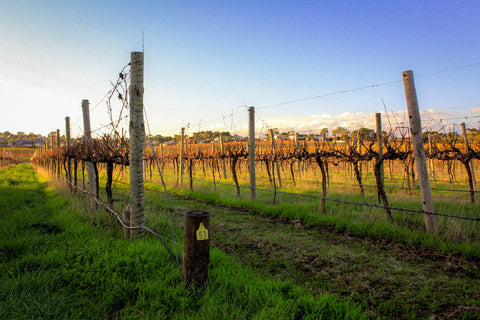
Organic grape growing is a bit like serious organic gardening, just on a commercial scale. The grower can't rely on synthetic herbicides to wipe out weeds or synthetic fertilisers to push growth. Instead, they focus on building a healthier vineyard system over time.
That usually means practices such as:
- Compost and organic matter: Growers feed the soil so the vine can feed itself more naturally.
- Cover crops between rows: These help with soil structure, biodiversity, and balance in the vineyard.
- Biodiversity in the block: A healthier vineyard isn't just vines. It includes insects, plant life, and microbial activity in the soil.
- Careful observation: Organic farming asks more from the grower. You can't just reach for a synthetic fix every time pressure appears.
In McLaren Vale, this way of farming suits growers who want the vineyard to stay productive for the long term, not just the next harvest. Healthy soils tend to be central to that thinking.
In the winery
Once the fruit arrives, organic winemaking continues the same philosophy. The goal is to let the grapes speak clearly while staying within organic standards.
That doesn't mean the winemaker does nothing. Wine still needs to be stable, clean, and enjoyable to drink. But the toolkit is more limited, and the choices are more deliberate.
One of the biggest practical differences is sulphites. In Australia, certified organic wines are capped at about 50% of the sulphite level permitted in conventional wines, roughly 100–120 mg/L compared with 200–250 mg/L, according to Drink FAB's guide to Australian organic wine certification.
That matters because sulphites help preserve wine and protect it from spoilage, but organic standards place a much tighter cap on them.
Practical rule: Organic wine can contain sulphites. It just has stricter limits than conventional wine.
If you want a deeper explanation of sulphites and no-added-sulphur styles, this guide to preservative-free wine helps separate the terms.
What that means in the glass
When people talk about organic wine tasting more “alive” or more fruit-driven, they're often responding to the combined effect of healthier fruit and lighter handling in the cellar. The wine may feel more open, more expressive, or more site-specific.
That said, organic wine is not one flavour profile. A McLaren Vale Shiraz can still be powerful. A Grenache can still be fragrant and silky. Organic practice doesn't erase grape variety or region. It aims to let them come through more clearly.
For a quick visual explanation of how vineyard and winery choices come together, this short video is useful.
Decoding Organic Wine Labels in Australia
Many shoppers often get tripped up. They see “organic” on one bottle, “made with organic grapes” on another, and a sustainability claim on a third. They sound similar, but they don't mean the same thing.
In Australia, organic is not just a casual descriptor. It's a protected claim tied to certification.
What a certified organic label actually means
To be legally labelled organic in Australia, a wine must be accredited by a certified body such as ACO or NASAA. That process requires a minimum three-year vineyard conversion, annual audits, and compliance with strict standards that prohibit synthetic inputs in both vineyard and winery, as explained by Single Vineyard Sellers on organic wine in Australia.

That three-year period matters. A grower can't just change practices one season and print “organic” on the next label. The vineyard has to go through a monitored transition, and the producer has to keep records that prove compliance.
What to look for on the bottle
When you pick up a bottle, check for a certification mark rather than relying on broad green language. The logo is the practical clue that the claim has been independently verified.
A good label check usually includes:
- Certification logo present: Look for the certifier's mark, not just the word organic in decorative text.
- Clear wording: “Certified organic wine” carries more certainty than vague sustainability language.
- Producer detail: Serious organic producers usually explain their farming and certification clearly.
If the label sounds earthy but doesn't show certification, treat it as a cue to ask more questions.
Where shoppers get confused
Some wines are made from organically grown grapes but are not certified organic as finished wines. Others may be sustainably farmed without being organic. Neither of those categories is automatically inferior, but they are different.
That's why label literacy matters. The certification tells you the wine has met a defined standard, not just a lifestyle aesthetic. For shoppers who want confidence rather than guesswork, that distinction is worth learning once. After that, bottle shopping gets much easier.
Organic vs Biodynamic vs Natural Wine Compared
You are standing in a bottle shop in McLaren Vale, looking at three labels that all sound earth-friendly. One says organic. One says biodynamic. One says natural. They can sit side by side on the same shelf, but they are not saying the same thing.
The simplest way to separate them is to ask where the main focus sits. Organic is a defined standard with certification rules. Biodynamic starts with organic farming, then treats the farm as one connected living system with extra practices and rhythms. Natural wine usually points to a low-intervention winemaking style, especially in the cellar.
The simple distinction
Organic is the clearest term of the three. It tells you the grower and winemaker are working within a recognised set of rules around inputs and production. For a shopper, that gives you a firm starting point.
Biodynamic farming builds from that base. In practical terms, the grower is not only avoiding synthetic inputs but also managing the vineyard, soils, animals, plants, and seasonal timing as connected parts of one farm system. Some producers also follow specific preparations and calendar rhythms. In a place like McLaren Vale, where many growers already pay close attention to site and long-term soil health, that broader farm approach can feel like a natural extension rather than a separate world.
Natural wine is the least tightly defined term. In shops and restaurants, it usually means the producer is trying to interfere as little as possible during winemaking. That can include native ferments, fewer additions, less filtering, or very low added sulphites. But the word itself does not give you the same clear rulebook that organic certification does.
That overlap is where confusion starts. A natural wine can be made from certified organic grapes. A biodynamic wine can also be organic. A wine can follow low-intervention methods without carrying any formal certification at all.
For a fuller breakdown, this explainer on organic, biodynamic, and natural wine is a useful companion.
Comparing Key Attributes
| Attribute | Organic | Biodynamic | Natural |
|---|---|---|---|
| Core idea | Certified farming and winemaking without synthetic inputs | Organic farming plus a farm system approach with additional practices | Minimal intervention in winemaking |
| Certification | Yes, typically through recognised certifiers | Often certified under biodynamic systems | Not always formally certified |
| Vineyard approach | Focus on organic standards and soil health | Organic farming, biodiversity, and viewing the farm as an interconnected system | Varies by producer |
| Winery approach | Restricted inputs and lower permitted additives | Similar restraint, shaped by biodynamic principles | Often very hands-off, sometimes with few or no additions |
| Sulphites | Allowed within strict limits | Usually restrained, depending on standards and producer | Often very low or no added sulphites, though not always |
| What the term tells you | The wine met a defined organic standard | The producer follows a broader farm philosophy and extra biodynamic practices | The producer aims for minimal manipulation |
A practical way to use these terms
A good shopping shortcut is to decide what kind of reassurance you want.
If you want a claim you can verify, organic is usually the easiest place to start. If you are drawn to farming that treats the vineyard as part of a larger living farm system, biodynamic may appeal. If you are curious about texture, funkier edges, or a less polished cellar style, natural wine might be the category you explore.
In the glass, none of these words guarantees that you will like the wine. They tell you different things. Organic tells you most clearly how the wine was produced under a defined standard. Biodynamic tells you more about the producer's farming philosophy. Natural usually tells you more about the winemaking approach and the style you might expect.
For McLaren Vale drinkers, that distinction matters. This region has built its reputation on fruit character, site expression, and thoughtful farming. Understanding these terms helps you choose a bottle with clearer expectations, rather than guessing from a label that solely sounds green.
Why Choose an Organic McLaren Vale Wine
For many drinkers, the appeal of organic wine comes down to three things. Care for the land, character in the glass, and clarity about what organic does and doesn't mean.
Better farming can support better fruit
In McLaren Vale, vineyard quality starts with the site. But site alone isn't enough. The way a grower treats the soil, vine health, and surrounding ecosystem affects how that site performs over time.
Organic farming pushes attention back onto those fundamentals. Instead of leaning on synthetic fixes, the grower has to build resilience into the vineyard itself. That tends to encourage healthier soils, more biological activity, and a stronger sense that the vineyard is being stewarded rather than merely extracted from.

For a region known for expressive reds, that matters. McLaren Vale wines often carry plenty of personality already. Thoughtful organic farming aims to protect that personality, not flatten it.
The taste question is fair
People ask this all the time. Does organic wine taste different?
Sometimes, yes. Not because the word organic is magic, but because farming choices can affect fruit quality and expression. A 2025 study found that organic McLaren Vale Shiraz scored 14% higher in professional tastings than conventional counterparts, with the difference attributed to increased soil biodiversity and more vibrant, complex fruit character, according to Drink FAB's 2025 buyer's guide to organic wine in Australia.
That doesn't mean every organic bottle beats every conventional one. Wine is never that simple. It does suggest that the farming system can make a real sensory difference, especially in a region where site expression matters.
A good organic McLaren Vale wine shouldn't taste “worthy”. It should taste delicious first, then make sense when you learn how it was grown.
Organic doesn't mean sulphite-free
This is the point that catches people most often. Some drinkers reach for organic wine because they assume it contains no preservatives. That's not usually true.
Organic standards allow sulphites, but in lower amounts than conventional wine. If your priority is avoiding added preservatives, you need to look for a specific claim such as no added sulphites or preservative-free, not just organic certification.
That distinction is useful because it stops disappointment before it starts. Organic tells you about the production standard. It doesn't automatically answer every health or ingredient question a shopper might have.
How to Find Your Perfect Organic Wine
Knowing what organic wine is helps. Choosing one you'll love is the next step.
The best approach is to shop with a short checklist rather than trying to memorise every wine term on the shelf.
Start with the label, then the style
First, confirm the wine is certified organic if that matters to you. After that, buy as you normally would. Think about grape variety, body, flavour, and occasion.
If you already enjoy McLaren Vale reds, these are sensible places to begin:
- Shiraz: A strong option if you like dark fruit, spice, and richer structure.
- Grenache: Often a good pick for drinkers who want perfume, brightness, and softer tannin.
- Cabernet Sauvignon: Worth exploring if you prefer firmer shape and more savoury detail.
The point is simple. Don't buy organic wine only because it's organic. Buy a style you already enjoy, then use organic certification as an extra layer of confidence.
Watch out for the preservative confusion
One of the biggest shopping mistakes is assuming organic and preservative-free mean the same thing. They don't. In Australia, 68% of organic wine buyers believe organic wines have zero sulphites, yet only 12% are preservative-free, according to Wine Australia's Market Bulletin issue 295.
That means if preservative-free is your goal, check the bottle wording carefully. Look for a direct no added sulphites or preservative-free claim rather than relying on the organic label alone.
Buying shortcut: Use organic certification to understand how the wine was produced. Use preservative wording to understand whether sulphites were added.
Use retailer information properly
Good wine retailers usually give you more than a shelf label. Product descriptions, producer notes, and filtering tools can help you narrow the field quickly.

When browsing online, look for:
- Certification details: Product pages may mention whether the wine is certified organic.
- Producer story: This often gives clues about farming philosophy and winemaking restraint.
- Tasting notes that match your palate: Fruity, savoury, medium-bodied, full-bodied, bright, or plush.
If you're new to organic wine, don't overcomplicate it. Pick one certified organic bottle in a style you already trust. Taste it with attention. Then compare from there. That's how most wine lovers build confidence, one bottle at a time.
If you're ready to explore the category for yourself, McLaren Vale Cellars is a smart place to browse South Australian wines with confidence. You can compare styles, read tasting notes, and find bottles that suit your palate, whether you're curious about organic McLaren Vale Shiraz, looking for a mixed case, or wanting a better bottle for dinner tonight.
Comments (0)
There are no comments for this article. Be the first one to leave a message!