
You've probably seen the bottle already. It's the bright one sitting near the gin, but not quite with the serious London Drys. Maybe it's pink, ruby, orange or deep plum. Maybe you picked it up because it looked fun, then put it back because you weren't sure what you'd do with it once you got home.
That's where many get stuck. They know gin. They know liqueur. But what is gin liqueur used for in real life?
The short answer is this. Gin liqueur is usually at its best when the moment calls for something softer, sweeter and easier than straight gin. Think a light spritz before dinner, a simple pour over ice after dessert, a bottle that works as a host gift, or a quick cocktail that doesn't need a full bar setup. In Australia, gin has become far more familiar, with 9.0% of Australians consuming gin in an average four-week period in 2025, up from 7.4% a year earlier, while liqueurs were consumed by 6.3% of Australians according to Drinks Trade reporting Roy Morgan data. That helps explain why gin liqueur keeps turning up as a flavour-led, occasion-driven bottle rather than a neat substitute for dry gin.
Starting From the Bottle on Your Shelf
At the bottle shop, gin liqueur often sits in that in-between zone. Not quite with the straight spirits, not quite with the ready-to-drink cans either. That placement tells you a lot. It's usually bought for easy serves, not for technical mixing.
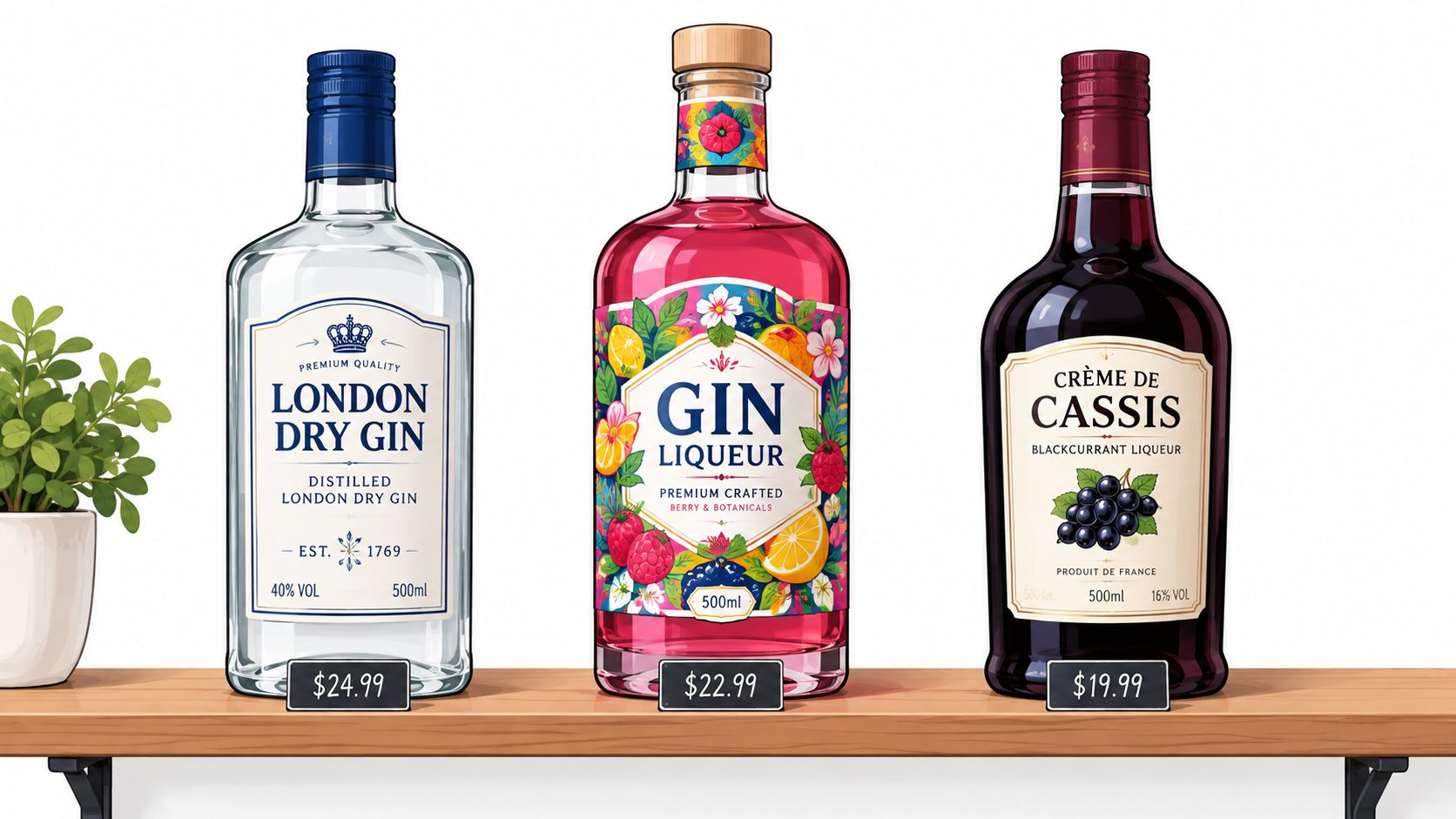
Gin liqueur starts with a gin base, then picks up sweetness and extra flavour from ingredients such as fruit, herbs, spices or floral infusions. The result drinks less like a classic bar spirit and more like a flavoured sipping bottle. That's why labels often lean into names like sloe gin, pink gin liqueur, rhubarb gin, blood orange gin, elderflower gin or native-botanical releases.
What usually falls under the category
A few common styles show up again and again:
- Sloe-style bottles bring dark berry, plum and almond-like notes. They often feel autumnal and richer.
- Pink styles usually lean floral, berry-led or lightly citrusy, and tend to work well in spritzes.
- Rhubarb and orange versions often sit somewhere between fruit liqueur and aperitif.
- Botanical Australian releases may play with native flavours and gift-friendly packaging.
Australian drinkers are already used to gin in mixed drinks. ABC coverage of the local craft distilling boom notes gin's role in serves such as martinis, negronis and gin-and-tonics, and product guidance also points to drinking gin liqueur neat, over ice, or mixed with sparkling wine for a lighter cocktail style in this ABC story on Australian distilling.
Gin liqueur usually makes more sense when you treat it as an occasion bottle, not as a one-for-one replacement for your standard dry gin.
If you're shopping by label style and shelf cues, it also helps to notice how producers present these bottles. Decorative packaging often signals a gifting or celebratory use case, which is why branded extras such as Bottle Neck Tags are so common on limited releases and event bottles. If you want a feel for the broader local gin category around these products, this guide to Australian gin brands is a useful place to compare styles.
How Gin Liqueur Differs From Dry Gin
The easiest way to understand gin liqueur is to pour it next to a dry gin and taste them side by side. One feels brisk, crisp and structural. The other feels rounder, softer and immediately more expressive.
The practical difference in the glass
Dry gin is built for lift, bite and dilution. It usually brings juniper, citrus peel and herbal edges that can stand up to tonic, vermouth or bitter liqueurs. Gin liqueur still carries a botanical base, but sweetness changes the whole job of the bottle.
Here's the quick comparison.
| Attribute | Dry Gin | Gin Liqueur |
|---|---|---|
| Base character | Juniper-led, crisp, botanical | Botanical base with added sweetness and flavour |
| Sweetness | Usually dry or nearly dry | Noticeably sweeter |
| Typical use | Cocktails that need structure | Lighter serves, spritzes, dessert-style pours |
| Best with | Tonic, vermouth, bitter ingredients, citrus | Soda, prosecco, tonic, ice, softer citrus |
| Flavour feel | Lean and sharp | Round, fruity, floral or spiced |
| Neat drinking style | Often bracing unless very chilled | More approachable over ice |
The big shift is balance. Once sugar enters the picture, your drink doesn't need as much help from syrups or sweet modifiers. That's why gin liqueur works so well in low-fuss home serves. You can pour it over ice, add tonic or bubbles, and get something balanced without much tinkering.
Why the same recipe doesn't always work
A dry martini formula won't flatter most gin liqueurs. The sweet profile can jar against very dry vermouth, and sharp citrus can push the drink out of balance if you don't soften it. On the other hand, a spritz, fizz or long drink often suits gin liqueur beautifully because a touch of sweetness is welcome in those formats.
Practical rule: If a drink relies on dryness, bitterness or spirit heat, reach for dry gin. If it relies on fruit, sparkle or easy sipping, gin liqueur often does the job better.
Flavour style matters too. Sloe expressions can feel jammy and gently bitter. Pink versions often read lighter and more floral. Orange, spice or herb-led bottles can act almost like a soft aperitivo. Once you stop asking whether it's “just sweeter gin”, the category becomes much easier to use.
Classic Cocktail Applications You Can Pour Tonight
Some bottles sit on the shelf for months because they seem too specific. Gin liqueur shouldn't be one of them. It shines in a small group of cocktails that don't ask much of you and still feel properly finished.
Bramble with berry gin liqueur
If you've got a sloe or berry-led bottle, this is the obvious first pour.
Use a rocks glass filled with crushed ice. Shake 45 ml gin liqueur, 15 ml lemon juice and 15 ml sugar syrup with ice, then strain over the crushed ice. Drizzle a little crème de mûre over the top if you have it, then garnish with fresh blackberries.
Why it works: the gin liqueur already carries fruit and sweetness, so the drink lands plush rather than sharp. A dry gin swap often makes the bramble feel thinner unless you rebuild the sugar elsewhere.
Sloe gin fizz
This is one of the friendliest home cocktails around. It tastes like a proper mixed drink, but you don't need specialist gear.
Build it like this:
- Pour 50 ml sloe-style gin liqueur into a shaker with 20 ml lemon juice and 15 ml sugar syrup
- Shake hard with ice until well chilled
- Strain into a highball glass over fresh ice
- Top with soda
- Finish with a lemon slice or a few berries
The soda lifts the fruit without making the drink sticky. A tall glass also gives the sweetness room to spread out.
Pink gin spritz
This one is made for late afternoon. Use a large wine glass or spritz glass with plenty of cubed ice. Add 60 ml pink gin liqueur, 90 ml prosecco and 30 ml soda, then stir gently and garnish with an orange wheel.
Australian serve guidance around gin now goes well beyond the standard G&T. Wine Companion highlights serves such as “with premium tonic,” “in a spritz with some prosecco,” “on the rocks,” and “half soda and half tonic”, which opens the door for gin liqueur to work as a lighter, lower-intensity choice in the same family of drinks. The same piece also notes that the 50 to 64 age group has the highest proportion of gin drinkers at 10.2%, suggesting a real audience for simple, occasion-based serves rather than only cocktail recipes in Wine Companion's Australian gin coverage.
If you want to compare that softer spritz logic with a much drier gin classic, this guide to mastering the perfect martini shows exactly why the two categories ask for different treatment.
Warm winter serve
Not every gin liqueur drink has to be cold and bubbly. A damson, rhubarb or spiced bottling can handle warmth nicely.
Try this in a small heatproof glass:
- Warm the glass with hot water, then empty it.
- Add a measure of gin liqueur.
- Top with ginger wine.
- Add a cinnamon stick and a strip of orange peel.
A good gin liqueur cocktail doesn't need to hide the bottle. It should make the bottle's sweetness and botanicals feel deliberate.
Aperitif Spritz and Lighter Serves
Friday afternoon is when gin liqueur starts making the most sense. You want something with enough flavour to feel like a proper drink, but not something as stern or bitter as a classic aperitivo. That's the sweet spot.
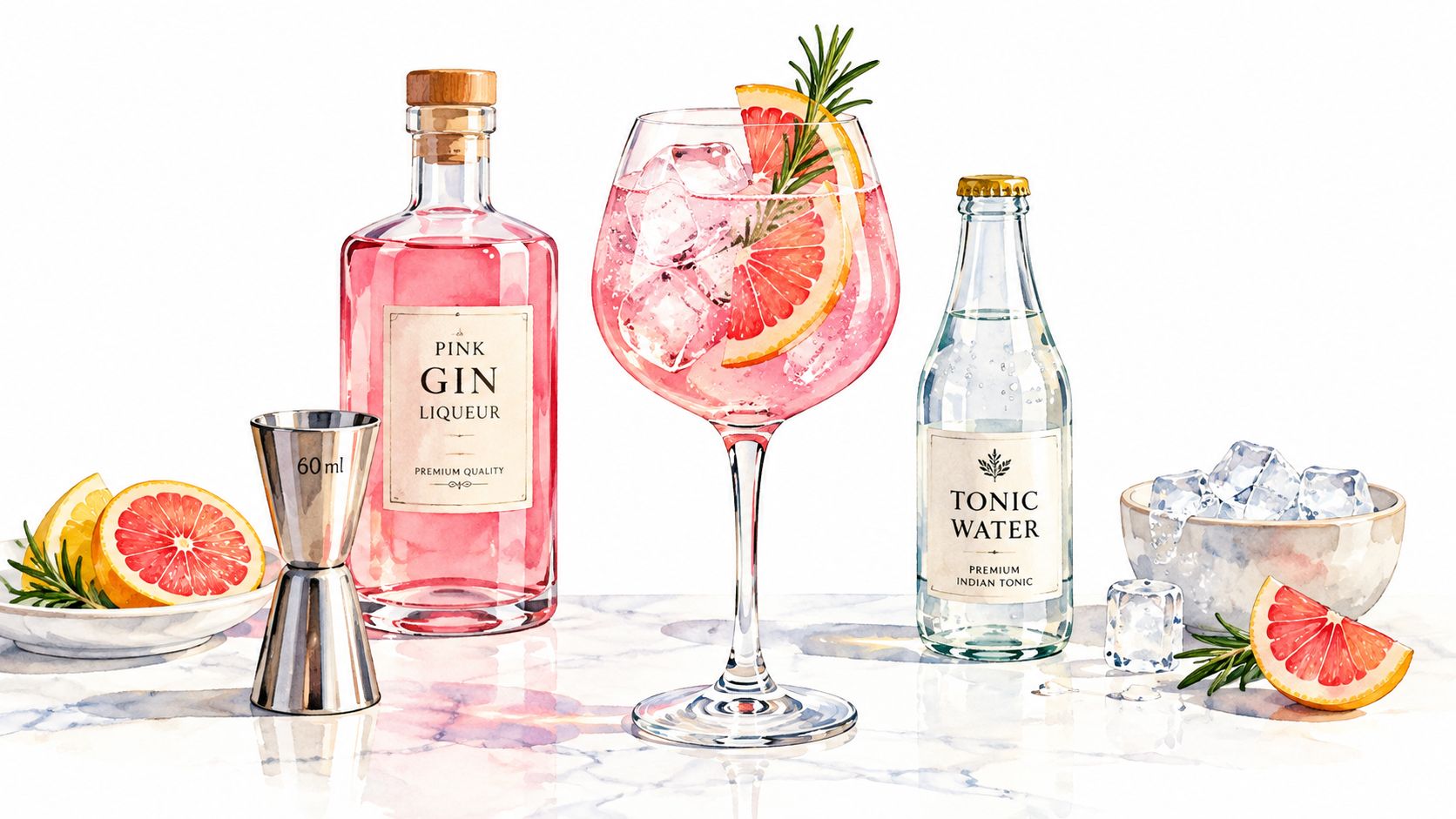
The half-tonic pour
This is one of the simplest answers to what gin liqueur is used for. Fill a large wine glass or copa with solid ice, pour in the liqueur, then top with tonic. A citrus wheel is usually enough garnish.
What makes it work is forgiveness. Dry gin and tonic can go sharp if the ratio is off or the tonic is too bitter. Gin liqueur gives you more cushion, so even a casual free-pour tends to land in a pleasant place.
Prosecco top-up for pre-dinner drinks
When people say they don't want anything too strong, this is often the serve they mean. Add gin liqueur to a chilled glass and top with dry prosecco. If you want more length, a splash of soda helps.
Australian commentary around gin has also started to frame these lighter serves more clearly. Coverage of the category points to spritz-style drinks, half-tonic serves and on-the-rocks drinking, which is useful because many readers aren't really asking for another cocktail recipe. They're asking what to pour before dinner that feels easy and polished.
A quick visual demo helps if you want to see the style in action.
Long summer spritz
For warmer days, use a bigger serve with more lift:
- Start with cubed ice in a balloon glass or large wine glass
- Add gin liqueur first so it chills properly
- Pour in a little soda for brightness
- Top with prosecco
- Match the garnish to the bottle. Rosemary suits orange or herb-led styles, while thyme works well with berry and floral bottles
Food helps here too. A salty bite keeps the sweetness in check.
- Olives work with citrus and herb-led bottles
- Marinated feta suits floral and elderflower styles
- Charcuterie can handle darker berry or sloe-based bottles
Dessert Pairings and Simple Culinary Uses
Gin liqueur isn't only for the drinks trolley. Some bottles are almost made for the dessert table, especially when the flavour profile leans berry, citrus or floral.
What to pour with dessert
Start with simple pairings before you cook with it. A dark, sloe-style gin liqueur works nicely beside chocolate tart because the fruit and slight bitterness stop the dessert from feeling too heavy. Blood orange styles can sit neatly with panna cotta. Elderflower or lemon-led expressions are easy partners for pavlova or lemon cake.
That's often the answer for readers asking what gin liqueur is used for if they don't really make cocktails. It can be a dessert pour, plain and simple. A small glass over ice can do the same job a sticky dessert wine or fruit liqueur might do, just with more botanical lift.
Three easy kitchen uses
If you do want to take it into the kitchen, keep the applications small and practical.
- Reduction for ice cream. Add a little gin liqueur to a small pan and warm it gently until it thickens slightly. Spoon it over vanilla ice cream or poached fruit.
- Macerated berries. Toss strawberries or mixed berries with a splash of gin liqueur and leave them briefly before serving.
- Pan sauce lift. After cooking pork or duck, use a small splash to deglaze the pan and pick up the caramelised bits.
A useful rule is to cook with bottles that still have enough spirit backbone to hold shape under heat. Very sweet, low-intensity styles often work better as finishing drizzles than as the main cooking liquid.
Keep the heat low when reducing gin liqueur. You want concentration, not burnt sugar.
Storage is straightforward. Once opened, keep the bottle sealed and away from heat and direct sun. If it's especially fruit-forward, some people prefer to refrigerate it for a fresher serve, though many bottles are perfectly fine in a cool cupboard.
If the culinary side interests you, this guide to crafting citrus liqueur gives a helpful sense of how sweetness, infusion and balance work in the wider liqueur world.
Gifting, Hosting and Occasion Buying
Gin liqueur has a big advantage as a gift. It feels special without demanding too much from the person receiving it. You don't need them to own a cocktail set, understand vermouth, or love juniper-heavy spirits. Most bottles are easy to enjoy with ice, tonic or sparkling wine.
That makes gin liqueur a smart choice for host gifts, housewarmings, Christmas hampers and casual celebrations. It also suits people who say they “like the idea of gin” but don't always enjoy a dry, bracing pour. In Australia, gin itself has become much more mainstream. Historical market reporting placed the Australian gin market at $547 million and 489,000 nine-litre cases in 2023, with a projected rise to $728 million by 2028 and a 5.91% CAGR in value terms, according to Just Drinks' analysis of the Australian gin market. That wider familiarity helps gift buyers because the base category no longer feels obscure.
Matching the bottle to the person
Not every recipient wants the same thing. A newer drinker may enjoy something fruity or floral. A seasoned gin fan may prefer something darker, more bitter or more botanical.
| Recipient Type | Recommended Style | Typical Price Range (AUD) | Best Occasion |
|---|---|---|---|
| New to gin | Pink, elderflower, berry-led | Varies by producer and retailer | Housewarming or casual host gift |
| Cocktail fan | Sloe, rhubarb, blood orange | Varies by producer and retailer | Dinner party or festive season |
| Dessert lover | Sloe, orange-spice, floral citrus | Varies by producer and retailer | Birthday or after-dinner gift |
| Design-focused buyer | Native-botanical or limited release | Varies by producer and retailer | Thank-you gift or celebration |
Buying cues that actually help
When you're choosing a bottle, these signs tend to matter more than hype:
- Look at the flavour first. The front label usually tells you more than the brand story.
- Check whether the bottle looks gift-ready. A decorative stopper, illustrated label or boxed release can save you extra wrapping.
- Think about how they'll drink it. If they're not a cocktail person, buy something that works over ice or with tonic.
For weddings, engagements and hosted events, gift planning can get messy quickly. If you're coordinating presents or looking at favour alternatives, a streamlined registry platform for hosts can help keep the practical side organised while you choose bottles that feel personal.
There's also a flavour angle worth noticing in the local market. Australian spirits commentary has pointed to buyers who seek native ingredients such as lemon myrtle and finger lime, while also noting some fatigue around repeated flavour releases and price sensitivity in this discussion of Australian gin trends and gifting behaviour. That's another reason occasion matters. People are often buying the bottle for the mood, the flavour story and the recipient, not just for the category label.
Matching Gin Liqueur to Your Next Occasion
You get home on a Friday, open the cupboard, and spot that half-finished bottle of gin liqueur. The usual question is, what do I mix this with? A better question is, what sort of night is this?
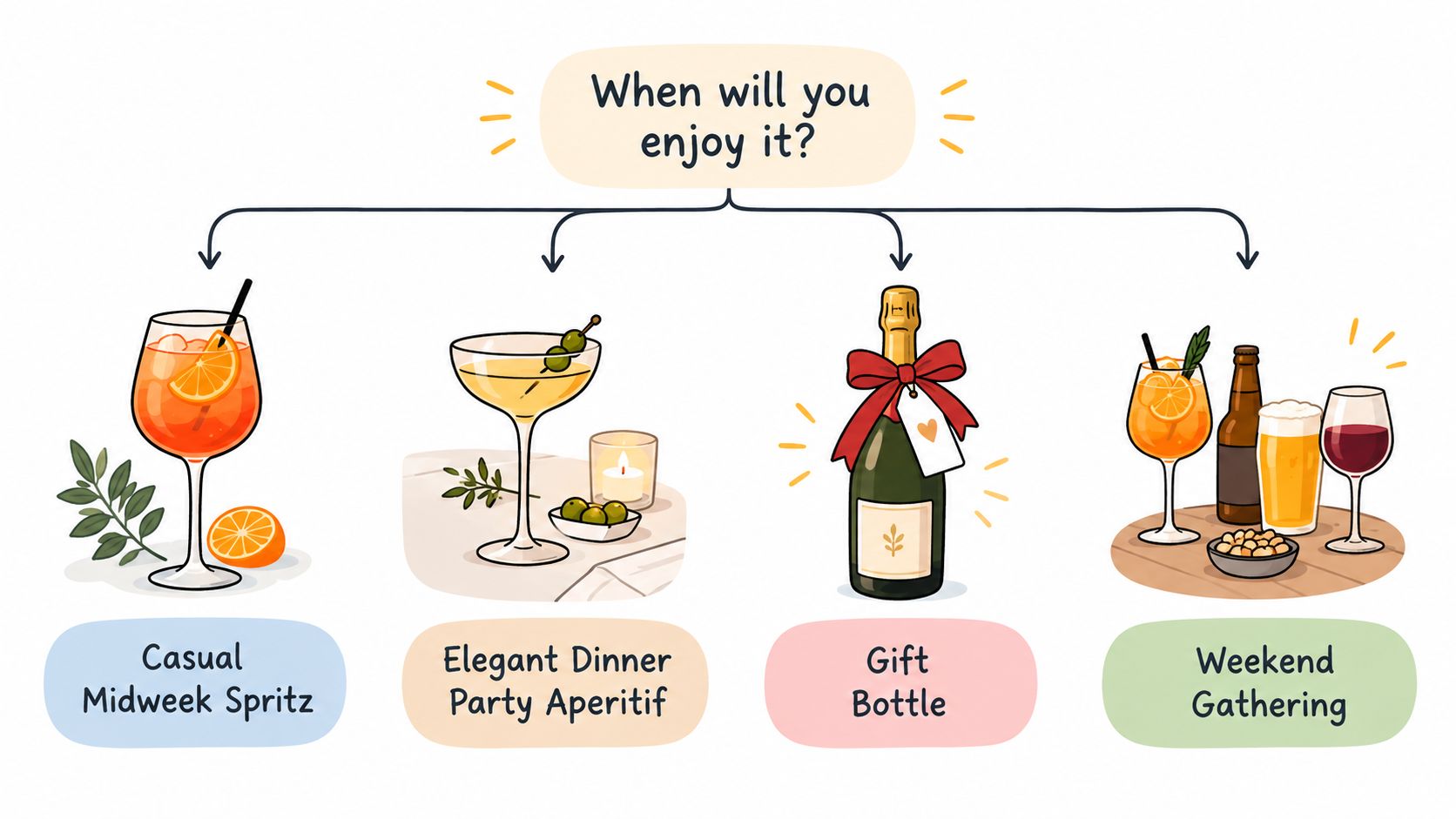
That shift helps straight away. Gin liqueur often gets lumped in as "sweet gin", but that misses the point. One bottle can suit a light pre-dinner spritz, a small after-dinner pour, a dessert shortcut, or a present for someone who likes pretty, easy-drinking spirits. The occasion tells you more than the category name.
Four common occasions
- Easy midweek drink. Choose citrus, elderflower or other bright floral flavours. They work well with soda, tonic or a splash of sparkling wine when you want something light and low-effort.
- Pre-dinner aperitif. Pick a bottle with orange peel, herbs or a gentle bitter edge. It should wake up the palate rather than feel sticky. Pour it long over ice in a wine glass and add a fizzy mixer.
- After-dinner sip. Berry, sloe and spiced styles usually fit better here. They drink more like the spirit equivalent of jam or poached fruit. Smaller pours make more sense than big glasses.
- Gift or hosting bottle. Start with the person or the guest list. Fruity and floral styles are easier crowd-pleasers, while darker, richer or more savoury bottles suit someone who already knows their way around gin.
A simple way to stock it
For a home bar, you usually do not need a whole collection. One flexible bottle, often citrus, berry or floral, will cover the moments that come up most often. A spritz before dinner, a tonic on the balcony, or a small pour next to dessert can all come from the same shelf bottle.
If you also buy bottles as presents, keep a second type in mind. Look for something with stronger packaging, a more distinctive flavour, or a limited feel. You can browse the McLaren Vale Cellars range and narrow it down by moment first: aperitif, dessert pour, easy mixer, or gift. That approach is simpler than chasing trends, and it usually leads to a bottle that gets opened.


Comments (0)
There are no comments for this article. Be the first one to leave a message!