
When you hear someone describe a white wine as "dry," they aren't talking about a mouth-puckering sensation. It's actually a technical term, and it’s all about sugar.
Simply put, a dry white wine is one with very little to no sweetness left after the winemaking process. This happens because the yeast used in fermentation has been allowed to eat up nearly all the natural sugars from the grape juice, converting them into alcohol. What you're left with is a wine that feels crisp and refreshing on the palate, rather than sweet.
So, What Really Makes a White Wine Dry?
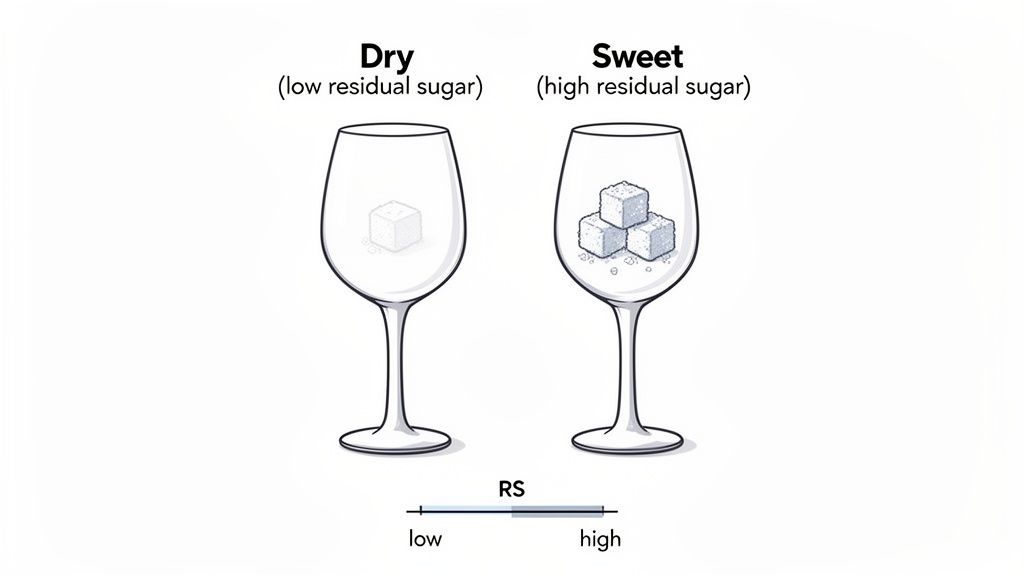
The secret lies in something called residual sugar (RS). This is the small amount of natural grape sugar that remains in the wine once fermentation stops.
Think of it like this: when you brew a cup of tea, it’s naturally "dry" or unsweetened. If you add a spoonful of sugar, it becomes noticeably sweeter. In winemaking, the winemaker decides how much sugar the yeast consumes. For a dry wine, they let the yeast feast until almost all the sugar is gone.
Understanding Residual Sugar Levels
Winemakers measure residual sugar in grams per litre (g/L). While everyone’s palate is a bit different, there are some generally accepted guidelines that help us know what to expect from a bottle.
Generally, a wine is considered dry if it has less than 4 g/L of residual sugar. Some wines with higher acidity can have up to 9 g/L and still taste dry because the crispness balances out any hint of sweetness.
The less residual sugar, the drier the wine. It's that simple. This is what separates a zesty Sauvignon Blanc from a luscious, sweet dessert Riesling.
This crisp, refreshing style is perfect for our warm Australian summers, especially when paired with fresh seafood or a vibrant salad. Here in South Australia's McLaren Vale, a prime spot for premium whites, winemakers craft some truly exceptional dry styles, with Chardonnay being a real standout.
The Full Spectrum of Sweetness
To really get a handle on "dry," it helps to see where it sits on the complete wine sweetness scale. The table below breaks it down, helping you visualise the difference between a bone-dry wine and a truly sweet one.
Wine Sweetness Levels at a Glance
This table breaks down wine sweetness based on residual sugar, helping you see exactly where 'dry' fits on the spectrum.
| Sweetness Level | Residual Sugar (grams/litre) | Common Wine Examples |
|---|---|---|
| Bone-Dry | < 1 g/L | Brut Nature Champagne, some Sauvignon Blancs |
| Dry | 1–10 g/L | Most Chardonnay, Pinot Grigio, Fiano |
| Off-Dry | 10–35 g/L | Some Rieslings, Gewürztraminer |
| Sweet | 35–120 g/L | Sauternes, many late-harvest Rieslings |
| Very Sweet | > 120 g/L | Ice Wine, Tawny Port, some Muscats |
As you can see, the gap between a dry and a sweet wine is massive, and it all boils down to that final sugar count. For a more detailed comparison, check out our article on the key differences between dry and sweet white wines.
The Winemaking Secrets Behind Dryness and Flavour
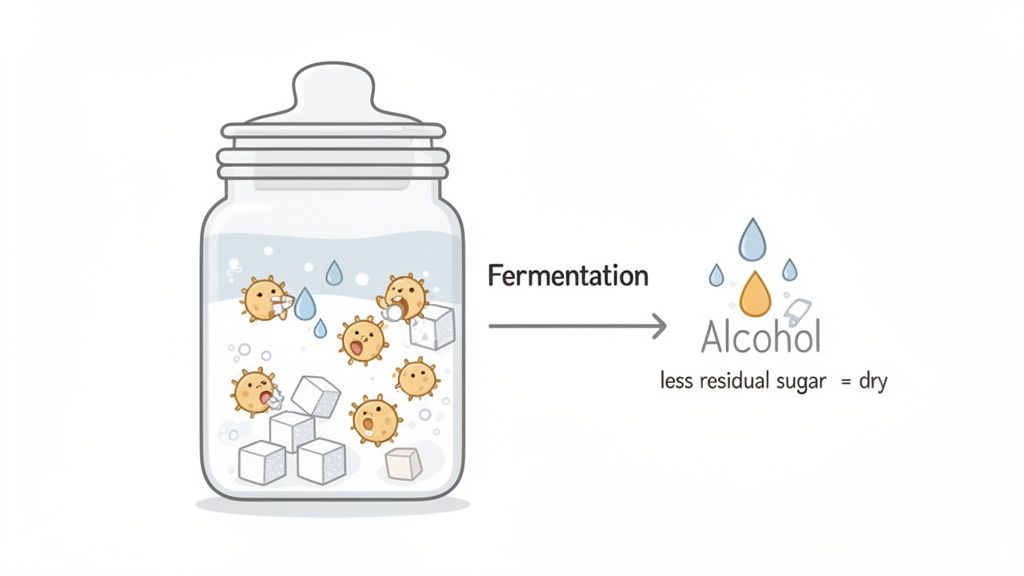
The journey from a sweet, plump grape to a bone-dry white wine is a fascinating transformation that happens entirely in the winery cellar. The key to unlocking this magic is fermentation, a natural process driven by microscopic, sugar-loving workers: yeast.
Think of yeast as tiny little engines that eagerly consume the natural sugars found in freshly pressed grape juice. As they feast, they produce two crucial byproducts: alcohol and carbon dioxide. To craft a properly dry white wine, the winemaker simply lets these yeast cells work their magic until they've consumed virtually all the available sugar, leaving very little sweetness behind.
It's a delicate balancing act. A winemaker might decide to stop the fermentation early to create an off-dry or even sweet wine. But for classic styles like a crisp Sauvignon Blanc or Pinot Grigio, the goal is to let the yeast finish the job completely.
Beyond Sweetness: The Role of Acidity
While having very little sugar is the technical definition of dryness, another element plays a massive role in how we actually perceive it: acidity. Acidity is that vibrant, mouth-watering quality that makes a wine feel crisp, zesty, and utterly refreshing.
It’s like squeezing a fresh lemon wedge over a piece of grilled fish. That hit of citrus brightens and lifts all the other flavours, making the whole dish feel lighter and more dynamic. In wine, high acidity does something very similar, cutting through richness and amplifying the wine’s zesty character.
A wine can technically have a few grams of residual sugar, but if it also has high acidity, it will still taste wonderfully dry and brisk on your palate. That's because the tartness from the acidity balances out any hint of sweetness, creating a clean, refreshing finish. It's this beautiful interplay that gives a great dry white wine its signature crispness.
A common point of confusion is that mouth-puckering sensation some wines cause. This "drying" feeling isn't related to sugar levels at all; it's caused by tannins, compounds found in grape skins and seeds that are much more prominent in red wines.
How Winemakers Control the Outcome
Winemakers have a few tricks up their sleeve to achieve the perfect balance of dryness and flavour, ensuring every bottle perfectly matches their intended style.
- Yeast Selection: Not all yeast is created equal. Different strains work at different speeds and can tolerate various alcohol levels, directly influencing the final sugar content.
- Temperature Control: Fermenting at cooler temperatures, often in stainless steel tanks, is crucial. This technique helps preserve the delicate floral and fruit aromas that are the hallmark of crisp, dry white wines.
- Harvest Timing: This is one of the most important decisions. Grapes picked earlier in the season naturally have higher acidity and lower sugar levels, setting the stage for a drier, more vibrant wine from the very beginning.
By understanding these cellar secrets, you start to see dry white wine from a winemaker's perspective. It’s not just about what’s absent (sugar), but also about what’s present: bright acidity and carefully preserved flavours that make every sip a refreshing experience.
A Guided Tour of Popular Dry White Wines
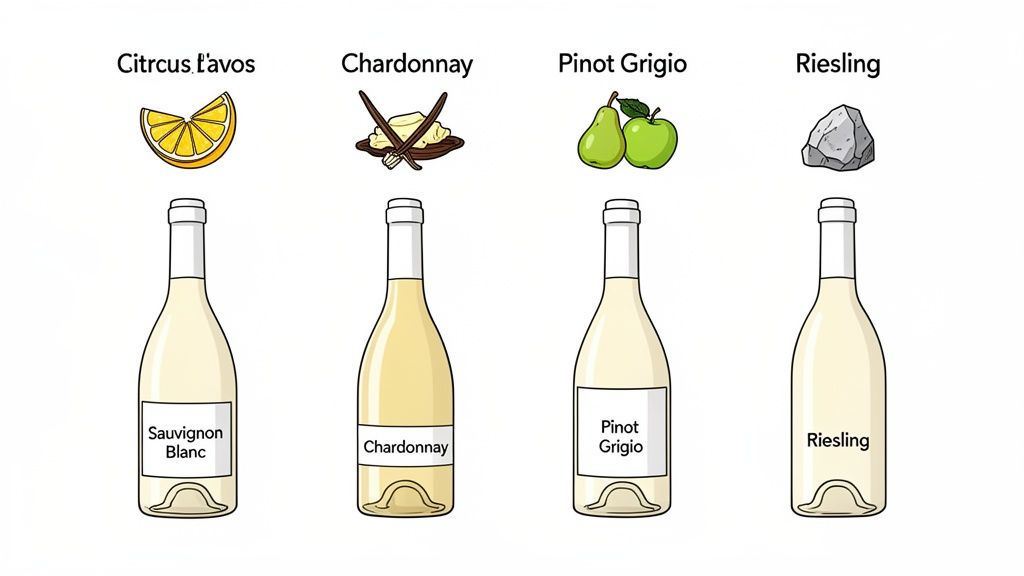
Alright, you've got the theory down. Now for the fun part: meeting the wines themselves. The world of dry white wine is huge, and every grape variety brings something different to the table.
Think of these grapes as actors, each with a unique personality. Getting to know the main players is the best way to figure out what you truly enjoy. From zesty and vibrant to rich and creamy, there’s a dry white wine for every taste. Let's meet some of the stars of the show.
Sauvignon Blanc
Here in Australia, we often call it "Savvy B," and for good reason—it’s the life of the party. Sauvignon Blanc is famous for its zinging acidity and aromas that jump right out of the glass. You can't miss it. Expect a blast of passionfruit, gooseberry, freshly cut grass, and a sharp hit of lime.
It’s a bright, crisp, and refreshing wine that’s practically made for a sunny afternoon. The versions from cooler spots, like the nearby Adelaide Hills, often lean into a more elegant, mineral-driven style. That sharp acidity makes it an absolute winner with seafood, salads, and goat cheese.
Chardonnay
Chardonnay is the ultimate chameleon of the wine world. It can be made in two main ways: unoaked or oaked. When fermented in stainless steel tanks, you get an unoaked Chardonnay that's crisp and clean, tasting of green apple, lemon, and pear.
But when aged in oak barrels, it transforms. An oaked Chardonnay develops a richer, creamier body with complex flavours of butter, vanilla, and toasted nuts. This is the style that gave Chardonnay its full-bodied reputation. McLaren Vale is producing some incredible examples that find a beautiful middle ground, balancing rich fruit with lively freshness. They're perfect with a roast chicken or a creamy pasta dish.
Don't let one bad experience with an overly buttery Chardonnay from the past scare you off. Today's Aussie winemakers are crafting beautifully balanced styles, where the oak supports the fruit instead of overpowering it, creating complexity without the clunkiness.
Pinot Grigio
If Sauvignon Blanc is the loud one at the party, Pinot Grigio is its cool, calm, and collected cousin. Known for being light-bodied with subtle, delicate flavours, this wine is all about effortless refreshment.
The flavours are gentle—think pear, white nectarine, and maybe a little hint of almond or honeydew. It's a wonderfully straightforward and easy-drinking wine that doesn't demand all your attention, making it perfect for a casual catch-up. Serve it well-chilled with some light nibbles or simple grilled fish.
Dry Riesling
While Riesling is legendary for its sweet dessert wines, the dry styles are absolutely electric. A dry Riesling is all about its piercing acidity and intense aromatics, often bursting with lime, green apple, jasmine, and a hallmark wet-stone minerality.
South Australian regions like the Clare and Eden Valleys are famous for producing world-class dry Rieslings that can age for decades. With a bit of time in the cellar, they develop incredible honeyed and toasted notes. This style is a brilliant match for spicy Asian food; its crispness cuts through the heat and cleanses the palate perfectly.
To help you get a clearer picture of these key players, here’s a quick comparison.
Comparing Popular Dry White Wine Styles
This table gives you a snapshot of what to expect from each of these popular grape varieties, from their signature flavours to what to serve them with.
| Grape Variety | Typical Flavours & Aromas | Acidity Level | Best Paired With |
|---|---|---|---|
| Sauvignon Blanc | Gooseberry, passionfruit, lime, freshly cut grass | High | Seafood, goat cheese, salads, light chicken dishes |
| Chardonnay | Green apple, lemon (unoaked); Butter, vanilla (oaked) | Medium | Roast chicken, creamy pasta, richer fish dishes |
| Pinot Grigio | Pear, white nectarine, almond, citrus | Medium | Light appetisers, grilled fish, salads, sushi |
| Dry Riesling | Lime, green apple, jasmine, wet-stone minerality | High | Spicy Asian cuisine, pork, shellfish |
This is just the starting point, of course. The best way to learn is by tasting, so don't be afraid to grab a few different bottles and see which personality you connect with most.
If you're ready to explore some top-rated bottles and find your next favourite, you can discover more of the best dry white wines in Australia in our comprehensive guide.
Discovering the Unique Dry Whites of McLaren Vale
When you think of McLaren Vale, chances are your mind wanders to a powerful glass of Shiraz or a bold Cabernet Sauvignon. And for good reason—our reds are world-famous. But there’s a quiet revolution taking place in the vineyards, and it’s all about dry white wine.
Step out of the red wine spotlight for a moment, and you’ll discover a thrilling alternative: crisp, flavourful, and utterly refreshing whites that are quickly making a name for themselves.
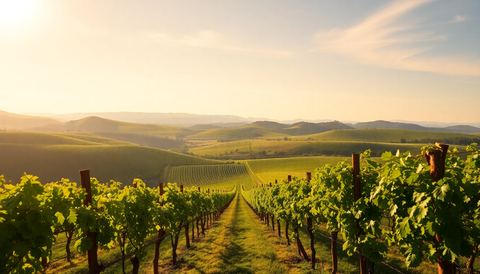
The secret weapon here is our unique geography. McLaren Vale is perfectly positioned between the Mount Lofty Ranges and the Gulf St Vincent, giving us a classic Mediterranean climate. The warm, sunny days allow white grapes to build up gorgeous, complex flavours. Then, like clockwork, cooling afternoon sea breezes roll in, preserving the natural acidity that is the absolute backbone of a great dry white wine.
This perfect dance of sun and sea creates wines that are both flavour-packed and incredibly vibrant—a balance many wine regions can only dream of.
The Rise of Alternative Varieties
While Chardonnay is still a major player, many of our local winemakers are getting behind "alternative" grape varieties that just feel right at home in our coastal climate. Grapes like Fiano and Vermentino, with their Italian roots, have found a new home here. They absolutely thrive in the warmth, producing wines with brilliant texture, bright acidity, and intriguing flavours of citrus, pear, and savoury herbs.
These aren't just quirky novelties; they show off the innovative spirit of McLaren Vale. Winemakers are pushing beyond the classics to craft unique dry whites that genuinely express the character of this special place. It's this forward-thinking attitude that's putting our region on the map for more than just its iconic reds.
McLaren Vale's white wines showcase the region's incredible versatility. They prove that the same terroir that produces world-class Shiraz can also yield elegant, aromatic, and bone-dry whites with a distinct personality.
A Small but Mighty Category
You can see this focus on innovation in the production numbers. Although historically a red-grape stronghold, the region’s whites are earning some serious praise. While white varieties only made up 9% of the 2022-23 harvest, that small slice of the pie is bursting with quality and diversity. Chardonnay takes up about a third of that, leaving plenty of room for exciting alternatives like Fiano and Vermentino to shine and prove just how adaptable our region is. You can read more about this trend in Wine Companion's feature on McLaren Vale's alternative whites.
This focus on quality over quantity is exactly what makes these wines so special. Whether it’s a classic, beautifully balanced Chardonnay or a zesty, textural Vermentino, the dry white wines from this corner of South Australia are a delicious journey of discovery. They are the hidden gems of McLaren Vale, and exploring them reveals a whole new side to our winemaking story.
How to Serve and Taste Dry White Wine Like an Expert

Getting the best out of your dry white wine is simpler than you might think. It’s not about following stuffy rules, but a few small tweaks can make a world of difference, allowing the wine’s true character to shine.
Honestly, the most important step is getting the temperature right. Serve a wine too cold, and you’ll numb all its delicate aromas and flavours. Serve it too warm, and the alcohol can taste a bit harsh and clumsy. The goal is to find that perfect sweet spot right in the middle.
Finding the Ideal Serving Temperature
Different styles of dry white wine come alive at slightly different temperatures. Lighter, zestier wines love a proper chill, while richer, more complex wines need a little less cold to really open up and show you what they’ve got.
- Light-Bodied Whites (6-8°C): For crisp, high-acidity wines like Sauvignon Blanc, Pinot Grigio, and a dry Riesling, think fridge-cold. This keeps them wonderfully fresh and preserves those vibrant, zesty aromatics.
- Full-Bodied Whites (10-13°C): For richer styles like an oaked Chardonnay or Fiano, a slightly warmer temperature is much better. Serving them a touch less chilled allows their complex notes of vanilla, butter, and ripe fruit to come forward.
Here's a pro tip I use all the time: pull your light-bodied whites out of the fridge about 15 minutes before you pour. For the fuller-bodied bottles, give them around 30 minutes to warm up just a touch.
The Four Steps to Tasting Wine
Once your wine is at the right temperature, it’s time for the fun part. Tasting properly isn’t about being pretentious; it’s simply about paying attention and noticing all the incredible details hiding in your glass.
Just follow this simple four-step process. It will completely change how you appreciate your wine.
-
Look: Tilt your glass against a white background, like a napkin. What colour do you see? Is it pale straw, a lemony-yellow, or a deeper gold? The colour alone can give you clues about the wine's age and style.
-
Swirl: Give the wine a gentle swirl in the glass. This simple action gets some air into the wine, which helps release all its aromatic compounds. It’s like waking it up.
-
Smell: Now, get your nose right into the glass and take a good sniff. What aromas pop out? Don’t be shy. Try to name what you’re smelling—is it zesty citrus, green apple, tropical passionfruit, or maybe something floral?
-
Sip: Finally, take a small sip and let it wash over your entire tongue. Think about the flavours, feel the acidity, and notice the texture of the wine in your mouth. This whole process helps you understand and enjoy your dry white wine on a much deeper level.
Effortless Food Pairings for Your Favorite Dry Whites
The right food can turn a great dry white wine into something truly spectacular. The secret lies in balance—thinking about how the wine’s personality can either complement or contrast with the flavours on your plate. It's less about strict rules and more like a conversation where the wine and food bring out the absolute best in each other.
The easiest place to start is matching weight with weight. Lighter, zippier wines like Sauvignon Blanc or Pinot Grigio are brilliant with delicate dishes. On the other hand, richer, more full-bodied styles like an oaked Chardonnay can hold their own against more robust flavours.
Classic Matches Made Easy
Pairing doesn't have to be intimidating. That refreshing high acidity in many dry whites is your best friend in the kitchen—it acts just like a squeeze of lemon, cutting through richness and cleansing your palate between bites.
Here are a few can't-miss combinations:
- Sauvignon Blanc: Its zesty, herbaceous streak is a perfect match for goat cheese, grilled asparagus, and fresh seafood like oysters or prawns.
- Chardonnay (Oaked): The creamy texture and buttery notes are a dream alongside roast chicken or rich, creamy pasta dishes. For some great ideas, check out these effortless weeknight chicken meals.
- Pinot Grigio: With its delicate fruit flavours, this wine is made for light appetisers, simple grilled fish, and fresh, crisp salads.
- Dry Riesling: That beautiful high acidity, often with just a whisper of sweetness, is an incredible partner for spicy Asian cuisine. It has a knack for taming the heat perfectly.
At the end of the day, the most important rule is to drink what you enjoy with the food you love. If a pairing tastes great to you, then it’s the right one.
When it comes to McLaren Vale's unique whites like Fiano or Vermentino, their texture and savoury qualities make them incredibly versatile at the dinner table. Think about pairing them with a seafood risotto, grilled halloumi, or a Mediterranean-inspired chicken dish.
For a deeper dive, our comprehensive guide to pairing dry white wines with seafood, pasta, and chicken is packed with even more inspiration.
Your Dry White Wine Questions Answered
Let's wrap things up by tackling a few of the most common questions that pop up when people start exploring the world of dry white wine. Think of this as your go-to cheat sheet to clear up any lingering curiosities.
Is Chardonnay Always a Dry White Wine?
Not always, but the vast majority of the time, yes. Most Chardonnay you'll come across is fermented completely dry, letting those classic fruit flavours—from green apple right through to pineapple—take centre stage.
You might find a hint of sweetness in some very inexpensive, mass-produced styles designed to appeal to the broadest possible palate. The key takeaway, though, is that Chardonnay is an incredibly versatile grape. When you pick up a quality bottle from a region like McLaren Vale, you can feel confident you're getting a beautifully dry white wine.
How Can I Tell if a Wine Is Dry Just from the Label?
This can be a bit tricky, as most labels won't spell out the residual sugar for you. But with a little detective work, you can find some excellent clues.
- Alcohol Content: A higher alcohol percentage, typically 12.5% ABV or more, is a strong hint. It suggests the yeast has been busy converting nearly all the sugar into alcohol, leaving behind a drier wine.
- Regional Clues: Wines from classic Old World regions famous for their dry styles are usually a safe bet. Think Sancerre (made from Sauvignon Blanc) or Chablis (a lean style of Chardonnay).
- Winery Notes: Flip the bottle over and check the back label. If you see words like "crisp," "vibrant," "zesty," or "mineral," you're almost certainly looking at a dry style.
How Long Does an Open Bottle Last?
Once you've popped the cork, a bottle of dry white wine will stay fresh in the fridge for about 3 to 5 days. Just make sure you seal it up properly with its cork or a good stopper.
Keep in mind that lighter-bodied wines like a zippy Pinot Grigio might lose their bright, fresh character a bit faster than a richer, more robust Chardonnay.
Ready to put your new-found knowledge to the test? Explore a curated selection of exceptional dry white wines, from classic Chardonnay to exciting Fiano, at McLaren Vale Cellars. Discover your next favourite bottle today and enjoy free Australia-wide delivery on orders over $100. https://www.mclarenvalecellars.com
Comments (0)
There are no comments for this article. Be the first one to leave a message!