
Upside Down Sauvignon Blanc is a value-tier New Zealand Sauvignon Blanc sold in Australia, usually priced at A$9.99 to A$14.99 per bottle, with a light-bodied, passionfruit- and citrus-driven style. If you're standing in front of the shelf wondering whether it's a random cheap white or a smart everyday buy, the short version is that it's built to deliver familiar Marlborough-style freshness without asking premium-bottle money.
That's why this bottle catches people. The name is playful, the label is easy to spot, and the price sits in the part of the shelf where most shoppers start asking practical questions. Is it from New Zealand? Will it taste grassy and crisp, or thin and forgettable? Is it worth grabbing over another entry-level Sauvignon Blanc?
Those are good questions, because with a bottle like this the decision isn't only about flavour. It's about origin, freshness, price, and how much classic New Zealand Sauvignon Blanc character you want for the money. Once you know how to read those cues, Upside Down Sauvignon Blanc becomes much easier to judge.
What Upside Down Sauvignon Blanc Actually Is
You're in a bottle shop after work, looking along the cold white-wine shelf. One label looks casual, the price feels low-risk, and the question becomes simple. Is this a forgettable budget white, or a decent New Zealand Sauvignon Blanc for easy drinking?
Upside Down Sauvignon Blanc makes more sense if you place it in the group it is competing with. It sits in the broad pool of entry-level New Zealand Sauvignon Blancs sold through Australian retailers, alongside the many bottles shoppers buy for weeknight dinners, casual catch-ups, and last-minute fridge stocking. In other words, the comparison is not with oaked Chardonnay or softer Pinot Grigio. It is with the crisp, aromatic New Zealand style Australian drinkers already know.
That framing helps, because the name can distract from what the bottle is doing. “Upside Down” sounds playful, but the wine itself follows a familiar category script: a standard 750 mL Sauvignon Blanc made to be fresh, easy to recognise, and easy to pour. The closest analogy is supermarket olive oil. A flashy label may catch your eye first, but what matters is whether the bottle delivers the style you came for.
What the label is really promising
At a basic level, this bottle is promising recognisable Sauvignon Blanc character rather than complexity or prestige. That usually means a wine built for freshness, quick enjoyment, and broad appeal.
For a shopper, three cues matter most:
- Category cue: it belongs to the New Zealand Sauvignon Blanc set, a category known for bright fruit, tangy citrus, and herbal lift
- Use-case cue: it is aimed at casual drinking, not ageing, cellaring, or slow contemplation
- Expectation cue: you should expect a clean, straightforward expression of the grape, not a layered or region-specific statement wine
That last point is where some buyers get stuck.
A bottle can be simple without being poor. In the same way a good rotisserie chicken is not trying to be a fine-dining dish, an affordable Sauvignon Blanc does not need depth and drama to do its job well. It needs to be fresh, balanced, and true to type.
Who it is most likely to suit
Upside Down Sauvignon Blanc will usually appeal to shoppers who want a reliable style more than a memorable story.
That includes:
- Weeknight buyers who want something crisp to open with seafood, salads, or takeaway
- Value-focused shoppers choosing between several New Zealand Sauvignon Blancs on the same shelf
- Fans of classic NZ Sauvignon Blanc who care more about freshness and drinkability than brand prestige
The useful question is not “Is this special?” The better question is “Does this give me the kind of New Zealand Sauvignon Blanc I am in the mood for?”
If the answer you want is bright, easy, and uncomplicated, Upside Down Sauvignon Blanc is playing in the right lane.
Where the Wine Comes From and How It Is Made
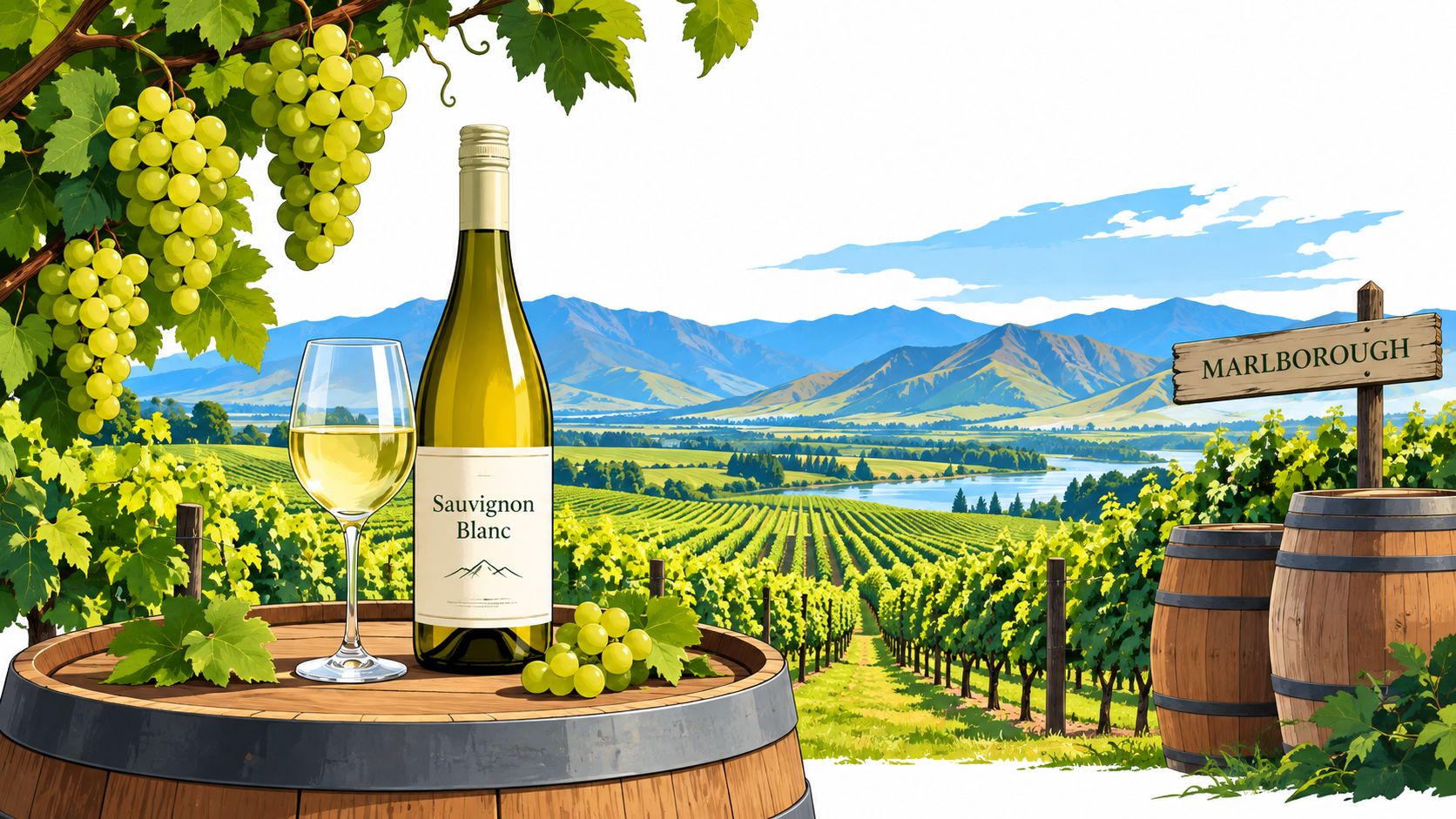
For Australian shoppers, the main origin clue is simple. Upside Down Sauvignon Blanc sits in the broad New Zealand Sauvignon Blanc camp, the same category that fills many bottle shop fridges because it offers bright flavour, easy refreshment, and a familiar style from one label to the next.
That broad New Zealand cue matters because it sets expectations before you even get to the grape-growing detail. A bottle labelled from all of New Zealand usually aims for consistency more than a single-region statement. In practical terms, that means it is less about saying “this is a precise slice of Marlborough” and more about saying “this is the crisp New Zealand Sauvignon Blanc style many shoppers already know.”
Why stainless steel matters
Retail descriptions for this wine point to cool fermentation in stainless steel. That is one of the clearest winemaking signals you can get on a shelf talker.
Stainless steel works like a plain glass container for fresh juice. It keeps outside flavours out. Oak barrels can add toast, vanilla, spice, or a creamy impression. Stainless steel does the opposite. It protects the grape's own aromas, which is why New Zealand Sauvignon Blanc made this way usually tastes sharp, lively, and aromatic.
If you want a simple explainer on the process behind that style, this guide on how white wine is made step by step shows why tank-fermented whites often come across as cleaner and more direct.
What that production style usually means in the bottle
Cool fermentation is also worth decoding. Fermenting at lower temperatures helps preserve delicate fruit and herbal aromas that can fade if the process runs too warm. For Sauvignon Blanc, those are often the very notes buyers want most.
So the likely winemaking message is straightforward:
- No clear oak flavour
- A fresh, youthful feel
- Fruit and green herbal notes kept front and centre
- A style intended for drinking young
You can also use the vintage and alcohol as small buying clues. A recent vintage in this category usually points to freshness rather than development, and alcohol around the low-to-mid 12% range suggests a bright, easy-drinking style rather than a rich or weighty white.
That helps place Upside Down in the wider New Zealand set Australians buy every day. If a shopper is comparing it with more region-specific bottles from Marlborough, Awatere Valley, or Wairau Valley, this wine reads as a broader category expression. The trade-off is simple. You may get less regional detail, but you often get a dependable style and an easier price point.
In other words, the winemaking here is built to preserve what people like about New Zealand Sauvignon Blanc in the first place: freshness, aromatic lift, and clean drinking while the wine is still young.
Tasting Profile You Can Expect in the Glass
You pull this off the shelf expecting the familiar New Zealand Sauvignon Blanc hit. The useful question is not whether it smells "fruity" or "herbaceous." It is whether the wine delivers the crisp, mouth-watering shape Australian shoppers usually want from this category.
In the glass, expect a pale white with a green tint and a bright, lifted nose. The fruit usually sits in the zesty end of the spectrum rather than the ripe, juicy end. You may notice scents that suggest squeezed lime, grapefruit pith, fresh-cut herbs, and a faint tropical note in the background. That last part matters. It keeps the wine from feeling too sharp or severe.
What the aroma is telling you
A Sauvignon Blanc like this often opens in layers. First comes the high-toned citrus lift. Then a greener note appears, more like torn snow peas, fresh herbs, or capsicum skin than anything sweet. If you are new to New Zealand Sauvignon Blanc, that green edge can be surprising at first, but it is part of the style's signature, much like bitterness is part of tonic water.
The easiest way to read the nose is to ask one simple question. Does it smell brisk and refreshing, or soft and mellow? Upside Down should sit firmly in the brisk camp.
How it tends to feel on the palate
The palate is where this wine makes its case. Expect light to medium body, high acidity, and a quick, clean line from front to back. Acidity is the main engine here. It works like a squeeze of lemon over grilled fish. It sharpens the flavour, keeps the fruit feeling fresh, and makes the next sip easy.
That structure also helps explain the finish. You are not looking for deep texture or slow-building complexity. You are looking for a crisp exit, a little citrus zest, and a faint herbal snap that clears the mouth. If the wine is served at the right temperature, it should finish tidy rather than broad or oily.
A simple way to picture it is this. Chardonnay often spreads across the palate like cream on toast. Sauvignon Blanc moves more like a line of lime juice. It is narrower, brighter, and more about refreshment than weight.
What happens with food
This style usually improves at the table because the acidity acts like a reset button between bites. Salty food makes the fruit seem a touch rounder. Goat's cheese softens the herbal edge. Oysters, prawns, or white fish let the citrus side show more clearly.
Spicy food needs a little care. If the dish is very hot, the acid can make the burn feel stronger. Mild chilli, fresh Asian herbs, and simple seafood dishes are a safer match than heavy cream sauces or rich roast chicken.
What not to expect
Use this bottle for freshness and easy drinking. Skip it if you want:
- Oak spice or vanilla
- A creamy, buttery texture
- A long, layered finish
- Extra bottle age or cellar potential
That buying frame helps place it inside the wider New Zealand category Australians already know. If you want a bright, young, weeknight Sauvignon Blanc with a clean finish and good food friendliness, this is the style it is aiming for.
How It Compares to Other New Zealand Sauvignon Blancs
The easiest way to judge Upside Down Sauvignon Blanc is not to ask whether it competes with prestige Marlborough bottles. It doesn't need to. A better question is whether it gives you enough classic New Zealand Sauvignon Blanc character for its shelf position.
That means comparing it by price band, intensity, and freshness, not by romantic ideas about vineyard fame. In the Australian market, Upside Down sits in the practical-buy zone. It's the kind of bottle shoppers weigh against other mainstream New Zealand labels when they want something crisp and familiar without moving into the more expensive end of the aisle.
Upside Down vs. Common NZ Sauvignon Blanc Labels
| Label | Typical AU Price (A$) | Origin | Flavor Intensity | Freshness Score |
|---|---|---|---|---|
| Upside Down Sauvignon Blanc | 9.99 to 14.99 | New Zealand | Moderate | High |
| Oyster Bay | Higher shelf tier than Upside Down | New Zealand | Moderate to high | High |
| Brancott Estate | Mainstream New Zealand | New Zealand | Moderate | High |
| Starborough | Mainstream New Zealand | New Zealand | Moderate to high | High |
The table stays qualitative for the comparison labels because shelf pricing and exact spec details vary by retailer, but the pattern is useful. Upside Down is the value play. It aims to land the category markers cleanly rather than stretch for extra depth or prestige.
Where the bottle tends to sit stylistically
Compared with better-known New Zealand names, Upside Down often reads as the more straightforward option. Think less “statement bottle”, more “reliable fridge white”.
A few cues can help you place it:
- Fruit-first profile: It leans comfortably into passionfruit and citrus.
- Approachable structure: It's unlikely to push hard into aggressive herbal intensity.
- Value framing: The bottle is trying to overdeliver on drinkability, not complexity.
For shoppers exploring the category more broadly, this overview of New Zealand Sauvignon Blanc and Pinot Noir is useful for understanding where entry-level and more characterful labels tend to separate.
A simple buying framework
When you compare Upside Down with other New Zealand Sauvignon Blancs, ask:
- Does it smell recognisably Kiwi? You want clear fruit and herbal lift.
- Is the price doing real work? In the lower tier, value matters as much as polish.
- Is freshness the main goal? If yes, this style is in the right lane.
If you want the category in its cleanest everyday form, a value-label New Zealand Sauvignon Blanc can be a smarter buy than a more expensive bottle you open without noticing the difference.
That's the core comparison. Upside Down doesn't need to beat every Marlborough label. It only needs to justify itself as a fresh, easy, lower-cost version of a style people already enjoy.
Serving, Glassware and Food Pairings That Work
Upside Down Sauvignon Blanc rewards simple handling. This isn't a wine that needs ceremony. It needs the right chill, the right glass, and food that won't flatten its fresh fruit and herbal edge.
Best way to serve it
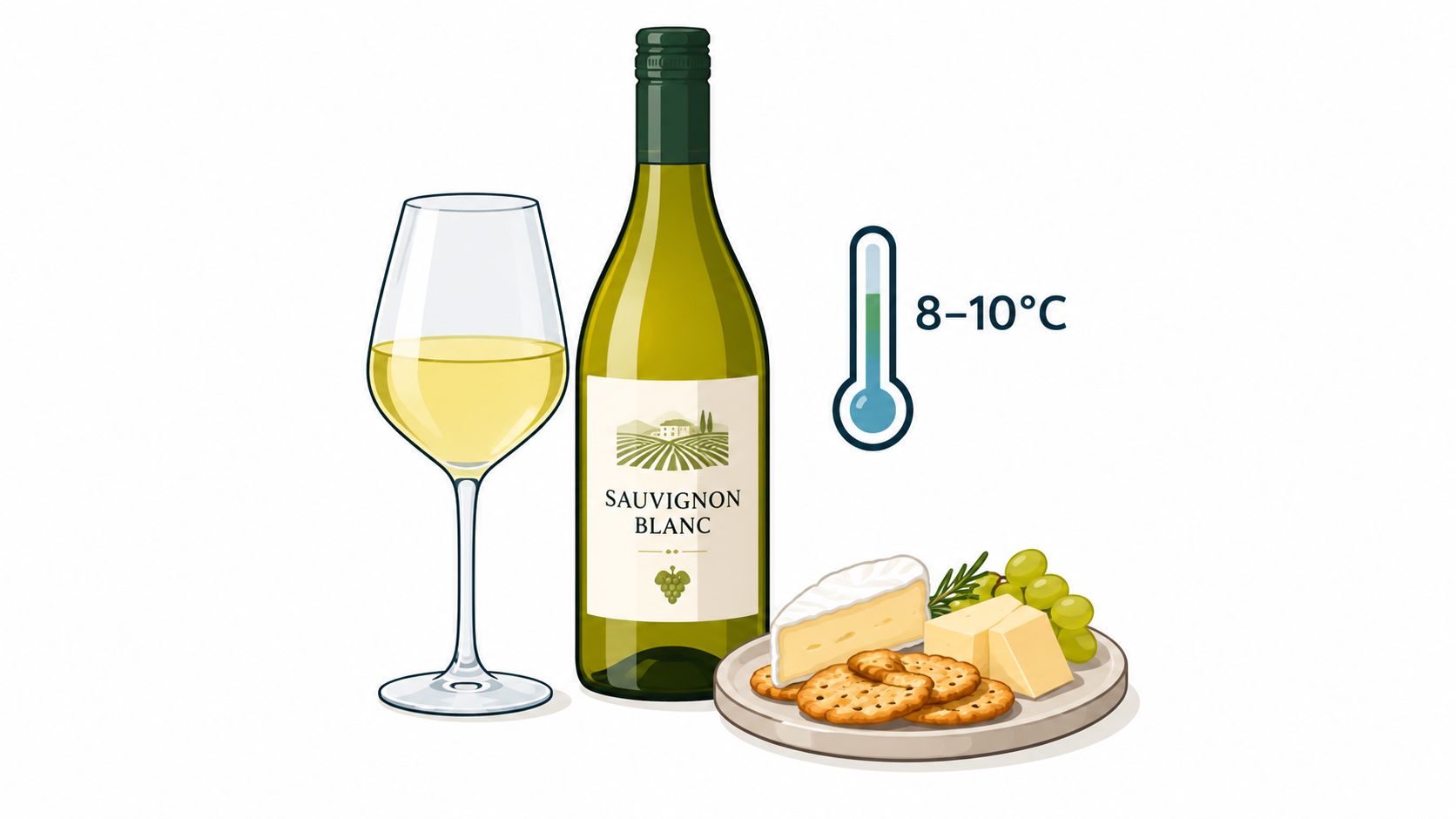
A good target is cold but not icy. Too cold, and the aromas hide. Too warm, and the crispness starts to blur.
Use a standard white wine glass with a slightly narrower bowl if you have one. That shape helps concentrate the passionfruit and citrus notes. You don't need to decant it. If anything, a brief minute in the glass is enough.
Foods that make sense with this style
This wine works best with dishes that echo its freshness rather than challenge it.
- Seafood: Oysters, prawns, grilled white fish and simple fish tacos all suit the citrusy, herbal profile.
- Salads and soft cheeses: Goat cheese, feta, green salads and lemony dressings play nicely with Sauvignon Blanc's natural zip.
- Light Asian dishes: Vietnamese rolls, sushi, and gentle Thai flavours can work well when heat stays moderate.
- Green vegetables and herbs: Asparagus, peas, mint, basil and coriander often make this style feel more expressive.
If you like pairing by flavour bridge rather than by rule, this guide to pairing Sauvignon Blanc with suggested foods is a useful reference point.
A fresh Sauvignon Blanc usually works best when the meal has a squeeze-of-lemon feel to it.
What to avoid
Some foods push this style off balance:
- Heavy cream sauces can make the wine feel thin.
- Sticky barbecue glazes can swamp its lighter fruit.
- Very hot chilli heat can exaggerate sharpness.
If you're thinking beyond home drinking and want a practical way to plan a wine menu for bars, it helps to remember why wines like this appear so often on lists. They're flexible with seafood, salads, lighter mains and grazing plates, which makes them easy to place across multiple menu sections.
Where Sauvignon Blanc Fits in the Australian Market Today
Upside Down Sauvignon Blanc makes more sense once you place it inside the broader Australian Sauvignon Blanc picture. Wine Australia reports that Sauvignon Blanc represents more than 25% of all wine sales in domestic market data, which confirms just how familiar the variety still is to local buyers. At the same time, regular-drinker penetration fell from 52% in 2019 to 48% in 2023, which suggests the category remains large but isn't growing evenly across every consumer group (Wine Australia market bulletin issue 342).
That combination matters. It tells you Sauvignon Blanc is still a mainstream habit for many Australians, but shoppers are becoming more selective. In a market like that, a bottle such as Upside Down doesn't need to reinvent the style. It needs to answer a simpler question: why buy this one instead of another affordable Sauvignon Blanc?
Why value bottles still have a place
For plenty of shoppers, the answer is convenience and familiarity. They know what New Zealand Sauvignon Blanc is supposed to taste like. They want something crisp, aromatic and uncomplicated, and they don't want to overspend every time they restock the fridge.
That's where value-tier imported bottles can stay relevant:
- They offer a known flavour profile
- They fit routine buying rather than occasion buying
- They give trade-down shoppers a way to stay in the category
What the softening penetration figure really means
A drop in regular-drinker penetration doesn't mean Sauvignon Blanc has stopped mattering. It means the category now has to work harder for repeat attention. Some buyers branch into other white styles. Others still like Sauvignon Blanc but become choosier about price, origin, or perceived quality.
That creates a useful filter for Upside Down Sauvignon Blanc. If someone already likes New Zealand Sauvignon Blanc and wants a bottle in the lower-priced end of the category, the wine has a clear role. If someone is bored with the style and looking for something textural, savoury or unusual, this bottle probably won't change their mind.
Broad demand can coexist with pickier buying. That's exactly the kind of market where clear value matters.
So the commercial relevance of Upside Down isn't that it's trying to lead a trend. It's that it fits an established drinking habit while answering current price sensitivity with a familiar imported style.
How to Evaluate It Before You Buy
You are standing in front of a bottle shop shelf with three or four New Zealand Sauvignon Blancs at similar prices. One has a familiar Marlborough name. One is on special in a six-pack. Upside Down sits in the middle, and the question is simple: is it the smartest buy for tonight, or just the cheapest-looking option?

A good way to judge it is to treat the bottle like a quick supermarket comparison. You are not hunting for the most complex white on the shelf. You are checking whether this bottle gives you the classic New Zealand Sauvignon Blanc experience Australian shoppers usually want, at a price that makes sense.
A practical shelf checklist
-
Check the price against nearby New Zealand bottles
Start with the shelf, not the back label. If Upside Down is only a dollar or two below a more established New Zealand label, the safer buy may be the better-known bottle. If the gap is wider, Upside Down starts to make more sense as a value pick. -
Compare single-bottle price with multi-buy price
This matters more than many shoppers realise. A bottle that looks average at full price can become very competitive in a six-bottle deal or mixed-case offer. Judge the actual checkout price, not just the headline shelf tag. -
Look for clear style language
Words like passionfruit, lime, citrus, cut grass, gooseberry, or herbaceous are useful cues. They point toward the bright, punchy New Zealand style many drinkers expect. If the note is vague and says little beyond “fresh” or “fruity,” rely more on price and category comparison. -
Check where it sits in the retailer range
Retailers often group wines by role, even when they do not say so directly. If Upside Down sits among weekday-drinking imports rather than premium regional selections, read it as an everyday bottle built for reliability, not nuance. -
Ask what job the bottle needs to do
A Tuesday seafood pasta, drinks with friends, or a backup fridge white calls for one kind of decision. A dinner where you want to impress someone calls for another. Upside Down is easier to recommend for the first group than the second. -
Use familiar benchmarks
If you already buy labels such as Oyster Bay, Villa Maria, or other mainstream New Zealand Sauvignon Blancs, use them as measuring sticks. Upside Down should make sense because it is cheaper, or because it is part of a sharper promotion. If it does neither, the comparison gets harder to win.
Read retailer notes like a shopper, not a marketer
Retailer copy can help, but only if it gives you something concrete. Fruit and herb descriptors are useful because they tell you what kind of Sauvignon Blanc is in the bottle. Flowery praise is less helpful.
A simple rule works well here. Specific tasting words are clues. Generic praise is decoration.
Here's a helpful visual explainer before you head to the shop:
The final decision test
Buy it if the bottle is clearly priced as an everyday New Zealand Sauvignon Blanc and you want a crisp, familiar, no-fuss white.
Skip it if the price sits too close to stronger-known New Zealand names, or if you want more personality than the category baseline usually offers.
Buy multiples if the promotion turns it from acceptable value into clear value. That is the key difference.
Upside Down makes the most sense when you judge it inside the broader New Zealand Sauvignon Blanc shelf, not in isolation. For Australian shoppers, that is the useful question. Not “is this special?”, but “does this bottle do the New Zealand Sauvignon Blanc job well enough, at the right price, for the way I drink?”
If you enjoy using price, style and freshness cues to choose wine, McLaren Vale Cellars offers a strong mix of Sauvignon Blanc, curated packs and practical wine guides that help you buy with more confidence. It's a good place to compare styles, build a mixed order, and explore everyday bottles alongside more premium Australian options.


Comments (0)
There are no comments for this article. Be the first one to leave a message!