
As a wine enthusiast, you've likely encountered the term "bottle variation" at some point in your journey through the world of oenology. This phenomenon, which is both intriguing and perplexing, can have a significant impact on the way we experience and appreciate wine. In this comprehensive blog post, we'll delve into the fascinating world of bottle variation, exploring its causes, its implications, and how it can enhance or challenge our understanding of wine.
The Concept of Bottle Variation
Bottle variation, simply put, refers to the subtle differences that can exist between individual bottles of the same wine. These differences can manifest in various ways, from subtle nuances in aroma and flavor to more pronounced variations in color, texture, and even alcohol content. This phenomenon is a result of the complex and dynamic nature of wine, which is influenced by a multitude of factors, from the terroir and winemaking techniques to the storage and aging conditions.
The Role of Terroir
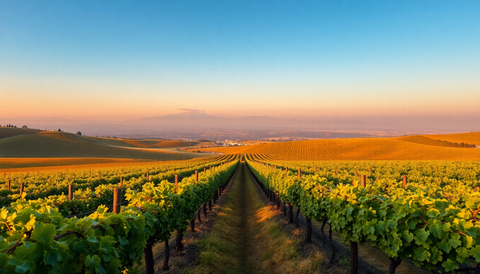
One of the primary drivers of bottle variation is the concept of terroir, which encompasses the unique combination of soil, climate, and other environmental factors that shape the character of a wine. Even within a single vineyard, slight variations in these elements can lead to differences in the grapes used to produce the wine, resulting in subtle variations between bottles.
The Impact of Winemaking Techniques
The winemaking process itself can also contribute to bottle variation. Factors such as the specific yeast strains used, the duration and temperature of fermentation, and the aging regimen can all introduce subtle differences between individual bottles. Winemakers often strive to minimize these variations, but the inherent complexity of the process means that a certain degree of bottle variation is often unavoidable.
The Influence of Storage and Aging
Once the wine has been bottled, its journey through storage and aging can further contribute to bottle variation. Factors such as temperature, humidity, and exposure to light can all impact the wine's evolution, leading to differences in color, aroma, and flavor profiles between bottles.
The Significance of Bottle Variation
While bottle variation may initially seem like a frustrating aspect of wine appreciation, it actually plays a crucial role in the overall experience. Understanding and embracing bottle variation can enhance our understanding of the nuances and complexities that make each wine unique.
Enhancing the Tasting Experience
Bottle variation can add an element of surprise and discovery to the tasting experience. As we explore different bottles of the same wine, we're presented with the opportunity to appreciate the subtle variations that make each bottle a unique expression of the winemaker's craft. This can lead to a more engaging and rewarding tasting experience, as we're challenged to identify and appreciate the distinct characteristics of each bottle.
Revealing the Dynamic Nature of Wine
Bottle variation also serves as a testament to the dynamic and ever-evolving nature of wine. As a living, breathing product, wine is constantly in a state of flux, responding to the various environmental and human factors that shape its development. By embracing bottle variation, we gain a deeper appreciation for the complexity and unpredictability that make wine such a fascinating and captivating beverage.
Fostering a Deeper Understanding of Terroir
Bottle variation can also provide valuable insights into the concept of terroir. By comparing the subtle differences between bottles, we can gain a better understanding of how the unique characteristics of a particular region or vineyard can influence the final product. This knowledge can deepen our appreciation for the role of terroir in shaping the character of a wine.
Navigating Bottle Variation
While bottle variation can be a source of excitement and discovery, it can also present challenges for wine enthusiasts. Navigating these variations requires a certain level of knowledge and experience, but with the right approach, you can learn to embrace and even celebrate the unique characteristics of each bottle.
Developing a Discerning Palate
One of the keys to navigating bottle variation is to develop a discerning palate. By tasting a wide range of wines, both from the same producer and across different regions and varietals, you'll become more attuned to the subtle nuances that distinguish one bottle from another. This knowledge will allow you to better identify and appreciate the unique characteristics of each bottle you encounter.
Exploring Multiple Bottles
Another effective strategy for navigating bottle variation is to explore multiple bottles of the same wine. By tasting several bottles, you can gain a more comprehensive understanding of the range of variations that may exist within a single wine. This can help you identify the specific characteristics that you most enjoy, allowing you to make more informed purchasing decisions in the future.
Embracing the Unpredictable
Ultimately, the best approach to navigating bottle variation is to embrace the unpredictable nature of wine. Rather than viewing it as a frustration, consider it an opportunity to expand your knowledge and deepen your appreciation for the complexities of this fascinating beverage. By approaching each bottle with an open mind and a willingness to explore, you'll be rewarded with a tasting experience that is truly unique and memorable.
Conclusion
Bottle variation is a fascinating and multifaceted aspect of the wine world, one that can both challenge and delight the discerning wine enthusiast. By understanding the underlying causes of this phenomenon and embracing the opportunities it presents, we can gain a deeper appreciation for the dynamic and ever-evolving nature of wine. So the next time you encounter bottle variation, don't see it as a frustration, but rather as an invitation to embark on a journey of discovery and exploration, where each bottle holds the potential to reveal new and captivating insights into the world of oenology.
Comments (0)
There are no comments for this article. Be the first one to leave a message!