
Introduction: The Enduring Charm of Tawny
In the diverse worlds of interior design, culinary arts, and fine wine appreciation, few terms evoke as much warmth and richness as "tawny." Whether you're admiring a color palette suited for a cozy autumn decor or savoring a glass of aged fortified wine, understanding tawny opens up a universe of aesthetic nuance and sensory pleasure. As we step into 2025, tawny continues to enchant connoisseurs and creatives alike with its timeless appeal. This in-depth guide aims to illuminate every facet of tawny, from its historical roots and production techniques to its sensory profiles and modern applications.
Origins and Historical Context of Tawny
Tracing the word "tawny" reveals a fascinating journey through language, craft, and culture. Derived from Middle English and Old French roots, the term was initially used to describe a yellowish-brown hue associated with animal hides and fabrics, prized for their warm, natural tones. In early textiles and animal furs, tawny shades conveyed a sense of rustic elegance and durability.
The transition from describing a color to characterizing a style of wine began centuries ago in Portugal’s Douro Valley, the historic epicenter for Port wines. The term became synonymous with wines that, through prolonged oxidative aging in wood, developed amber hues and complex flavors that distinguished them from their ruby counterparts. By the late Middle Ages, Portuguese port producers and traders began categorizing their aged fortified wines using the term tawny, leading to its enduring association with this distinctive style.
The Color Palette and Visual Characteristics of Tawny
In the realm of design and aesthetics, tawny offers a versatile and evocative palette. Its visual appeal lies in a spectrum ranging from golden-orange to deep amber and rich brownish-golden hues. For web and print projects, precise color references can streamline their inclusion into designs:
- Light Tawny: Hex: #D2A679; a warm, caramel-like shade suitable for backgrounds or accents.
- Classic Tawny: Hex: #B76E3E; a balanced amber-brown tone ideal for sophisticated color schemes.
- Deep Tawny: Hex: #8B5E2B; a rich, chocolate-infused hue perfect for accents or focal points.
These shades are adaptable across digital and print mediums, provided adjustments are made for lighting conditions and screen calibrations.
What Is Tawny? A Closer Look at Its Dual Identity
The word "tawny" encapsulates two interconnected worlds:
- Color: A warm, brownish-orange or golden-tinted hue that evokes feelings of comfort, autumnal beauty, and natural Earth tones.
- Wine: A style of fortified port wine characterized by oxidative aging, resulting in amber shades and complex flavor profiles.
This duality enriches the term’s appeal, bridging visual design and gustatory experience—each domain offering a different but related expression of warmth and richness.
The Art and Science of Tawny Port Production
Grape Varieties and Regional Sources
Traditional Tawny Port is crafted predominantly from Portuguese grape varieties native to the Douro Valley, such as:
- Touriga Nacional
- Tinta Roriz (Tempranillo)
- Tinta Barroca
- Tinta Cão
Across the globe, winemakers in regions like South Australia and California produce similar fortified wines, often with local grape varieties that mimic the profile of classic Douro blends.
The Winemaking Process: From Fermentation to Barrel
The creation of tawny port involves a series of deliberate, time-sensitive steps:
- Fermentation: Grape juice ferments until residual sugar and desired alcohol levels are achieved.
- Fortification: Addition of grape spirit (aguardente) halts fermentation, preserving natural sweetness.
- Aging: The fortified wine undergoes oxidative aging in oak barrels, where micro-oxygenation gradually transforms both its flavor profile and color.
Barrel Aging: The Heart of Tawny Complexity
Oxidative aging involves storing wine in porous oak barrels that permit oxygen transfer at a controlled rate. This process softens tannins, enhances tertiary aromas, and causes a gradual color change from ruby to amber and brown shades. The duration of aging—from a few years to several decades—determines the complexity of the final product.
Color and Flavor Evolution Over Time
Tawny wines evolve visually and aromatically through their aging cycle. Here’s what to expect at different stages:
- Young Tawny (2-4 years): Bright amber with fresh fruit, light caramel, and toasted nut hints.
- Mid-Aged Tawny (5-10 years): Deeper, richer amber hues; flavors of dried citrus fruits, honey, and complex spice.
- Older Tawny (10+ years): Deep brownish-golden shades; layers of dried fruits, toasted nuts, cinnamon, and tertiary notes like leather and spices.
Profile of Different Tawny Styles
The aging period influences not only color and flavor but also label terminology:
- Young Tawnies: Typically 3-5 years old, offering fresh fruit and lighter characteristics.
- Reserve or 10-Year Tawnies: A blend averaging ten years of age, balancing maturity and vibrancy.
- Vintaged or Colheita: Single harvest wines aged for extended periods, often over 20 years, showcasing unique terroir characteristics.
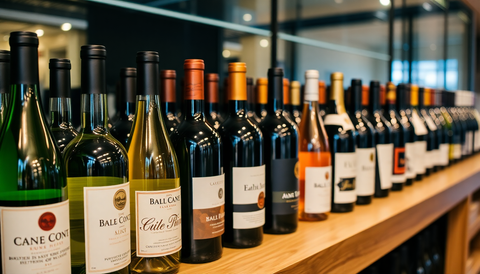
Decoding Tawny Labels and Designations
Understanding labels helps in selecting the right tawny for the occasion:
- "10 Years": Indicates the average age of the blend.
- "Reserve": Usually a higher-quality blend with a minimum aging period.
- "Colheita": A vintage tawny from a single harvest, aged several decades.
Flavors and Aromatic Profile
Typical descriptors encompass a rich tapestry of aromas and tastes, including:
- Caramel and butterscotch
- Toasted nuts and almonds
- Dried figs, prunes, and raisins
- Honey and molasses
- Spices such as cinnamon, clove, and nutmeg
- Hints of leather, tobacco, and dried herbs in aged examples
Food Pairings and Culinary Uses
Tawny's adaptability makes it a favorite pairing wine across a broad spectrum of dishes:
- Blue cheeses and aged cheddar
- Rich pâtés and foie gras
- Chocolate desserts, especially dark or salted varieties
- Roasted nuts and dried fruit platters
- Poached or roasted fruits like pears, figs, or apricots
- Complementary with savory dishes like game meats and stews with caramelized elements
The Role of Regions in Shaping Tawny Port Styles in 2025
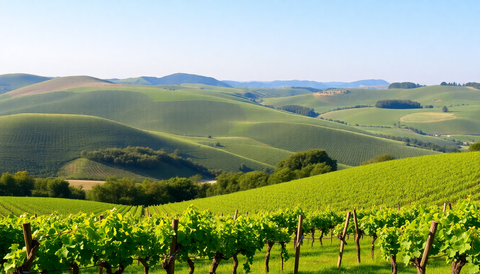
While Portugal’s Douro Valley remains the birthplace and benchmark of tawny Port, other regions have embraced and redefined the style:
- South Australia: Known for bolder fruit profiles and innovative barrel aging techniques, producing tawnies with vibrant flavors.
- California: Emerging producers are experimenting with oxidative aging and blending to create unique tawny-style fortified wines.
- Other Regions: Emerging markets in South America and Asia are also crafting fortified wines inspired by tawny traditions, emphasizing diversity and innovation.
Modern Uses of Tawny in Mixology and Cooking in 2025
Beyond traditional sipping, tawny port finds new life in cocktails and cuisine—offering a rich, aromatic alternative to standard fortified wines. Popular applications include:
- Classic Cocktails: Tawny Old Fashioned, ports-based spritzers, or fortified wine martinis.
- Culinary Arts: Using tawny in sauces, reductions, or flambé desserts enhances depth and complexity.
- Innovative Pairings: Pairing tawny with spicy Asian dishes, aged cheeses, or even incorporating it into modern gastronomy experiments.
Environmental and Sustainability Considerations in 2025
Today, producers are increasingly mindful of sustainability—reducing water usage, adopting eco-friendly barrels, and sourcing grapes ethically to ensure tawny's future as a sustainable product. Organic and biodynamic certification is trending among high-end producers aiming for environmentally conscious excellence.
Tips for Selecting and Storing Tawny Port
When choosing a tawny, consider the age, label, and producer reputation. Proper storage extends the wine’s lifespan and preserves its complex aromas:
- Store bottles horizontally in cool, dark environments.
- Aged tawny ports should be enjoyed within a few years of opening.
- Decant older tawnies to separate sediment and fully appreciate their nuanced aromas.
Celebrating Tawny: A Fusion of Tradition, Art, and Flavor in 2025
As we explore tawny in 2025, its significance extends far beyond a simple color or fortified wine. It embodies centuries of tradition, meticulous craftsmanship, and a deep connection to nature and history. For designers, chefs, and sommeliers, tawny offers a palette filled with warmth and complexity, inspiring creations that resonate with timeless elegance.
Whether you're admiring its shades in a visual project, pairing its flavors with culinary delights, or simply enjoying a glass of aged port, recognizing the true depth of tawny enriches every experience. Embrace the richness, complexity, and warm glow of tawny—your journey into this fascinating world has just begun.
Comments (0)
There are no comments for this article. Be the first one to leave a message!