
Introduction
In the expansive universe of wine, few topics evoke as much intrigue and discussion as the concept of varietal. As wine enthusiasts, sommeliers, and producers continually seek to refine their palates and produce distinctive wines, understanding how different grape varieties influence flavor and quality becomes paramount. In 2025—an era marked by innovation, sustainable practices, and a global appreciation for diverse wine profiles—knowing what makes each varietal unique can elevate your experience from casual drinking to genuine connoisseurship.
What is a Varietal?
The term varietal refers to a specific type of grape used in winemaking. It represents the botanical identity of the grape, such as Cabernet Sauvignon, Chardonnay, or Syrah. When a wine is labeled as a varietal, it indicates that a substantial proportion of the wine is made from that specific grape, usually at least 75% according to most wine labeling laws. This labeling allows consumers to anticipate the general flavor profile and characteristics associated with the grape.
The Historical Evolution of Grape Varieties
Grapevines have been cultivated for thousands of years, with histories intertwined with human civilization itself. Early viticulture centered around native grape varieties, which gradually gave way to cultivated, improved, and hybrid varieties suited to different climates and soils. Over centuries, winemakers selected grapes that yielded better flavors, resistance, and adaptability, leading to today’s diverse palette of varietals. The global wine industry now boasts hundreds of distinct grape varieties, each with its own story and flavor identity.
The Significance of Grape Varieties in Wine Production
Grape varieties are at the core of what makes each wine distinctive. They influence multiple aspects of the final product, from aroma to texture, and even aging potential. Here are some key reasons why varietals are fundamental in winemaking:
- Flavor and Aroma: Different grapes develop characteristic flavor compounds, imparting unique aromatic profiles, from fruity and floral to spicy and earthy.
- Texture and Body: Varietals can influence the wine’s tannin structure, acidity, and mouthfeel, affecting how heavy or light a wine feels.
- Color: The pigmentation of grape skins impacts the wine’s hue, from pale pinks to deep purples.
- Aging Potential: Certain varietals are better suited for aging, developing complex secondary and tertiary flavors over time.
Popular Grape Varieties and Their Characteristics
To understand how varieties shape wine, let's examine some of the most renowned grapes and their typical profiles:
- Cabernet Sauvignon: Known for its bold structure, high tannins, and flavors of blackcurrant, black cherry, cedar, and green bell pepper. Often aged in oak, it produces powerful, age-worthy wines.
- Chardonnay: Extremely versatile, ranging from crisp and minerally with green apple and citrus notes to rich, buttery, and oaky, with vanilla and toasted flavors. Its style depends greatly on vinification techniques.
- Merlot: Softer and more approachable, with smooth tannins and flavors of plum, cherry, raspberry, and chocolate. It’s often used in blends but also makes elegant standalone wines.
- Pinot Noir: Known for its elegance, with lighter body, red fruit flavors like strawberry and raspberry, along with earthy undertones and floral notes. Its sensitivity to terroir leads to diverse expressions.
- Sauvignon Blanc: Refreshing and aromatic, with vibrant citrus, tropical fruit, and grassy or herbaceous notes. Popular in regions like Bordeaux and New Zealand.
The Influence of Terroir on Varietal Expression
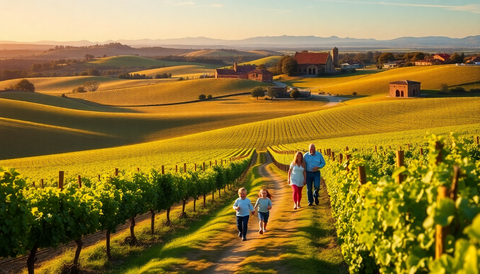
While grape variety sets the foundation, terroir—the unique combination of soil, climate, and vineyard practices—plays a pivotal role in shaping the final wine's character. For instance, a Cabernet Sauvignon from Bordeaux will exhibit different nuances than one from Napa Valley, despite being the same varietal. Terroir impacts:
- Flavor intensity and complexity
- Acidity and tannin levels
- Overall balance and freshness
This interplay creates a spectrum of flavors within each varietal, emphasizing the importance of vineyard location and craftsmanship in winemaking.
The Role of Winemaking Techniques in Enhancing Varietal Traits
Modern winemakers employ various techniques to highlight or modulate the characteristics of varietals:
- Fermentation: Use of specific yeast strains can enhance certain aromatic qualities.
- Aging: Choice of oak barrels (new or used, French or American) influences flavor infusion, such as vanilla or toast.
- Blending: Combining different varietals can create complexity and balance, sometimes highlighting specific traits.
- Climate control: Techniques like temperature-controlled fermentation preserve delicate aromatics and acidity.
How to Choose Wines Based on Varietal
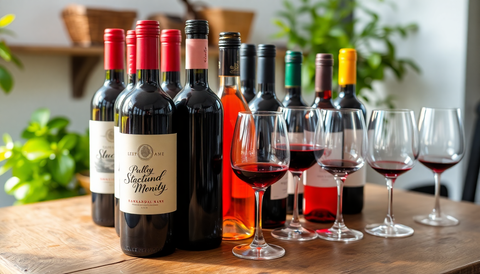
For enthusiasts and newcomers alike, knowing how to select wines based on grape varietals enhances the tasting journey:
- Identify Preferences: Do you prefer bold, tannic reds or light, crispy whites? Different varietals cater to various tastes.
- Explore Regional Expressions: Try the same varietal from different regions to appreciate terroir influences.
- Pair With Food: Pairing varietals with suitable cuisines amplifies flavors. For example, tannic reds complement red meats, while aromatic whites suit spicy dishes.
- Experiment and Record: Keep a wine journal to remember which varietals and regions resonate most with your palate.
Emerging Trends in Grape Varieties and Winemaking in 2025
The wine industry continues to evolve, embracing innovation and sustainability. Some trending aspects include:
- Native and Indigenous Varietals: Winemakers are rediscovering local grape varieties to craft unique, regionally expressive wines.
- Organic and Biodynamic Grape Growing: Growing awareness of environmental impact is leading to more sustainable vineyard practices, influencing flavor purity.
- Hybrid Varieties: Crossbreeding grapes for disease resistance and adaptability, creating new taste profiles.
- Experimental Vinification: Techniques like carbonic maceration and skin-contact whites are expanding the flavor spectrum.
Conclusion
As we navigate the vibrant and diverse world of wine in 2025, understanding the importance of grape varietals offers a gateway to greater appreciation and expertise. Recognizing how each variety’s unique traits, combined with terroir and winemaking techniques, creates an endless array of flavors makes the experience more personal and enriching. Whether you seek robust reds, aromatic whites, or sparkling delights, knowing the foundational role of varietals helps you select wines that truly resonate with your taste. Cheers to exploration, discovery, and the continued evolution of wine—an art formed by countless grape varieties across the globe.
Comments (0)
There are no comments for this article. Be the first one to leave a message!