
In the ever-evolving world of wine, where tradition and innovation collide, a new chapter is unfolding in the heart of Australia. While the renowned regions of Barossa Valley and Margaret River have long dominated the national and global wine scene, a quiet revolution is taking place, shining a spotlight on the lesser-known, yet equally captivating, wine regions of this vast and diverse country.
As we step into the year 2026, the Australian wine industry is undergoing a remarkable transformation, with a growing number of wine enthusiasts and connoisseurs seeking out the unique and often unexpected offerings from these alternative wine regions. From the rugged coastal landscapes of Tasmania to the sun-drenched valleys of the Granite Belt, these emerging wine havens are capturing the attention of both domestic and international wine lovers, eager to explore the depth and diversity of Australia's winemaking prowess.
The Allure of Alternative Wine Regions
In a world where homogeneity often reigns supreme, the rise of alternative wine regions in Australia offers a refreshing counterpoint. These lesser-known areas, each with their own distinct terroir, microclimate, and winemaking traditions, are challenging the status quo and redefining the boundaries of what we consider "quintessential" Australian wine.
One such region that has garnered significant attention in recent years is the McLaren Vale, situated just south of Adelaide in South Australia. Historically overshadowed by the powerhouses of Barossa and the Coonawarra, McLaren Vale has quietly been carving out its own niche, producing world-class wines that showcase the region's unique geological and climatic advantages.
The Unique Terroir of McLaren Vale
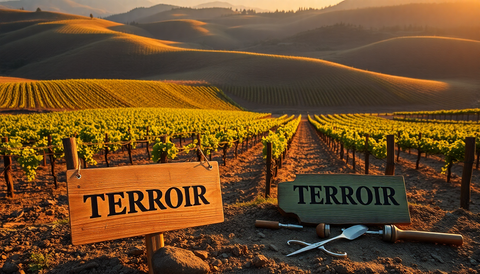
McLaren Vale's terroir is a tapestry of diverse elements, woven together to create a wine-growing environment unlike any other. The region's proximity to the ocean, combined with its Mediterranean-like climate, provides the perfect conditions for a wide range of grape varieties to thrive. From the robust and full-bodied Shiraz to the elegant and nuanced Grenache, McLaren Vale's vineyards are a testament to the region's ability to coax out the best in each varietal.
One of the standout features of McLaren Vale's terroir is its ancient geology. The region's soils are a mosaic of ancient sedimentary and volcanic origins, with pockets of limestone, ironstone, and sandy loam creating a complex and diverse landscape for viticulture. This diversity not only contributes to the complexity of the wines but also allows winemakers to experiment with different grape varieties and winemaking techniques, further expanding the region's wine portfolio.
The Rise of Boutique Wineries
Alongside the region's natural advantages, the emergence of a thriving community of boutique wineries has been a driving force behind McLaren Vale's ascent. These small, family-owned operations, often with a deep-rooted connection to the land, have been instrumental in showcasing the region's unique character and diversity.
One such winery is McLaren Vale Cellars, a true gem in the heart of the region. Established in the 1980s, this family-owned operation has been at the forefront of the alternative wine movement, championing the use of sustainable and biodynamic practices in their vineyards and cellars. Their commitment to showcasing the best of McLaren Vale has earned them a loyal following among wine enthusiasts, both locally and globally.
"At McLaren Vale Cellars, we believe that great wine is a reflection of the land from which it comes," says the winery's owner, Sarah Wilkinson. "Our mission is to capture the essence of this remarkable region in every bottle, and to share the stories of the people and the place that make our wines so special."
Embracing Diversity and Innovation
The rise of alternative wine regions in Australia is not just about the discovery of new and exciting wines; it's also about the embrace of diversity and innovation within the industry. As these regions gain recognition, winemakers are increasingly experimenting with different grape varieties, winemaking techniques, and even alternative packaging and marketing strategies.
In McLaren Vale, for example, the use of alternative grape varieties like Tempranillo, Fiano, and Vermentino has been on the rise, as winemakers seek to push the boundaries of what is considered "typical" Australian wine. This experimentation has led to the creation of unique and captivating blends that challenge the traditional perceptions of the country's wine offerings.
Moreover, the rise of alternative wine regions has also fostered a renewed focus on sustainability and environmental stewardship. Many of the boutique wineries in these areas have adopted organic, biodynamic, and regenerative farming practices, ensuring that the land they steward is not only producing exceptional wines but also contributing to the overall health and resilience of the local ecosystem.
The Global Spotlight on Alternative Wine Regions
As the world's wine enthusiasts continue to seek out new and exciting wine experiences, the spotlight on alternative wine regions in Australia has only grown brighter. These emerging areas are capturing the attention of wine critics, sommeliers, and consumers alike, who are eager to discover the hidden gems that lie beyond the well-trodden paths of the country's more famous wine regions.
One such example is the recent surge in international recognition for McLaren Vale's wines. The region has been the recipient of numerous accolades and awards, with its Shiraz, Grenache, and Cabernet Sauvignon varietals earning high praise from respected wine publications and competitions around the world.
"The wines from McLaren Vale are truly a revelation," says renowned wine critic, James Halliday. "They offer a unique and captivating expression of Australian viticulture, showcasing the incredible diversity and potential of this country's wine industry."
As the global wine community continues to embrace the allure of alternative wine regions, the future of Australian wine looks brighter than ever. These emerging areas, with their distinct terroirs, innovative winemakers, and commitment to sustainability, are poised to redefine the way the world perceives and experiences Australian wine.
The Future of Alternative Wine Regions in Australia
The rise of alternative wine regions in Australia is not just a passing trend; it is a testament to the resilience, creativity, and forward-thinking nature of the country's wine industry. As we look to the future, these emerging areas are poised to play an increasingly significant role in shaping the global perception of Australian wine.
One of the key drivers of this future growth will be the continued investment and support from both the public and private sectors. Governments and industry organizations are recognizing the economic and cultural value of these alternative wine regions, and are investing in infrastructure, marketing, and research to help these areas reach their full potential.
Additionally, the growing demand for unique and sustainable wine experiences is fueling the rise of alternative wine regions. Consumers, both domestic and international, are seeking out wines that not only taste exceptional but also tell a compelling story about the land, the people, and the practices that go into their production.
"The future of Australian wine lies in the diversity and innovation that we're seeing in these alternative wine regions," says Sarah Wilkinson of McLaren Vale Cellars. "As we continue to push the boundaries of what's possible, I believe we'll see these areas become increasingly recognized and celebrated on the global stage."
As the world's wine lovers turn their attention to the hidden gems of Australia's wine industry, the future looks bright for these alternative wine regions. With their unique terroirs, passionate winemakers, and unwavering commitment to sustainability, they are poised to redefine the way we think about and experience Australian wine.


Comments (0)
There are no comments for this article. Be the first one to leave a message!