
When you're on the hunt for a top sparkling wine, it's easy to get drawn in by a fancy label or a high price. But the real magic lies deeper, in the craftsmanship, the grapes, and the unique patch of earth where they were grown. The best bubbly delivers a perfect balance of complexity and pure refreshment in every single glass.
What Really Makes a Sparkling Wine Great
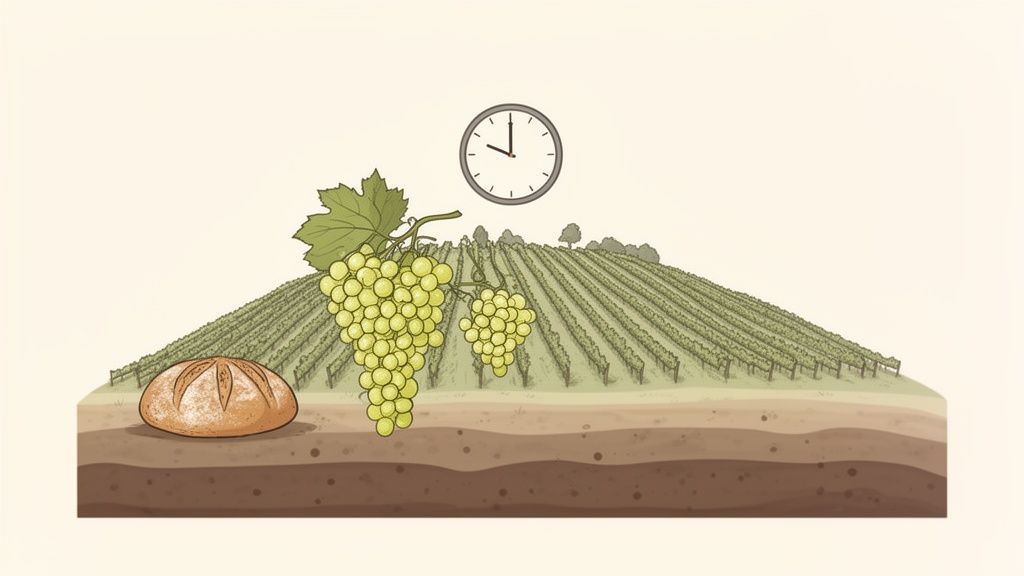
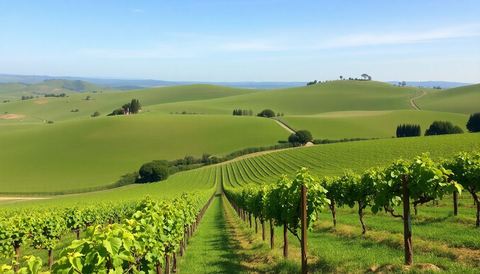
Before you can pick a winner, you need to know what you’re looking for. Getting to the heart of what makes a sparkling wine truly special means looking past the marketing and understanding the winemaker’s art. It all comes down to the grapes they use, the character of the vineyard’s terroir (that’s the unique combination of soil, climate, and landscape), and, crucially, how the bubbles get into the bottle.
Think of it this way: making a world-class sparkling wine using the traditional method is a bit like baking artisan sourdough. It takes patience, skill, and most importantly, time. This slow process develops those deep, layered, and complex flavours. Other methods, like Charmat, are more like baking a fresh, quick bread—designed to be vibrant, fruity, and ready to enjoy right now.
The Building Blocks of Quality
Getting familiar with a few key terms is your shortcut to understanding quality in the exciting world of Australian sparkling wine. These are the clues on the label that tell you exactly what to expect.
- Méthode Traditionnelle: This is the gold standard. It’s a labour-intensive process where the second fermentation—the one that creates those beautiful bubbles—happens inside the individual bottle. It’s the technique behind Champagne and Australia's finest sparklings, known for producing a fine, persistent bead and complex notes of brioche and toasted nuts.
- Blanc de Blancs: A French term meaning "white from whites," this tells you the wine is made exclusively from white grapes. In almost all cases, that means 100% Chardonnay. These wines are celebrated for their elegance, crisp acidity, and zesty citrus character.
- Grape Varieties: While lots of grapes can make fizzy wine, the classic trio of Chardonnay, Pinot Noir, and Pinot Meunier is the benchmark for quality sparkling wine across the globe.
It's clear that Aussies are developing a serious taste for the good stuff. The Australian sparkling wine market was valued at USD 370.58 million in 2024 and is expected to fizz up to USD 593.32 million by 2033. This isn't just growth; it's a massive shift towards people seeking out more premium, well-crafted options.
Putting It All Together
Once you know these basics, you can start decoding labels like a pro. See ‘Méthode Traditionnelle’ on a bottle from a cool-climate spot like Tasmania or the Adelaide Hills? You can bet you’re in for a wine with elegance and complexity.
To explore the specific character of different grapes and styles even further, check out our comprehensive guide to sparkling wine varieties.
Ultimately, the best sparkling wine tells a story, connecting the vineyard, the winery, and your glass. By understanding these fundamentals, you’re not just buying a bottle of bubbly; you’re choosing an experience that’s been crafted with purpose and passion. And that knowledge is the key to finding incredible flavour and value, no matter your budget.
The Art of the Bubble: Production Methods Explained
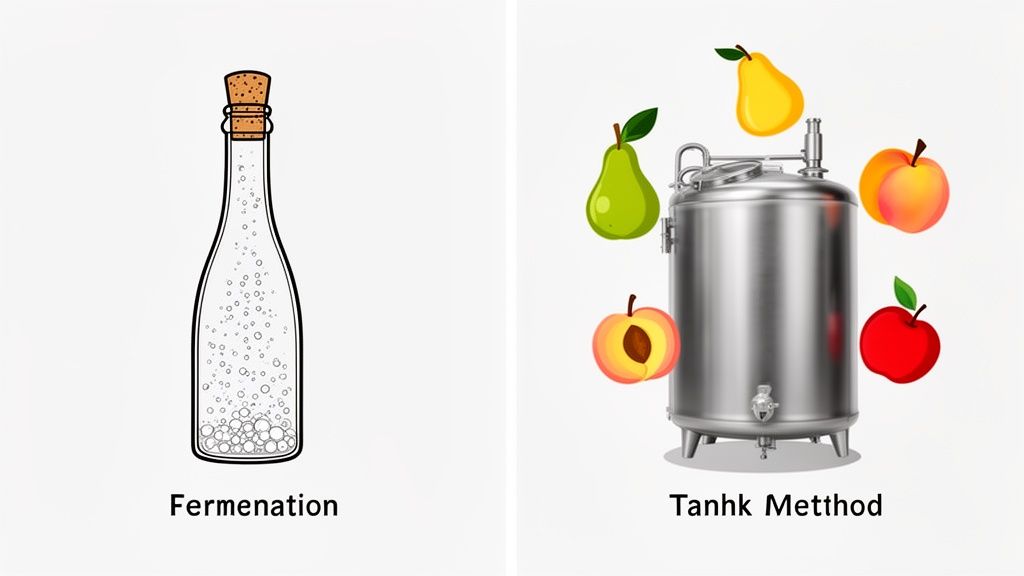
Ever wondered how a top sparkling wine gets its signature fizz? Those tiny, dancing bubbles that make every sip feel like a celebration don't just appear by magic. They're the deliberate result of the winemaker's chosen method, and the path from still wine to sparkling sensation is a fascinating one that shapes the taste, texture, and price of what ends up in your glass.
Think of it like the difference between a slow-cooked stew and a flash-fried stir-fry. Both can be incredible, but their character is born from completely different processes. The two main ways to make sparkling wine create distinctly different styles, and knowing them is the key to choosing the perfect bottle for any occasion.
Méthode Traditionnelle: The Gold Standard
When you imagine a classic Champagne or a premium Australian sparkling, you're picturing a wine made using the Méthode Traditionnelle, or Traditional Method. This is the 'long game' of sparkling wine—a meticulous, hands-on process that builds incredible depth and complexity. It’s the secret behind the world's most revered bubbles.
The magic happens during a second fermentation that takes place inside each individual bottle. After making a base still wine, the winemaker adds a small measure of yeast and sugar, then seals the bottle with a crown cap. This kicks off a second fermentation, trapping the resulting carbon dioxide inside and creating those fine, elegant bubbles we all love.
The wine is then left to age on its lees (the expired yeast cells) for months, or even years. This is where the magic really happens, developing the hallmark flavours of a high-quality traditional method sparkling: think toasted brioche, almonds, and a creamy, rich texture.
This patient approach is why a premium McLaren Vale sparkling has such a different character—and price tag—than your average fruity fizz. It’s pure craftsmanship you can taste. For a deeper dive, explore our guide on why some wines sparkle and others don't.
Charmat Method: The Fresh Approach
If the Traditional Method is the slow-cooked stew, then the Charmat Method (also called the Tank Method) is the vibrant, zesty stir-fry. Famous for producing Prosecco, this technique is all about preserving the pure, bright fruit and floral character of the grapes. It’s a celebration of freshness and immediacy.
Here, the second fermentation happens in large, pressurised stainless-steel tanks instead of individual bottles. It’s a much quicker and more cost-effective process, but the goal is entirely different. The focus is on capturing the primary fruit aromas without introducing those yeasty, bready notes that come from long lees aging.
The result is a wine that’s typically lighter, fruit-forward, and crisp, bursting with notes of green apple, pear, and honeysuckle. The bubbles are often a little larger and frothier, making for an incredibly refreshing and easy-drinking style.
Why Method Matters for Australian Wine
Australia absolutely excels at both methods, offering a spectacular range of sparkling styles for every palate. Regions like Tasmania and the Adelaide Hills are renowned for producing world-class Méthode Traditionnelle wines that can stand toe-to-toe with the best of Champagne.
This commitment to quality is happening as the industry sees impressive growth. The national winegrape crush reached 1.57 million tonnes in 2025, an increase of 11% from the previous year. This boom allows retailers like us at McLaren Vale Cellars to secure top-tier sparkling wines at brilliant prices, passing that value directly on to you in our dozen deals and special packs. You can get more details on Australian wine production trends over at The Drinks Business.
How to Taste Sparkling Wine Like an Expert
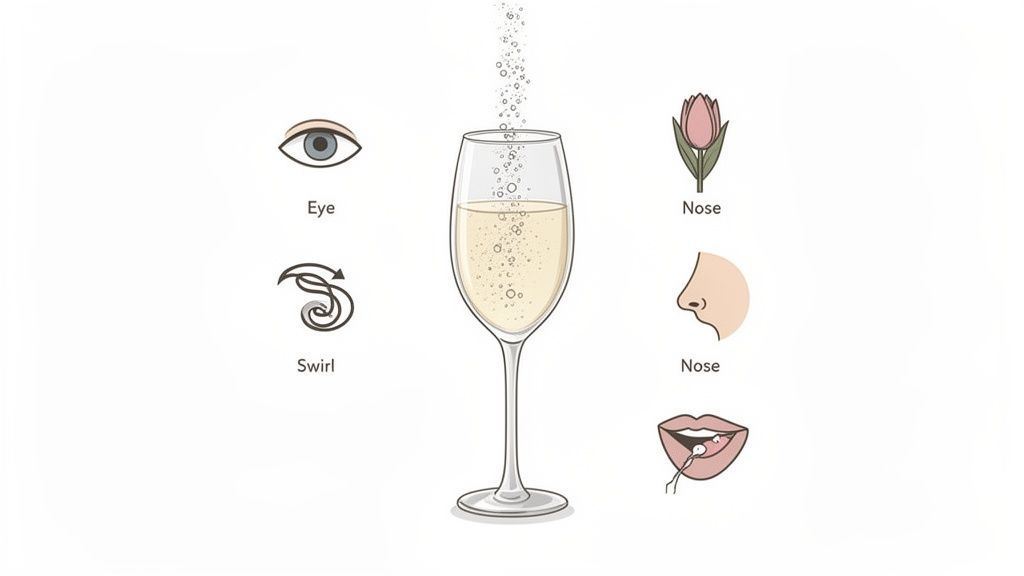
Tasting sparkling wine shouldn't be a stuffy, formal affair. Think of it as an adventure for your senses. Learning a few simple techniques can turn a good glass of bubbly into a truly unforgettable experience. Forget the intimidating jargon; we're breaking it down into a straightforward four-step process anyone can master.
This simple routine—See, Swirl, Sniff, and Sip—is your key to unlocking all the stories a top sparkling wine has to tell. It’s all about noticing the details, from the energy of the bubbles to the layers of flavour, and connecting them back to the wine's journey from vineyard to your glass.
Step 1: See the Sparkle
Before you even take a sip, your eyes give you the first clues. Pour a glass and hold it up to the light. Is it pale straw, golden, or blushing with a hint of pink? The colour can hint at the grapes used and how long the wine has aged.
Now, look at the bubbles. This constant stream is called the perlage, and it’s a massive hint about the wine's quality. Are the bubbles tiny and energetic, forming a persistent, fine mousse? Or are they larger and fizzling out quickly? As a rule of thumb, smaller, more consistent bubbles suggest a wine made with the meticulous Méthode Traditionnelle.
Step 2: Sniff the Aromas
Give the glass a gentle swirl to release the wine’s aromatic compounds. Don’t go too crazy—you want to keep those beautiful bubbles intact. Now, bring the glass to your nose and take a good sniff. What do you smell? The aromas in sparkling wine generally fall into three camps:
- Primary Aromas: These come straight from the grapes. Think fresh and fruity notes like green apple, lemon, pear, or even strawberry and cherry.
- Secondary Aromas: These develop during winemaking, especially from fermentation and time spent on lees. This is where you'll find those classic bready, yeasty notes of brioche, toast, and nuts that define high-quality traditional method sparklings.
- Tertiary Aromas: These emerge as the wine ages in the bottle. Look for more complex scents like honey, dried fruit, mushroom, or roasted nuts, which often appear in older, vintage sparkling wines.
Step 3: Sip and Savour
Finally, the best part. Take a small sip and let the wine wash over your entire palate. Pay attention not just to the flavour, but to the feeling and structure of the wine in your mouth. Notice the acidity—that mouth-watering sensation that makes the wine feel crisp and refreshing.
Think about the wine’s body. Is it light and delicate, or is it rich and full-bodied? And lastly, focus on the finish. After you swallow, how long do those pleasant flavours linger? A long, complex finish is often the calling card of a truly exceptional sparkling wine.
Your Personal Tasting Checklist As you taste, ask yourself a few questions to build your palate. What colour is it? Are the bubbles fine or coarse? Can you smell fruit, toast, or flowers? Is it crisp or creamy on your tongue? Does the flavour disappear right away or does it stick around? Answering these helps you pinpoint exactly what you enjoy in a top sparkling wine.
Creative Food Pairings for Your Sparkling Wine
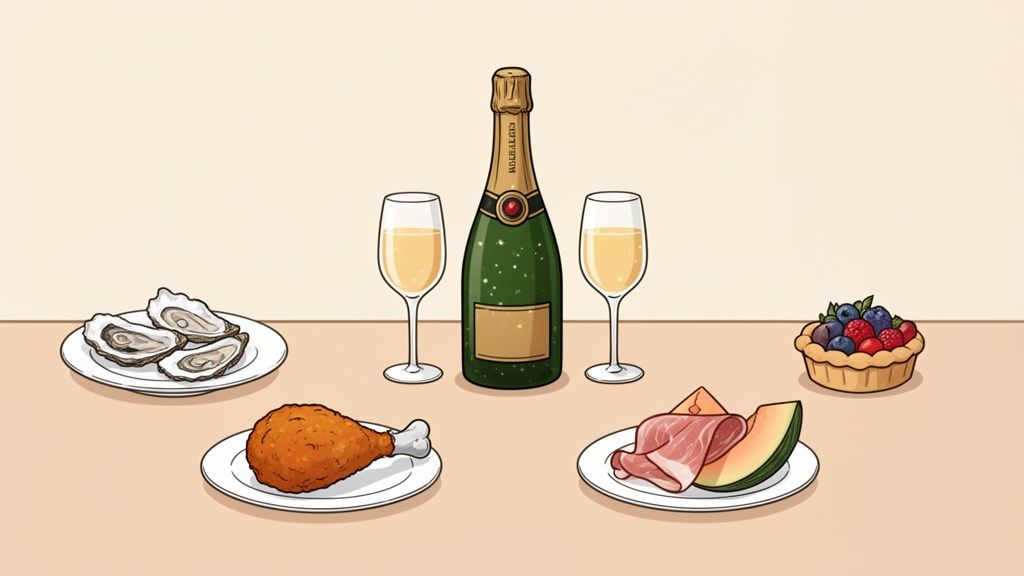
While oysters and canapés are timeless partners for bubbles, thinking of sparkling wine only for formal toasts is like keeping your best dinner plates locked away for a special occasion that never comes. The truth is, the incredible versatility of a top sparkling wine makes it one of the most food-friendly choices you can make. It's perfect for elevating everything from a weeknight takeaway to a lazy weekend brunch.
The real magic is in the structure of the wine. That bright, zesty acidity and the constant stream of bubbles act like a reset button for your palate. They cut through rich, fatty foods, balance out salty flavours, and bring a huge range of dishes to life. It’s time to start popping a bottle for a Tuesday night, not just for New Year's Eve.
Pairing with Crisp and Dry Styles
Lighter, zesty sparklings like a classic Blanc de Blancs or a dry Prosecco are all about vibrant citrus notes and a clean, crisp finish. Their high acidity is a brilliant match for delicate and fresh flavours that a heavier, more powerful wine would simply bulldoze over.
Think of these wines as the perfect squeeze of lemon over a dish—they just brighten everything up.
- Fresh Seafood: This is the ultimate classic for a reason. Raw oysters, grilled prawns, or pan-seared scallops are absolutely stunning alongside the wine’s zesty character.
- Creamy Cheeses: Soft, gooey cheeses like brie, camembert, or a fresh chèvre are a fantastic match. The bubbles slice right through the richness of the cheese, cleansing your palate for the next delicious bite.
- Light Salads: A simple salad with a vinaigrette dressing, some goat cheese, and fresh herbs will sing when paired with a crisp, dry sparkling.
Pairing with Fruit-Forward and Rosé Styles
When you get into sparkling Rosé or fruitier Prosecco styles, you open up a whole new world of red berry flavours like strawberry, cherry, and raspberry. These wines often have a bit more body and structure, which means they can stand up to dishes with more robust flavours.
For an impressive spread of cheeses and cured meats, think about displaying them on a beautiful rustic charcuterie serving tray. It just makes the whole experience feel that much more special.
The structure and red fruit notes of a sparkling Rosé make it a surprisingly brilliant partner for richer, meatier dishes. Its ability to stand up to bigger flavours while retaining its refreshing quality is what makes it so dynamic.
A charcuterie board is the perfect playground here. The wine’s fruitiness is a lovely contrast to salty prosciutto, while its acidity cuts through the fat of salami like a knife. In the same way, a richer Rosé is a fantastic match for grilled salmon or even duck, as the berry notes in the wine echo the flavours in the dish.
Adventurous and Fun Pairings
Now we get to the fun part—breaking the rules. The whole "high-low" pairing idea, where you match an elegant wine with casual, everyday food, can create some of the most memorable and delicious flavour combinations you'll ever experience. That combination of effervescence and acidity is just perfect for fatty, salty, or fried foods.
This is your chance to get creative and discover your own favourite unexpected match.
- Fried Chicken: Seriously, this is the ultimate high-low pairing. The crisp bubbles and acidity of a premium Australian sparkling cut straight through the richness of the crispy, salty chicken. It’s a truly sublime experience that you have to try.
- Spicy Thai Food: A slightly off-dry or fruit-forward sparkling can be a brilliant counterpoint to the heat in dishes like Pad Thai or a spicy green curry. That little touch of sweetness tames the spice, while the bubbles keep your palate feeling fresh.
- Buttered Popcorn: Don't knock it until you've tried it! A movie night with a big bowl of buttery popcorn and a glass of brut sparkling is a complete game-changer. The nutty, toasty notes in a traditional method wine harmonise perfectly with the corn.
Sparkling Wine and Food Pairing Cheat Sheet
Feeling inspired but not sure where to start? We've put together this quick cheat sheet to help you match your favourite bubbles with the perfect dish. Think of it as a starting point for your own delicious experiments!
| Sparkling Wine Style | Classic Pairings | Adventurous Pairings |
|---|---|---|
| Blanc de Blancs/Dry Prosecco | Oysters, grilled prawns, sushi, soft cheeses (brie, chèvre) | Fish and chips, potato crisps, light pasta with pesto |
| Sparkling Rosé | Grilled salmon, duck breast, charcuterie, raspberry tarts | Spicy chorizo pizza, BBQ pulled pork, beetroot risotto |
| Vintage Champagne/Aus. Sparkling | Seared scallops, lobster with butter, roast chicken | Truffle fries, buttered popcorn, aged parmesan cheese |
| Off-Dry/Sec Styles | Fruit-based desserts, spicy Asian curries, foie gras | Spicy fried chicken wings, blue cheese with honey |
Remember, the best pairing is the one you enjoy the most. Don't be afraid to experiment and find what works for you. Cheers
Our Top Sparkling Wine Selections from McLaren Vale
Alright, now for the fun part. You've got the theory down—you know what makes a top sparkling wine tick, how to taste it, and what food brings it to life. It's time to pop some corks and put that knowledge into practice with a few of our absolute favourites from McLaren Vale.
Each of these bottles tells a story. They speak of the place they’re from, the people who made them, and the passion that goes into every bubble. As we go through them, you’ll see those concepts we talked about—like the winemaker choosing the Méthode Traditionnelle or focusing on certain grapes—come alive in the glass. This isn’t just a shopping list; it’s a guided tour to help you find a bottle you’ll genuinely love.
Angove Family Winemakers Chalk Hill Blue Sparkling
First up, a real crowd-pleaser that’s like bottling the McLaren Vale sunshine. The Angove family are legends in South Australian wine, with over 130 years of history behind them, and their Chalk Hill Blue Sparkling shows you exactly why. It’s a masterclass in crafting wine that’s both delicious and refreshingly uncomplicated.
This is a brilliant take on the modern Aussie sparkling style. Made mostly from Chardonnay, it jumps out of the glass with crisp green apple, fresh pear, and a squeeze of bright lemon. Take a sip, and you’ll find it’s incredibly lively, with a fine, persistent stream of bubbles that feels fantastic. The finish is clean and dry, making it a go-to for almost any occasion.
- Serving Suggestion: Get it nice and cold and pour it as the perfect aperitif to start an evening. It’s also an absolute dream with a platter of fresh oysters or a light goat cheese salad on a warm day. This is your bottle for casual celebrations and sunny afternoons.
Dowie Doole Moxie Sparkling Shiraz NV
Get ready for something uniquely Australian. The Dowie Doole Moxie Sparkling Shiraz is a bold, vibrant, and utterly addictive take on sparkling red. This style is a national treasure, and Moxie is a benchmark example, showing off that rich, dark fruit character that has made McLaren Vale Shiraz famous around the globe.
Forget everything you think you know about sparkling wine. This one is deep, dark, and decadent. It’s loaded with flavours of blackberry jam, ripe plum, and a hint of dark chocolate, all lifted by a fine, energetic fizz. It's rich and complex but perfectly balanced, with just a touch of sweetness on the finish that makes it dangerously easy to enjoy.
Our Taste Guarantee: We’re so sure you’ll love the wines we pick that we back them with a 100% Taste Guarantee. If any bottle isn't to your liking for any reason, let us know. We’ll arrange to have it returned and offer you a credit or replacement. It’s our way of making sure you can explore McLaren Vale with total confidence.
Why Choose McLaren Vale Cellars
Here at McLaren Vale Cellars, we're not just a shop—we're massive fans of this incredible region. We have direct relationships with the wineries, which lets us build a collection that truly represents the best of what's happening here. When you buy from us, you're not just getting a bottle of wine; you're supporting local producers and finding gems you won’t see on major retail shelves.
We've set things up to make exploring easy and rewarding.
- Grape-ful Rewards Program: Every purchase earns you points that you can cash in for discounts on your next order. It’s just our little way of saying thanks for being part of our wine community.
- Value-Packed Deals: We specialise in creating dozen and half-dozen packs that offer amazing value on top-shelf wines. It’s the smartest way to keep your cellar stocked with your favourite top sparkling wine.
- Free Delivery: Get free shipping Australia-wide on any order over $100, sent straight to your door with care.
Picking your next bottle of sparkling should be an adventure, not a chore. With our hand-picked selections and guarantees, you can shop knowing that every single bottle has been chosen for its quality, character, and ability to deliver a brilliant experience.
How to Serve and Store Your Sparkling Wine
Getting the absolute most out of every single bottle comes down to what you do just before that satisfying pop of the cork. Proper storage and serving aren't just for the experts; they're simple steps anyone can master to make sure the wine tastes exactly how the winemaker dreamed it would.
Think of it as protecting your investment in flavour. Sparkling wine really doesn't like drama, especially when it comes to temperature swings. Find a cool, dark spot for it, away from sunlight and any vibrations. A cupboard under the stairs or a cellar is perfect.
If you’re planning on enjoying your bubbles within a month or so, storing the bottle upright is absolutely fine. For anything longer-term, lay it on its side. This keeps the cork moist, preventing it from drying out and letting pesky oxygen spoil the party.
Achieving the Perfect Chill and Pour
Temperature is everything. You're aiming for a crisp 6-8°C. If it's too cold, all those beautiful, delicate aromas get muted. Too warm, and the wine can taste a bit flat and boozy.
The easiest way to hit that sweet spot is with an ice bucket filled with half ice, half water. Give the bottle about 30 minutes in there before you plan to serve. A few hours in the fridge also works wonders. Just don't be tempted to throw it in the freezer to speed things up!
When it’s time to open, hold the bottle at a 45-degree angle. Drape a cloth over the cork and twist the bottle, not the cork. This gives you total control for a safe, quiet opening without losing any of that precious fizz.
The right glass also makes a huge difference. Flutes are classic and show off the bubbles beautifully, but a tulip-shaped glass is often even better. Its wider bowl lets all those complex aromas gather, making every sip a richer experience. Using appropriate drinkware is key to letting the wine's character shine.
For a complete walkthrough, our guide on how to store and serve Champagne has all the extra details you need. Follow these simple tips, and you’ll guarantee every celebration is as delicious as it deserves to be.
A Few Final Questions About Top Sparkling Wine
Even after you've got a handle on the basics, a few questions always seem to pop up when you're standing in front of a wall of sparkling wine. Getting a straight answer can be the difference between guessing and choosing the perfect bottle with confidence. Let's clear up a few of the most common queries.
Think of this as the finishing touch. With these last few details sorted, you'll be able to navigate the world of bubbly like you’ve been doing it for years.
Is All Sparkling Wine Champagne?
This is easily the biggest point of confusion, and the answer is a simple no.
Here’s an easy way to think about it: all Champagne is sparkling wine, but not all sparkling wine is Champagne. It's just like how all McLaren Vale Shiraz is red wine, but not all red wine comes from McLaren Vale.
Champagne is a very specific style of sparkling wine that can only come from the Champagne region in France and must follow a long list of strict production rules. Sparkling wine, on the other hand, is the name for any wine that has bubbles. Australia, Italy (Prosecco), and Spain (Cava) all produce absolutely fantastic sparkling wines, each with its own character.
What Do Sweetness Levels Like Brut and Dry Mean?
The terms on a sparkling wine label can throw you for a loop, especially since "Dry" often means the opposite of what you’d expect. A wine's sweetness is all down to the dosage—a small amount of sugar and wine added just before the final cork goes in.
Here’s a quick cheat sheet, from driest to sweetest:
- Brut Nature/Zero Dosage: Bone dry. Think crisp, sharp, and intensely refreshing with virtually no sugar.
- Extra Brut: Still very dry, but with just enough fruit to soften the edges.
- Brut: This is the most popular style you'll see. It's dry and balanced, with a fruity character that keeps it from feeling too harsh.
- Extra-Dry/Extra-Sec: A little confusingly, this is where you start to notice a hint of sweetness. It's off-dry and very crowd-pleasing.
- Dry/Sec: Don't be fooled by the name! This style is noticeably sweet and is often best served with dessert.
- Doux: The sweetest of them all, though it’s pretty rare to find these days.
Can I Age Sparkling Wine?
For the most part, no. The vast majority of sparkling wine is non-vintage (NV), meaning it's a blend of multiple years and is crafted to be enjoyed right away. Pop it within a year or two of buying it to catch all those fresh, vibrant fruit flavours at their peak.
The exception to the rule is high-quality vintage sparkling wine, made from the grapes of a single standout year. These bottles can age beautifully. Over time, they might lose a bit of their fizz, but they'll develop incredible new layers of flavour—think toasted brioche, nuts, and honey.
While overall Aussie wine sales have seen some challenges, sparkling wine just keeps shining. Projections for 2025 estimate we'll be enjoying 13.55 million litres at home. It’s clear our love for quality bubbles isn't going anywhere! You can read more about Australian wine market trends.
Armed with this knowledge, you’re ready to pick out, pour, and chat about your favourite bubbly with total confidence.
At McLaren Vale Cellars, we've made it our mission to bring you the very best of Australian sparkling. From crisp, elegant Blanc de Blancs to our iconic Sparkling Shiraz, our curated packs and dozen deals are packed with value and flavour. Shop our full collection and find your next favourite bottle today.

Comments (0)
There are no comments for this article. Be the first one to leave a message!