
Introduction
Wine tasting is a delightful journey that combines rich history, fascinating science, and a multitude of sensory experiences. For both seasoned connoisseurs and curious newcomers, understanding the various wine varietals is the key to unlocking the full potential of this ancient beverage. Each grape variety offers a distinctive flavor profile, aroma, and style—shaped by the terroir, climate, and winemaking techniques. In this comprehensive guide, we will delve into the world of wine varietals, exploring the most popular options, regional specialties, and emerging styles to help you make informed decisions, expand your palate, and deepen your appreciation of wine in 2025.
What Are Wine Varietals?
At its core, a wine varietal is a specific type of grape used as the basis for winemaking. While many wines are blends of multiple varietals, single-varietal wines highlight the unique characteristics of one grape variety. Recognizing different varietals allows enthusiasts to anticipate flavor profiles, aromas, and textures, making tasting more enjoyable and educational. The interplay between grape genetics, climate, soil, and vineyard practices results in a spectrum of wine styles that cater to diverse preferences among wine lovers worldwide.
The Significance of Terroir in Wine Varietals
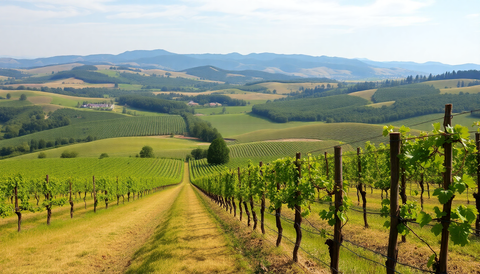
Terroir—the combination of soil, climate, topography, and human influence—plays a critical role in shaping the flavor and aroma of grape varietals. For example, a Cabernet Sauvignon from Bordeaux may taste significantly different from one grown in California's Napa Valley, even though they share the same grape variety. Understanding terroir helps explain regional differences and enriches your tasting experience, adding layers of context to each glass of wine.
Popular Red Wine Varietals
Red wines are among the most celebrated and diverse categories in the wine world. Each varietal offers its own set of characteristics, making them suitable for different occasions and culinary pairings.
Cabernet Sauvignon
Often dubbed the king of reds, Cabernet Sauvignon is renowned for its full body, robust tannins, and complex flavor profile. Typical notes include blackcurrant, blackberry, plum, cedar, and a hint of spice. This varietal is particularly prominent in Bordeaux, California, and Australia. Well-structured with aging potential, it pairs excellently with red meats, grilled vegetables, and hearty stews.
Merlot
Known for its softness and approachability, Merlot features smooth tannins and flavors of ripe plum, cherry, raspberry, and chocolate. It is a versatile wine suitable for casual sipping or pairing with poultry, pasta dishes, and soft cheeses. Regions like Bordeaux (Right Bank), California, and Italy produce notable Merlots.
Pinot Noir
Light in color and body, Pinot Noir is celebrated for its elegance, complexity, and delicate aromatics. Typical flavors include red berries such as cherry, raspberry, and cranberry, with earthy undertones and hints of spice. Its versatility makes it a favorite with dishes like duck, salmon, and mushroom-based recipes. Burgundy remains the iconic region for Pinot Noir, but excellent examples also come from Oregon and New Zealand.
Syrah/Shiraz
This full-bodied wine features bold black fruit flavors like blackberry and blackcurrant, along with spicy, smoky, and peppery notes. Syrah is prominent in the Rhône Valley in France, while Shiraz is the name used in Australia, where the wine can be rich and opulent. Perfect with grilled meats, barbecues, and flavorful stews.
Popular White Wine Varietals
White wines offer a refreshing and aromatic alternative to reds. They range from crisp and light to rich and buttery, making them suitable for various cuisines and occasions.
Chardonnay
Arguably the most versatile white wine, Chardonnay exhibits a broad spectrum of styles. It can be crisp with citrus and green apple flavors or full-bodied with buttery, vanilla, and oak notes. Regions like Burgundy, California, and Australia produce renowned Chardonnays. It pairs well with seafood, poultry in creamy sauces, and cheeses.
Sauvignon Blanc
Known for its high acidity and vibrant aromatics, Sauvignon Blanc offers flavors of green apple, lime, passion fruit, and grassiness. It’s a versatile wine that complements salads, goat cheese, oysters, and herbal dishes. Prominent regions include Loire Valley (France), New Zealand, and California.
Riesling
Highly aromatic and often sweet or off-dry, Riesling showcases flavors of peach, apricot, floral notes, and mineral nuances. It is especially popular in Germany, Alsace, and Austria. Riesling pairs beautifully with spicy Asian cuisine, roasted pork, and fruit-based desserts.
Pinot Grigio/Pinot Gris
This light, crisp white wine features flavors of lemon, pear, green apple, and mineral notes. Originating from Italy (Pinot Grigio) and France (Pinot Gris), it is ideal for casual drinking, seafood, and light pasta dishes.
Emerging and Regional Varietals
While the major varietals dominate the global market, exploring regional and lesser-known grapes can vastly broaden your palate. Many of these varietals are gaining popularity and recognition for their distinctive flavors:
- Zinfandel: Famous in California, Zinfandel offers jammy fruit flavors, black pepper, and spice. It ranges from medium-bodied to full-bodied, with a bold profile suitable for barbecue and hearty dishes.
- Malbec: Originating from France but now primarily associated with Argentina, Malbec is known for its deep violet color, velvety tannins, and flavors of ripe blackberry, plum, and violet.
- Sangiovese: The cornerstone of Italian Chianti, Sangiovese boasts bright cherry, tomato, and earthy flavors, with a tannic structure that improves with age.
- Grenache (Garnacha): Widely planted in France's Rhône Valley and Spain, Grenache produces fragrant, medium-bodied wines filled with red fruit, spice, and smoky notes.
Exploring Wines by Region
Understanding the regional origins of wine varietals enhances your appreciation and guides your choices:
- Bordeaux — Famous for its blends primarily using Cabernet Sauvignon, Merlot, and Cabernet Franc.
- Napa Valley — Renowned for its rich Cabernet Sauvignon and dynamic Chardonnay.
- Burgundy — The birthplace of Pinot Noir and Chardonnay, known for terroir expression.
- Rhône Valley — Home to Syrah, Grenache, and Viognier, producing robust reds and aromatic whites.
- Argentina — A leading producer of Malbec with distinctive, fruit-forward profiles.
- Italy — Rich with varietals like Sangiovese, Nebbiolo, and Glera (Prosecco).
Tips for Experimenting with Wine Varietals
Venturing into new varietals can be an enjoyable way to expand your palate. Here are some useful tips:
- Start with familiar styles— Gradually explore different regions or similar grape types to gain confidence.
- Attend wine tastings— Experiencing wines side by side helps identify preferences and nuances.
- Take notes— Record your impressions of each wine to remember what you liked or disliked.
- Pair with food—Experiment with pairings to see how flavors complement or contrast each other.
- Visit vineyards and wine regions— Experience the environment where grapes are grown and wines are made.
Future Trends in Wine Varietals
The wine industry continues to evolve, with trends such as organic and biodynamic wines gaining popularity. Additionally, innovative experimental blends and the use of lesser-known grapes are expanding the diversity of available wines. Sustainability and climate-conscious practices are also shaping how vineyards operate, influencing the flavor profiles of the wines produced.
Conclusion
The world of wine varietals is vast, varied, and endlessly fascinating. From bold reds like Cabernet Sauvignon and Syrah to delicate whites like Pinot Noir and Riesling, each grape tells a story rooted in its terroir and tradition. By exploring different varietals, regions, andwinemaking styles, you deepen your appreciation and enjoyment of wine. Whether you're savoring a glass at a dinner party or exploring new wineries, this knowledge empowers you to make better selections and enhances your overall wine experience in 2025 and beyond. Cheers to your ongoing journey into the captivating universe of wine!
Comments (0)
There are no comments for this article. Be the first one to leave a message!