
Introduction
White wine has captivated drinkers worldwide for centuries with its crisp, aromatic, and versatile profile. From the elegant Chardonnays to the bright Sauvignon Blancs and delicate Rieslings, white wine offers an array of flavors and styles that cater to all palates. But behind its delicate appearance lies a complex and meticulous production process that balances tradition with modern science. In this comprehensive 2025 guide, we delve into the essential ingredients and detailed steps involved in producing white wine, revealing how each phase influences the final product you enjoy in your glass.
Understanding the Key Ingredients of White Wine
The foundation of every great white wine is its ingredients. While the process varies depending on the style and region, several core components are universally essential:
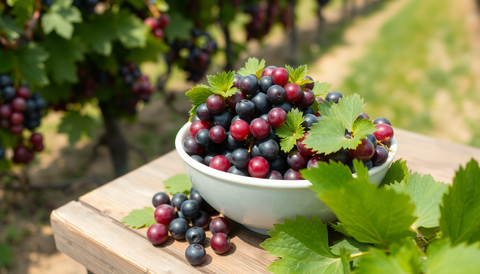
- Grapes: The primary raw material, typically white or red grape varieties with light-colored skins. Notable white grape varieties include Chardonnay, Sauvignon Blanc, Riesling, Semillon, and Pinot Grigio. These grapes are chosen based on climate, soil, and desired wine characteristics.
- Yeast: Microorganisms that ferment grape sugars into alcohol and CO₂. Different yeast strains can influence aroma, flavor, and fermentation speed, contributing to the unique profile of each wine.
- Water Content: Naturally present in grapes, water content affects sugar concentration and fermentation efficiency.
- Sulfites (Sulfur Dioxide, SO₂): Used as a preservative to prevent oxidation and bacterial spoilage during and after fermentation.
- Additional Additives (as needed): Such as fining agents, enzymes, or acidifiers to adjust the wine's clarity, stability, and acidity.
Step-by-Step White Wine Production Process
The journey from grapevine to glass involves a series of precise, controlled steps, each crucial for shaping the final product’s character. Let’s explore each stage in detail.
1. Harvesting
The process begins with harvesting grapes at optimal ripeness. Factors influencing harvest timing include sugar levels (measured in Brix), acidity, flavor maturity, and phenolic development. Skilled viticulturists monitor vineyard conditions closely to select the perfect window for harvest, which varies depending on grape variety and desired wine style.
2. Crushing and Pressing
Immediately after harvest, grapes are transported swiftly to the winery to minimize oxidation and preserve freshness. In the crushing stage, grapes are gently crushed to release juice, but in white winemaking, skin contact is minimized to prevent color extraction. This is often achieved through pneumatic or bladder presses, which gently extract juice while keeping phenolic compounds and pigments at bay.
3. Juice Settlement and Clarification
The extracted juice, still laden with solids like skin fragments, stems, and pulp, is transferred into fermentation tanks. It undergoes cold settling, a process where the juice is chilled, typically between 0-4°C (32-39°F), so solids sink to the bottom. This step results in clearer juice, essential for producing sparkling and high-quality still wines.
4. Fermentation
The clarified juice is inoculated with chosen yeast strains to begin fermentation. White wine generally ferments at cooler temperatures (10–15°C / 50–59°F) compared to reds, as lower temperatures preserve volatile aromatic compounds responsible for floral, fruity, and mineral notes. The fermentation converts sugars into ethanol and carbon dioxide, producing alcohol and flavor compounds.
5. Monitoring Residual Sugar and Fermentation Control
Winemakers continuously monitor sugar levels during fermentation through specific gravity measurements. They can halt fermentation early to retain residual sugar, creating sweeter styles, or allow it to complete for a dry wine. Adjustments can be made by racking or adding enzymes to influence mouthfeel and sweetness.
6. Malolactic Fermentation (Optional but Common in Certain Styles)
This secondary fermentation involves converting sharper malic acid into softer lactic acid with bacteria. It adds complexity, smoothing the wine’s acidity, and imparts buttery or creamy flavors, especially in Chardonnay. The decision to carry out MLF depends on desired flavor profile and wine style.
7. Lees Aging and Bâtonnage
Post-fermentation, white wines may be aged on their lees (dead yeast cells). Bâtonnage—periodic stirring of the lees—enhances mouthfeel, adds subtle yeasty or nutty notes, and preserves freshness. Aging duration varies from a few months to several years, depending on the wine type and style.
8. Blending and Stabilization
During aging, winemakers may blend different lots or barrels to achieve consistency or balance. For instance, blending Sémillon with Sauvignon Blanc creates Bordeaux dry whites. Stabilization involves cold stabilization and adding fining agents to prevent tartrate crystal formation, ensuring clarity and stability upon bottling.
9. Clarification and Filtration
Before bottling, wines undergo clarification via fining agents such as bentonite, kaolin, or casein to remove suspended particles and cloudy elements. Filtration further ensures microbiological stability and clarity, preventing spoilage and ensuring a pristine appearance.
10. Bottling and Packaging
The final step involves transferring the wine into bottles under controlled conditions to limit oxygen exposure, which could cause spoilage. A small amount of sulfur dioxide may be added to protect the wine during bottling. Bottles are corked, labeled, and prepared for distribution.
Additional Considerations in White Wine Production
- Aging Potential: Most white wines are designed to be enjoyed young to preserve their freshness. However, some premium wines, like aged Chardonnay or Riesling, benefit from bottle aging, developing richer, more complex flavors.
- Wine Styles: White wines can be still, sparkling, or fortified. The production techniques vary accordingly, with sparkling wines like Champagne involving secondary fermentation in bottles.
- Region-Specific Techniques: Climate and terroir influence viticultural and vinification choices, producing distinctive styles unique to regions like Bordeaux, Burgundy, or the Clare Valley.
The Art and Science of White Wine Making
White wine production is a harmonious blend of science and artistry. Modern technology allows precise control over fermentation and stabilization, while traditional techniques preserve terroir and craftmanship. Every step, from grape harvest to bottle, plays a vital role in shaping aroma, flavor, texture, and overall quality.
Conclusion
Understanding the ingredients and meticulous process behind white wine enhances appreciation for this elegant beverage. Whether you prefer a crisp Sauvignon Blanc, a floral Riesling, or a rich Chardonnay, recognizing the craftsmanship involved enriches your tasting experience. At McLaren Vale Cellars, we pride ourselves on our expertise and passion for creating exceptional white wines. We invite you to explore our curated selection and discover the artistry behind every bottle. Cheers to the fascinating world of white wine!

Comments (0)
There are no comments for this article. Be the first one to leave a message!