
Introduction
When it comes to enjoying wine, the glass you choose plays a crucial role in how the wine's aromas, flavors, and overall experience are perceived. Many wine lovers and connoisseurs pay close attention to varietals, vintages, and pairings, but often overlook the importance of selecting the appropriate glassware. Knowing the standard sizes of wine glasses and understanding their significance can transform a good wine experience into an exceptional one. This comprehensive guide walks you through everything you need to know about standard wine glass sizes, how to choose the right glass for each wine, and tips for enhancing your tasting sessions.
Understanding Standard Wine Glass Sizes
Standard wine glass sizes are rooted in centuries of tradition and scientific understanding of aroma and flavor dynamics. Recognizing these sizes helps ensure consistent pouring, moderates alcohol intake, and maximizes each wine's potential.
Typical Capacity of Wine Glasses
- Traditional Standard: Approximately 150ml to 200ml, ideal for tasting and maintaining proper serving sizes.
- Everyday Drinking Glasses: Usually range from 200ml to 300ml for comfortable drinking and aroma development.
- Larger Serving Glasses: 300ml to 450ml, often used for red wines to allow space for aeration and swirling.
Historical Background
The development of the modern wine glass size traces back to 18th-century English glass-blowing practices, where vessel sizes were standardized for convenience and tradition. Today, the international benchmark for a standard wine bottle—750ml—serves as a reference for calculating the number of glasses you can pour from one bottle.
How Much Wine Is Typically in a Standard Glass?
Knowing how much wine is poured into a glass ensures balanced tasting and responsible drinking. Here are some key points:
- The widely accepted pour in many countries, including Australia and parts of Europe, is 150ml — enough to appreciate the wine without overwhelming the senses.
- From one 750ml bottle, you generally get about 5 glasses at this standard pour.
- Some establishments serve larger pours, especially for reds or premium wines, which can range from 180ml to 250ml per glass.
- Proper measurement promotes moderation and responsible consumption, especially in social or professional settings.
The Influence of Glass Size on Wine Aromas and Flavors
The size of the glass impacts how aromas are directed towards your nose and how flavors are perceived. Larger glasses with broader bowls allow wine to breathe and release complex aromas, while smaller glasses focus the scent and allow for more controlled tasting.
Choosing the Right Glass for Every Wine Type
Different wine varieties have unique characteristics that are best suited to specific glass shapes and sizes. Here’s a detailed look at choosing glasses tailored to each wine type:
Red Wines
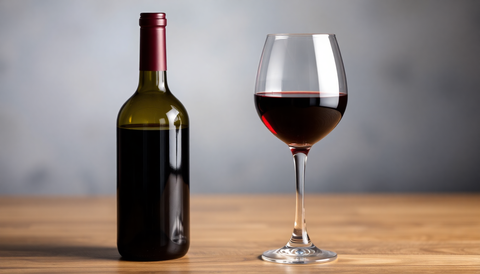
- Shape: Wide, rounded bowls that give the wine room to breathe, enhancing aromatic complexity.
- Size: Usually between 300-450ml capacity, providing ample space for swirling.
- Best for: Full-bodied, tannic reds like Cabernet Sauvignon, Merlot, and Bordeaux blends benefit from larger glasses that help soften tannins and release aromas.
White Wines
- Shape: Narrower, tulip-shaped bowls that preserve freshness and citrus notes.
- Size: Typically around 200-300ml.
- Best for: Crisp and aromatic whites such as Sauvignon Blanc, Chardonnay, and Riesling. The shape concentrates the delicate aromas and maintains cooler temperatures.
Rosé and Light Red Wines
- Shape: Medium-sized glasses with slightly narrower openings to focus delicate aromas.
- Size: Approximately 250-300ml.
- Best for: Rosé wines and light reds like Pinot Noir, allowing subtle scents to emerge without losing freshness.
Sparkling and Effervescent Wines
- Shape: Flute glasses with long stems and narrow bowls designed to preserve bubbles.
- Size: Usually 180-250ml.
- Best for: Champagne, Prosecco, and other sparkling wines, maintaining carbonation and enhancing visual appeal.
Specialty Wine Glasses and Variations
In addition to standard types, there are specialty glasses designed for specific wine styles or tasting experiences:
- Tasting glasses: Smaller sizes (around 100-150ml) intended for sampling multiple wines.
- Decanter glasses: Larger, often with a broad bowl to facilitate aeration of vintage reds.
- Wine snifters: Rounded glasses for aromatic spirits and aged wines that benefit from concentrated aroma.
Materials and Design Considerations
The material of the glass can influence your tasting experience:
- Crystal vs. Glass: Crystal glasses tend to be thinner and more elegant, often with a finer rim that enhances taste and aroma perception.
- Stemmed vs. Stemless: Stemmed glasses allow you to hold the glass without warming the wine, maintaining optimal temperature.
- Design Harmony: Choose glasses that complement your table setting and personal style, but prioritize functionality for the best tasting experience.
Tips for Proper Glassware Care and Usage
To maximize your wine glasses' lifespan and maintain their clarity:
- Wash glasses gently with warm water and mild detergent.
- Avoid abrasive scrubbing that can scratch the surface.
- Handle by the stem to prevent leaving fingerprints on the bowl.
- Store upright in a safe place to prevent chips or breakage.
Summary and Final Tips
Choosing the correct wine glass size and shape enhances the aroma, flavor, and overall enjoyment of your wine. Here are some final tips:
- Match the glass shape to the wine style for optimal tasting.
- Use appropriate sizes to ensure proper pouring and moderation.
- Invest in quality crystal or fine glassware for clarity and elegance.
- Handle with care and clean thoroughly to preserve clarity and integrity.
Conclusion
Proper wine glass selection is an essential component of a memorable wine-drinking experience. By understanding standard sizes and choosing the appropriate shape for each wine, you can unlock the full potential of your collection. Whether you're hosting a dinner party, enjoying a quiet evening, or exploring new vintages, the right glass makes all the difference. Embrace these guidelines to elevate your wine enjoyment to new heights!
Comments (0)
There are no comments for this article. Be the first one to leave a message!