
Introduction
The world of wine is a never-ending adventure filled with diverse flavors, aromas, and styles. From the deep, complex reds to the crispy, refreshing whites, each wine tells a story of its origin, grape variety, and craftsmanship. As we step into 2025, wine enthusiasts—from novices to connoisseurs—continue to seek a deeper understanding of this ancient beverage. This comprehensive guide aims to illuminate the many facets of wines, helping you navigate, appreciate, and enjoy the vast spectrum of options available today.
The Significance of Knowing Your Wine
Understanding the different types of wine enhances your tasting experience, improves your ability to pair wines with foods, and deepens your appreciation of regional and varietal nuances. Whether you're selecting a bottle for a dinner party, exploring new wines at a vineyard, or expanding your home collection, knowing what to look for empowers you to make informed choices that elevate your wine journey in 2025.
Major Categories of Wine
Wines are broadly classified into five primary categories, each with unique characteristics, production methods, and appeal:
- Red Wines: Known for their rich textures, tannic structure, and complex aromas.
- White Wines: Light, crisp, and often fruit-forward, offering a refreshing palate experience.
- Rosé Wines: Straddle the line between red and white, combining fruitiness with bright acidity.
- Sparkling Wines: Effervescent and festive, perfect for celebrations.
- Dessert Wines: Sweet, rich, and indulgent, typically enjoyed at the end of a meal or with desserts.
Deep Dive into Red Wines
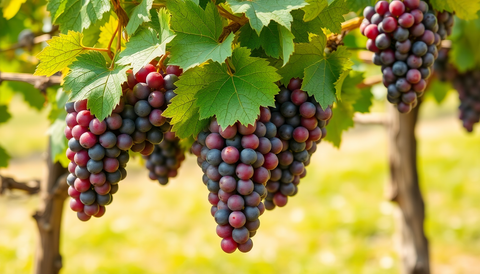
Red wines continue to be some of the most beloved and diverse. Their versatility makes them suitable for pairing with hearty dishes, making them staples in many wine cellars. Let's explore some of the most popular varietals:
Popular Red Grape Varietals
- Cabernet Sauvignon: Known as the king of red grapes, it produces full-bodied wines with flavors of blackcurrant, blackberry, and cedar. These wines often age well, developing complex tertiary notes over time.
- Merlot: Smoother and softer than Cabernet, with flavors of ripe plum, chocolate, and herbs. Merlot is approachable for beginners and pairs beautifully with a wide range of foods.
- Pinot Noir: Famous for finesse and elegance, with lighter body and flavors of cherry, raspberry, and earthy undertones. Pinot Noir is one of the most expressive varietals, reflecting its terroir vividly.
- Syrah/Shiraz: Spicy, peppery, and full-bodied with notes of black fruit and smoky undertones. Originating from France and popular in Australia, Syrah/Shiraz varies greatly depending on region.
- Zinfandel: Known for its bold, jammy fruit flavors with hints of spice and often oak-derived notes, Zinfandel is a versatile choice for those seeking richness and vibrancy.
Red Wine Styles
Red wines come in various styles, from light and delicate to dense and powerful:
- Light-bodied reds: Such as Pinot Noir, offering elegance and finesse.
- Medium-bodied reds: Merlot and Grenache, balancing softness and structure.
- Full-bodied reds: Cabernet Sauvignon and Syrah with intense flavors and tannic grip.
Exploring White Wines
White wines often serve as the perfect accompaniment to light fare, seafood, and salads. Their vibrant acidity and aromatic profiles appeal to a wide audience. Here are some key varietals to know in 2025:
Key White Wine Varietals
- Chardonnay: Extremely versatile—ranging from crisp and green apple-driven wines to rich, buttery, and oak-aged styles.
- Sauvignon Blanc: Known for its zesty freshness, with flavors of lime, green apple, passion fruit, and sometimes grassy or herbaceous notes.
- Riesling: Aromatic and highly expressive, with a range from bone-dry to lusciously sweet, featuring notes of apricot, honey, and petrol in some old-world examples.
- Pinot Grigio/Pinot Gris: Typically light and crisp, with flavors of pear, apple, and citrus, but with regional variations offering richer textures.
- Gewürztraminer: Aromatic with floral and lychee notes, often with a hint of spice and sometimes a touch of sweetness.
White Wine Styles
White wines in 2025 continue to evolve, with natural and biodynamic wines gaining popularity. Styles range from:
- Crisp and unoaked: Like Sauvignon Blanc or Pinot Grigio, offering freshness and high acidity.
- Rich and oaked: Like some Chardonnays with buttery, vanilla, and smoky notes.
- Aromatic and sweet: Rieslings and Gewürztraminers offering aromatic complexity and sweetness levels from dry to dessert-style.
Rosé: The Trendy and Timeless
Rosé wines have truly blossomed into a worldwide phenomenon by 2025. Their attractive hue, fruit-forward nature, and versatility make them suitable for any occasion. They are produced through limited skin contact with red grapes, often from red varietals like Grenache, Syrah, or Pinot Noir.
Styles of Rosé
- Provence-style rosé: Light, dry, and refreshing with red berry flavors.
- California-style rosé: Sometimes fuller-bodied and slightly sweeter.
- Organic and natural rosé: Gaining popularity for their purity and minimal intervention.
Sparkling Wines: Cheers to Celebration
Sparkling wines are synonymous with celebration. Their effervescence is created through various methods:
- Méthode Champenoise: Traditional method used for Champagne, involving secondary fermentation in the bottle.
- Tank Method: Used for Prosecco, involving fermentation in large tanks.
- Transfer Method and Charmat: Variations used to produce quality sparkling wines efficiently.
Popular Sparkling Varietals
- Champagne: Fine bubbles, complex aroma, often aged on yeasts for added depth.
- Prosecco: Lively, fruity, and slightly sweeter, perfect for casual sipping.
- Cava: Spanish sparkling wine with a crisp, mineral character.
Dessert and Fortified Wines
These rich, sweet wines provide a decadent finish to any meal and often pair with cheeses or desserts:
- Port: Fortified wine from Portugal, with flavors of ripe berries and often a nutty, caramelized character.
- Sauternes: French botrytized wine, luscious with honey, apricot, and candied citrus notes.
- Icewine (Eiswein): German and Canadian specialties with concentrated sweetness and vivid acidity.
Understanding Variability: Terroir and Vintage
Two crucial concepts frame the world of wine: terroir and vintage. Terroir encompasses the soil, climate, and landscape where grapes are grown, profoundly shaping flavor profiles. Vintage indicates the year of harvest, with weather conditions during that year influencing grape quality and wine characteristics. In 2025, vintages with ideal climatic conditions continue to be highly sought after.
Discovering and Appreciating Varietals
Each grape varietal brings its own unique personality to the bottle, contributing to a wine's aroma, flavor, and texture. Learning about key varietals enhances your tasting journey and helps you discover your favorites:
- For reds: Cabernet Sauvignon, Merlot, Pinot Noir, Syrah, Zinfandel
- For whites: Chardonnay, Sauvignon Blanc, Riesling, Pinot Grigio, Gewürztraminer
Food Pairing Strategies
Pairing wine with food is both an art and a science. Here are some tried-and-true tips for 2025:
- White wines like Sauvignon Blanc or Chardonnay complement seafood, salads, and light chicken dishes.
- Red wines like Cabernet or Merlot are ideal for red meats, grilled dishes, and hearty stews.
- Sweeter wines such as Port or Sauternes enhance desserts, blue cheeses, and foie gras.
Exploring Lesser-Known and Innovative Styles
The wine world continually expands with innovative styles that challenge traditional boundaries:
- Orange Wine: White grapes fermented with skins, resulting in an orange hue and complex, tannic flavor profile.
- Pet-Nat (Pétillant Naturel): Naturally sparkling, unfiltered, with lively bubbles and earthy notes.
- Organic and Biodynamic Wines: Wines made from grapes grown with minimal chemical intervention, emphasizing purity and vineyard expression.
Mastering the Art of Wine Tasting
The process of tasting wine involves engaging all senses to appreciate its myriad qualities. Follow these steps for peak enjoyment:
- Visual Inspection: Observe color, clarity, and viscosity.
- Aromatics: Swirl gently, sniff deeply, and identify aromas—fruity, floral, spicy, earthy.
- Sipping and Savoring: Take a small sip, let it coat your palate, and assess flavors, acidity, tannins, and texture. Notice the finish and how flavors evolve.
Final Thoughts
As we progress through 2025, the diversity of wines continues to expand, driven by innovative techniques, sustainable practices, and a global exchange of ideas. Whether exploring new varietals, regions, or styles, each wine offers a unique story and sensory experience. Your journey into the world of wine is ongoing—embrace it with curiosity and appreciation, and you’ll find that every glass has a new discovery to share.
Remember, the most important aspect of wine tasting is enjoyment. Cheers to your vinous adventures in 2025!
Comments (0)
There are no comments for this article. Be the first one to leave a message!