
Sweet wines in Australia range from gently off-dry table styles to the rich, long-lived fortified classics. Tasting them is like listening to a finely tuned composition, where sugar, acidity and aromatics each play their part in perfect balance.
Discovering Sweet Wines In Australia
Australia’s journey with sweet wine begins in colonial times, when early settlers experimented with fortified styles, and continues today in crisp late-harvest treasures. We’ll unpack each chapter in layers—sharing stories from the vineyard, alongside concrete tasting notes to bring each style to life.
Here are the Australian sweet-wine pillars:
- Fortified Muscats from Rutherglen: raisiny warmth with decades of ageing potential.
- Botrytised Rieslings in Eden Valley: honeyed depth meets bright citrus twist.
- Late-Harvest Semillon: a dance between sugar and zing, keeping each sip surprisingly fresh.
In our sun-soaked climate, grapes often ripen to lofty sugar levels. Sometimes they’re even sun-dried—much like fruit left in an attic—to concentrate those flavours before pressing.
Harmony Of Sugar, Acidity And Aroma
Balance is everything here. Imagine sugar and acidity on a seesaw—each offsetting the other to create a lively, fresh glass. The sweetness might coat your palate like icing, while crisp citric notes lift and refresh.
“Sweet wines are a musical duet of sugar and acid, with aromatics as the melody.”
For a deeper dive, check out our guide on discovering the sweet side of wine.
Each tasting is like dessert in a glass. You’ll meet layers of stone fruit, warm honey and gentle spice that reveal themselves sip by sip.
Planning Your Sweet Wine Exploration
Starting out, mixed sample packs are your best friend—they let you compare styles without breaking the bank. When you’re label-reading, look for these tell-tale phrases:
- Late Harvest
- Botrytis
- Muscat Reserve
A few service tips will heighten your experience:
- Serve late-harvest whites at 8°C to preserve freshness.
- Choose small dessert glasses to concentrate aromas and manage pours.
- Store bottles horizontally, in a cool, dark spot to protect their character.
As you work through different bottles, jot down notes. Tracking sweetness, acidity and aroma will sharpen your palate and build confidence.
Next Steps For Tasting Journey
Head out to cellar doors for regional tastings or order curated packs from McLaren Vale Cellars online. Every glass is an invitation to uncover another facet of Australia’s sweet-wine heritage. So pour yourself a taste and savour each vibrant note.
History And Evolution Of Sweet Wine Production
From the moment hardy settlers planted vines in Australia’s sun-baked soils, sweet wine began to flourish. Those early winemakers needed grapes tough enough to survive scorching summers yet ripe enough to deliver luscious sweetness.
Naturally, they turned to Muscat and fortified styles—wines that quickly became local staples and prized exports.
- Rutherglen Muscat with its raisiny, toffee-like depth
- Port-style Shiraz and Topaque built for the long voyage
- Sun-dried table wines from the heart of the inland heat
These fortified shipments were like liquid postcards, carrying tales of warmth and sweetness to far-off markets.
By the mid-20th century, sweet and fortified wines dominated Australia’s output. Around the 1950s, roughly 86% of all Australian grapes were crushed into fortified styles—where fermentation halts when grape spirit is added, leaving a sweet finish. Learn more about these early trends in wine history
When stainless steel tanks arrived in the 1970s, everything changed. Cleaner ferments unlocked brighter fruit characters and gave rise to more delicate, unfortified sweet wines. Sydneysiders, for instance, discovered a new delight: crisp sweetness paired with fresh seafood, a world away from heavy colonial stickies.
Early Colonial Production
Settlers pressed grapes in simple stone huts or open-air vats, often blending varieties for balance. Harvests were timed carefully—often at dusk—to keep grapes cool and sugars in check. These pioneers also perfected shipping fortified “stickies” that arrived sweet, stable and ready to impress overseas.
Mid Century Transitions
By the 1960s, palates gravitated toward fresher sweet whites. Winemakers experimented with:
- Cold fermentation stops to retain natural sugars
- Botrytised wines modelled on European classics
- Oak maturation trials for late-harvest Viognier in Rutherglen
“Stainless steel changed everything, adding purity to sweet wine styles and boosting appeal.”
These innovations proved that oak spice and natural sweetness could be perfect partners.
Modern Premium Offerings
Today’s winemakers zero in on late-harvest picks and noble rot, with regions like Eden Valley and Hunter Valley leading the way in honeyed Rieslings and Semillons. Key milestones include:
- Controlled botrytis harvests
- Temperature-controlled fermentations
- Single-vineyard late-harvest labels
Cellar doors now buzz with sweet wine events, where you can compare decades-old fortified treasures against fresh botrytised releases.
Australia’s sweet wine heritage continues to shine on the world stage. Recent surveys reveal that 20% of sweet wine consumers now favour late-harvest styles. Each bottle pours a narrative of tradition meeting innovation—a testament to a century’s journey from fortified “stickies” to crystal-clean sweetness.
Key Sweet Wine Styles And Regions
Australia’s sweet wine universe is a tale of contrasts. One moment, you’re savouring the rich, raisiny depth of Rutherglen Muscat; the next, you’re lifted by the honeyed, citrus-bright magic of Eden Valley’s botrytised Riesling.
Rutherglen Muscat feels like nature’s own toffee candy—bold, sticky and intensely flavoured. In Eden Valley, morning mists coax botrytis onto Riesling grapes, turning each sip into a drop of golden sunlight with a zing of citrus.
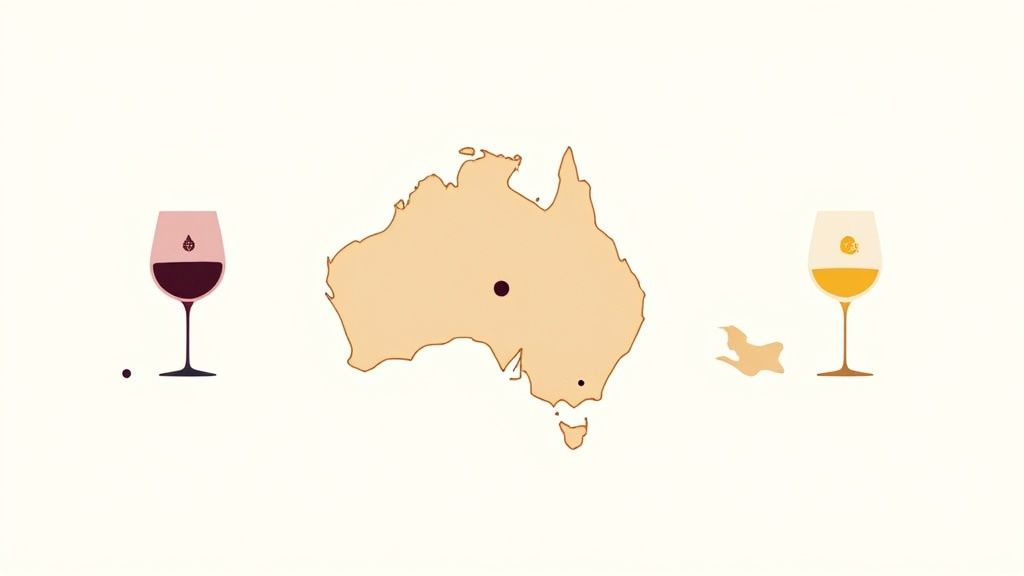
That snapshot captures Australia’s early sweet wine experiments—fortified favourites giving way to today’s more nuanced styles.
Comparison Of Sweet Wine Styles And Regions
Before you explore further, here’s a quick side-by-side look at the stars of the show.
| Region | Style | Flavour Profile | ABV |
|---|---|---|---|
| Rutherglen | Muscat Reserve | Raisin, toffee, caramel | 18% |
| Eden Valley | Botrytis Riesling | Honey, citrus zest | 9.5% |
| Hunter Valley | Semillon Late Harvest | Stone fruit, vibrant acidity | 11% |
| Riverina | Sun-dried Semillon | Apricot, marmalade | 12% |
In this table, you can see how location, technique and climate combine to shape each wine’s personality.
Regional Climate Effects
- Rutherglen bakes under relentless sun that concentrates sugars in Muscat grapes.
- Eden Valley’s altitude and morning fog encourage botrytis to create a honeyed Riesling.
- Hunter Valley’s warm days and cool nights let Semillon ripen slowly for perfect late-harvest balance.
- Riverina’s arid air and irrigation systems make sun-drying grapes an effortless way to intensify flavours.
Over decades, these conditions guided growers from sweet-fortified dominance in the early 20th century toward a focus on premium dry wines by the late 1900s. In 1953, under 600 hectares of vines concentrated on fortified styles formed part of a national area of roughly 20,000–30,000 hectares.
Learn more about Australian wine evolution on Wikipedia.
You might be interested in our guide on Riesling from dry to sweet styles.
Winemaker Innovations
Turning grapes into luscious sweet wines is both craft and science. Botrytis can be a winemaker’s best friend, but it demands precision.
- Some producers lay Semillon on straw mats, channeling an Italian passito vibe.
- Others harvest Riesling clusters at freezing temperatures to coax out delicate icewine flavours.
- A handful blend sun-dried and botrytised berries for layers of complexity.
“Perfect timing and selective picks are what push sweetness into balance,” reflects a seasoned viticulturalist.
Anecdotes From The Vineyard
Hands-on methods often yield the most memorable expressions.
- In Riverina, one artisan racks Muscat clusters on straw for four days, ramping up caramel depth.
- An Eden Valley winemaker makes three passes through a single Riesling block, chasing ideal botrytis.
- In Hunter Valley, Semillon bunches sunbathe on cottage roofs for 48 hours, intensifying fruit concentration.
“When you chase shrivel, harvest windows can stretch over weeks,” notes an industry old-hand.
These stories show how dedication and timing become the secret ingredients in Australia’s sweetest wines.
Choosing Your Next Sweet Wine
Matching a dessert wine to your occasion is the key to a memorable moment.
- Crave sticky toffee nuances? Reach for a Rutherglen Muscat.
- Longing for honey-citrus brightness? Eden Valley’s botrytised Riesling awaits.
- Want sugar plus zing for cheese boards or fruit tarts? Hunter Valley Late Harvest Semillon works wonders.
Tasting side by side at cellar doors helps you refine your preferences. McLaren Vale Cellars also offers curated mixed packs that span regions. Check back labels for sugar and acidity levels to guide your choice.
Sweet wines invite slow sipping and thoughtful food pairings. Pour with care, pair with purpose and savour every drop.
How Sweet Wines Are Made And Tasted
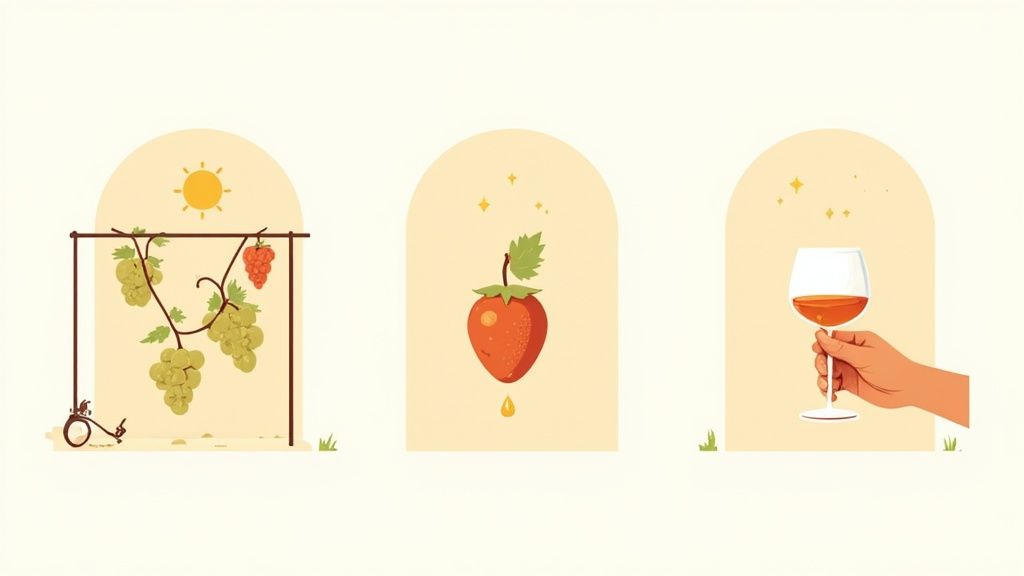
Australia’s sweet wines owe their charm to two core approaches: fortification and fermentation arrest. In both cases, winemakers aim to capture natural grape sugars and build layers of flavour.
With fortified styles, a neutral grape spirit halts the yeast, locking in sweetness and adding a gentle warmth. In contrast, fermentation stops—often by chilling tanks—preserve vibrant fruit notes and a clean finish.
Production Methods
Fortified Styles
• Winemakers sprinkle in grape spirit to stop fermentation and seal in sugar levels.
• The result is a rich, velvety wine that feels almost liqueur-like on the palate.
Cold-Stop Fermentation
• Tanks drop to near-zero temperatures to pause yeast activity.
• Bright aromas—from citrus zest to tropical florals—stay intact.
Late-Harvest Techniques
• Grapes are left on the vine longer, concentrating sugars and flavours.
• If noble rot strikes, Botrytis cinerea shrivels grapes for honeyed complexity.
Sun-Dried Methods
• Bunches rest on straw mats under the sun, mimicking traditional raisin styles.
• This intensifies toffee and dried-fruit notes before pressing.
Balancing Sweetness And Acidity
Think of sweet wine as a duet: sugar and acid must sing in harmony. Too much sweetness without a crisp acid backbone can feel cloying. Enough acidity, however, brings lift, zip and a clean finish.
Steps To Evaluate Balance
- Check the residual sugar value on the label for sweetness intensity.
- Note the pH or acid percentage to gauge freshness.
- Sip along your tongue’s edges to feel the shift between sweet and tart.
Tasting And Serving Tips
Choose a small dessert glass to concentrate aromas and control pours. Serve late-harvest Semillon at 8°C, botrytised whites at 6–7°C, and fortified styles around 13°C to coax out their layers.
| Style | Serving Temperature |
|---|---|
| Late-Harvest Semillon | 8°C |
| Botrytised Whites | 6–7°C |
| Fortified Wines | 13°C |
Tip: Give your glass a gentle swirl to release ethereal honey and dried-fruit scents before taking that first sip.
Swirl, sniff, then sip along the palate’s edge—this way you’ll savour where sweetness meets acidity and uncover hidden spice notes.
Fortified and sweet wines once dominated Australia’s export trade, claiming 78% production share in 1923 and driving over 60 litres per capita consumption in the 1910s and 1950s. Learn more in Table 29 at the University of Adelaide wine economics archive.
Check out our complete guide to fortified wines for deeper tasting notes and history. Read also our guide on fortified wine history and tasting notes at The Complete Guide to Fortified Wines.
Overview Of Key Flavours
• Honeyed Spice: Botrytised layers yield warm, sweet-spiced aromas.
• Citrus Lift: Bright zest cuts through syrupy weight.
• Apricot Jam: A long, lingering finish that invites slow, reflective sipping.
Semillon late-harvest often brings stone fruit and a lively acid backbeat. Muscat reserves lean into raisiny, toffee-like notes that evolve beautifully over years.
Final Thoughts
Understanding how sweet wines are made and tasted transforms each glass into an adventure. Next time you swirl, remember the delicate dance of sugar, acid and aroma that defines Australia’s sweet-wine heritage.
Pair your discoveries with fruit tarts, blue cheese or tangy sorbets for a contrast that sings. Store opened bottles in a cool, dark spot and enjoy within a few days to maintain freshness. For longer ageing, fortified styles can unfold over decades when kept steady at 13–15°C.
Unlock curated sample packs at McLaren Vale Cellars to explore botrytised Riesling, Late Harvest Semillon and Muscat Reserve—all without committing to full bottles. Start your sweet wine journey today.
Food Pairings And Serving Tips
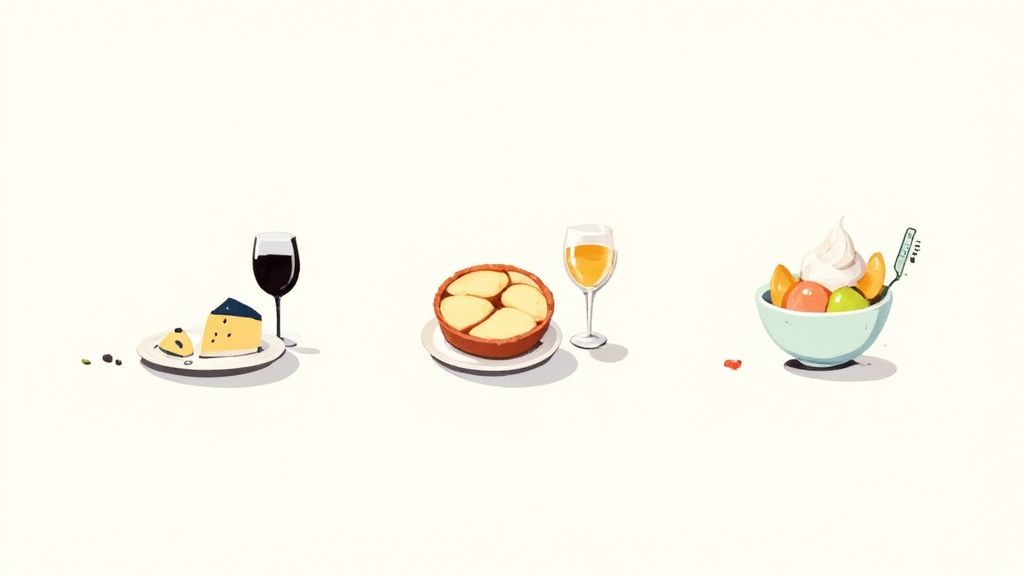
Pairing a sweet wine is like conducting a dessert orchestra—every note of sugar, acidity and texture needs to sing together. In Australia, these wines offer endless opportunities to highlight both their lush sweetness and bright lift.
Consider these delicious duos:
- Rutherglen Muscat With Blue Cheese brings together raisin-rich sweetness and a creamy, tangy punch.
- Late Harvest Semillon With Apple Tart weaves warm pastry and crisp fruit acidity into a seamless harmony.
- Botrytised Riesling With Tropical Fruit Sorbet contrasts sun-drunk citrus notes with a whisper of honeyed spice.
Choose Serving Temperatures
Temperature can make or break your tasting. Chill late-harvest wines to 8°C to keep fruit aromas vivid. Fortified styles show off their caramel and spice layers closer to 13°C.
| Style | Serving Temperature |
|---|---|
| Late-Harvest Semillon | 8°C |
| Botrytised Riesling | 6–7°C |
| Fortified Wines | 13°C |
Select Ideal Glassware
The right glass steers sweetness and aromas to your nose and your palate. A small, tulip-shaped dessert glass captures every nuance.
- Look for narrow rims to focus scents.
- Opt for a small bowl that traps delicate aromas.
- Choose lightweight stems for easy swirling.
Follow Storage Best Practices
Sweet wines are sensitive to light, heat and odours—store yours correctly and they’ll reward you.
- Keep bottles on their side in a cool, dark spot.
- Young late-harvest styles are best enjoyed within 3 years.
- Fortified gems can sit comfortably for 10–20 years.
Expert Tip Store sweet wines in Australia away from strong odours to avoid aroma contamination.
- Check seals regularly to guard against cork taint.
- Label each bottle with its purchase date and style.
- Rotate stock so you enjoy the oldest bottles first.
Explore Advanced Pairing Ideas
For seasoned palates, savour the interplay of sweet wine with richer or spiced savoury dishes. A creamy foie gras against botrytised Semillon cuts through fat and emphasises marmalade notes.
- Pair Tokaji with blue-veined cheese for a deep, savoury-sweet dialogue.
- Match caramelised onion tart and Late Harvest Semillon to echo cooking caramel and crisp acidity.
- Serve chocolate-pot-de-crème alongside Rutherglen Muscat to bring out dark-fruit and toffee aromas.
Final Serving Suggestions
Before you pour, confirm the wine is at the right temperature and your glass is spotless. Pour a modest 60–90 ml measure—just enough to swirl and sniff. Refill as you sip to keep the aromas flowing.
Top Tips Easily Remember
- Always chill late-harvest wines slowly in the fridge for 2 hours before serving.
- Pre-slice cheeses and fruits so each bite complements your wine without overwhelming it.
How To Choose And Buy Sweet Wines From McLaren Vale Cellars
Navigating sweet wine labels can feel like learning a new language. Online or at the cellar door, McLaren Vale Cellars makes discovery straightforward.
The homepage highlights sample packs, clear cues such as Late Harvest and Botrytis, plus a banner for free delivery over $100.
Decoding Label Terms
Understanding label terms is half the fun. Look for Late Harvest when grapes rest on the vine longer, creating gentle sweetness.
Choosing Botrytis reveals honeyed layers from noble rot in misty, warm conditions. Muscat Reserve brings raisin and toffee aromas, with a higher alcohol level that shines with age.
To simplify, think in sugar brackets:
- Light Sweetness: 30–60 g/L for subtle honey notes
- Medium Sweetness: 80–120 g/L balancing fresh fruit and syrup
- Intense Sweetness: 150+ g/L delivering full-bodied raisin richness
Building Your Sweet Wine Collection
Start simple with a Late Harvest Semillon—bright honey tones and moderate body.
Next, add a Botrytis Riesling for citrus lift with syrupy depth. Then include a Muscat Reserve bottle to unlock rich toffee layers that evolve over decades.
Keep these tips in mind:
- Mix light to intense sweetness for contrast
- Rotate regional bottlings each season
- Check vintage notes: cooler years boost acidity, warm years heighten sugar
- Balance youthful releases with age-ready Fortified Muscats
Sample Packs And Offers At McLaren Vale Cellars
McLaren Vale Cellars has packaged sweet wine exploration into handy sample sets. Below is a quick comparison of what’s on offer.
Sample Packs and Offers at McLaren Vale Cellars
| Pack Name | Bottles Included | Price | Flavour Focus |
|---|---|---|---|
| Sweet Intro Pack | 3 | $90 | Light honeyed styles |
| Botrytis Discovery | 4 | $140 | Honey-citrus balance |
| Muscat Reserve Trio | 3 | $180 | Raisin and toffee |
| Ultimate Sweet Case | 6 | $320 | Mixed intensity |
Use these packs to train your palate and refine your preferences.
Shopping And Membership Perks
Drop into the cellar door for guided tastings where staff decode sugar levels and style nuances.
Online, filter by sweetness, vintage and price to find your ideal bottle in seconds. Orders over $100 qualify for free Australia-wide delivery in 2–4 business days.
Members enjoy:
- Early access to new releases
- Exclusive member pricing
- Points on every purchase
- VIP deals and discount codes
If a bottle doesn’t suit your palate, the Taste Guarantee lets you return or exchange within 30 days.
Set your budget with entry packs at $90, mid-range options at $140–$180, or an all-in case above $300. Click & Collect and seasonal a la carte packs make sampling simple.
You’ll receive tasting notes by email, then store your sweet wines at 13 °C–15 °C away from light for optimal ageing.
Visit McLaren Vale Cellars to start your sweet wine journey.
Enjoy each pour at the perfect temperature, and rotate bottles to savour peak flavours every time.
Frequently Asked Questions About Sweet Wines in Australia
When it comes to sweet wines, many of us pause in front of the dessert-drink aisle, curious about what makes a wine linger on your palate like a spoonful of honey. In Australia, dessert wines span from late-harvest whites to rich fortified styles, each with its own charm and quirks.
In this FAQ, we’ll demystify how sweetness is measured, share storage and ageing tips, suggest winning dessert pairings, and explore whether these wines deserve a spot in your cellar.
What Makes a Wine Sweet
At the heart of a sweet wine lies residual sugar—the grape sugars that escape full fermentation, leaving that soft, syrupy edge on your tongue. Think of it as the grapes’ parting gift to your glass.
• Late-harvest wines typically carry 45–60 g/L of residual sugar.
• Fortified wines often exceed 120+ g/L, thanks to the addition of grape spirit.
• A brisk acidity (pH around 3.2–3.5) keeps sweetness from feeling cloying.
How To Store And Age Sweet Styles
Correct cellaring can transform sweet wines over years, even decades. Imagine tucking fortified wines into a cosy space at 13–15 °C. Over time, they unfurl layers of toffee, nuts and dried fruits. Late-harvest whites prefer a cooler retreat—think 10–12 °C—to lock in their bright honey and citrus aromatics.
“Treat fortified wines like a fine spirit, and late-harvest like a delicate white,” suggests a seasoned winemaker.
Which Sweet Wines Pair With Desserts
Matching weight and flavour is the secret to a memorable finale.
• Rutherglen Muscat meets its match in blue cheese or dark chocolate, heightening those raisiny, caramel notes.
• Late-Harvest Semillon cuts through apple tarte or crème brûlée with a refreshing acidity.
• Botrytised Riesling dances alongside fruit salad or lemon meringue pie, spotlighting honeyed citrus lifts.
Are Australian Sweet Wines Good For Cellaring
If you’ve imagined a wine cellar as a treasure chest, fortified Australian wines are the hidden gold—aging gracefully for decades. Late-harvest styles, by contrast, are more like charismatic guests; enjoy their freshness within 5–8 years of release.
For both styles, store bottles horizontally in a dark, vibration-free environment. Aim for around 70% humidity to keep corks snug and labels intact.
Ready to explore our sweet wine selection? Visit McLaren Vale Cellars for curated sample packs and expert recommendations.
Comments (0)
There are no comments for this article. Be the first one to leave a message!