
When you think of Australian red wine, your mind probably jumps straight to a big, bold Shiraz. But there's a whole other side to Aussie red that’s just waiting to be discovered—the world of sweet red wine, running the gamut from festive fizz to incredibly rich, complex dessert styles.
This isn't about overly sugary, one-note drinks. We're talking about beautifully crafted wines where sweetness is a deliberate, key part of the flavour profile.
Exploring the World of Australian Sweet Red Wine
Let’s set aside the idea that all red wine has to be dry and serious. The world of sweet red wine in Australia is incredibly diverse and exciting, with a style for just about any palate or occasion. So, what actually makes a red wine ‘sweet’?
It all comes down to a choice the winemaker makes in the cellar. During fermentation, yeast eats up the natural sugar in the grapes and turns it into alcohol. To make a sweet wine, the winemaker simply hits the brakes on this process, leaving some of that lovely natural grape sugar behind. This leftover sweetness is known as residual sugar.
Think of it like a chef perfectly balancing a dish. The amount of sweetness is carefully judged to work in harmony with the wine's other parts—its acidity, tannins, and fruit flavours. It’s a real craft, not just a happy accident.

What to Expect in This Guide
Consider this your starting point for diving into this delicious category. We'll take you through the main styles you'll find on the shelf, giving you the confidence to explore—whether you're totally new to wine or a seasoned enthusiast looking for your next favourite thing.
You’ll discover:
- Fortified Wines: Rich, complex, and aged to perfection. These are Australia's liquid treasures.
- Sparkling Reds: A uniquely Australian invention that's perfect for celebrations and backyard barbecues.
- Table & Late Harvest Wines: Smooth, fruit-forward styles that are wonderfully approachable and delicious.
Our goal is to demystify sweet red wine, showing you how to pick a great bottle, what food to pair it with, and the best way to serve it. We'll give a special nod to iconic regions like McLaren Vale, a powerhouse for growing the kind of ripe, luscious grapes needed for these styles.
Sweetness in wine isn’t a single note but a whole spectrum of taste. From the subtle, fruit-driven sweetness of an off-dry Grenache to the decadent richness of a Rutherglen Muscat, Aussie winemakers have truly mastered the art of balance, creating wines with incredible depth and character.
By the end of this guide, you’ll see exactly why Australian sweet red wine is such a celebrated part of our country's wine heritage. And if you’re keen to explore the general world of wine beyond this niche, that's a great place to start, too.
Let's dive into this flavourful world.
The Rich Tradition of Fortified Sweet Red Wines
When you think of Australian sweet red wine, your mind should immediately jump to our incredible fortifieds. These aren't just sweet wines; they're a huge part of our winemaking history—complex, luscious, and some of the most treasured bottles in the country. Getting to know them is like uncovering an art form that’s been passed down through generations.
So, what makes a wine ‘fortified’? It’s pretty simple. A neutral grape spirit (think brandy) is added to the wine while it’s still fermenting. This move stops the yeast in its tracks, leaving behind natural grape sweetness and bumping up the alcohol. The result is a rich, stable wine that’s built to last for decades.

While several regions make fortifieds, it’s north-east Victoria’s Rutherglen that has become world-famous for its Muscat and Topaque. We’re talking about true national treasures here. People often call them 'liquid history' because the depth of flavour they build up over the years is just astounding.
The Solera System: A Waterfall of Flavour
The secret sauce behind many of Australia's greatest fortified wines is a clever ageing process called the solera system. Understanding this is the key to grasping why these wines are so remarkably complex.
Picture a stack of barrels, set up almost like a waterfall. The oldest, most concentrated wine is at the bottom, and the youngest, freshest stuff is at the top.
- When it's bottling time, a small amount of wine is drawn only from the bottom barrels (the oldest).
- Those barrels are then topped up with slightly younger wine from the level just above.
- This is repeated all the way up the stack, with the top barrels finally being refilled with the newest vintage.
This 'waterfall' effect means that every bottle contains a tiny fraction of the original, ancient wine that started the solera decades—or even a century—ago. It creates incredible consistency and layers flavour upon flavour, blending youthful fruit with the nutty, savoury notes that only come with great age.
This patient, slow-motion method creates a final blend that’s far more intricate and seamless than any single vintage could ever hope to be. It's all about that velvety richness.
Tasting Australia’s Legendary Fortifieds
Pouring a glass of top-tier Aussie fortified is a whole experience. The aromas alone are enough to pull you in, often bringing back memories of Christmas cake, dried figs, dates, and rich molasses.
Take a sip, and you’ll find a luscious, velvety wine that coats the palate with waves of flavour:
- Raisined fruit and fruitcake spice
- Toasted nuts like walnuts and almonds
- Complex notes of cold tea, caramel, and butterscotch
- A long, warming, and endlessly satisfying finish
With all that flavour packed in, it's easy to see why a sweet red wine from Australia like a classic fortified is often seen as a dessert in a glass. If you're keen to go deeper, you can learn more about the full spectrum in our complete guide to fortified wines, where we cover the history, different types, and detailed tasting notes.
Decoding the Labels: Rutherglen Classifications
To make life easier for everyone, Rutherglen’s winemakers created a straightforward classification system. Knowing these tiers is a massive help in picking a bottle that fits your taste and budget perfectly.
1. Rutherglen: This is the entry-point, with an average age of 3-5 years. It’s bright, fresh, and full of vibrant fruit.
2. Classic: A step up in complexity, with an average age of 6-10 years. You’ll start noticing more of those delicious caramel and nutty characters coming through.
3. Grand: Now we’re getting serious. These are intensely rich wines with an average age of 11-19 years, showing off deep, layered flavours.
4. Rare: The absolute pinnacle. With a minimum average age of 20+ years, these are treasured, incredibly concentrated wines bottled in tiny amounts. They are truly special.
While Rutherglen sets the benchmark for Muscat, let's not forget that regions like our own McLaren Vale also have a proud history with fortifieds. Our warm, Mediterranean climate is ideal for ripening grapes like Shiraz and Grenache, which we use to create powerful, port-style wines loaded with rich dark fruit, chocolate notes, and fantastic structure. They offer a brilliant local alternative to the classic Rutherglen style.
Celebrating with Sparkling Sweet Red Wine
While fortifieds are the traditional heart of Australia's sweet red story, our winemakers also came up with something completely different and uniquely celebratory: sparkling red wine. If your only experience with fizz is the pale and delicate stuff, you're in for a treat. This is a category all its own, and it perfectly captures Australia’s fun-loving, innovative spirit.
The undisputed king of this style is the iconic Sparkling Shiraz. It’s a truly Australian invention that takes the rich, bold flavours of our most famous grape and gives them a festive, bubbly lift. It’s a world away from traditional white or rosé fizz.

Just imagine that classic Shiraz profile—deep, dark berries, ripe plum, and that familiar hint of peppery spice—but supercharged with a vibrant fizz and a touch of sweetness to bring it all into balance. It’s somehow rich yet completely refreshing at the same time.
How Is Sparkling Red Wine Made?
Making a great sparkling red is a real art form, and it's far from simple. Most top producers use the traditional method, which is the exact same process used to make French Champagne. This involves a second fermentation that happens right inside the bottle, creating those fine, persistent bubbles we all love.
But unlike Champagne, our winemakers start with a base wine made from red grapes like Shiraz. This base wine often has a bit of age on it, adding layers of savoury complexity before it even thinks about becoming sparkling. The final touch is the 'dosage'—a small amount of sweetened wine added at the end to balance the acidity and tannins, which is what determines its final sweetness level.
The Perfect Wine for Celebrations and Barbecues
Here in Australia, Sparkling Shiraz is practically synonymous with celebration, especially around Christmas. It’s become the unofficial drink of choice for a classic Aussie Christmas lunch, served chilled right alongside the glazed ham and roast turkey.
A well-chilled bottle of Sparkling Shiraz at a summer barbecue is a game-changer. Its bold fruit flavours stand up to smoky grilled meats, while the bubbles and cool temperature cut through the richness, making it an incredibly versatile and refreshing food wine.
The magic of Sparkling Shiraz is that it’s both serious and fun. It's complex enough for a wine lover to sit and ponder, but it's so deliciously drinkable that it gets a thumbs-up from everyone at the table. To explore a wider range of celebratory bubbles, be sure to check out our other sparkling wine recommendations.
Serving and Pairing Your Sparkling Red
To get the absolute best out of your Aussie sparkling red, serving it correctly is non-negotiable. Unlike your other reds, these wines need to be served properly chilled—aim for about 8-10°C. If it's too warm, the sweetness and alcohol can feel over the top and mask all that beautiful, vibrant fruit.
When it comes to food, don't be shy. Think bold. The rich fruit and structure in Sparkling Shiraz make it a brilliant match for a huge range of dishes.
- Holiday Feasts: It’s the ultimate partner for glazed ham, roast duck, or turkey with cranberry sauce.
- Barbecue Favourites: An absolute winner with smoky ribs, grilled sausages, or even a classic burger.
- Spicy Foods: That touch of sweetness is perfect for taming the heat in dishes like a spicy pizza or certain Asian cuisines.
- Cheese & Charcuterie: It beautifully complements aged cheddars and cured meats like salami or prosciutto.
Sparkling Shiraz is so much more than a novelty. It's a versatile, delicious, and quintessentially Australian wine that brings a real sense of occasion to any gathering.
Away from the rich intensity of fortifieds and the lively fizz of sparkling reds, you’ll find a different kind of sweet red wine. These are the beautifully balanced table reds and luscious late harvest styles that are just as captivating, but in a more subtle way.
This is where sweetness comes from pure, sun-ripened fruit or a winemaker’s careful touch rather than added spirit. It’s a world of incredible diversity, from approachable weeknight wines to show-stopping dessert reds.

Late Harvest Wines: Sweetness, Straight from the Vine
So, what exactly is a 'late harvest' wine? The name says it all. Winemakers make the bold decision to leave the grapes hanging on the vine long after the normal picking window has closed.
As the grapes stay out in the warm sun, they begin to dehydrate. The water inside slowly evaporates, which naturally concentrates all the sugars, flavours, and acids left behind. Think of it like a grape turning into a raisin, right there on the vine.
When these intensely concentrated grapes are finally harvested and pressed, the juice is incredibly rich and naturally sweet. This creates a luscious, complex dessert wine that captures the pure, sun-drenched essence of the fruit—all without needing fortification.
This process gives us a naturally sweet red wine that’s both powerful and elegant, often full of complex notes like stewed fruits, honey, and warm spice.
Off-Dry and Fruit-Forward Reds: The Illusion of Sweetness
Not all sweeter-style reds are destined for the dessert course. Winemakers also craft 'off-dry' table wines that are perfect for anyone who prefers a softer, smoother style of red. These wines have just a touch of residual sugar left after fermentation, which helps to soften tannins and make them incredibly easy-drinking.
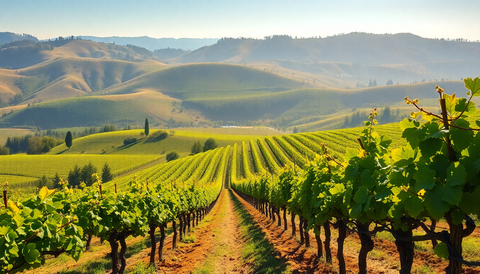
This is also where we get into the idea of perceived sweetness, a concept McLaren Vale has absolutely mastered. Our warm, Mediterranean climate allows grapes like Shiraz and Grenache to ripen perfectly, becoming packed with rich, jammy fruit flavours of blackberry, raspberry, and plum. Our brains often register this intense fruitiness as sweetness, even if the wine is technically dry.
This generous fruit character is a signature of our region. In fact, an incredible 91% of all vineyard plantings in McLaren Vale are dedicated to red varieties, highlighting just how focused we are on producing reds with this famously rich, velvety profile.
These wines aren't sugary; they're simply bursting with ripe, glorious fruit that creates a satisfyingly smooth finish. Learning to spot the difference opens up a whole new world of wine. For a deeper dive, check out our guide to the various sweet red wine varieties.
Here’s a quick look at what you might find:
- Late Harvest Shiraz: A truly decadent wine with a thick, syrupy texture. Expect flavours of baked plums, dark chocolate, and liquorice. It’s perfect for sipping alongside a rich chocolate dessert.
- Off-Dry Grenache: Lighter on its feet but still loaded with vibrant red fruits like strawberry and raspberry. That gentle sweetness makes it a brilliant match for spicy food.
- Fruit-Forward Blends: Many winemakers use classic GSM (Grenache, Shiraz, Mourvèdre) blends to create smooth, approachable reds where the natural fruit sweetness is the star of the show. A guaranteed crowd-pleaser.
From decadent dessert styles to smooth, fruit-forward table wines, this category proves that Australian sweet red wine is full of delicious variety.
How to Choose Serve and Store Your Sweet Red Wine
Knowing your Muscats from your Sparkling Shiraz is one thing, but the real fun begins when you get that perfect bottle home. From spotting a winner on the shelf to pouring it just right, a few insider tips can elevate the entire experience. Let's walk through how to choose, serve, and store these unique Australian wines.
Staring at a wall of wine can be intimidating, but think of the label as your personal guide. It’s packed with clues that will point you toward the exact style of sweet red wine from Australia you're craving. Learning to read these signposts is your ticket to buying with confidence.
Reading the Label to Find Your Perfect Bottle
When you’re on the hunt for a sweet red, certain words on the label are a dead giveaway. These are the terms that tell you what’s in the bottle before you even pull the cork.
Keep an eye out for these explicit terms:
- Fortified: This is your number one clue for a rich, powerful dessert wine like a classic Muscat or a Port-style Shiraz. It means the wine has been strengthened with spirit, giving it that characteristic warmth and sweetness.
- Late Harvest: This tells you the grapes were left on the vine to ripen longer, concentrating their sugars naturally. The result is a wine with a beautiful, pure sweetness straight from the vineyard.
- Sparkling Shiraz: This points directly to Australia’s famous bubbly red. While some are dry, most have a touch of sweetness to balance the bold fruit and tannins, making them incredibly food-friendly.
Beyond those key phrases, the winery’s own tasting notes are a goldmine. Look for delicious descriptors like "jammy," "luscious," "candied fruit," or "mocha and spice." If you see a mention of "residual sugar" (often shortened to RS), that's a direct confirmation of sweetness in the wine.
Serving Sweet Red Wine for Maximum Enjoyment
Here's a pro tip: temperature is everything. Getting it right can be the difference between a clunky, heavy glass and a beautifully balanced, aromatic experience. Forget the old myth about serving all reds at "room temperature"—for sweet reds, that's a recipe for disappointment.
Serving a sweet red wine too warm is the most common mistake. Warmth exaggerates the alcohol and sugar, making the wine feel heavy and cloying. A slight chill lifts the aromas and brings all the complex flavours into sharp, delicious focus.
Here’s a simple guide to get it right every time:
| Wine Style | Ideal Serving Temperature | Why It Works |
|---|---|---|
| Sparkling Red | Well Chilled (6-10°C) | Cold temperatures keep the bubbles fine and crisp while highlighting the wine's vibrant fruit and freshness. |
| Late Harvest Red | Lightly Chilled (12-14°C) | A slight chill is perfect for balancing the rich sweetness without dulling the complex aromas of baked fruit and spice. |
| Fortified Red | Cool Room Temp (14-16°C) | This temperature is just cool enough to tame the high alcohol while letting the deep, nutty, and raisined notes shine. |
Glassware also makes a difference. You don't need a cupboard full of different glasses, but using a smaller bowl for fortified wines helps concentrate their incredibly intense aromas. For a Sparkling Shiraz, try a standard white wine glass or a tulip-shaped flute; it gives the bold flavours more room to open up compared to a narrow flute.
Food Pairings and Storage Tips
Pairing food with sweet red wine is one of the great joys of the culinary world. The golden rule is to match intensity. A powerful fortified wine will steamroll a delicate dessert, while a light, off-dry red would get lost next to something rich and gooey.
Think about creating either a perfect harmony or a brilliant contrast:
- Rich Fortifieds (Muscat, Topaque): These are absolute showstoppers with strong blue cheese, sticky date pudding, or a block of high-quality dark chocolate.
- Late Harvest Reds: A dream partner for a chocolate lava cake, a flourless chocolate torte, or even just a simple bowl of fresh raspberries and cream.
- Sparkling Shiraz: This is the ultimate surprise package. It’s brilliant with a Christmas glazed ham or roast duck, but try it with a spicy BBQ pizza—it's a game-changer.
Finally, a quick word on storage. Most sparkling reds and off-dry styles are best enjoyed young, usually within a couple of years of release. Fortified wines, however, are a completely different story.
Thanks to their higher sugar and alcohol levels, fortified wines are built for the long haul. Many can age for decades, transforming in the bottle and developing incredible new layers of complexity. Just store them in a cool, dark place with a stable temperature, and you'll be rewarded with a wine that only gets better with time.
Your Sweet Red Wine Questions Answered
Sweet red wine is a wonderfully diverse category, so it’s natural to have a few questions. We get asked all the time about the difference between styles, how to find the best bottles, and what to look for on a label.
Think of this as your go-to guide for those common queries. We’re here to clear up the confusion and give you the confidence to explore, buy, and enjoy these delicious wines.
Is Sweet Red Wine the Same as Port?
It’s a common question, and an important one. The simple answer is no, but it's easy to see why people connect them.
The term ‘Port’ is legally protected and can only be used for fortified wines from the Douro Valley in Portugal. Think of it like Champagne from Champagne, France. Here in Australia, we make incredible fortified wines in a similar style, but we call them 'Tawny', 'Vintage Fortified', or 'Fortified Shiraz'.
These fortifieds are a type of sweet red wine, but they’re just one part of a much bigger family.
Think of "sweet red wine" as a broad umbrella. Underneath it, you'll find fortifieds like Tawny, but you'll also find completely different styles like late-harvest dessert wines and bubbly Sparkling Shiraz. Each one offers a unique experience.
So, while all Australian "Port-style" wines are sweet reds, not all sweet reds are made in that fortified style. There’s a whole world of other delicious options to discover.
Are All McLaren Vale Shiraz Wines Sweet?
Absolutely not. In fact, the wine that put McLaren Vale on the map is our powerful, complex dry red Shiraz. These are the world-famous bottles celebrated for their deep flavours of dark chocolate, blackberry, and savoury spice.
But here’s where it gets interesting. Our warm, sunny climate is the perfect engine for ripening grapes to perfection, packing them with rich, jammy fruit flavours. This can create what we call perceived sweetness—the fruit is so intense and luscious that our brains register it as sweet, even when the wine is technically dry.
Of course, our talented winemakers also use this exceptional fruit to craft incredible sweet styles on purpose. These include:
- Late Harvest Shiraz: A luscious dessert wine where grapes are left on the vine to concentrate their sugars and flavours.
- Fortified Shiraz: A rich, powerful, Port-style wine that is intentionally sweet and built to last.
So, while the classic McLaren Vale Shiraz is dry, the region is perfectly suited for producing brilliant sweet red wines when winemakers choose to.
What Is the Best Way to Buy Sweet Red Wine in Australia?
Finding the right bottle has never been easier, and it really comes down to whether you're exploring or stocking up on a favourite.
If you’re just dipping your toes into the world of sweet red wine in Australia, a curated mixed case from a specialist online retailer is a fantastic starting point. It’s the perfect way to sample different styles—maybe a fortified, a sparkling red, and a late harvest—without having to buy a full case of each.
For those who already know what they love, buying by the dozen is usually the smartest move. You’ll often get great case discounts and free shipping, making it much more affordable to keep your cellar well-stocked.
When you're shopping online, the tasting notes are your best friend. Look for key phrases like "residual sugar (RS)," "dessert wine," "luscious," "fortified," or "off-dry." These are your clues from the winemaker about the wine's style and sweetness.
And don’t hesitate to reach out. A quick call or email to a good retailer can get you personal recommendations based on your tastes, taking all the guesswork out of the equation.
Can I Age a Sweet Sparkling Red Wine?
This is a key distinction to understand. Most sparkling red wines, including our beloved Sparkling Shiraz, are made to be enjoyed young, fresh, and vibrant. Their magic lies in that energetic fizz and bright, juicy fruit.
While a top-quality bottle might hold for a year or two in a cool, dark cellar, these wines do not improve with long-term ageing. Over time, that signature sparkle will fade and the vibrant fruit will recede, leaving you with a wine that’s lost its charm.
The best plan is to buy sparkling reds when you’re ready to drink them. Think of them as the life of the party—best enjoyed in the moment. Pop the cork within a year or two of release and serve it nicely chilled to experience all that celebratory goodness.
At McLaren Vale Cellars, we're passionate about helping you discover the full spectrum of our region's wines. From rich fortifieds to celebratory sparkling reds, our curated collection is the perfect place to start your journey. Explore our diverse range of sweet and fortified wines today.
Comments (0)
There are no comments for this article. Be the first one to leave a message!