
When you hear the term sweet Australian red wine, what comes to mind? If it’s just sticky dessert wine, it’s time to think again. From vibrant, slightly off-dry styles to deeply decadent fortifieds, there’s a whole world of rich, fruit-forward reds waiting to be discovered.
Often crafted from iconic grapes like Shiraz or Grenache, these wines strike a beautiful balance between their natural sweetness and a refreshing acidity, making them far more versatile than you might expect.
Your Guide to Sweet Reds from Down Under

Welcome to the wonderfully approachable and flavour-packed world of sweet Australian reds. This guide is all about shattering the myth that ‘sweet’ means one-dimensional. We're going to explore the whole spectrum, from elegant, just-off-dry reds to truly luxurious fortified wines. To do that, we'll use one of Australia’s premier wine regions, McLaren Vale, as our stomping ground.
Think of this as your personal roadmap, taking you from the sun-drenched vineyard right to your wine glass. We’ll introduce you to the key grapes, demystify terms like residual sugar, and show you exactly how winemakers craft these delicious styles.
This guide will help you:
- Understand the Grapes: Discover how powerhouse varieties like Shiraz and Grenache transform when made in a sweeter style.
- Learn the Lingo: Get comfortable with terms like 'late-harvest' and 'fortified' so you can shop with confidence.
- Find Your Perfect Match: Learn how to pair these versatile wines with everything from a spicy barbecue to a rich chocolate tart.
By the time we're done, you'll not only understand the art behind a beautifully balanced sweet red but also feel confident enough to pick the perfect bottle for any occasion, whether it’s a casual weeknight dinner or a special celebration.
Our journey will shine a spotlight on the exceptional offerings from McLaren Vale, a region celebrated for producing reds with incredible depth and character. We'll explore why its unique coastal climate and ancient soils are the perfect recipe for growing the ripe, juicy grapes needed for a top-quality sweet Australian red wine.
So, let's dive in and uncover the incredible quality and value hiding in every bottle.
What Actually Makes a Red Wine Sweet

To really get what makes a sweet Australian red wine so delicious, we need to peek behind the curtain and into the winemaker's world. The magic isn't about adding table sugar; it’s all about something called residual sugar (or RS, as you'll hear in the industry). This is simply the natural grape sugar that gets left behind after the fermentation party is over.
Think of it this way: yeast's job is to eat grape sugar and turn it into alcohol. In a dry wine, the yeast gobbles up every last crumb. But for a sweet wine, the winemaker steps in and makes sure a little of that sugary goodness remains for us to enjoy. It's this delicate balancing act that creates those luscious, fruity notes we adore.
Winemakers have a few clever tricks up their sleeves to control this process, each resulting in a wonderfully different style of wine.
The Art of Late Harvesting
One of the most natural ways to get that sweetness is to simply be patient. With late-harvesting, winemakers leave the grapes hanging on the vine for a few extra weeks. As they bask in the sun, the grapes start to dehydrate a little, which concentrates their sugars and develops incredibly rich, almost jammy flavours.
This method is perfect for creating those classic dessert-style wines that are naturally sweet and bursting with intense fruit. The final wine is often wonderfully complex, with a syrupy texture that's kept in check by the grape's natural acidity.
Halting Fermentation for Sweetness
Another popular technique is called arrested fermentation. Just as it sounds, the winemaker deliberately hits the pause button on fermentation before all the sugar is gone. They might do this by flash-chilling the wine or adding a bit of sulphur dioxide, which basically tells the yeast, "Okay, you're done for now," preserving that perfect amount of residual sugar.
This approach gives winemakers pinpoint control over the final sweetness, which is why it's used to craft everything from slightly off-dry reds to the more decadent, noticeably sweet styles.
The secret to a truly brilliant sweet wine is never just the sugar. Real mastery is about balancing that sweetness with acidity, tannin, and complexity. A great sweet red should feel vibrant and refreshing, not heavy or one-dimensional.
The Power of Fortification
Finally, we have fortification—the time-honoured technique behind iconic sweet reds like Port. This involves adding a neutral grape spirit (think brandy) to the wine while it's still fermenting. The sudden spike in alcohol stops the yeast in its tracks, locking in a serious amount of unfermented sugar.
Fortification doesn't just create a wonderfully sweet and robust wine; it also bumps up the alcohol content and gives it incredible potential to age for years, even decades. This is how Australia’s famous Tawny and Vintage fortifieds get their signature rich and powerful profiles, making them a cornerstone of any sweet Australian red wine collection.
The Signature Grapes of Sweet Australian Reds

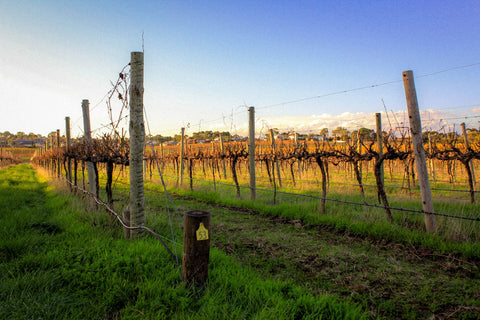
While lots of different grapes can be used to whip up a sweet Australian red wine, there are a few true heroes that consistently deliver the goods. These are the grapes that just soak up the sun in vineyards across regions like McLaren Vale, getting perfectly ripe to create everything from a slightly sweet table wine to a seriously decadent fortified.
At the heart of it all is Shiraz, the undisputed king of Aussie red wine. We all know its bold, full-bodied character in dry reds, but it transforms into something truly special in sweeter styles. Those classic dark fruit flavours of blackberry and plum deepen into something far more luxurious—think rich blackberry jam, dark chocolate, and a hint of warm baking spice.
McLaren Vale's warm, coastal climate is the perfect playground for Shiraz. All that consistent sunshine lets the thick-skinned grapes ripen to perfection, building up the intense sugar and complex flavours that are the secret to a top-notch sweet or fortified wine.
Shiraz: The Undisputed Champion
Shiraz isn't just a popular choice here; it's the very backbone of our wine identity. In McLaren Vale, it makes up a staggering 60% of the region's total grape crush, which tells you everything you need to know about how well it grows here and how much we love it.
To put that in perspective, a recent vintage saw the region crush 36,659 tonnes of grapes, with a huge chunk of that being Shiraz. This harvest was valued at nearly $72 million, highlighting just how vital this grape is to producing premium sweet Australian red wine.
Grenache: The Vibrant Contender
Once seen as a simple workhorse grape for blending, Grenache has made a spectacular comeback. Its thinner skins and vibrant red fruit character make it a star performer in both off-dry and fortified styles.
When made into a sweet wine, Grenache brings bright notes of raspberry, strawberry, and a touch of white pepper to the party. This lively freshness is fantastic for balancing out the residual sugar, keeping the wine from feeling too heavy. It's this ability to stay fresh while getting ripe that makes it so ideal.
Cabernet Sauvignon: The Structural Backbone
You won't often see Cabernet Sauvignon flying solo as a sweet wine, but it plays a crucial supporting role. It brings structure, firm tannins, and its classic blackcurrant and mint notes to many of the best fortified blends.
Those tannins are vital. They provide a framework that stops richer wines from feeling cloying and gives them incredible potential to age gracefully for years, even decades. In McLaren Vale, its reliable structure makes it the perfect partner for the plush, juicy fruit of Shiraz in many of our most iconic sweet red blends. You can learn more about these and other sweet red wine varieties in our detailed guide.
Here’s a quick look at how these key players stack up in McLaren Vale's sweet wine scene.
Sweet Red Wine Grape Varieties of McLaren Vale
| Grape Variety | Typical Sweet Flavour Profile | Role in Wine Style | Best Paired With |
|---|---|---|---|
| Shiraz | Blackberry jam, dark chocolate, plum, warm spice | The rich, powerful heart of fortified and luscious styles | Rich chocolate desserts, blue cheese, sticky ribs |
| Grenache | Raspberry, strawberry jam, candied red fruits, spice | Adds brightness, acidity, and a vibrant lift to blends | Fruit tarts, charcuterie boards, mild cheeses |
| Cabernet Sauvignon | Blackcurrant, mint, cedar, dried herbs | Provides tannin, structure, and ageing potential | Aged cheddars, nut-based desserts, beef jerky |
Each of these grapes brings something unique to the table, and it's the artful blending of their distinct personalities that creates the complex and delicious sweet red wines McLaren Vale is famous for.
Diving Into McLaren Vale’s Sweet Red Wine Styles

McLaren Vale offers a fantastic tour through the diverse world of sweet Australian red wine, with distinct styles to suit every palate. Getting to know these key categories is the first step to finding your new favourite bottle.
They generally fall into three main groups, each with its own unique personality and perfect moment.
First up are the friendly and versatile Off-Dry Reds. These aren't dessert wines in the traditional sense. Instead, they carry just a subtle touch of sweetness that lifts their bright, juicy fruit flavours. Think of it as turning up the volume on the grape's natural character, making them exceptionally smooth and easy to enjoy, often with a slight chill.
Late Harvest: The Dessert Dream
When you’re craving something truly luscious and concentrated, Late Harvest wines are the answer. Just as the name suggests, the grapes are left on the vine longer to develop intense sweetness and rich, complex flavours.
The result is a wine that feels decadent and dessert-like, with an almost syrupy texture that’s beautifully balanced by a refreshing backbone of acidity. These are perfect for sipping slowly after a meal or pairing with an indulgent sweet treat.
Fortified Wines: McLaren Vale’s Specialty
Finally, we arrive at the region’s crowning glory: Fortified Wines. This is where McLaren Vale truly shines, producing some of Australia’s most celebrated and age-worthy sweet reds. By adding a neutral grape spirit during fermentation, winemakers create a wine that is rich, powerful, and built to last.
Fortified wines are a journey in a glass. From the fruity vibrancy of a Ruby to the nutty complexity of an aged Tawny, each style tells a different story of time, oak, and masterful winemaking.
Within this category, you’ll discover several key styles:
- Ruby Fortified: Young, vibrant, and bursting with fresh red and black fruit flavours. It’s the most fruit-forward of the fortified family.
- Tawny Fortified: Aged in barrels, these wines develop complex nutty, caramel, and dried fruit notes with a silky-smooth texture.
- Vintage Fortified: Made from the best grapes in a single exceptional year, these are powerful, structured wines designed for long-term cellaring.
Grapes like Grenache play a vital role here, adding that signature sweetness and spice. The resurgence of Grenache tells a sweet story of its own, transforming from an underdog to the region's highest-value grape. In a recent standout year, its price soared 7% to $2,311 per tonne, cementing its premium status for creating these exceptional sweet reds. You can discover more insights about McLaren Vale's grape trends and see the data for yourself.
How to Perfectly Pair Sweet Red Wines
Pairing food with a **sweet Australian red wine** is an absolute adventure. Forget the old rules that box these wines into the dessert-only category. Their versatility is incredible once you get the hang of two simple concepts: matching sweetness with sweetness, or going for a bold, exciting contrast.The easiest way to start is by matching the wine’s sweetness to your food. The golden rule? Your wine should always be at least as sweet as the dish. If it isn't, the wine can fall flat or taste surprisingly bitter. It’s why a rich, gooey dark chocolate brownie or a warm berry crumble is just heavenly with a late-harvest Shiraz. The sweetness in both the wine and the food lifts each other up, creating a truly harmonious experience.
Complementary Sweet Pairings
When you line up similar flavour profiles, the results are just magic. The idea is to build a seamless bridge from what's in your glass to what's on your plate.
Here are a few classic pairings to get you started:
- Off-Dry Grenache & Spicy Barbecue: That hint of sweetness in an off-dry style is brilliant at taming the heat of spicy BBQ sauce on ribs or chicken wings, while the bright red fruit notes slice right through the richness.
- Late-Harvest Shiraz & Berry Tart: The deep, concentrated blackberry and plum flavours in the wine are a perfect echo of the fruit in the tart. Pure deliciousness.
- Ruby Fortified & Mixed Berry Pavlova: The fresh, vibrant fruit character of a young Ruby Fortified is the ideal partner for the bright acidity and sweetness of fresh berries.
The Thrill of Contrast
On the other hand, creating a contrast can lead to some of the most memorable flavour combinations you'll ever have. The classic example? A rich, powerful fortified wine alongside a sharp, salty blue cheese. The wine's intense sweetness cuts straight through the cheese's salty funk, while the creamy texture of the cheese is balanced beautifully by the wine's structure.
A bold fortified red, like one made with Cabernet Sauvignon, has the tannic backbone it needs to stand up to equally bold foods. The wine’s sweet fruit core slices through rich fats and complements salty notes, making for a dynamic pairing.
Cabernet Sauvignon plays a huge role here in McLaren Vale, underpinning the sweet, structured reds that are part of South Australia's wine legacy. With 1,288 hectares planted, our unique terroir helps craft Cabs with sweet fruit cores balanced by firm tannins—perfect for fortified styles. This structure makes them a brilliant match for rich foods and shows off the quality that saw a recent harvest valued at $45.9M, even in a challenging year. Learn more about the region's impressive vintage resilience.
For more sweet pairing inspiration, check out our guide on desserts and wine for more matches made in heaven.
A Practical Guide to Buying and Serving
Alright, now that you know what you’re looking for, it's time to hit the bottle shop. This is where the fun really begins. Let's walk through how to pick the perfect sweet Australian red wine, store it properly, and serve it like a pro so every glass is a memorable one.
Navigating the wine aisle is a lot easier when you can read the signals. Think of the label as the wine’s personality profile, giving you all the clues you need to make a great choice.
A wine label is more than just a name; it's the wine's story. Terms like 'Late Harvest' are a dead giveaway for a dessert-style wine, while 'Fortified' points to a rich, powerful profile like a classic Tawny or Vintage Port.
Reading the Label and Storing Your Wine
Beyond the big keywords, keep an eye out for descriptive language. Phrases like "jammy fruit" or "velvety texture" often hint at a richer, sweeter palate. If you're hunting for those fantastic off-dry styles, a slightly higher alcohol percentage on a McLaren Vale Shiraz can sometimes be a clue—it suggests super-ripe grapes and a more generous, fruit-forward profile.
Once you’ve got your treasures home, a little care goes a long way. For most off-dry reds, just treat them like your other reds: a cool, dark spot where the temperature stays pretty steady is perfect. They’re usually at their best within a year or two of purchase.
Fortified wines? They’re a different beast altogether. These beauties are built to last. You can cellar them for years, even decades, and watch them evolve into something truly spectacular.
The Art of Serving Sweet Reds
Temperature is everything when it comes to flavour, and this is where a lot of people trip up. Serving a sweet red too warm can make it feel heavy and cloying. A bit of a chill, however, can absolutely make it sing.
- Off-Dry Reds: Pop these in the fridge for about 30 minutes before serving. You’re aiming for around 12-14°C. This little chill lifts the bright fruit notes and keeps the sweetness feeling fresh and zesty.
- Late-Harvest Wines: The same rule applies here. A light chill sharpens the beautiful balance between sugary ripeness and acidity.
- Fortified Wines: These complex wines prefer to be slightly warmer, closer to room temperature at 16-18°C. This warmth allows all those incredible aromas of spice, nuts, and dried fruit to open up and show their true character.
Don't forget the glass! A standard red wine glass is spot-on for off-dry and late-harvest styles. For fortifieds, a smaller, narrower glass works wonders—it concentrates their intense aromas and encourages you to take smaller, more thoughtful sips.
Your Questions About Sweet Red Wine, Answered
Diving into the world of sweet red wine can feel a bit tricky at first. Is it a dessert wine? How can you spot one on the shelf? To help you explore with confidence, we've pulled together answers to the questions we hear the most.
Think of this as your go-to guide for getting to grips with a fantastic sweet Australian red wine.
Is Sweet Red Wine the Same as Dessert Wine?
Not quite, and it’s a great question because the terms often get mixed up. While a lot of classic dessert wines are sweet reds (like a rich, fortified Port or a luscious Late Harvest style), the category is much bigger. It also includes "off-dry" table wines that have just a whisper of leftover sweetness.
The best way to think about it is on a spectrum. At one end, you have those subtly sweet reds that are brilliant with a spicy barbecue. At the other, you have intensely sweet, complex wines made for sipping slowly after a big meal. Both are technically sweet reds, but they're built for completely different moments.
How Can I Tell if a Red Wine Is Sweet Before I Buy It?
The wine label is your best friend here. Look for a few keywords that are dead giveaways for sweetness.
- Clear Indicators: Words like 'Fortified,' 'Late Harvest,' 'Tawny,' or 'Vintage' are almost always a signpost for a sweet style.
- Helpful Clues: Keep an eye out for descriptions that mention an 'off-dry' profile, 'jammy fruit' notes, or 'residual sugar' (RS). These all point towards some level of sweetness.
- Grape & Region: Grapes like Shiraz and Grenache, especially when grown in a warm climate like McLaren Vale, naturally develop richer, sweeter-tasting fruit flavours.
Think of it this way: a warm climate is like giving the grapes extra time in the sun. They build up more intense sugars and concentrated fruit flavours, which can make a wine taste fuller and sweeter, even if it's not strictly a dessert wine.
How Long Does Sweet Red Wine Last After Opening?
This really depends on the style of the wine. An off-dry red will behave just like its dry cousins and is best finished within 3-5 days after you pop the cork, as long as you seal it back up properly.
Fortified wines, on the other hand, are the marathon runners of the wine world. Their higher alcohol and sugar content act as natural preservatives, making them incredibly durable. A good Tawny can last for several weeks—sometimes even months—after being opened if you store it in a cool, dark place. This makes them fantastic value and a great bottle to have on hand for a spontaneous treat.
At McLaren Vale Cellars, we’ve curated a fantastic selection of sweet and fortified wines perfect for any occasion. Explore our range and find your next favourite. https://www.mclarenvalecellars.com

Comments (0)
There are no comments for this article. Be the first one to leave a message!