
You're standing in the wine aisle, holding two or three bottles that all look thoughtful in slightly different ways. One has a leaf on the label, another mentions low impact packaging, and a third uses words like natural, clean, or earth-conscious without saying much else. The trouble isn't that you care too little, it's that the shelf gives you too many signals and not enough proof.
That's why sustainable wine brands are worth learning how to judge properly. The label can point you in the right direction, but the key question is whether the winery can back up its sustainability story with practices you can verify, not just pleasant language. In Australia, that matters because Wine Australia says sustainability is now a measurable purchase driver, especially for younger buyers, and it sits alongside provenance and quality in the way people choose wine (Wine Australia market bulletin on consumer responses to sustainability).
The Wine Aisle Dilemma, What Does Sustainable Actually Mean
The confusion starts because the word sustainable gets used for several different things at once. One bottle may be talking about organic farming, another about lighter packaging, and a third about a winery's broader social or environmental programme. If you shop by label alone, it's easy to assume those claims all mean the same thing. They don't.
Wine Australia's market bulletin makes the point in practical terms, sustainability isn't a niche talking point anymore, it's part of how many shoppers decide what to buy, and it sits alongside other cues like provenance and quality (Wine Australia market bulletin on consumer responses to sustainability). That means the label is only the start of the conversation. A bottle can look eco-minded and still leave you guessing about vineyard practices, packaging choices, or whether anything has been independently checked.
Why confusion is actually useful
Confusion forces you to ask better questions. If a claim feels vague, that's your cue to look for the detail behind it. A winery that can explain its vineyard methods, packaging decisions, or certification has already done more work than a brand relying on green styling alone.
Practical rule: If you can't tell what was changed, where it was changed, and who verified it, the claim is still too soft to guide a purchase.
That's especially relevant in premium Australian wine regions, where shoppers often compare taste, origin, and values in the same breath. A bottle doesn't need to shout about sustainability to be credible. It needs to show you what it does.

The best way to read the shelf is to treat sustainability as a set of clues, not a single badge. When you do that, the aisle stops feeling noisy and starts feeling navigable.
What Sustainability Means in the Wine World
In wine, sustainability is a system, not a single practice. A winery can look strong on one front, say, reduced packaging impact, while still needing work on water, biodiversity, labour, or long-term business resilience. That's why the definition used in wine-sector writing stretches beyond organic fertiliser or recycled cardboard and into environmental, social, and economic territory (Frontiers in Sustainable Food Systems).
The three parts that matter
Environmental integrity is the piece most shoppers notice first. It includes soil health, water conservation, biodiversity, and reduced chemical reliance, all of which shape how a vineyard performs over time. Social responsibility is just as important, because a winery isn't sustainable if it ignores labour, community relationships, or the people who keep the business running. Economic viability matters too, because the whole model has to survive financially from one vintage to the next.
That broader definition is especially relevant in Australia. Vineyards here operate under climate variability, water pressure, and long supply chains, so sustainability can't be reduced to a single checkbox. A winery might be doing careful work in the vineyard, but if its packaging is unnecessarily heavy or its sourcing is opaque, the story is incomplete.
A sustainable winery is one that can keep making wine without borrowing too much from the land, the people, or the future.
For shoppers, that means the smartest question isn't “Is this wine sustainable?” It's “Sustainable in what way, and how do they know?” That shift in wording changes the whole purchase. It moves you from accepting a slogan to assessing a system.
If you want a simple starting point, compare how wineries talk about organic, biodynamic, and broader sustainability claims in this useful explainer on the differences between sustainable, organic, and biodynamic wine. The important thing is to remember that these terms overlap, but they don't mean the same thing.
Understanding the Key Certification Frameworks
Certification helps because it narrows the meaning of a claim. A logo can't tell you everything, but it can tell you which rules a winery has agreed to follow. The trick is knowing what each framework proves, and what it leaves out.
Organic, biodynamic, and sustainable programmes
Organic certification verifies that the vineyard is avoiding synthetic pesticides and fertilisers. That's a meaningful standard, but it doesn't automatically tell you much about packaging, transport, labour, or the winery's wider social commitments. If you're buying with sustainability in mind, organic is a strong signal, not a complete answer. For a more detailed local overview, this organic wines Australia guide gives useful regional context.
Biodynamic certification goes further in its own way. It treats the vineyard as an interconnected system and adds its own set of farm management rules, including compost approaches and ecological thinking that many wine drinkers associate with whole-farm stewardship. It still doesn't automatically answer every question about the bottle in your hand, but it does tell you the winery is working within a more demanding framework.
Sustainable viticulture programmes sit in another lane. They're designed around continuous improvement across environmental, social, and economic performance, so they're often more useful if you want to know whether a winery is measuring and improving, not just complying. In Australia, that kind of framework matters because many buyers care about the whole operation, not only whether the vineyard avoided synthetic inputs.
Carbon claims need careful reading
Carbon-neutral language deserves extra attention. A carbon claim can be narrow in scope, and in some cases it may rely on offsets rather than deep operational change. That doesn't make the claim meaningless, but it does mean you should ask what part of the footprint was measured, what was reduced, and what was compensated elsewhere.
If you work in hospitality, the same reading habit helps with menus, sourcing, and wine lists. The sustainable hospitality guide for hosts is a handy reminder that credible sustainability usually comes from specific practices, not broad branding.
A good label is one that helps you ask sharper questions, not one that ends the conversation. If the certification or programme can't be explained in plain language, it probably isn't doing enough work for the consumer.
How to Evaluate Any Winery Sustainability Claim
A useful claim is specific enough to test. Words like eco-friendly or earth-conscious sound reassuring, but they don't tell you what the winery changed. Specificity matters because it lets you compare one bottle with another instead of reacting to tone alone.
A four-part check you can use on any bottle
First, ask whether the claim names a real practice. “We use lightweight bottles” is clearer than “we care about the planet.” “Certified organic” is clearer than “naturally made.” If a winery can't say what it does, you can't tell whether the claim means anything.
Second, look at scope. Does the claim cover only the vineyard, or does it also include packaging, freight, and the rest of the supply chain? Packaging is a good example of why scope matters, because Wine Australia's life-cycle assessment for South Australian wine found that glass packaging is a major emissions hotspot and that lighter bottles and lower-impact packaging can materially reduce emissions per 750 mL bottle (Wine Australia life-cycle assessment for South Australian wine).
Third, look for evidence. A third-party certifier, a published report, or transparent documentation is stronger than a vague promise on a back label. This is also where sustainability claims policy matters, because real claims should be built on evidence the business can stand behind, not just language it likes. A helpful reference point is the understanding ESG claim rules guide, especially if you want to know how claims are expected to hold up under scrutiny.
Fourth, check consistency. Does the winery apply the claim across its range, or only on one premium label? A brand that only talks sustainability on one bottle may be marketing a story, while a brand that publishes consistent details across its range is usually doing more serious work.
Why the market signal matters
Market performance is not proof of sustainability on its own, but it does show that shoppers respond to credible credentials. One market analysis cited wines carrying B Corp, Terracycle, or other eco-friendly and sustainability certifications as outperforming broader categories, with sales up 62%, 45%, 23%, and 8% respectively, while the broader “better for you” segment grew 3% year over year (Wine-Searcher market analysis). Those figures aren't Australia-only, but they show why strong certification can matter in a crowded market.
Use the four-part check first, then let the label earn your trust. That approach protects you from empty language and helps you reward the wineries doing the hard work.
Practical Tips for Buying Sustainable Wine
A strong sustainability claim should change how you shop, not just how you feel about the label. Start with the bottle itself. If you can hold it and it feels unusually heavy for no obvious reason, that's worth questioning, because packaging carries real environmental weight. Wine Australia's South Australian life-cycle assessment makes clear that glass packaging is a major emissions hotspot, so a lighter bottle can be a practical sign that the winery has paid attention to one of the biggest impact areas (Wine Australia life-cycle assessment for South Australian wine).
What to ask at the shelf
- What exactly is certified? A logo can relate to the vineyard, the winery, or a broader programme. Ask what part of the business it covers.
- Can the store or winery explain the packaging choice? If the bottle uses lighter glass or another lower-impact format, that's a concrete sustainability signal.
- Is there a published sustainability statement? Clear reporting is more helpful than generic green language.
- Does the claim appear across the range? Consistent language usually suggests a more embedded approach.
- Does the winery talk about vineyard practices? Water, soil, biodiversity, and labour are all part of the picture.
Packaging deserves attention because it's one of the easiest things to overlook. A gorgeous bottle can carry a weak sustainability story, while a simpler package may reflect more disciplined choices behind the scenes. That doesn't mean every lightweight bottle is better in every case, but it does mean you should look beyond aesthetics.
Buyer's shortcut: If the shelf talker focuses on feelings and leaves out methods, ask for methods.
Price also needs a realistic reading. Sustainable practices often cost more to implement, especially when they involve certification, vineyard management, and packaging changes. So a modest premium can reflect genuine investment rather than greenwashing.
If you're buying for a dinner or a weekend cellar, local sourcing helps too. Choosing wine made closer to home can reduce transport burden and usually makes it easier to verify how the wine was grown and packaged. In Australia, that's one reason regional shopping feels practical, not just sentimental.
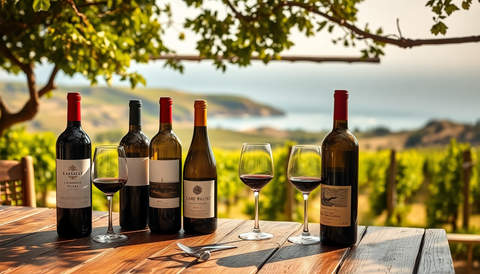
One option for buyers who want a simpler discovery path is McLaren Vale Cellars, which curates regional wines and provides tasting packs that make comparison easier. That kind of format can help you compare styles and claims side by side without pretending every bottle tells the same sustainability story.
Sustainability in Action, McLaren Vale and Local Discovery
McLaren Vale is a good place to see sustainability as a working habit rather than a marketing theme. The region's growers are known for practices that suit the environment, including water-aware farming and vineyard management that protects long-term soil and site health. In a place where climate and terrain shape every vintage, sustainability feels less like a trend and more like common sense.

The region also makes the buying process easier when you want to act on those values. McLaren Vale Cellars publishes educational wine content, including material on sustainable McLaren Vale wine, and its store format is useful if you'd rather compare bottles than decode labels alone. That matters because sustainable buying often becomes clearer once you can look at several wines from the same region side by side.
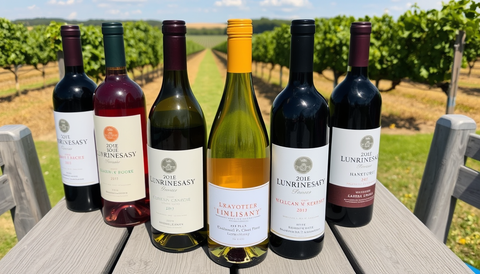
A practical way to shop here is to use the tasting pack approach. Instead of guessing which sustainability cue matters most to you, you can compare wines from different producers and notice what changes in the label copy, the packaging, and the style. That makes the abstract idea of sustainability feel specific. You can see whether a winery talks about water use, soil health, or packaging with any precision, or whether it only leans on a vague green theme.
The region's strength is that it gives you both story and access. You get the local context, and you get a buying channel that makes exploration less risky.
If you've ever felt stuck choosing between a bottle that sounds ethical and one that looks familiar, a curated local shop helps. It turns sustainability from a claim into a tasting experience, which is often the fastest way to learn what matters to you.
Common Misconceptions About Sustainable Wine, Debunked
The first mistake is thinking sustainable and organic are the same thing. Organic is one part of the picture, but not the whole picture. A winery can work organically and still have room to improve on packaging, labour, or broader supply-chain practices.
The second mistake is assuming sustainable wine is only for special occasions. That's not how the category works in practice. Many wineries build sustainability into everyday ranges, especially when buyers use curated retailers or regional stores that make comparison easier.
Reality check: A bottle can be environmentally thoughtful without being expensive, and it can be expensive without being especially sustainable.
The third mistake is believing a single label tells the whole story. It rarely does. A certification might prove something about the vineyard, but leave the bottle, transport, or reporting question unanswered.
The fourth mistake is thinking sustainability changes the taste in some automatic way. It doesn't. Sustainability is about how the wine is grown, made, and shipped, not a guaranteed flavour profile. The better question is whether the wine is made with care and whether the brand can show you that care clearly.
If you want to buy with more confidence, start with a region-focused merchant that gives you the tools to compare labels, styles, and sustainability claims in one place. McLaren Vale Cellars offers curated packs, regional selection, and educational content that can make those checks much easier before you buy. When you're ready to put these ideas into practice, browse with a sharper eye and choose a bottle that matches both your taste and your values.
Comments (0)
There are no comments for this article. Be the first one to leave a message!