
You’re probably doing what a lot of wine drinkers do at the shelf or while scrolling online. You want a red that feels safe, but not boring. Something with proper flavour, a bit of pedigree, and enough character that if you open it for dinner, you know it will deliver.
That is exactly where st hallett barossa shiraz fits. It’s one of those names that keeps showing up because it has earned its place. For new drinkers, it’s a reliable way into Barossa Shiraz. For long-time collectors, it offers a clear ladder from everyday drinking to serious cellaring.
An Introduction to a Barossa Icon
You’re standing in front of the red wine shelf, trying to pick one bottle that will feel generous at dinner, familiar enough to trust, and interesting enough that it does not fade into the background. St Hallett Barossa Shiraz fits that brief with unusual consistency.
St Hallett’s story begins with deep Barossa roots. The Lindner family arrived in the region in the 19th century, and the winery itself was established in the 1940s, first producing fortified wines from humble beginnings. This history reveals something important about the house style. St Hallett was shaped by practical winemaking, long regional knowledge, and a clear sense of what Barossa fruit can do.
Why that history still matters in the glass
Some wineries build attention with novelty. St Hallett built trust by staying closely connected to Barossa Shiraz and refining that style over decades. Its reputation was strengthened by wines such as Old Block Shiraz, which helped show how old-vine Barossa fruit could deliver power, savoury depth, and structure in the same glass.
That is useful for buyers, because heritage only matters if it helps you choose well now. With St Hallett, it does. You are buying from a producer that has spent years working out how to make Shiraz that feels full and generous without becoming clumsy or overblown.
If regional style still feels a bit abstract, a practical comparison helps. Our guide to Barossa Valley vs McLaren Vale terroir differences gives clear context for why Barossa often tastes darker, broader, and more savoury.
Shop-floor tip: If you want one bottle that teaches you what classic Barossa Shiraz tastes like, St Hallett is a smart place to start. It gives you a clear regional signal without demanding expert-level wine knowledge.
The buyer’s shortcut
From a retailer’s point of view, St Hallett makes sense for more than one kind of shopper. It works for the person grabbing a dependable bottle for a weekend roast, and for the buyer comparing labels, packs, and step-up options for the best value.
Here’s the quick way to judge it:
- Clear regional identity: It tastes recognisably Barossa, with a style linked to place rather than a generic “big red” profile.
- A useful range: You can start with an approachable bottle, then move up the portfolio as your taste or budget grows.
- Confidence at purchase: The label has a long track record, which makes it easier to buy for dinner, gifting, or cellaring experiments.
That is why St Hallett Barossa Shiraz keeps earning space in good bottle shops. It gives you the comfort of a known name, plus enough range and character to buy smarter, not just safer.
The Signature Taste of the Barossa Valley
A good glass of St Hallett often explains Barossa faster than any tasting note can. You pour it, catch that first dark, spicy aroma, and suddenly the region makes sense. The wine feels generous, layered, and settled in itself.
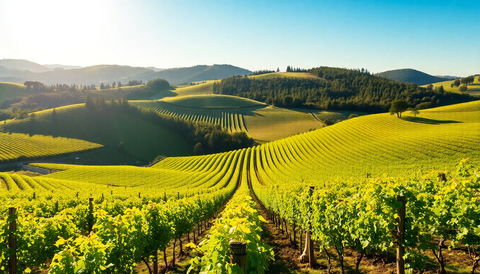
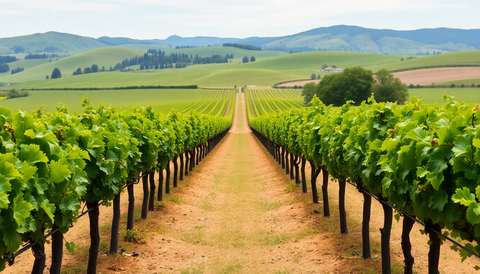
That character starts with terroir. In wine terms, that means the combined effect of climate, soils, site, and vineyard work. If that sound abstract, use a simpler test. Ask what the place tends to give the grape. In Barossa, Shiraz usually ripens with plenty of flavour, colour, and texture.
St Hallett benefits from that regional strength, but the style is not just about ripeness. Blending plays a big part. Fruit from different vineyard sites can add different pieces to the final wine, much like a cook building depth with several ingredients rather than relying on one dominant flavour. One parcel may bring plush blackberry fruit. Another can add spice. Another can tighten the shape of the palate so the wine feels balanced rather than broad.
What Barossa gives Shiraz
Barossa Shiraz often shows a warm, dark-fruited profile, but that description is incomplete. The better examples also carry savoury detail and a sense of structure underneath the richness.
That matters for buyers because it helps explain why St Hallett appeals to both casual drinkers and more experienced Shiraz fans. You get immediate flavour, which makes the wine easy to enjoy now, but you also get enough shape and savoury grip to keep the glass interesting from first sip to last.
Flavours to look for in the glass
If you are still learning how to taste Shiraz, focus on four simple cues.
- Fruit: Blackberry, black plum, dark cherry, and sometimes a brighter red-fruit note around the edges.
- Spice: Black pepper, sweet baking spice, and the gentle warmth that oak can bring.
- Savoury detail: Dark chocolate, cocoa, earth, or a roast-meat character in richer bottles.
- Texture: A full mouthfeel with tannins that can feel smooth and velvety, or firmer and more grippy in more serious wines.
A useful way to read St Hallett is to notice the order those elements arrive. The fruit usually speaks first. Then the spice and savoury notes start to show. That sequence is part of what makes the wines feel polished rather than only powerful.
Why old vines change the conversation
Old vines matter because they often bring more detail and calm to the wine. Young-vine Shiraz can be energetic and fruit-forward. Older-vine Shiraz often feels more settled, with flavour that spreads across the palate instead of hitting in one burst.
That helps explain why St Hallett has long been associated with classic Australian Shiraz. In the top wines, you are not just tasting ripe fruit. You are tasting fruit with shape, savoury depth, and a more composed finish. Some blends in the range also draw on Eden Valley fruit, which can add fragrance and lift. The result is a style that shows Barossa generosity without losing definition.
For buyers, that is a helpful distinction. If you want a bottle for hearty food and easy pleasure, the region gives you plenty to enjoy straight away. If you want something with more nuance, St Hallett also shows how Barossa Shiraz can carry perfume, restraint, and age-worthy structure.
Tasting tip: If your first sip feels large or dense, let the wine sit in the glass for a few minutes. Barossa Shiraz often starts with dark fruit, then opens into spice, savoury notes, and a smoother texture.
Decoding the St Hallett Shiraz Portfolio
One of the best things about St Hallett is that the range makes sense. The wines are not random. Each one has a role.
If you’re trying to decide which bottle suits dinner tonight, a gift, or a few years in the cellar, it helps to read the lineup as a progression.

Faith Shiraz for easy confidence
Faith is the bottle I’d hand to someone who wants proper Barossa flavour without stepping straight into the deeper end.
It is matured for nine months in a mix of American and French oak and includes 2% Durif for colour and structure, reflecting St Hallett’s “minimum intervention, maximum attention” approach, according to Decanter’s review of St Hallett Faith Barossa Shiraz 2018. Decanter’s Amy Wislocki scored that wine 90 points, and the review notes a drinking window of 2021-2023, screwcap closure, and 14.5% alcohol.
That tells you a lot as a buyer. Faith is built to be approachable. It still has Barossa depth, but it’s not asking for years of patience or a long explanation. You can open it for a midweek roast, pizza night with friends, or when you want a safe bottle for mixed tastes at the table.
What to expect stylistically:
- Fruit profile: Rich dark berry fruit with freshness.
- Texture: Velvety tannins rather than stern grip.
- Overall feel: Generous, polished, and friendly.
Blackwell Shiraz for more structure and occasion value
Blackwell steps up in intensity and cellar worthiness.
This wine is sourced predominantly from Northern Barossa’s red-brown clay soils and matured for 12-16 months in American oak barrels, a traditional Barossan choice that helps build opulent, savoury tannins and supports aging over 10+ years, according to this St Hallett Blackwell Shiraz 2022 listing. That same listing describes flavours such as black plum, cherries, dark chocolate, blackberry, mulberry, milk chocolate, and sweet baking spice. It also suggests decanting for 1-2 hours and serving at 16-18°C.
For buyers, Blackwell is where St Hallett starts to feel like a “special bottle” purchase. It still carries obvious fruit, but the tannin shape is firmer and the oak is more clearly part of the architecture.
This is the wine for:
- Dinner parties where you want a stronger impression
- Gifting to someone who likes classic Barossa reds
- Putting a few bottles away to watch them settle and grow more savoury
Old Block Shiraz for the full statement
Old Block is the prestige wine in the family. It’s the one that makes collectors pay attention and makes curious drinkers want to know why old-vine Barossa Shiraz is such a celebrated style.
The key idea is selection. Old Block is crafted from the best available old-vine Shiraz parcels, with fruit drawn from some of the region’s oldest vineyards, as described earlier in the heritage section. It is not “more of the same”. It aims for more depth, more complexity, and more refinement.
In practical terms, if Faith is the everyday bottle and Blackwell is the occasion bottle, Old Block is the bottle for when the wine itself is part of the event.
Buying tip: If you are unsure where to enter the range, start with Faith. If you already know you enjoy bold Barossa reds with oak and structure, move to Blackwell. If provenance and old-vine pedigree matter most, Old Block is the obvious target.
St Hallett Shiraz At-a-Glance
| Wine | Style Profile | Best For | Aging Potential |
|---|---|---|---|
| Faith Shiraz | Fruit-forward, velvety, approachable, polished by mixed oak | Weeknight dinners, casual entertaining, first step into the range | Best enjoyed young to near-term |
| Blackwell Shiraz | Fuller, richer, more structured, savoury tannins, strong oak support | Special dinners, gifts, buyers wanting a cellar candidate | Built for long aging |
| Old Block Shiraz | Deep, layered, old-vine expression with added elegance and prestige | Celebrations, collectors, serious Shiraz fans | Strong cellaring appeal |
How to choose without overthinking it
A simple buying rule works well.
If price and easy enjoyment matter most, pick Faith. If you want to trade up without going all the way to flagship territory, Blackwell often lands in the sweet spot. If you want the bottle that best captures St Hallett’s reputation for old-vine Barossa Shiraz, Old Block is the benchmark.
That is why the portfolio works so well from a retailer’s point of view. It gives drinkers a clear path, not a confusing wall of labels.
Perfect Pairings and Serving Advice
Food can make a good Shiraz look better. It can also flatten it if the match is off.
The usual advice is “red meat”. That’s not wrong, but it’s too broad to be useful. St Hallett Barossa Shiraz has enough fruit and spice to handle richer dishes, yet some wines in the lineup also carry enough freshness to work with modern Australian flavours.
A useful idea comes from regional tasting events. South Australian wine events in 2025 found that pairing Shiraz with native Australian ingredients can lift perceived value by up to 25% in blind tastings, according to this St Hallett Black Clay Barossa Valley Shiraz 2024 page. That same source points to pairings such as lamb yiros with native spices.
Pairing ideas that make sense
Here’s how I’d match the style in real life:
- Faith with lamb yiros and native spice seasoning: The wine’s dark fruit and softer tannins won’t bully the dish, and the spice in the food pulls out the wine’s oak and pepper notes.
- Blackwell with slow-cooked beef cheeks or charred lamb shoulder: The fuller body and savoury tannins stand up to richer textures and deeper caramelised flavours.
- A younger St Hallett Shiraz with gourmet kangaroo burgers: Especially if there’s a smoky element or bush-inspired seasoning, the wine’s spice and fruit can work beautifully.
If you’re a newer wine drinker, this is the easiest pairing rule to remember: match weight first. Lighter dishes need the more approachable wines. Heavier dishes can take the denser bottles.
Pairing shortcut: Dark fruit and spice in Shiraz usually like char, roast flavours, pepper, herbs, and a little smokiness more than delicate cream sauces or very sharp acidity.
A quick visual guide can help before you pour:
Serving it properly
A few small serving choices can make a noticeable difference.
For Blackwell, the producer listing recommends 16-18°C and 1-2 hours of decanting, as noted earlier. That advice is practical because the wine carries more structure and oak. Air helps the fruit come forward and the spice settle into the glass.
For the broader St Hallett range, use this simple guide:
- Don’t serve it too warm. Warm Shiraz can taste more alcoholic and less defined.
- Use a decent-sized red wine glass. The aromas need room.
- Decant by style, not by habit. Faith needs less air. Blackwell benefits more. Old Block deserves patience.
If you ever taste a Barossa Shiraz and think, “This feels a bit closed or too dense,” the problem is often temperature or air, not the wine itself.
How to Cellar and Age Your Shiraz
Cellaring sounds intimidating until you strip it back. You don’t need a grand underground room or a collector’s budget. You need consistency.
The reason to cellar St Hallett Shiraz is simple. Time can soften tannins, fold oak more neatly into the fruit, and bring out more savoury complexity. For wines with stronger structure, that can be a very rewarding change.
Which wines are worth putting away
Blackwell is the clearest candidate in the range for home cellaring because it is described as ideal for aging over 10+ years, as noted earlier in the Blackwell section.
Faith sits in a different lane. It’s made to be enjoyable without a long wait. That doesn’t make it lesser. It just means the best buying strategy is different. Drink Faith sooner. Hold Blackwell if you have patience. Treat Old Block as a bottle to consider seriously for the cellar if you enjoy seeing top-tier Shiraz evolve.
What matters most at home
You do not need perfection. You do need to avoid wild swings.
- Stable temperature: Consistency matters more than chasing a fancy number.
- Darkness: Light is not your friend over time.
- Stillness: Don’t keep bottles where they get bumped or heated.
- Bottle position: If the wine has cork, lay it down. Screwcap storage is less fussy, but a stable resting place still helps.
If you’re building a setup from scratch, this guide to the best wine storage systems for home is a useful practical resource because it helps translate wine-storage theory into realistic household options.
Cellaring tip: Start small. Put away two or three bottles of the same wine and open them over time. That teaches you more than reading tasting notes ever will.
Why it’s worth doing
Many people think ageing is only for expensive collector wines. It isn’t.
Ageing a structured Barossa Shiraz lets you experience change in a way that is easy to notice. Fruit often becomes less primary. The wine can seem calmer, more savoury, and more integrated. If you want a deeper primer on that process, this guide to aging Shiraz and cellaring big reds is a handy next read.
Your Guide to Buying St Hallett at McLaren Vale Cellars
Buying well is not only about picking the right label. It’s about matching the bottle to the moment, and buying in a format that gives you flexibility.
That’s where St Hallett works particularly well for smart shoppers. The range naturally suits different kinds of buying. A single bottle makes sense when you want to try the style. A mixed pack makes sense if you want to compare expressions. A dozen works if you already know the wine fits your table.
The most practical buying approach
For many drinkers, the sweet spot is not jumping straight to the flagship. It’s building familiarity.
A sensible path looks like this:
- Start with a sample or mixed selection: This helps you work out whether you prefer the more immediate style of Faith or the firmer shape of Blackwell.
- Buy in a half-case for food-friendly bottles: Shiraz is one of the easiest reds to keep reaching for across cool-weather meals.
- Choose a fuller case when the value stacks up: This is especially useful for entertaining, corporate gifting, or stocking a reliable house red.
The retailer angle matters here. Packs, dozens, and side-by-side regional comparisons can teach you more than buying random singles over months.
Smart comparisons for curious drinkers
One of the best ways to understand St Hallett is to taste it next to another South Australian Shiraz from a different region.
That gives you two benefits. First, you sharpen your palate. Second, you buy with more purpose next time. If you’re planning that kind of comparison, this guide to buying Shiraz online and finding the best Australian bottles is a strong companion read.
Best fit by buyer type
Different shoppers need different formats.
| Buyer type | Best St Hallett move |
|---|---|
| New Shiraz drinker | Start with Faith in a mixed order |
| Dinner host | Buy a multi-bottle format of the most food-friendly style for easy entertaining |
| Gift buyer | Choose Blackwell for a stronger sense of occasion |
| Collector or serious enthusiast | Look for Old Block when provenance and cellaring matter most |
A key advantage of st hallett barossa shiraz is clarity. The wines are recognisably related, but they are not interchangeable. That makes buying easier. You can move up the range with a reason, not just because a label costs more.
If you want value, buy with purpose. If you want to learn, compare styles. If you want one dependable Barossa producer to keep in rotation, St Hallett is an easy recommendation.
If you’re ready to pick a bottle, compare styles, or build a value-packed mixed order, McLaren Vale Cellars makes it easy with curated packs, dozen deals, helpful wine guides, and Australia-wide delivery on eligible orders.

Comments (0)
There are no comments for this article. Be the first one to leave a message!